




Aluminium profiles | From stock or made to measure
Choosing between stock and custom aluminum profiles can determine project success or costly delays. Many builders and manufacturers face the frustration of compromising between limited standard sizes and long lead times for custom solutions. The right aluminum profiles decision impacts not only immediate project timelines but also long-term durability, cost efficiency, and structural performance. Understanding when to source aluminum profiles from stock versus ordering made-to-measure solutions is essential for construction professionals, manufacturers, and architects who demand both quality and flexibility in their building materials.

Understanding Aluminum Profiles: Standard vs. Custom Solutions
Aluminum profiles represent one of the most versatile building materials in modern construction and manufacturing. These extruded aluminum sections come in countless shapes including flat bars, angle profiles, T-sections, U-channels, rectangular tubes, and specialized configurations for windows, doors, and curtain wall systems. The fundamental choice between stock and custom aluminum profiles depends on project specifications, budget constraints, and timeline requirements. Standard aluminum profiles are pre-manufactured in common dimensions and shapes, readily available from warehouse stock for immediate delivery. These profiles are typically produced using the EN AW-6060 T66 alloy, which offers excellent strength-to-weight ratio, superior corrosion resistance, and outstanding weldability. Stock profiles work perfectly for projects with flexible design parameters where standard dimensions can accommodate structural and aesthetic requirements without compromise. The primary advantage lies in immediate availability and lower unit costs due to mass production economies.
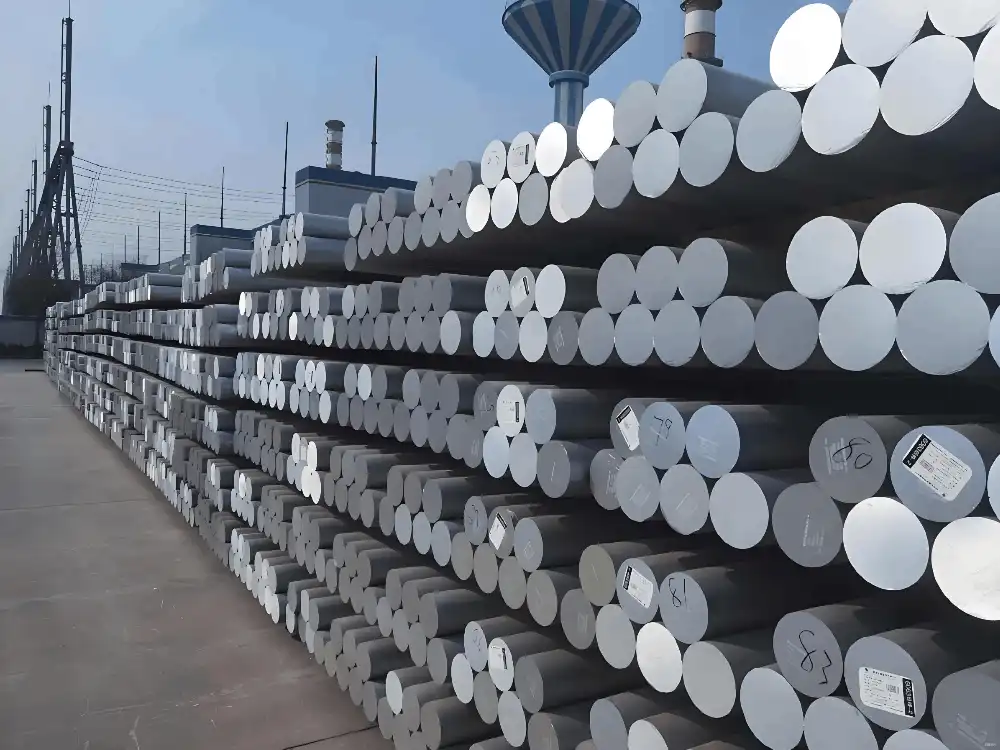
Made-to-measure aluminum profiles provide complete design freedom for projects requiring specific dimensions, unique cross-sectional shapes, or specialized functionality. Custom extrusion allows manufacturers to create proprietary profile systems tailored to exact project requirements, incorporating features like integrated gasket channels, drainage systems, thermal breaks, or mounting grooves. While custom aluminum profiles require longer lead times typically ranging from four to six weeks and involve tooling costs for die creation, they eliminate the need for secondary modifications and ensure optimal performance for specialized applications. The decision framework considers multiple factors including project volume, design complexity, structural requirements, and aesthetic specifications. High-volume projects often justify custom aluminum profiles investment through reduced assembly time and improved performance, while smaller projects benefit from stock profiles affordability and immediate availability. Understanding these trade-offs enables informed material selection that balances functionality, timeline, and budget considerations effectively.
Key Advantages of Stock Aluminum Profiles

Stock aluminum profiles offer compelling benefits for time-sensitive projects and applications where standard dimensions meet performance requirements. The immediate availability eliminates manufacturing lead times, enabling project managers to maintain aggressive construction schedules without material procurement delays. This advantage proves particularly valuable for repair work, renovation projects, or situations where unexpected material needs arise during construction phases. Cost efficiency represents another significant advantage of standard aluminum profiles. Mass production reduces per-unit costs substantially compared to custom extrusion, making stock profiles economically attractive for budget-conscious projects. The absence of tooling fees, minimum order quantities, and setup charges further enhances affordability, particularly for smaller projects or prototyping phases where material investment must be minimized. Distribution networks for stock aluminum profiles are well-established globally, ensuring consistent pricing and reliable supply chains.
Quality assurance for stock aluminum profiles benefits from established manufacturing standards and extensive testing protocols. Reputable suppliers maintain rigorous quality control systems certified to ISO standards, ensuring consistent material properties, dimensional accuracy, and surface finish quality across production batches. This reliability reduces project risk and eliminates concerns about material performance variability that might affect structural integrity or aesthetic outcomes. The versatility of stock aluminum profiles supports diverse applications across residential construction, commercial buildings, industrial facilities, and specialized installations. Standard profiles can be readily modified through cutting, drilling, welding, and surface treatment to accommodate specific project requirements without sacrificing the core advantages of immediate availability and cost efficiency. Modern CNC machining capabilities enable precise customization of stock profiles for complex assemblies while maintaining the fundamental benefits of using pre-manufactured standard sections.
When Custom Made-to-Measure Aluminum Profiles Are Essential?

Custom aluminum profiles become indispensable when project specifications demand unique dimensions, specialized functionality, or proprietary design features that standard profiles cannot accommodate. Architectural projects featuring distinctive facades, custom window systems, or signature design elements require made-to-measure solutions that align precisely with architectural vision and structural requirements. The investment in custom extrusion pays dividends through enhanced performance, streamlined installation, and distinctive aesthetic outcomes that differentiate premium constructions. Technical applications in aerospace, automotive, electronics, and specialized manufacturing often require aluminum profiles with precise tolerances, specific alloy compositions, or integrated features impossible to achieve through standard stock profiles. Custom extrusion enables the incorporation of complex geometries, thermal management features, electromagnetic shielding properties, or specialized mounting interfaces that optimize system performance. These technical advantages justify the additional cost and lead time when product performance and reliability are paramount considerations.
High-volume production scenarios frequently benefit from custom aluminum profiles despite higher initial tooling costs. When project quantities exceed several hundred linear meters, custom extrusion becomes cost-competitive with modified stock profiles while delivering superior performance and reduced installation labor. The elimination of secondary machining operations, improved material utilization, and optimized assembly sequences can generate substantial savings that offset custom tooling investment over project lifecycle. Branding and product differentiation represent important considerations for manufacturers seeking competitive advantages in crowded markets. Custom aluminum profiles enable the creation of distinctive product appearances, proprietary connection systems, and protected design features that prevent commodity competition. This strategic value extends beyond immediate cost considerations, supporting premium positioning and long-term market differentiation that justify custom profile development investment.
Manufacturing Quality and Technical Specifications

Manufacturing excellence in aluminum profiles requires sophisticated production equipment, rigorous quality control systems, and deep technical expertise spanning materials science, extrusion technology, and surface treatment processes. Modern aluminum profile production integrates computer-controlled extrusion lines, precision cutting systems, automated assembly equipment, and comprehensive testing facilities that ensure consistent quality across high-volume production runs. The extrusion process begins with premium aluminum alloy billets heated to optimal temperatures and forced through precision-engineered dies that form the desired profile cross-section. Critical parameters including extrusion speed, temperature control, and die design directly influence profile quality, dimensional accuracy, and surface finish characteristics. Advanced manufacturers employ sophisticated monitoring systems that maintain tight process control, ensuring consistent mechanical properties and eliminating defects that could compromise structural performance or aesthetic quality.
Surface treatment options for aluminum profiles include anodizing, powder coating, sublimation printing, and specialized finishes that enhance corrosion resistance, improve aesthetic appeal, or provide specific functional properties. Anodizing creates a durable oxide layer that protects against environmental degradation while offering color options through electrolytic coloring processes. Powder coating provides superior impact resistance and broader color selection, making it preferred for applications requiring robust protective finishes. The selection of appropriate surface treatment depends on environmental exposure conditions, aesthetic requirements, and performance specifications for specific applications. Quality assurance protocols for aluminum profiles encompass dimensional inspection, mechanical testing, surface quality evaluation, and compliance verification against international standards. Precision measurement equipment verifies profile dimensions within specified tolerances, typically measured in hundredths of millimeters for critical applications. Mechanical testing confirms tensile strength, yield strength, and hardness properties meet alloy specifications and performance requirements. Comprehensive quality documentation provides traceability and performance assurance that support architectural approval processes and regulatory compliance requirements.
Conclusion
Aluminum profiles selection between stock and custom solutions fundamentally impacts project outcomes through cost, timing, and performance trade-offs. The optimal approach balances immediate needs against long-term value considerations.
Cooperate With Hunan Haolv Building Materials Co., Ltd.

Partner with Hunan Haolv Building Materials Co., Ltd., your trusted China Aluminum Profiles manufacturer with eighteen years of manufacturing excellence. As a leading China Aluminum Profiles factory and China Aluminum Profiles supplier, we offer wholesale Aluminum Profiles with competitive Aluminum Profiles price and comprehensive Aluminum Profiles pricelist options. Request your Aluminum Profiles quotation for Bulk Aluminum Profiles or explore Customized Aluminum Profiles solutions tailored to your specifications. Our one-stop service includes advanced extrusion technology, ISO-certified quality control, global logistics support, and partnership with CONCH materials. We deliver technical consultation, free sample shipping, and full project follow-up services. Contact us at kristin@haolvwindows.com for expert solutions that transform your architectural vision into reality with reliable quality.
References
1. "Aluminum Extrusion: Principles and Applications" by T. Sheppard, Engineering Materials Science Series
2. "Architectural Metals: A Guide to Selection, Specification, and Performance" by L. William Zahner, John Wiley & Sons
3. "Aluminum Design Manual" by The Aluminum Association, Standards and Data Publications
4. "Modern Construction Materials: Theory and Applications" by Peter Domone and John Illston, E & FN Spon
5. "Extrusion of Aluminum Alloys" edited by Talalay, Aluminum Association Technical Committee

USER EVALUATE
Here is the customer's evaluation of us