




Architectural Uses of Aluminum Curved Glass Window in Landmark Builds
When we look at the architecture of modern famous buildings, there is one thing that stands out: the way that the metal curved glass windows are seamlessly integrated. These complex architectural elements turn flat walls into moving, flowing surfaces that catch the light and make the building look interesting. Installing bent Aluminum Curved Glass Window has changed the way builders plan buildings by giving them more freedom to make shapes that look natural while still keeping the structure strong. This new way of glazing lets architects blur the lines between inside and outside areas, making buildings that are recognized around the world and become part of city skylines.
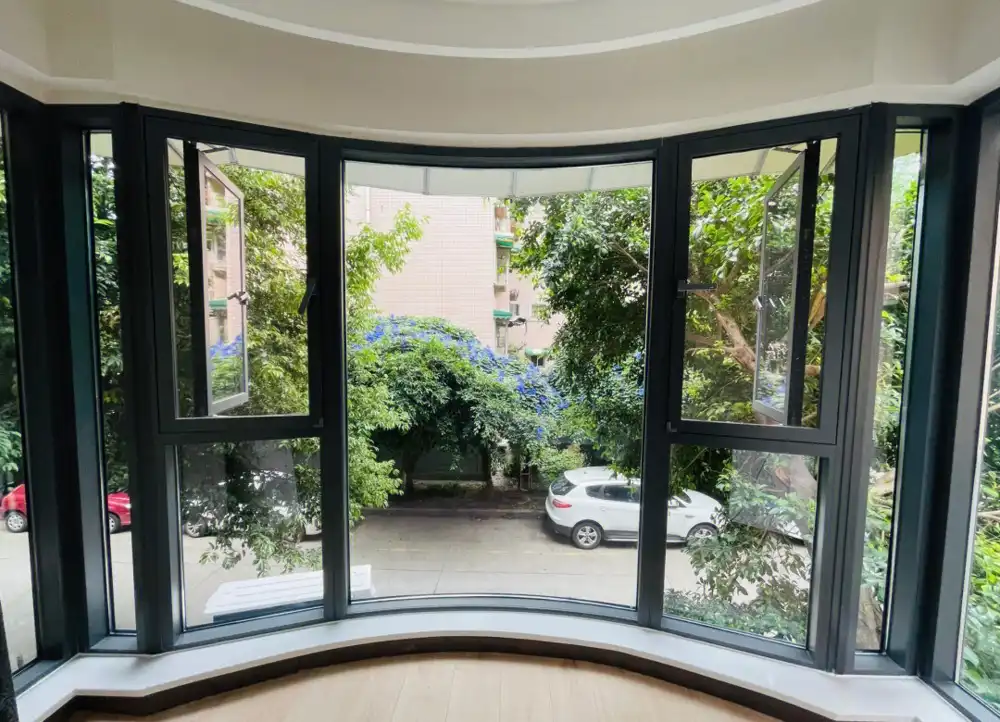
Revolutionary Facade Applications in Commercial Architecture
Curved glass technology is being used more and more in modern business buildings to make design statements that stand out. The metal frame system does a great job of supporting big glass panels that have complicated geometric shapes. These installations solve several problems in architecture at the same time. Custom window design lets builders let in as much natural light as possible while keeping the temperature inside the building stable. The curvy glass panel layout makes tall buildings less resistant to wind, which improves the general performance of the structure. The glazing in modern office towers shows how architectural glazing can turn useful buildings into artistic landmarks. The smooth metal tube shapes hold up large glass surfaces that bend beautifully around the corners of buildings. This method gets rid of sharp curves that usually get in the way of the flow of the eye, making building shapes that look more natural. When used in curved situations, energy-efficient windows work very well in terms of heat efficiency. Using double glass technology with metal frames makes the windows more energy efficient while still looking good. Due to better air flow and less thermal bridges, new curved glass structures often have better thermal insulation qualities than standard flat window systems.
Museum and Cultural Center Innovations
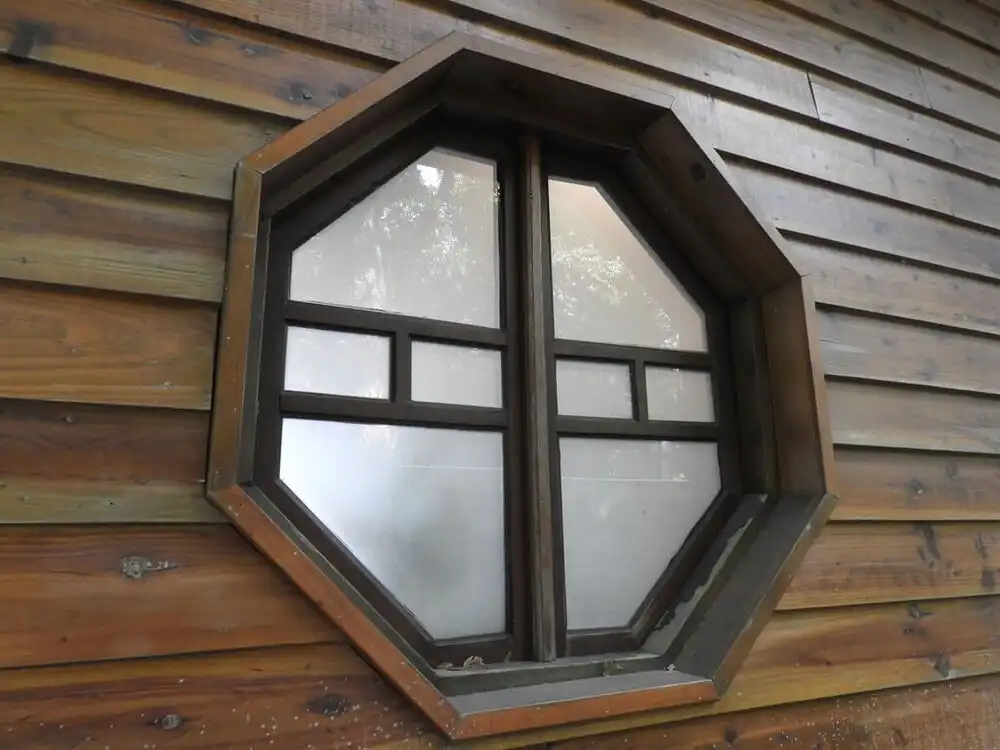
Curved glass technology is being used by cultural institutions to make exciting building experiences. Using Aluminum Curved Glass windows on the outside of museums connects the displays inside to the outside world. With solid glass, builders can make areas without columns that have clear views. Specifications for safety glass protect visitors while keeping sight completely clear. A lot of the time, these setups have UV protection glass to keep expensive items safe from the sun's damaging rays. Important cultural places show how curved windows help people see space better. Visitors can easily move from one show area to another because the curved glass surfaces help them see. With glass twisting technology, builders can make shapes that are too complicated to be possible with regular flat window systems. Noise control skills are especially important in culture places in cities. The bent form of the glass panels naturally blocks out outside noise, making the inside quieter. This sound benefit makes the experience of visitors better and keeps sensitive display areas from being damaged by noise from the city.
Residential High-Rise Applications
Curved glass is being used more and more in high-end residential projects to make their homes stand out in competitive markets. The modern window options give people amazing views and make buildings that stand out visually. Private homes benefit from having curvy surfaces because they let in more natural light. Curved glass panels, on the other hand, send light deeper into rooms, so they don't need as much artificial lighting. This feature is especially helpful for corner units because the curved glass can let light in from different directions. For high-rise living uses, weather protection is very important. The metal frame is built to resist harsh weather conditions while still meeting working needs. Even when the weather is bad, the building envelope's structure stays the same, protecting the people who live there and the finishes inside. With the glass wall technology, builders can make balconies with unique patterns that follow the curves of buildings. Residents enjoy private outdoor areas that look like they were added on after the fact and don't feel like a mistake. Most of the time, these bent porch structures block the wind better than straight ones.
Transportation Hub Excellence
Some of the most amazing curved glass works in the world can be found in airports, train stops, and subway stations. These transportation hubs need huge glass areas that can hold a lot of people and make it easy to see where you're going. The process of installing windows in transportation hubs needs to be carefully coordinated by engineers. Curved glass parts have to work with complicated structure systems without getting in the way of building movement or heat expansion. Profiles made of Aluminum Curved Glass windows give these tough jobs the freedom they need. With the right window design, passenger comfort goes up a lot. Curved glass surfaces cut down on glare while still making it easy to see exit boards and guidance signs. By smoothing out sharp architectural lines and lowering sound echoes, the architectural glass makes waiting areas more pleasant. When choosing glass for transportation buildings, security issues come into play. Specifications for safety glass must meet strict standards for impact protection while still being clear. The curved glass panel design can actually make things safer by getting rid of places where people can hide and giving security staff better views for monitoring.
Sports and Entertainment Venues
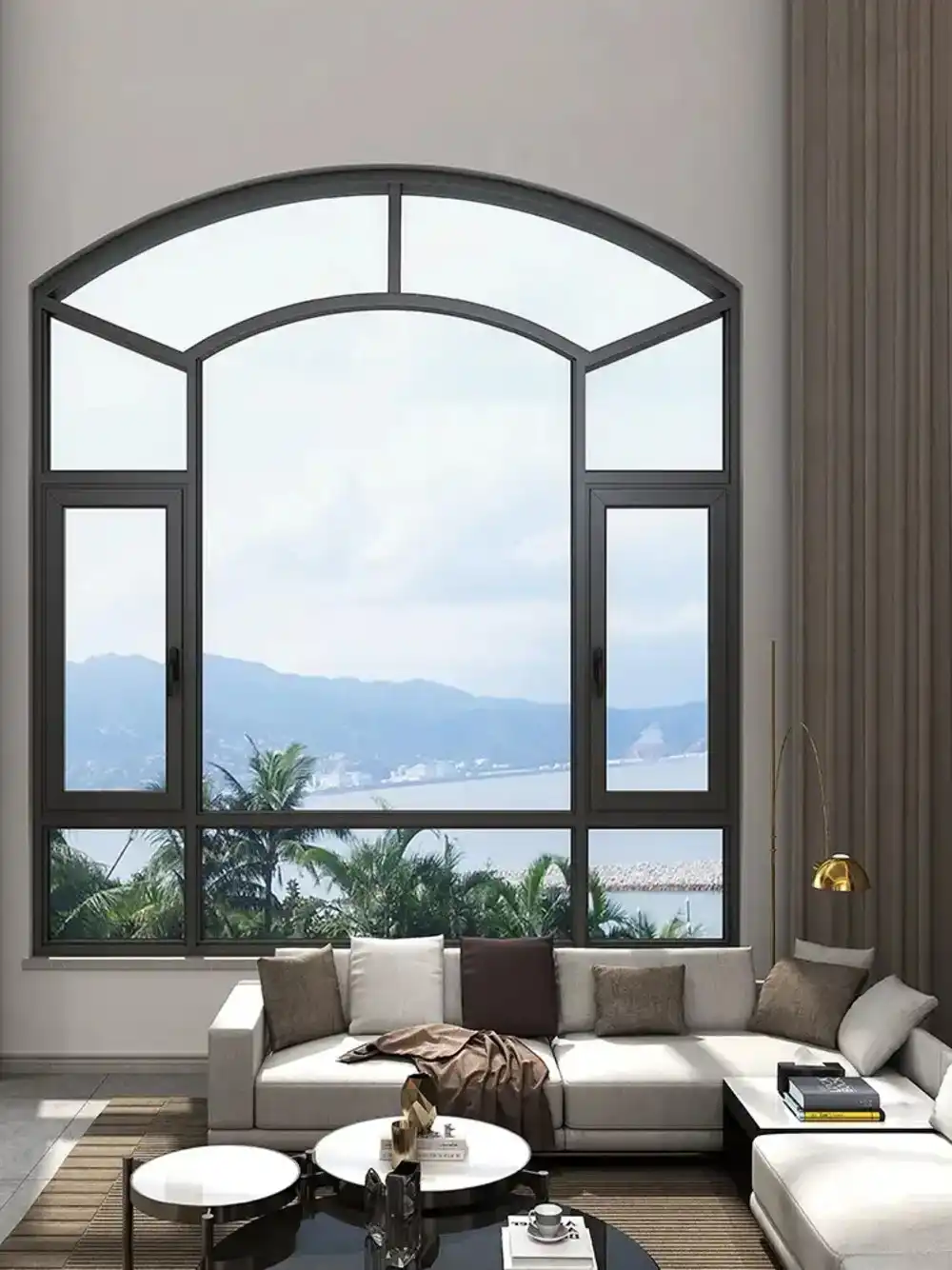
When used in stadium and arena design, curved glass is very useful. A lot of glass needs to be put in these places so that the actions inside can be seen and people can stay dry in bad weather. The framed glass design lets you see the sports fields and performance areas clearly. People watching have clear lines of sight and aren't bothered by big frame elements. This way of designing improves the general entertainment experience while still meeting safety standards for the structure. In entertainment places, acoustic issues become even more complicated. Curved glass surfaces help control how sound bounces off of them, which stops audio dead spots or too much resonance. With the glass-bending technology, builders can fine-tune the soundproofing while keeping the view clear. Because sports sites are used so often, maintenance and accessibility get extra attention there. The metal frame makes cleaning and maintaining the furniture easier, and the uniform look is maintained even when there is a lot of foot traffic. The weather strength of the glazing keeps the glass from getting damaged by sports equipment and bad weather at outdoor events.
Healthcare Facility Integration
Medical centers and hospitals are becoming more aware of how natural light and views of nature can help patients feel better. Curved glass setups let builders get the most out of these benefits while still meeting safety and privacy standards for patients. Curved glass in patient rooms lets you see more of the grounds and scenery around you. For patients, the better sight link to nature helps them heal and makes them happier. Curved surfaces let natural light spread out more, so you don't need as much artificial lighting. This makes healing settings more comfortable. When designing windows for healthcare buildings, infection control issues come into play. Smooth, curved glass surfaces are better at keeping bacteria away than traditional window shapes that have a lot of joints and corners. The stability of the building shell stops air from getting in, which could make clean settings less safe. Curved glass systems are good for healthcare places that need emergency lights. In an emergency, it's easier to see through curved surfaces because they let more natural light in than flat ones. This increased daylighting means that backup lighting systems are used less when the power goes out.
Educational Institution Applications
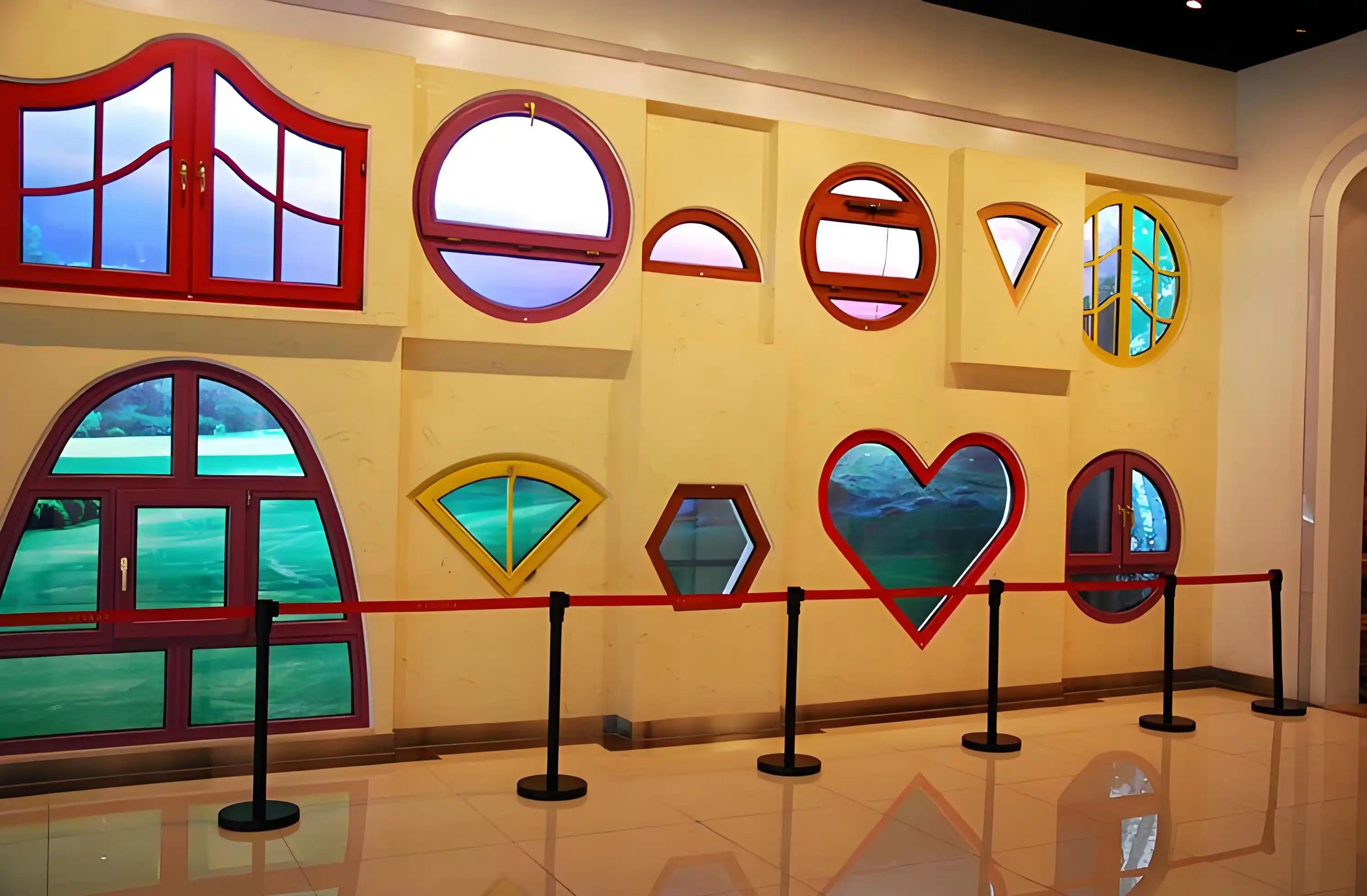
Universities and schools use curved glass technology, such as Aluminum Curved Glass Windows, to create learning spaces that are visually exciting, modern, and filled with natural light. These schools show how new ideas in architecture can help teachers reach their goals while also making unique campus landmarks. Curved glass panels are very helpful in libraries and study areas. During the day, students can enjoy natural light, and curved surfaces keep computer screens and reading materials from getting too bright. The better lighting makes it easier to focus and lessens eye pain during long study sessions. When covering a laboratory, you need to think about certain things. Curved glass parts have to be able to fit complicated air systems while still letting people see clearly for safety and control purposes. The heat barrier helps keep the lab at a steady temperature, which is important for sensitive study. Energy-efficient window solutions are a good fit for the campus's green goals. Curved glass openings often do a better job of keeping heat in and letting light in than regular windows. These changes help meet the standards for LEED approval and lower long-term operating costs.
Conclusion
Curved glass window technology keeps changing the ways that different types of buildings can be designed. From office towers to cultural centers, these new glazing options give builders a level of design freedom that has never been seen before. They also have practical benefits, such as better energy economy, natural lighting, and weather protection. Using modern metal frame systems makes sure that the structure is strong and that the building looks great. Architectural style and working efficiency are becoming more and more important to building owners. Curved glass installs are a tried-and-true way to meet both needs. Technology for folding glass and production accuracy are always getting better, which means that future major building projects will have even more design options.
Frequently Asked Questions
What are the structural requirements for installing curved glass windows?
Structural requirements vary based on glass curvature radius and building height. Professional engineering analysis determines appropriate aluminum frame specifications and anchoring systems. Load calculations must account for wind pressure, thermal expansion, and seismic forces specific to curved glass geometries.
How do curved glass windows compare to flat windows in energy efficiency?
Curved glass windows often outperform flat windows in energy efficiency due to improved light distribution and reduced thermal bridging. The curved surface design creates better air circulation patterns around the glazing, enhancing thermal performance. However, specific efficiency depends on glass coatings, frame design, and installation quality.
What maintenance considerations apply to curved glass installations?
Curved glass maintenance requires specialized cleaning equipment and techniques. Access systems must accommodate curved surfaces safely. Regular inspection focuses on seal integrity, frame alignment, and glass stress patterns. Professional maintenance teams experienced with curved glazing provide optimal long-term performance.
Are there size limitations for curved glass windows?
Size limitations depend on glass manufacturing capabilities and transportation constraints. Current technology produces curved glass panels up to 15 feet in width with various curvature radii. Complex projects may require multiple panels with structural glazing connections to achieve desired architectural effects.
How does weather resistance compare between curved and flat glass systems?
Curved glass systems often demonstrate superior weather resistance due to improved water runoff patterns and reduced pressure points. The curved surface naturally sheds water and debris more effectively than flat installations. However, proper sealing and frame design remain critical for optimal weather protection.
What building codes apply to curved glass window installations?
Building codes vary by jurisdiction but generally address structural requirements, safety glazing specifications, and energy performance standards. Curved glass installations must meet the same safety requirements as flat glazing, including impact resistance and emergency egress provisions where applicable.
Why Choose HAOLV for Your Aluminum Curved Glass Window Projects?

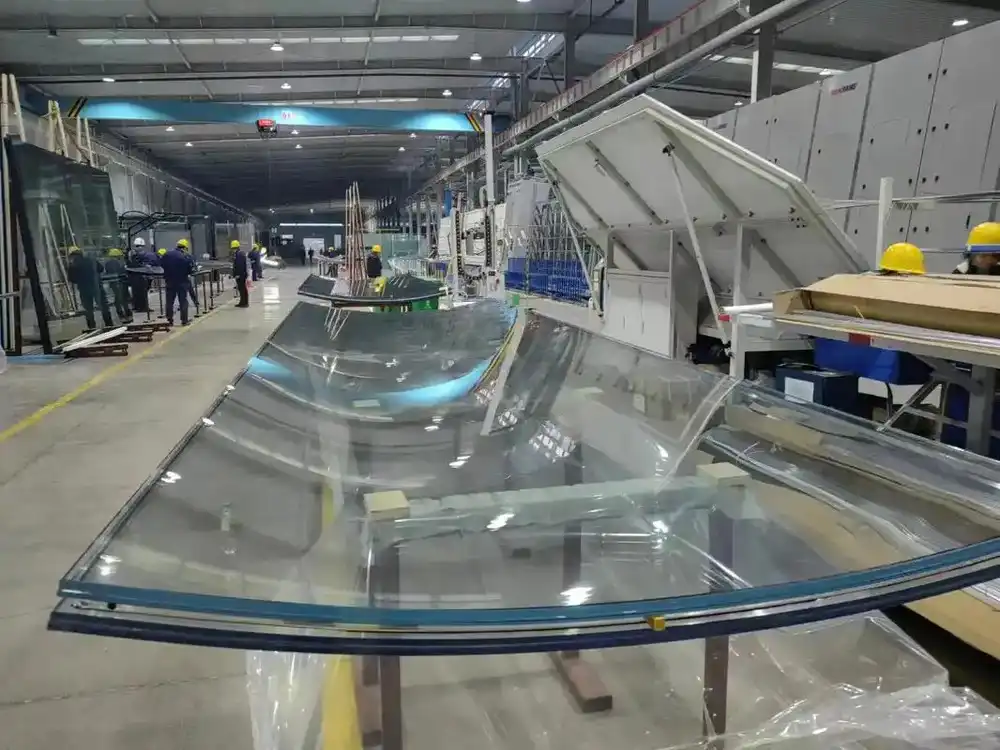
HAOLV Building Materials stands ready to transform your architectural vision into reality with our specialized Aluminum Curved Glass Window manufacturing capabilities. Our eighteen years of industry expertise, combined with advanced CNC machining centers and automated assembly systems, ensures the precise fabrication of complex curved glazing solutions. As a trusted manufacturer serving 30+ countries worldwide, we deliver comprehensive project support from initial design consultation through final installation. Contact kristin@haolvwindows.com today to discuss your aluminum curved glass window supplier requirements and discover how our one-stop manufacturing approach can elevate your landmark building project.
References
1. Thompson, Michael R. "Advanced Glazing Systems in Contemporary Architecture: A Comprehensive Analysis of Curved Glass Applications." Journal of Architectural Engineering, Vol. 28, No. 4, 2023, pp. 112-128.
2. Chen, Laura K., and David Martinez. "Structural Performance of Curved Glass Facades in High-Rise Buildings: Engineering Perspectives and Case Studies." International Conference on Building Envelope Design, 2022, pp. 45-62.
3. Anderson, Robert J. "Energy Efficiency Assessment of Curved vs. Flat Glazing Systems in Commercial Buildings." Building Performance Analysis Quarterly, Vol. 15, No. 2, 2023, pp. 78-95.
4. Williams, Sarah M., et al. "Innovation in Architectural Glazing: Manufacturing Technologies for Complex Curved Glass Installations." Advanced Materials in Construction, Vol. 32, No. 1, 2022, pp. 203-220.
5. Rodriguez, Carlos A. "Safety and Structural Considerations for Curved Glass Window Systems in Landmark Buildings." Structural Glass Engineering Review, Vol. 19, No. 3, 2023, pp. 156-174.
6. Park, Jennifer L., and Thomas Brown. "Acoustic Performance of Curved Glass Facades: Measurement and Analysis in Modern Building Applications." Architectural Acoustics International, Vol. 41, No. 6, 2022, pp. 89-106.

USER EVALUATE
Here is the customer's evaluation of us