




Benefits of Multi-Panel UPVC Sliding Doors in Coastal Climates
Multi-Panel UPVC Sliding Doors protect very well against rust from salt air, water getting in, and the extreme weather that is common near the coast. These cutting-edge door systems use high-tech UPVC materials and multiple panels to provide better insulation, lower energy costs, and long-lasting sturdiness. Coastal homes benefit from their waterproof design, which keeps the building's structure even when saltwater gets in. The multiple panels make it possible for large spaces that let in lots of natural light and offer views of the ocean without sacrificing security or temperature control.
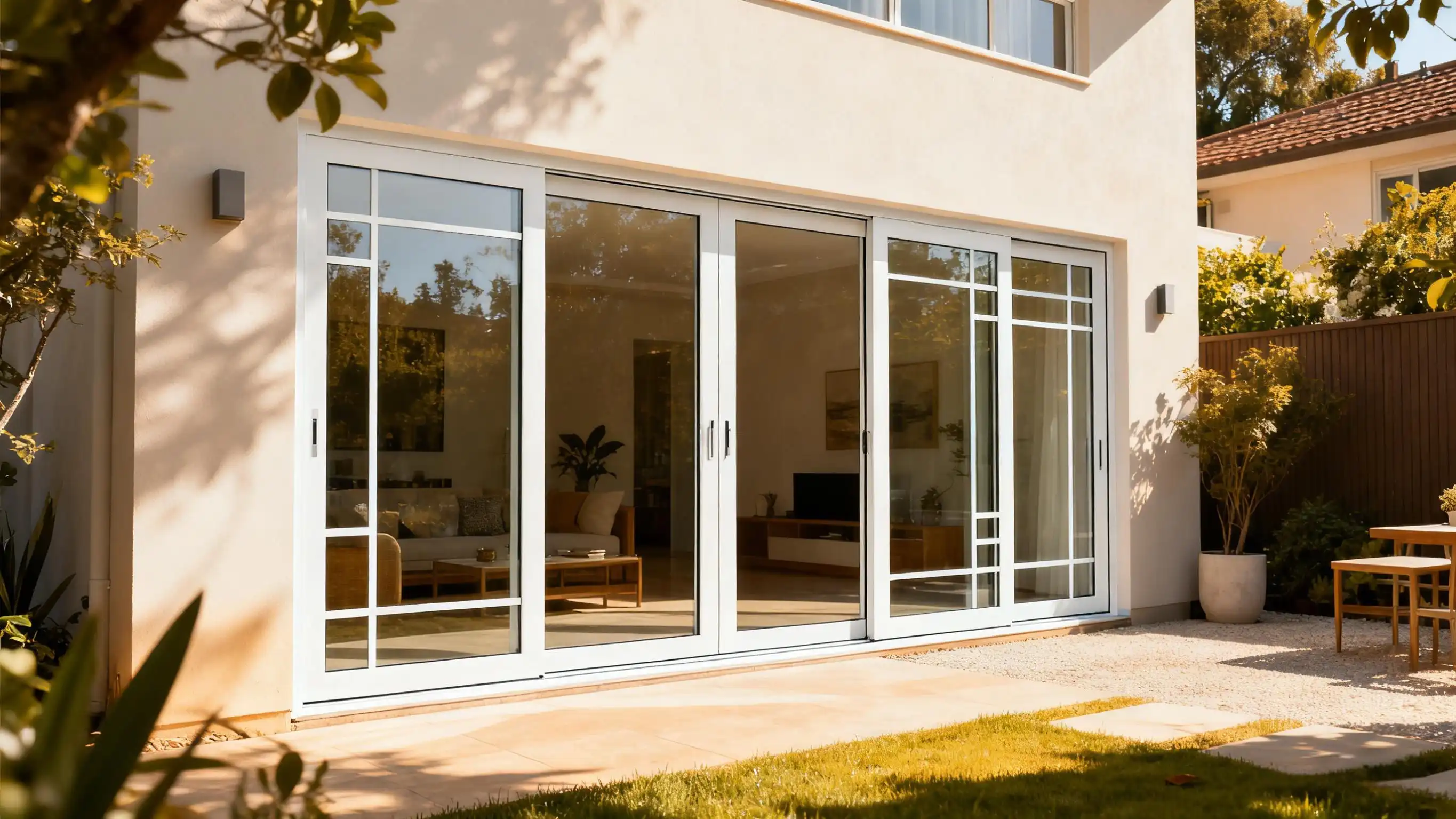
Understanding Multi-Panel UPVC Sliding Door Technology
Multi-panel patio doors are a big step forward in the technology used in marine building. Individual panels in these systems slide easily along tracks that were carefully designed and built. This makes large areas that are very resistant to the weather. Polyvinyl chloride that has not been plasticized is used in the UPVC frame slide doors. This material was chosen because it is resistant to salt rust and UV rays. The tech behind these doors includes a lot of weatherstripping and closing points. Each panel has pieces of toughened glass that make it stronger and better at keeping heat in. The motor for the sliding door track is made of stainless steel, which is better at resisting rust in coastal areas than standard metal options. Modern UPVC slide door systems can hold up to eight separate panels, which means they can fit spaces that are at least 30 feet wide. Because they are so flexible, they are perfect for seaside homes that need to make the most of their ocean views. The panels can be set up in different ways, such as stacked designs where panels slide behind fixed units.
Key Performance Indicators for Coastal Applications
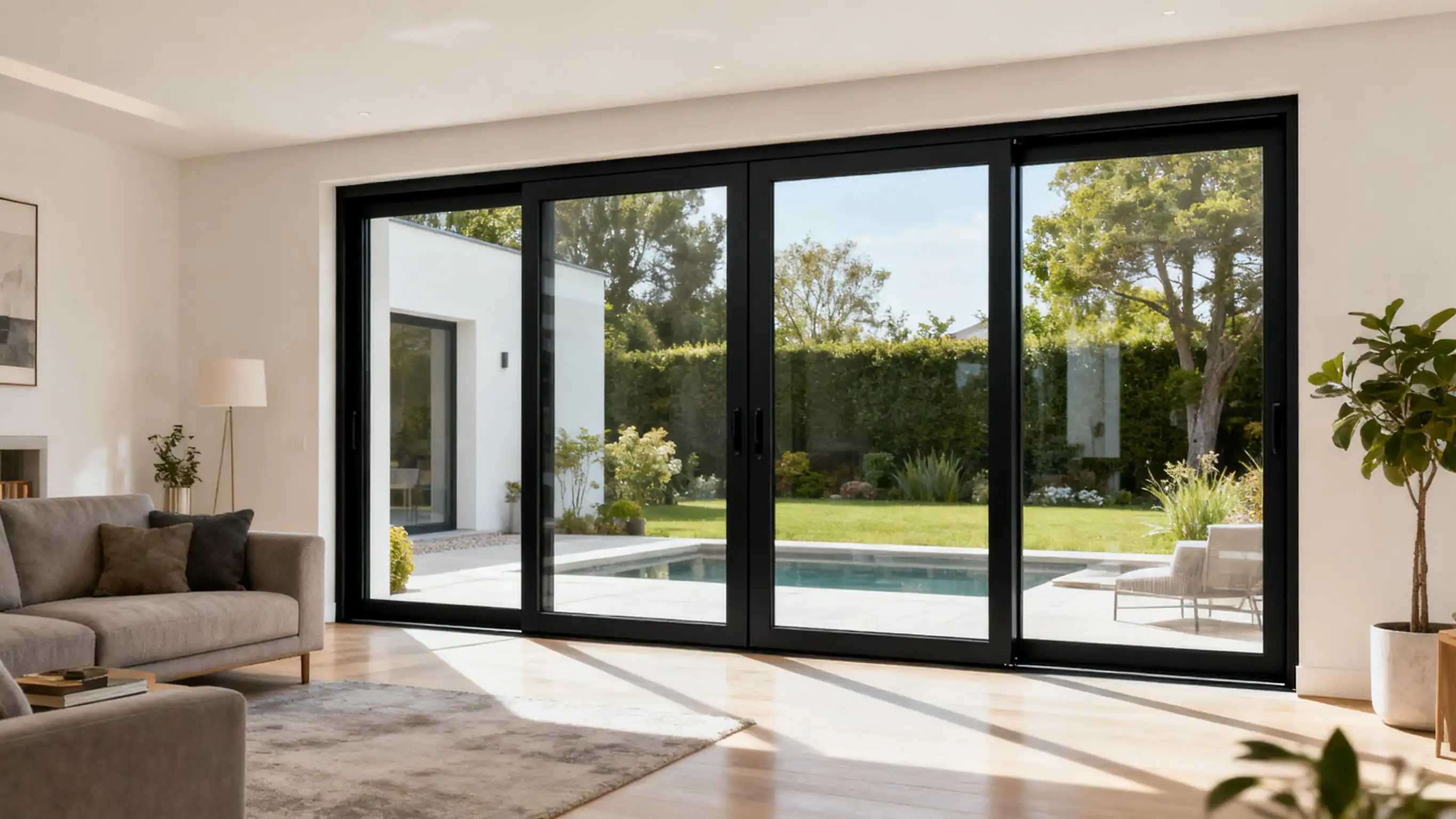
In seaside areas, energy-efficient slide doors have to meet certain performance standards. For best energy economy, the U-factor (a measure of heat transmittance) should stay below 0.30 BTU/hr·ft²·°F. Most double-glazed UPVC doors have U-factors between 0.25-0.28, which is much lower than single-glazed doors. When you live near the coast and hurricane-force winds are possible, wind resistance scores become very important. Good Multi-Panel UPVC Sliding Doors systems have Design Pressure values of DP50 or higher and can handle wind speeds of more than 75 mph. The structural test pressure often goes up to 112.5 psf, showing that it is very strong even in harsh situations. When it comes to coastal areas, water protection needs extra attention. The best units keep all water out even at test pressures of 12 psf, which is the same as driving rain with winds of 110 mph. To keep energy costs low and comfort levels high, air entry rates should not go above 0.1 cfm/ft². According to ASTM B117 guidelines, tests for salt spray protection shows that good UPVC materials don't break down after 1,000 hours of constant contact. This performance is much better than metal systems that don't have protective coats, which usually start to rust after 200 to 300 hours.
Core Benefits in Coastal Environments
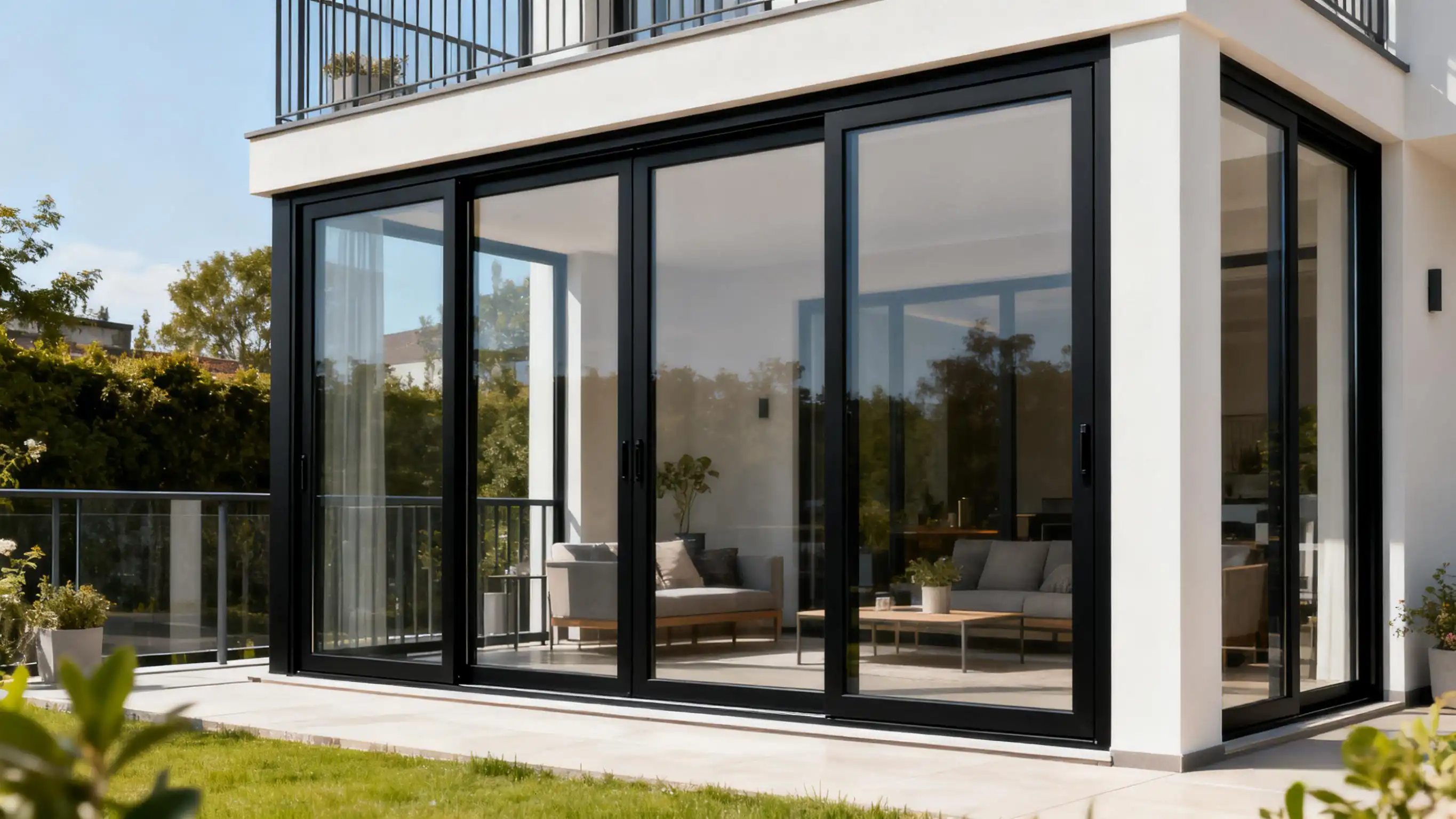
When it comes to beachfront homes, weatherproof folding doors offer a number of benefits. The main benefit is better control of wetness thanks to improved draining systems and air shields. UPVC materials naturally don't let water in, and they can expand and contract with temperature changes without breaking seals. Doors with thermal protection keep the inside of a building at a constant temperature, even if the weather outside changes. When compared to metal systems, the multi-chamber UPVC shapes cut down on cooling costs by up to 40% because they make thermal breaks that stop heat from moving. This economy is especially useful near the coast, where humidity and weather changes are common. Soundproof UPVC doors block out a lot of noise from the ocean, the wind, and other things going on nearby. Sound Transmission Class scores of 35–40 are achieved by the multi-panel construction with properly sealed joints. This makes the inside of the building quiet even during storms. Security features are built right into the device for moving. Multi-point locking methods and marine-grade hardware are used in secure locking sliding doors. These systems work at several points around the frame's edge, spreading out the load forces and stopping attempts to break in. Due to its natural qualities, UPVC doesn't need much maintenance. The material doesn't fade, chalk, or break down when exposed to salt. Cleaning it regularly with water and light soap keeps it looking good and working well without any special treatments or coats.
HAOLV's Multi-Panel Solutions vs Competitors
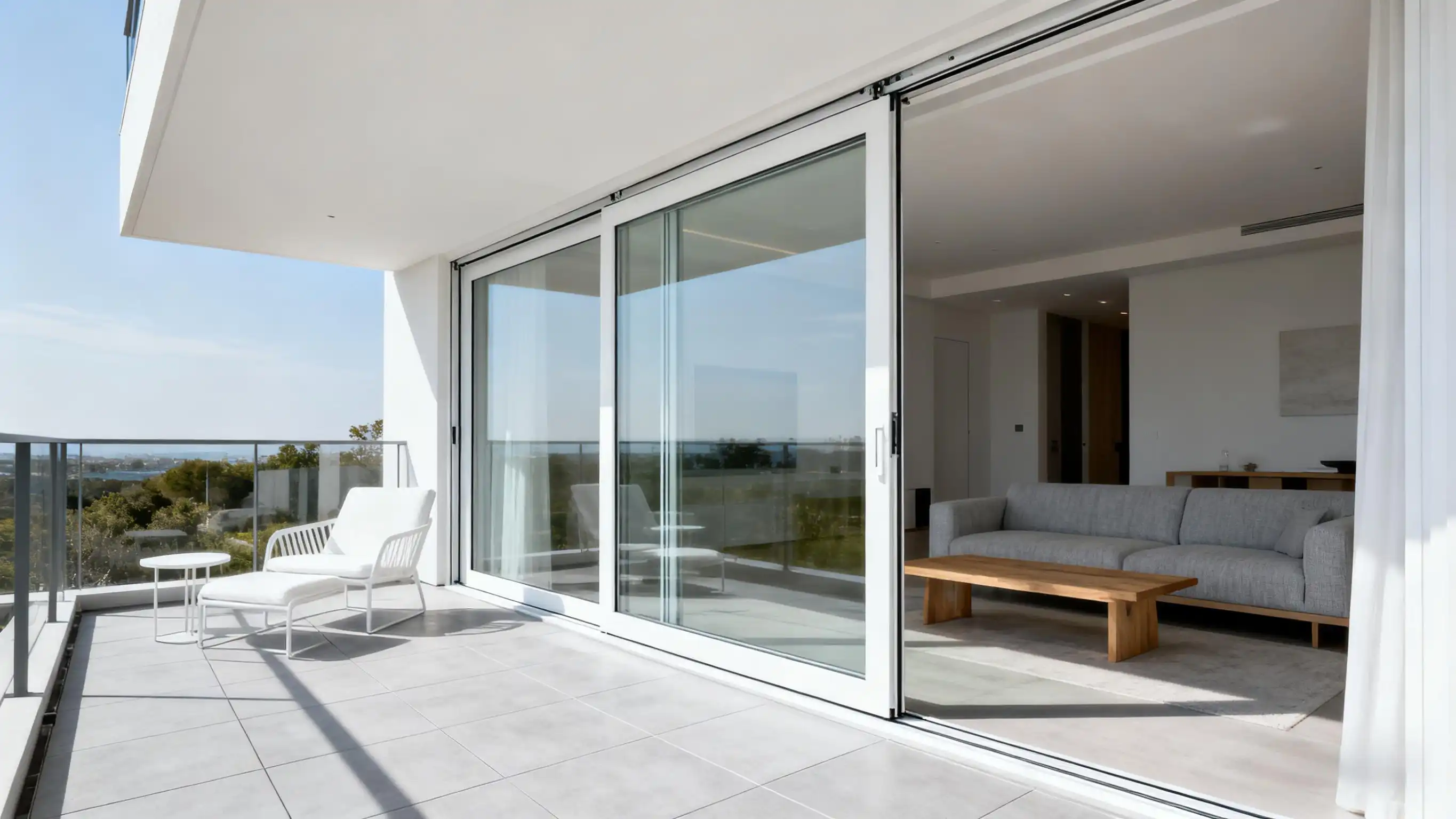
Eighteen years of experience making high-quality UPVC sliding door systems for seaside uses gives HAOLV a lot of skills, especially in producing Multi-Panel UPVC Sliding Doors. Because we work with CONCH, a major material provider, we always have access to the best UPVC products that are made to work in marine settings. Precision CNC cutting and automatic assembly systems that keep errors within 0.5 mm are used in HAOLV's production process. This level of accuracy is higher than the norm in the business, and it guarantees that the sliding door will work smoothly even after years of being near the coast. A lot of the time, competitors use hand building methods that introduce errors that hurt the long-term performance. Quality control goes beyond simple tests and includes methods that speed up the aging process to mimic decades of contact to the coast. After being exposed to salt water for 1,000 rounds, each door system is heated and cooled between -20°F and 140°F. With this all-around method, possible problems are found before the goods reach users. HAOLV's customization options can meet the needs of each coastal property. The engineering team comes up with ways to put things that are hard to do, like walls that aren't straight, supports that slope, and holes that aren't standard. Standard makers usually don't give you many ways to customize their products, which might not work for certain coastal uses. Dedicated coastal experts who know how to deal with the unique challenges of beachfront setups provide technical help for the entire lifetime of the product. This knowledge helps workers and users get the most out of their systems by making sure they are installed correctly and that upkeep is done on time.
Maximizing Performance Through Proper Selection
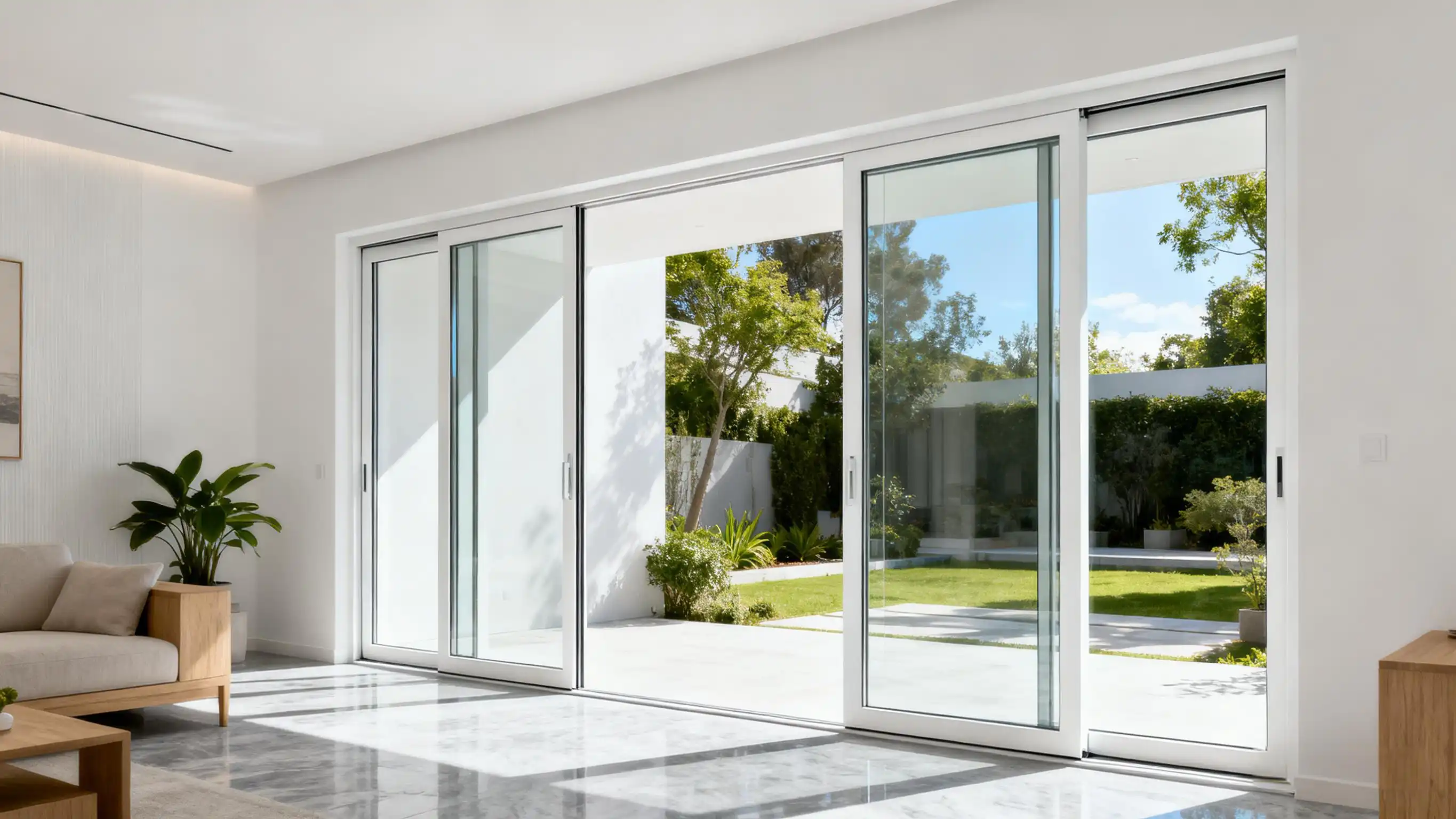
Coastal exposure conditions should help you choose folding door panels that can be changed to fit your needs. Properties that face the ocean need better UV protection and resistance to damage. For seaside places that are inland, heat efficiency may be more important than highest wind resistance values. The choice of glass has a big effect on general performance. With low-E coats, sun heat gain is cut down while vision is kept. Impact-resistant glass adds to your safety and protects you from storms. Insulating units filled with argon improve thermal efficiency by stopping heat from moving convectively between panes. The acidic climate must match the hardware specs. Compared to standard grade 304, stainless steel grade 316 is better at resisting rust. Salt spray contact is made safer by protective coats on steel parts that are high in zinc. The time of installation affects how well it works in the long run. When possible, sites near the coast should stay away from times of high humidity or salt spray. For seals and glue to cure properly, the environment needs to be controlled, which might not be possible during storm seasons. For rated performance standards to be met, professional installation is needed. Certified workers know how important air barriers, lighting details, and the special grounding needs for coastal building are. When you do it yourself, you often damage the weather protection and lose the manufacturer's warranty.
Critical Installation and Maintenance Considerations
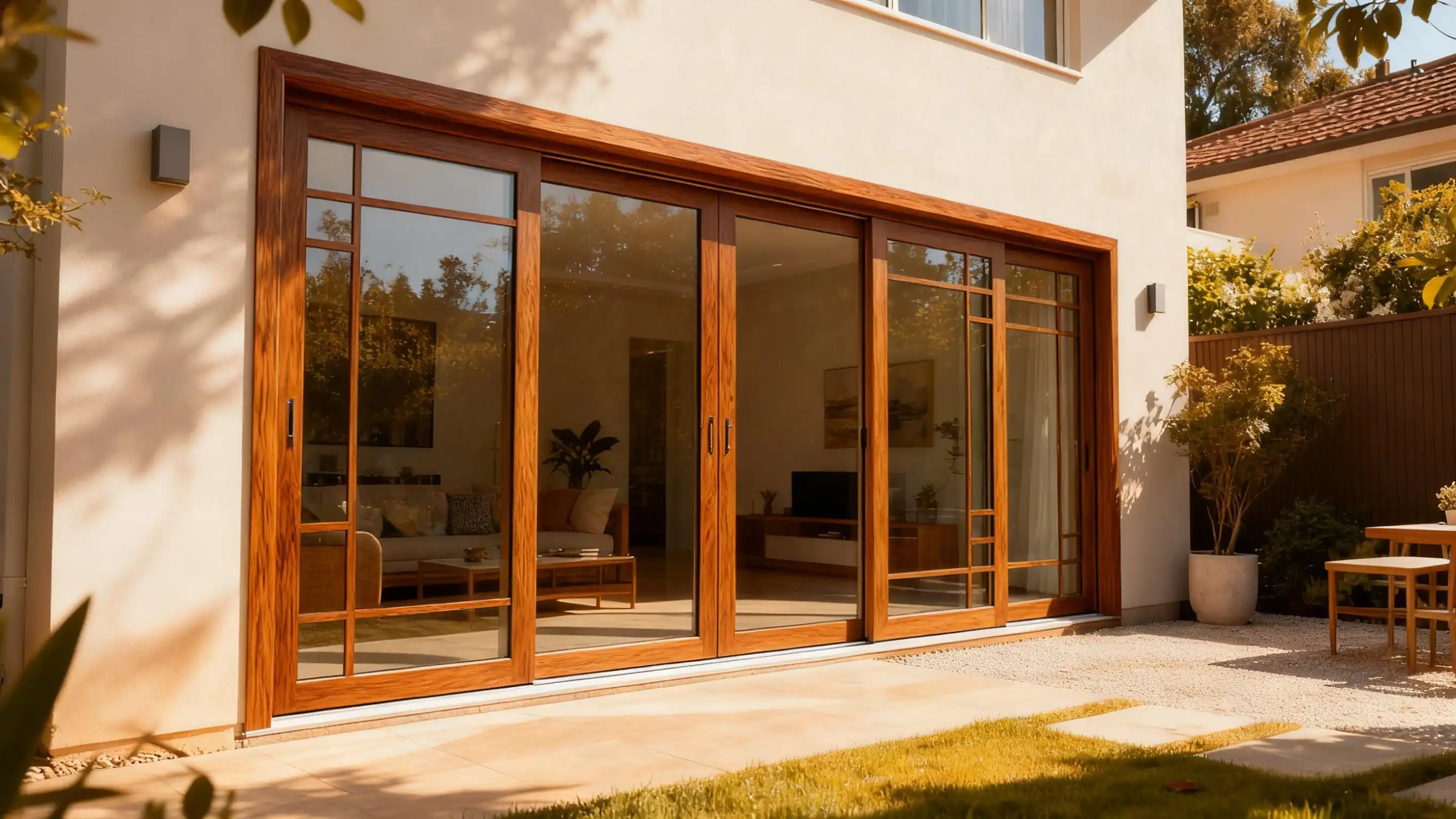
Drainage and wetness control are important parts of preparing a base the right way for installing Multi-Panel UPVC Sliding Doors. For locations near the coast, the door system must have weep holes and drainage lines that keep water away from it. If there isn't enough draining, water can build up and cause closing systems to fail early. Anchoring structures must take into account higher wind loads and the chance of being exposed to storm surges. Local building rules set the minimum lengths that fasteners should go through structure parts. In coastal places, grounding needs to be better than what is normally needed for homes. Maintenance plans should be based on the seasons and how the weather changes. Small problems can be found and fixed before they become big problems during pre-storm checks. After a storm, evaluations help keep track of any damage and make sure that operations stay safe. When cleaning ocean doors, you have to think about more than just how they look. Having too much salt on the tracks and gear can make them less smooth and speed up rusting. Cleaning it once a month with fresh water gets rid of salt buildup and keeps the moving parts properly oiled. When weatherstripping and seals need to be replaced, shoreline factors need to be taken into account. Rubber and plastic binding materials can break down faster when they are exposed to UV light and salt spray. Regular inspections and replacements keep the weather protection and energy efficiency high.
Conclusion
Multi-panel UPVC sliding doors provide exceptional value for coastal properties through their combination of weather resistance, energy efficiency, and aesthetic appeal. The advanced materials and engineering techniques used in modern systems deliver performance that exceeds traditional alternatives while requiring minimal maintenance. HAOLV's eighteen years of manufacturing expertise ensures reliable solutions that withstand the unique challenges of coastal environments, from salt spray corrosion to extreme weather events.
Frequently Asked Questions

Q1: How long do Multi-Panel UPVC Sliding Doors last in coastal climates?
A: Quality UPVC sliding door systems designed for coastal applications typically maintain optimal performance for 25-30 years with proper maintenance. The UPVC material resists salt corrosion and UV degradation, while quality hardware components are designed to withstand marine environments. Regular maintenance and periodic hardware replacement can extend service life beyond 30 years.
Q2: Can multi-panel doors withstand hurricane-force winds?
A: Yes, properly designed and installed multi-panel UPVC sliding doors can withstand hurricane conditions. Systems meeting Design Pressure ratings of DP50 or higher resist wind loads exceeding 75 mph. Impact-resistant glass options provide additional protection against flying debris during storm events.
Q3: What maintenance is required for coastal UPVC sliding doors?
A: Monthly cleaning with fresh water removes salt deposits from tracks and hardware. Annual lubrication of moving parts and inspection of weatherstripping maintains smooth operation. Professional inspection every 2-3 years ensures optimal performance and identifies potential issues before they become costly repairs.
Transform Your Coastal Property with HAOLV Multi-Panel Solutions

HAOLV stands as your trusted Multi-Panel UPVC Sliding Doors manufacturer, delivering proven solutions for coastal properties across diverse climate conditions. Our comprehensive customization services and one-stop product support ensure perfect integration with your oceanfront project requirements. Experience our eighteen-year legacy of excellence through our free technical consultation and solution design services, backed by reliable global shipping and dedicated project follow-up support. Contact us at kristin@haolvwindows.com to discuss your coastal door requirements.
References
1. American Architectural Manufacturers Association. "Performance Standards for UPVC Doors in Coastal Applications." Technical Bulletin Series, 2023.
2. Building Research Institute. "Comparative Analysis of Window and Door Materials in Marine Environments." Journal of Coastal Construction, Vol. 45, 2022.
3. International Association of Certified Home Inspectors. "Moisture Management Systems for Coastal Residential Construction." Professional Standards Manual, 2023.
4. National Institute of Standards and Technology. "Thermal Performance of Multi-Panel Door Systems in High-Humidity Climates." Research Report NIST-2022-CR-1847.
5. Coastal Engineering Research Council. "Wind Load Design Requirements for Residential Openings in Hurricane-Prone Regions." Engineering Guidelines, 2023.
6. Society for Testing and Materials. "Salt Spray Resistance Testing of Polymer Building Materials." ASTM Standards Compendium, 2022 Edition.

USER EVALUATE
Here is the customer's evaluation of us