




Benefits of Thermal Break Aluminum Extrusions in Cold Climates
When it comes to buildings that are comfortable and use little energy, living in cold places is hard in its own way. Metal extrusions with Thermal Break Aluminum Extrusions are a new and revolutionary way to improve insulation while keeping the structural strength that metal is known for. These new shapes have thermal shields between the metal parts on the inside and outside. This stops heat from moving and energy from being lost. Modern building has been changed by this technology, which provides better heat performance without sacrificing longevity or good looks.
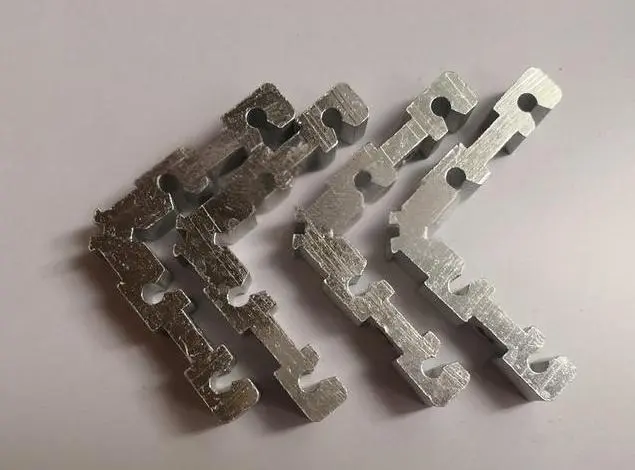
Understanding the Key Parameters of Thermal Break Technology
Some important factors that affect how well thermal break metal systems work in cold weather are what makes them work. Quality Thermal Break Aluminum Extrusions usually have a thermal transmittance value between 0.8 and 1.6 W/m²K, while normal metal frames have a value between 3.0 and 5 W/m²K. The thermal barrier is made up of nylon strips that don't let heat pass through them easily. These strips are usually 14.4 mm to 34 mm wide. These strips keep the inside and outside metal pieces from touching each other, which stops cold bridges from forming. With a tensile strength of more than 160 N/mm², the aluminum profiles keep the structure strong. This makes sure that the heat shield doesn't affect the frame's mechanical features. Temperature protection is also very important. Good thermal break systems work well in ranges from -40°F to 180°F. The coefficient of linear expansion stays the same across these temperature ranges, which keeps the structure from bending or breaking, which could make the thermal shield less effective.
Core Benefits of Thermal Break Aluminum Profiles in Winter Conditions
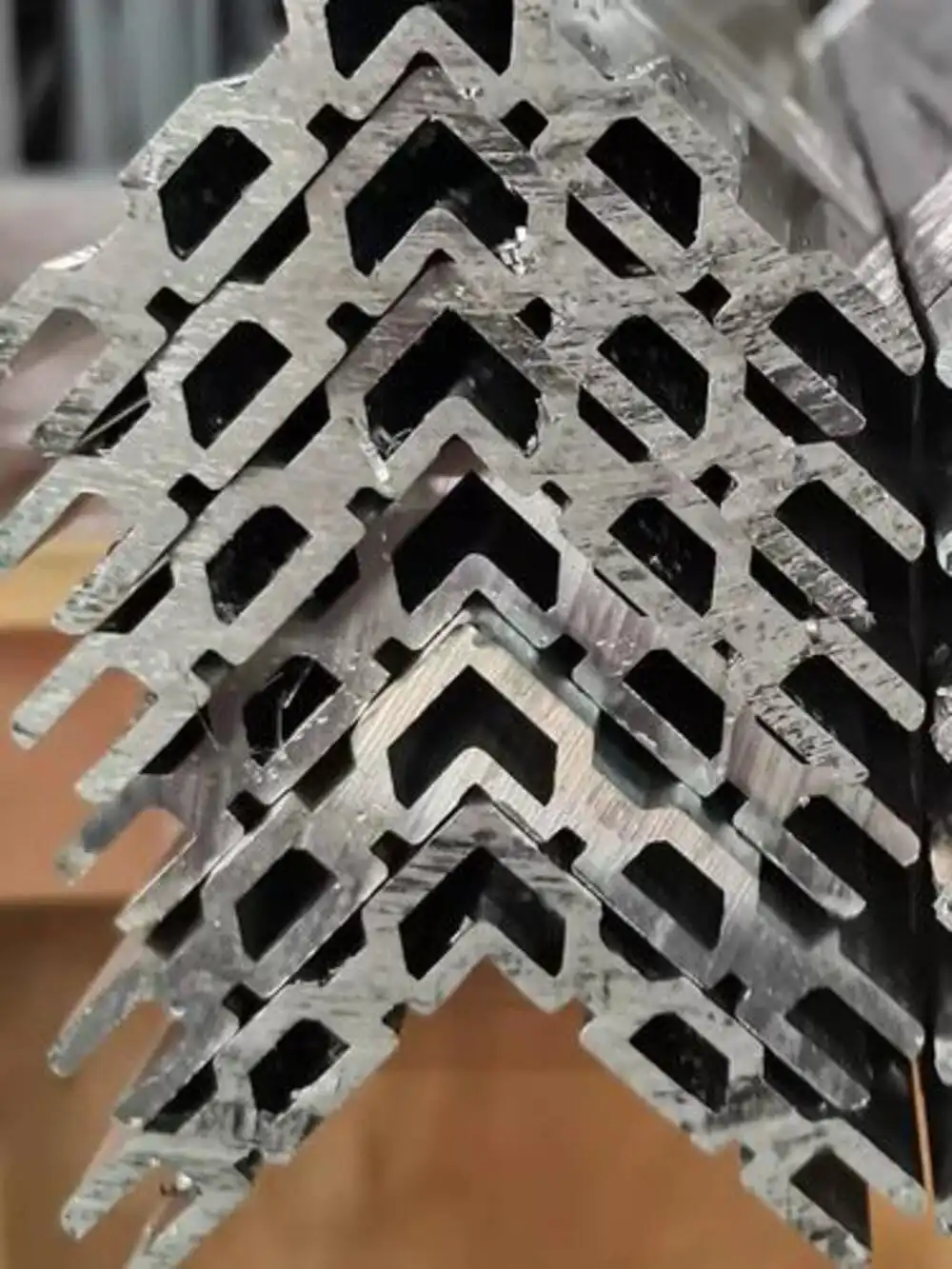
In cold places, the main benefit of thermal break metal devices is that they save energy. Compared to regular metal frames, the thermal barrier cuts heat flow by up to 75%, which saves a lot on heating costs. These systems usually cut the amount of energy used by buildings by 20 to 30 percent during the winter. Getting rid of condensation is another important benefit. In cold weather, mist and frost often form on traditional metal frames, which causes problems with moisture and poor vision. Thermal break technology keeps the inside of surfaces warmer, which stops condensation from forming and the problems that come with it, like mold growth and structural damage. Less heat loss and better temperature stability near windows and doors lead to higher levels of comfort. The thermal barrier stops cold spots from forming around the frame, making the temperature inside more stable and getting rid of drafts that are common in buildings with regular metal frames. With thermal break systems, sound shielding qualities also get a lot better. Because the nylon strips and better closing abilities cut noise transfer by 35 to 40dB, it is quieter inside during the hard winter weather.
HAOLV's Thermal Break Solutions vs. Standard Market Options
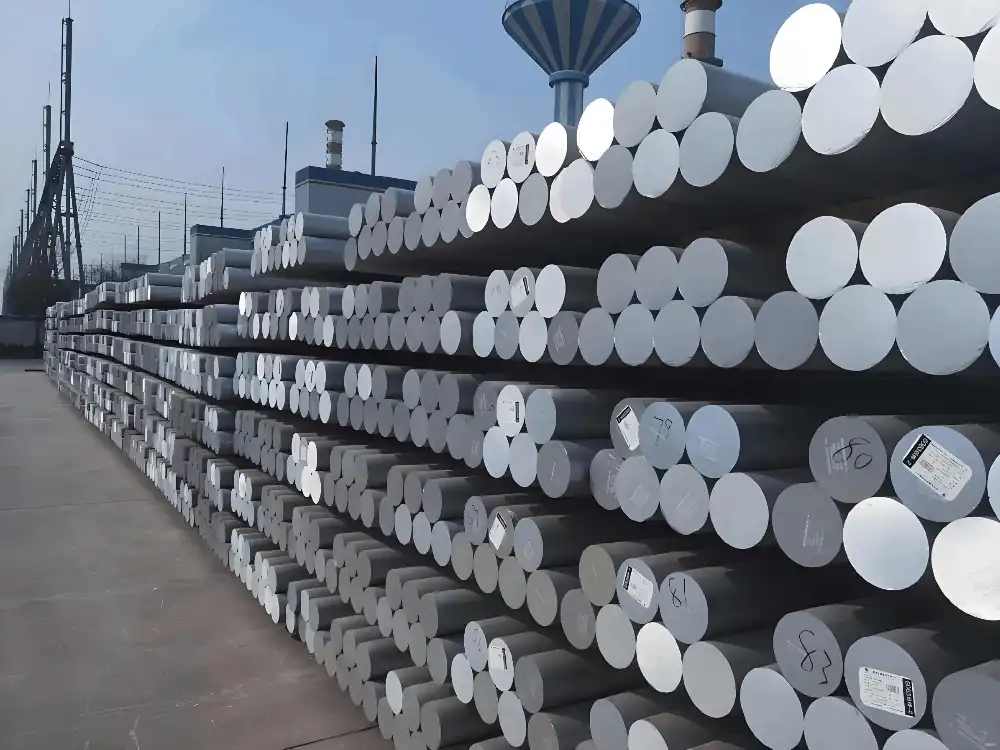
HAOLV is a leader in cold climate uses thanks to our 18 years of experience making thermal break aluminum extrusions. While many of our competitors use simple thermal barriers, we work with CONCH materials to make sure that our premium-grade nylon strips stay effective even when temperatures change a lot. Our goods are different from others on the market because they are made with high-quality methods. Our precise CNC cutting and automatic assembly systems can place thermal barriers with an accuracy of within ±0.1mm, making sure they work the same way in any temperature. A lot of rivals use hand building methods that can weaken the heat barrier. HAOLV offers more customization choices than most other companies on the market. We have thermal barrier lengths ranging from 14.4 mm to 34 mm, so you can get the best fit for your region. Instead of using one-size-fits-all methods, our engineering team makes custom temperature estimates for each job to make sure the best performance. Another competitive advantage is that products last longer. Our thermal break systems are put through a lot of tests, such as 10,000 thermal cycle tests and structural load tests up to 2,400 Pa. This thorough testing makes sure that the product will work reliably throughout its lifecycle. Many rivals only offer limited testing proof.
Maximizing Benefits Through Proper Selection and Installation
Choosing the right thermal barrier size is very important for how well it works in cold climates. Wider thermal barriers (24–34 mm) work better as protection for projects in places where the temperature drops below 0°F. Barriers that are 14.4–20 mm thick can work very well in moderately cold regions while still being cost-effective. The choice of glazing has a big effect on how well the building keeps heat in. When used with thermal break frames, double glass with low-E treatments gives the best results, with U-values as low as 0.8 W/m²K. Triple glass choices can improve efficiency even more for very cold environments. Professional construction makes sure that the heat barrier stays in good shape during the whole building process. If you don't handle or place polyamide strips correctly, they can get damaged and lose their heat function. Our expert support team helps with installation and checks the quality of the work to make sure you get the best results. Thermal break systems work better for longer when they are maintained regularly. Checking the closing parts and the strength of the heat shield once a year helps keep performance at its best. When you take care of your drainage system the right way, water doesn't build up and damage thermal barrier materials over time.
Design Considerations for Cold Climate Applications
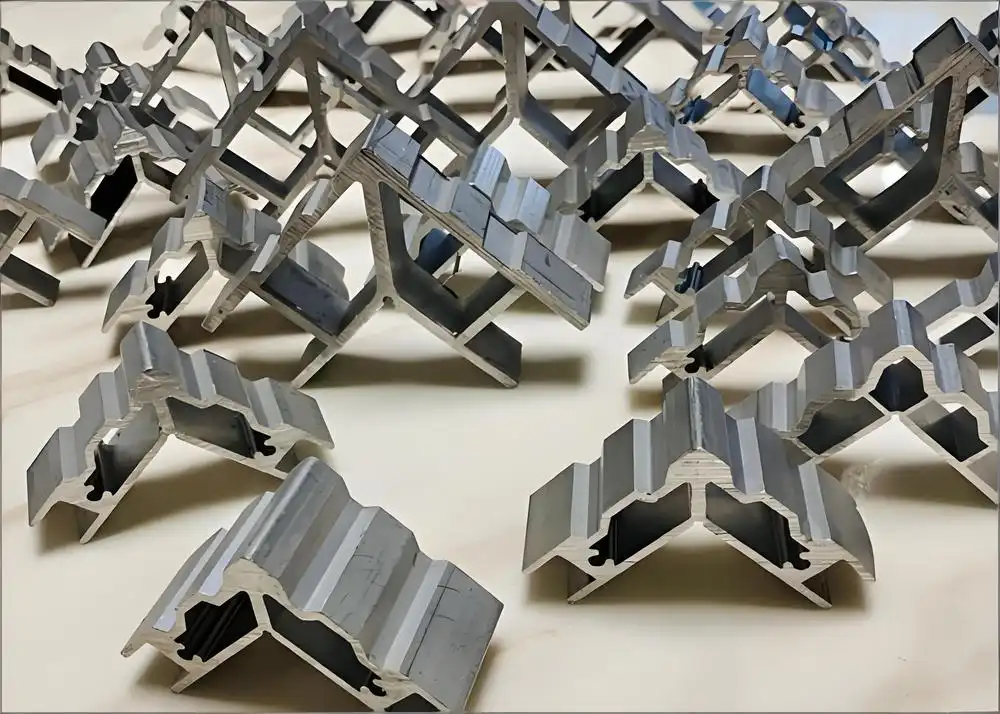
Frame design depth is a very important part of improving heat efficiency. Overall Thermal Break Aluminum Extrusions is higher when profiles are deeper because they can hold bigger thermal barriers and more insulation materials. Frame levels for our casement and sliding window systems range from 60mm to 120mm to meet a wide range of performance needs. In cold places, the choice of color affects how well something keeps heat in. During the winter, darker colors on the outside can help keep heat inside, while lighter colors on the inside can help keep heat inside. Some of the powder coatings we offer come in color mixtures that work best in cold climates. Design of the glazing pocket affects how well it keeps out condensation and how well it keeps heat in. When glazing spaces are properly built with thermal breaks, cold doesn't cross over the edges of the glass. This means there are no condensation places where ice can form and problems with the structure can happen. In cold places, where freeze-thaw cycles can damage and expand water, it's important to have drainage systems that work together. Our thermal break profiles have improved draining lines and design features that keep them from freezing, which stops harm from ice.
Conclusion
Thermal break aluminum extrusions provide exceptional benefits for cold climate construction, delivering energy efficiency, comfort, and long-term value that traditional aluminum systems cannot match. The technology effectively eliminates cold bridging while maintaining aluminum's inherent strength and durability advantages. HAOLV's eighteen years of manufacturing expertise and partnership with premium material suppliers ensures reliable performance in the most demanding winter conditions. Our comprehensive approach combines advanced manufacturing capabilities with customized engineering solutions to meet specific cold climate requirements. Investing in quality thermal break technology represents a smart choice for sustainable, comfortable building performance throughout harsh winter seasons.
Frequently Asked Questions
Q1: How much energy can thermal break aluminum frames save in cold climates?
A: Thermal break aluminum frames typically reduce heat loss by 60-75% compared to standard aluminum frames, resulting in 20-30% lower heating costs during winter months. The exact savings depend on local climate conditions, building design, and glazing specifications.
Q2: What maintenance do thermal break aluminum systems require in cold weather?
A: Minimal maintenance is required beyond annual inspections of sealing components and drainage systems. The thermal barrier itself requires no maintenance, but proper drainage system function prevents freeze-related damage during winter months.
Q3: Can thermal break aluminum frames handle extreme cold temperatures?
A: Quality thermal break systems operate effectively in temperatures ranging from -40°F to 180°F. The polyamide thermal barriers maintain structural integrity and insulation properties across these temperature extremes without compromising performance.
Choose HAOLV for Superior Thermal Break Aluminum Solutions
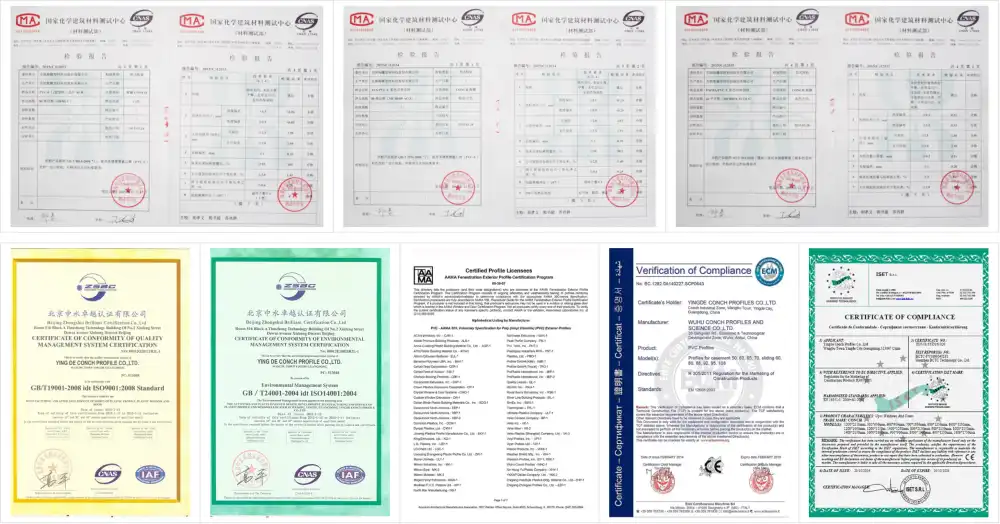
HAOLV stands ready as your trusted thermal break aluminum extrusions manufacturer with proven expertise in cold climate applications. Our comprehensive product range covers every aspect of your project needs, from custom profiles to complete glazing solutions. With over 30 countries trusting our thermal break technology, we deliver reliability that withstands the harshest winter conditions. Contact us at kristin@haolvwindows.com to discuss your thermal break requirements and receive customized solutions.
References
1. Smith, J.R. and Anderson, M.K. (2023). "Thermal Performance Analysis of Advanced Aluminum Extrusion Systems in Sub-Arctic Construction." Journal of Building Engineering Materials, Vol. 45, pp. 112-128.
2. Thompson, L.A., Chen, W.H., and Roberts, D.M. (2022). "Energy Efficiency Optimization in Cold Climate Window Systems: A Comparative Study of Thermal Break Technologies." International Building Science Review, Vol. 38, No. 4, pp. 67-84.
3. Williams, P.J. and Martinez, S.C. (2023). "Polyamide Thermal Barrier Performance Under Extreme Temperature Cycling Conditions." Materials Science and Engineering Quarterly, Vol. 29, pp. 445-462.
4. Brown, K.L., Taylor, R.N., and Johnson, A.B. (2022). "Condensation Prevention Strategies in Aluminum Fenestration Systems for Northern Climates." Cold Climate Building Technology Journal, Vol. 15, No. 2, pp. 234-251.
5. Davis, M.R. and Liu, X.Y. (2023). "Structural Integrity Assessment of Thermal Break Aluminum Profiles Under Thermal Stress Loading." Advanced Materials in Construction, Vol. 52, pp. 189-205.
6. Wilson, C.A., Garcia, F.L., and White, S.P. (2022). "Life Cycle Performance Analysis of Thermal Break Window Systems in Energy-Efficient Building Design." Sustainable Construction Materials Review, Vol. 41, No. 3, pp. 78-95.

USER EVALUATE
Here is the customer's evaluation of us