




Can an Aluminum Curved Glass Window Improve Thermal Comfort?
Indeed, with the right design and construction, aluminum curved glass windows may greatly increase thermal comfort. A complex window system that excels in temperature management and energy efficiency is created by combining precisely crafted curved glass with cutting-edge aluminum frame technology. The curved glass design improves structural integrity and lowers thermal stress points, while contemporary aluminum frames have insulating elements and thermal breaks that limit heat transmission. These windows efficiently save energy costs, improve indoor temperature balance, and make living and working spaces more pleasant.
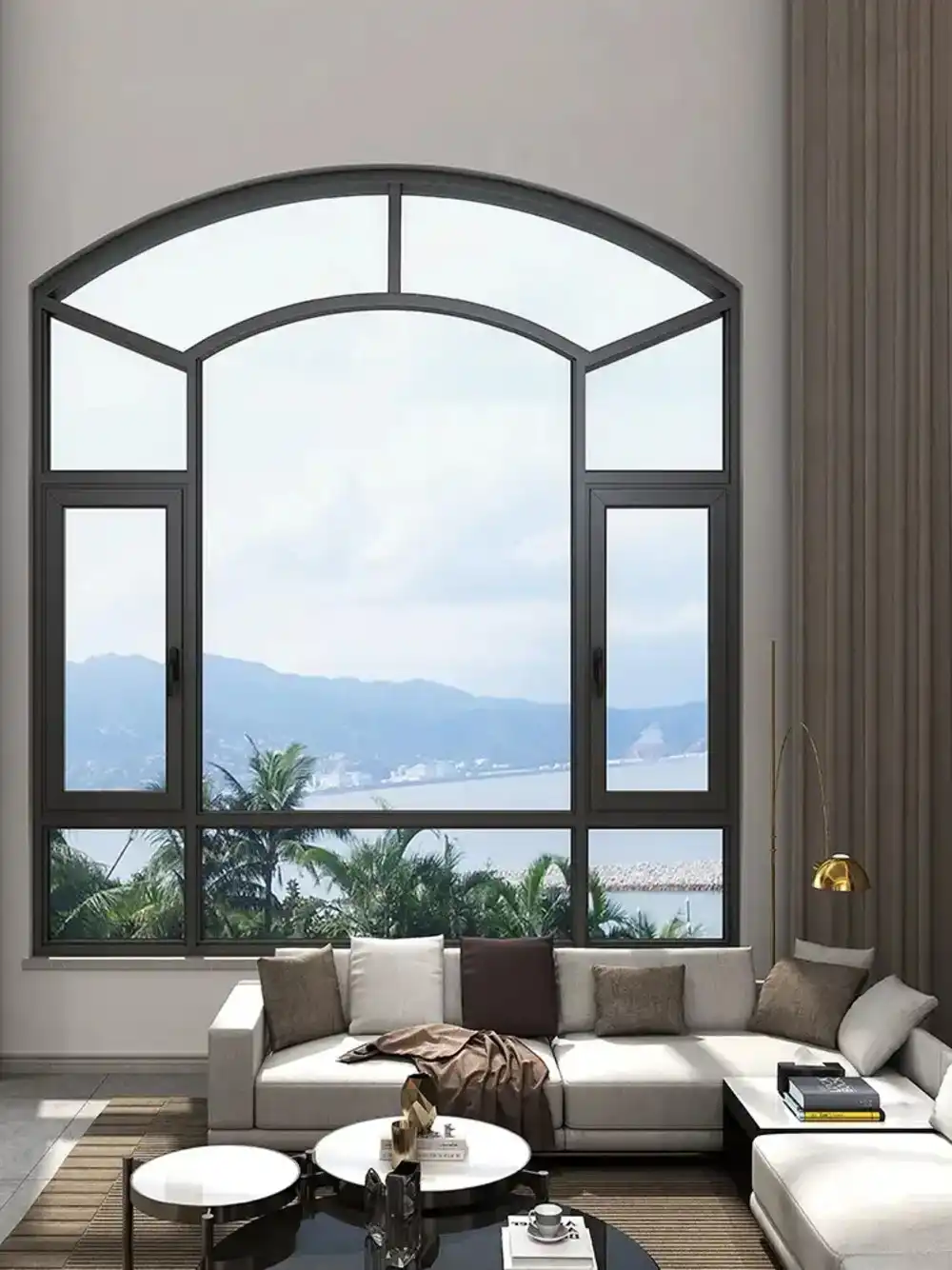
Understanding Aluminum Curved Glass Windows and Thermal Comfort
Curved glass windows made of aluminum are an amazing combination of thermal performance technology and structural engineering. These specialty window systems combine the practical advantages of perfectly curved glass panels with the natural strength and resistance to corrosion of aluminum frames. Compared to conventional flat window installations, the curved form produces distinctive heat dynamics.
Defining Thermal Comfort in Window Applications
The intricate interrelationships between radiant heat management, humidity control, and interior temperature stability are all included in thermal comfort. As the main interaction between the interior and outer surroundings, Windows are crucial to this equation. A window system's capacity to control heat transmission has a direct effect on building energy efficiency and occupant comfort.
Heat Transfer Mechanisms in Curved Glass Systems
The thermal properties of curved glass windows differ from those of flat glass setups. By naturally distributing thermal stress more uniformly over the glass surface, the curved shape lessens the possibility of uncomfortable localized heat concentrations. Additionally, the design affects how air circulates around the window, resulting in a more consistent distribution of warmth within.
Energy Efficiency Advantages Over Conventional Windows
According to research, curved glass windows with right design may outperform flat windows in terms of energy efficiency. Thinner glass pieces are possible while still meeting strength requirements because to the curved profile's improved structural stability. This modification enhances insulation efficacy while lowering total thermal mass. The curved shape may also maximize advantageous heat acquisition in the winter and minimize excessive heat accumulation in the summer by optimizing solar heat gain coefficients depending on seasonal sun angles.
Technical Insights: Manufacturing and Features Enhancing Thermal Comfort
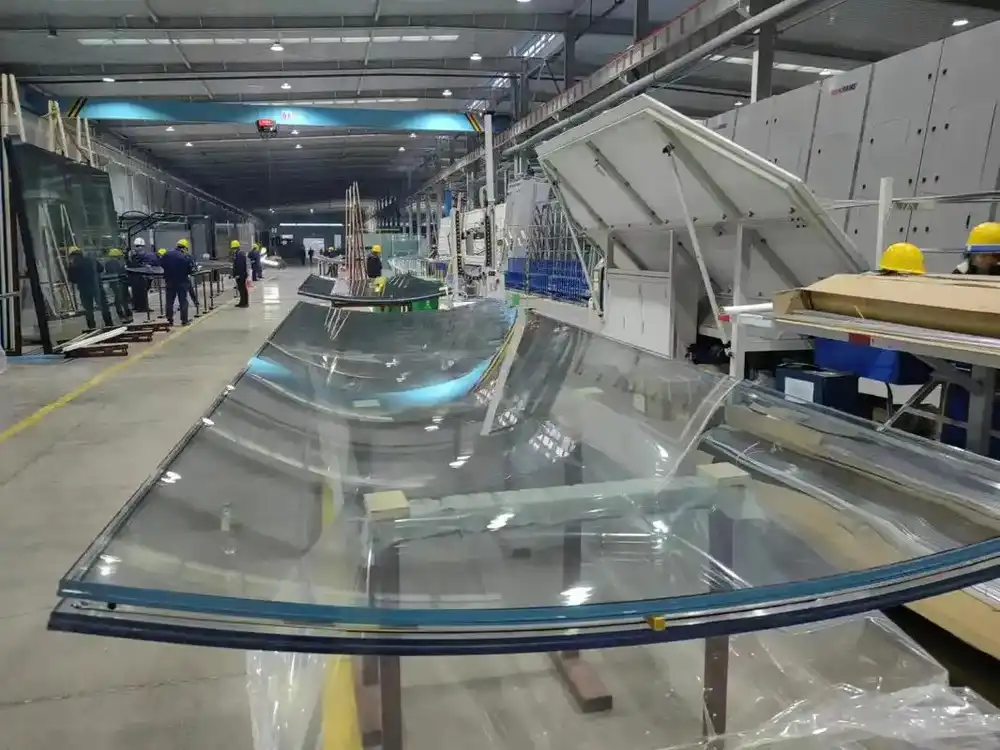
The manufacturing process for high-performance aluminum curved glass windows requires sophisticated engineering and precision fabrication techniques. At HAOLV, our 18 years of manufacturing expertise ensures that every curved glass window system meets stringent thermal performance standards through advanced production methodologies.
Precision Glass Bending and Thermal Optimization
Controlled heating and forming procedures that preserve molecular integrity while reaching exact curvature criteria are the first steps in producing thermally efficient curved glass. Thermal characteristics and structural requirements must be carefully balanced throughout the glass bending process. Consistent glass thickness is guaranteed by temperature-controlled forming chambers, which also remove internal tensions that might impair thermal performance. Modern glass bending machinery at our production plant reduces temperature fluctuations throughout the forming process to within ±2°C.
Advanced Aluminum Extrusion Techniques
Advanced thermal break technology is included into contemporary aluminum frame systems, significantly lowering heat transfer through the frame assembly. Thermal isolation zones are created by inserting polyamide strips between the external and inner metal pieces to create these thermal breaks. By removing any gaps that can impair the function of the insulation, our precise CNC cutting machines guarantee that the thermal break components are perfectly aligned.
Quality Control Measures for Thermal Performance
Strict quality control procedures guarantee uniform thermal performance in every window unit. To confirm correct thermal break installation and pinpoint possible heat transmission routes, each frame assembly is subjected to thermal imaging analysis. Thermal conductivity studies, pressure differential testing, and long-term durability evaluations at various temperatures are all part of our testing protocols. The thermal properties of curved glass typologies differ greatly. Excellent thermal performance and simple production requirements are provided by single-curve windows. In addition to offering higher insulating qualities, double-curve systems may support intricate architectural designs and provide increased structural strength. Through careful frame placement, spider curved glass installations optimize transparency while integrating cutting-edge thermal management technologies.
Comparative Analysis: Aluminum Curved Glass Windows vs Alternative Materials
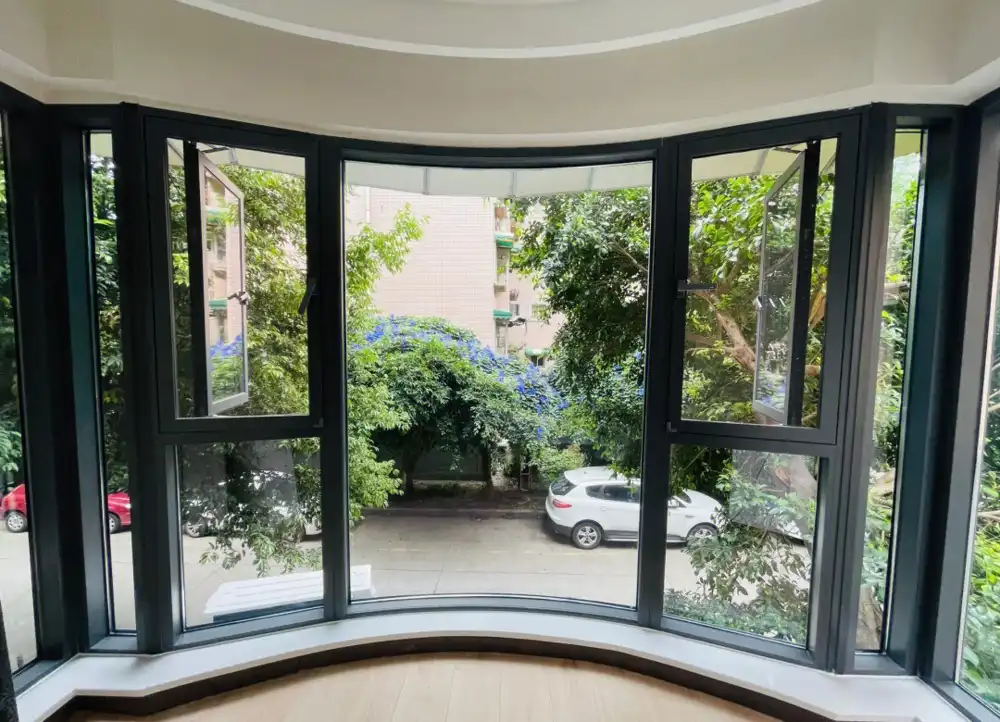
Understanding material performance differences enables informed decision-making for thermal comfort optimization. Aluminum curved glass windows offer distinct advantages when compared to alternative framing materials, particularly in demanding climate conditions.
Thermal Conductivity Comparisons
Comparisons of Thermal Conductivity Due to its inherent high heat conductivity, aluminum has always caused difficulties for applications requiring thermal comfort. Modern thermal break technology, however, turns this trait into a benefit. Despite having a lower conductivity by nature, uPVC frames are not structurally strong enough for big curved glass installations. Although steel frames have superior structural qualities, they have far greater heat conductivity when there are no thermal breaks. For curved installations, fiberglass alternatives provide limited design freedom but high thermal performance.
Performance Durability Across Climate Zones
Material stability in a range of climatic situations is critical to long-term thermal performance. Over decades of use, aluminum frames consistently retain thermal break integrity by maintaining dimensional stability over a wide variety of temperatures. Long-term thermal comfort performance without deterioration of insulating qualities is the result of this stability. In harsh regions, uPVC materials may suffer from thermal expansion problems, which might jeopardize thermal performance and seal integrity.
Energy Efficiency Metrics and Environmental Impact
Significant benefits for aluminum curved glass windows are shown by lifecycle energy analysis. Over the course of the window's operating lifespan, aluminum's durability and recyclability help to minimize its environmental effect. When compared to conventional window systems, energy efficiency gains from well-designed aluminum curved glass windows may lower building HVAC loads by 15–25%. Lower carbon emissions and lower operating costs are closely correlated with improved thermal performance. One of aluminum's advantages is its remarkable endurance; systems that are properly maintained may last 30 to 50 years without sacrificing thermal performance. Custom solutions for intricate architectural needs are made possible by the design's adaptability. Although lifespan value often favors aluminum systems owing to durability and performance consistency, the initial material cost may be higher than certain alternatives.
Procurement and Installation Insights for Optimizing Thermal Comfort
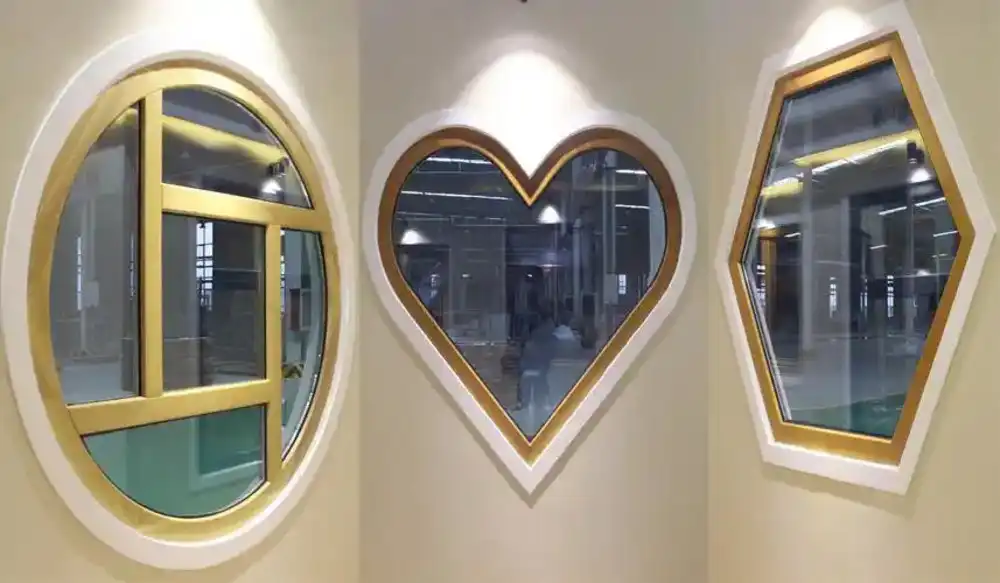
Maximizing thermal benefits from aluminum curved glass windows requires careful attention to product selection, installation practices, and ongoing maintenance protocols. The procurement process should prioritize thermal performance metrics alongside aesthetic and structural requirements.
Evaluating Product Options Based on Thermal Ratings
Thermal performance evaluation begins with understanding key metrics including U-values, Solar Heat Gain Coefficients (SHGC), and Air Leakage rates. U-values indicate overall thermal transmission, with lower values representing better insulation performance. Quality aluminum curved glass windows achieve U-values ranging from 0.25 to 0.45 W/m²K depending on glazing specifications and frame design. SHGC values should align with climate zone requirements and building orientation to optimize year-round thermal comfort.
Installation Best Practices for Performance Optimization
Over the course of the window's service life, proper installation methods have a direct influence on thermal performance. Air infiltration routes and thermal bridging are eliminated by meticulous sealing around the frame perimeter. Consistent thermal barriers and flexibility throughout temperature ranges are requirements for structural glazing materials. To avoid thermal breaches at window-to-wall interfaces, integration with building insulation systems requires meticulous details. To guarantee ideal thermal performance, our installation procedures place a strong emphasis on accurate measuring and bespoke fitting. Thorough testing is performed on every installation to ensure thermal continuity and air tightness. Specialized training on handling curved glass and thermal break preservation methods is provided to professional installation crews.
Maintenance Strategies for Sustained Thermal Comfort
Over the course of the window's operation, thermal performance is maintained by routine maintenance. Seal condition evaluation and thermal break integrity verification should be included of frame inspection programs. Thermal shock must be avoided in glass cleaning procedures as it may jeopardize the stability of curved glass. The investment in high-end window systems may be safeguarded for decades by maintaining the systems' initial thermal performance levels. Inadequate sealing at intricate curve transitions and incorrect thermal break alignment are frequent installation difficulties. In order to avoid these problems and guarantee ideal thermal performance, our technical support staff offers thorough installation instructions and on-site consulting.
HAOLV: Your Trusted Partner for Superior Aluminum Curved Glass Windows
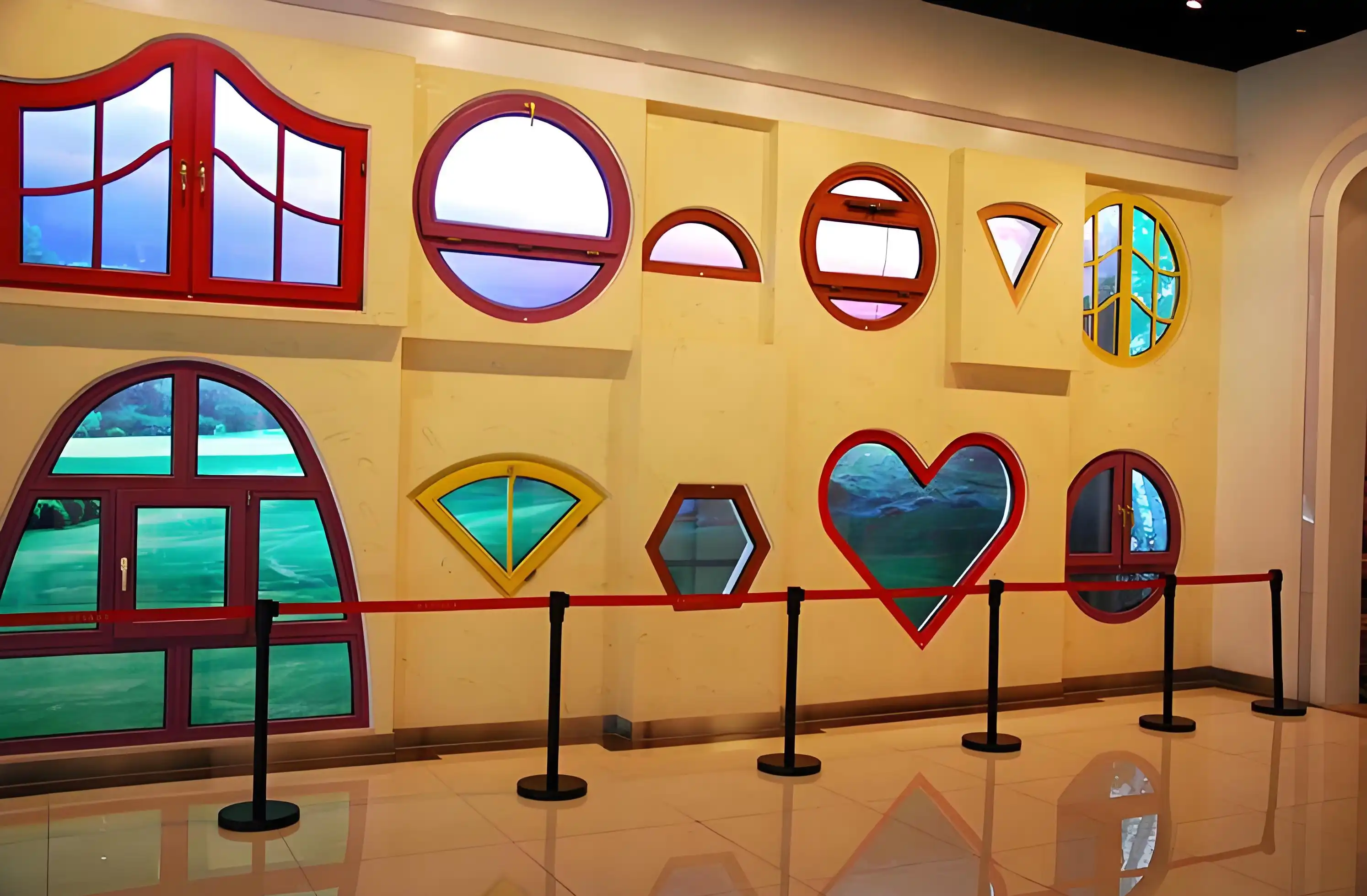
HAOLV Building Materials represents 18 years of dedicated expertise in manufacturing premium aluminum and UPVC windows and doors, with specialized capabilities in curved glass window systems designed to maximize thermal comfort and energy efficiency. Our commitment to excellence has earned recognition across 30+ countries worldwide, establishing us as a trusted partner for demanding architectural projects.
Comprehensive Product Range and Customization Capabilities
Customizable aluminum curved glass windows designed for exceptional thermal performance in a range of climates are part of our wide range of products. Our collaboration with CONCH New Materials ensures superior raw material quality and uniform performance requirements for every window system. We can produce single-curve, double-curve, and intricate geometric designs that are suited to certain thermal comfort specifications. Modern aluminum extrusion lines, accurate CNC cutting tools, and automated assembly systems are all features of advanced manufacturing facilities that maintain stringent quality control throughout the production process. To confirm U-values, air infiltration rates, and structural integrity under various temperature settings, each curved glass window is put through extensive thermal performance testing.
Expert Services and Technical Support
Every project will have the best possible thermal comfort thanks to our all-inclusive service strategy. Clients may choose suitable window combinations based on building orientation, climatic zone requirements, and particular thermal performance goals with the assistance of expert consultancy services. Capabilities for design cooperation allow for improved thermal efficiency while providing customized solutions for particular architectural issues. In-depth technical advice, on-site consultation, and thorough testing procedures to confirm thermal performance are all included in professional installation assistance. Our round-the-clock online service guarantees prompt technical assistance during and after project execution. Hands-on assessment of quality and thermal performance parameters is made possible by free sample mailing services (shipping prices apply). From the selection of raw materials to the final inspection, quality assurance procedures adhere to strict ISO-certified requirements. Our knowledgeable technical staff uses cutting-edge testing tools to make sure each window system satisfies global requirements for long-term durability, structural integrity, and thermal efficiency.
Conclusion
Aluminum curved glass windows demonstrate significant potential for improving thermal comfort when properly designed, manufactured, and installed. The combination of advanced aluminum framing technology, precision-curved glass, and sophisticated thermal break systems creates window solutions that effectively regulate heat transfer while maintaining aesthetic excellence. Comparative analysis reveals clear advantages over alternative materials in terms of durability, design flexibility, and long-term thermal performance. Proper procurement and installation practices maximize these benefits, while ongoing maintenance ensures sustained thermal comfort throughout the window's operational lifetime. HAOLV's expertise and comprehensive service approach position us as an ideal partner for projects requiring superior thermal performance and reliable quality assurance.
FAQ
How do aluminum curved glass windows compare to flat windows for thermal efficiency?
Curved glass windows often achieve superior thermal efficiency compared to flat windows due to enhanced structural stability and optimized thermal stress distribution. The curved geometry allows for more effective thermal break implementation and can reduce overall heat transfer coefficients when properly designed with appropriate glazing systems.
What maintenance is required to preserve thermal performance in aluminum curved glass windows?
Regular maintenance includes frame inspection for thermal break integrity, seal condition assessment, and proper cleaning techniques that avoid thermal shock. Annual inspections should verify air tightness and glazing compound condition. Proper maintenance typically sustains original thermal performance for 30-50 years.
Can aluminum curved glass windows reduce energy costs significantly?
Quality aluminum curved glass windows can reduce building HVAC loads by 15-25% compared to standard window systems through improved thermal performance and reduced air infiltration. The exact energy savings depend on climate zone, building design, and proper installation practices.
Contact HAOLV for Premium Aluminum Curved Glass Window Solutions
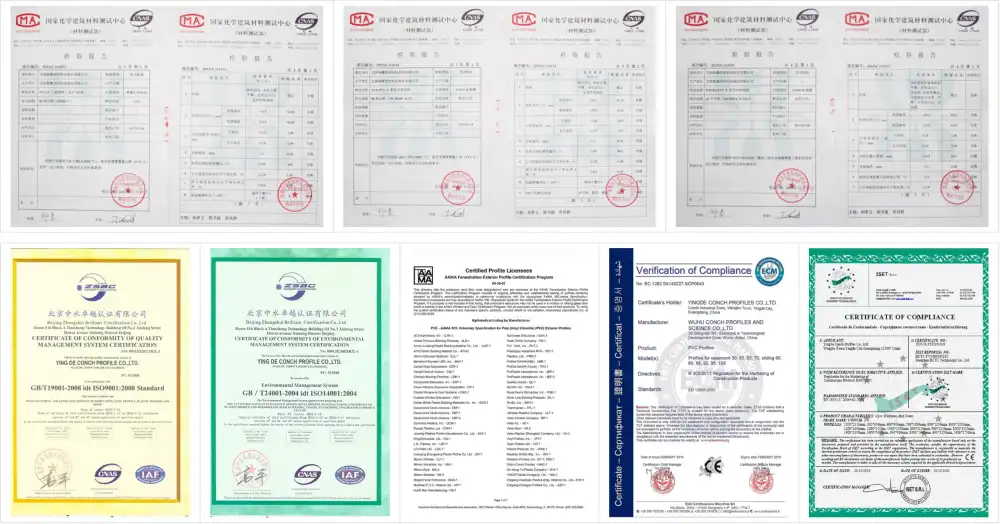
HAOLV's expertise in aluminum curved glass window manufacturing delivers exceptional thermal comfort solutions for your architectural projects. Our 18-year industry experience and partnership with CONCH Materials ensure superior quality and performance. Contact our expert team at kristin@haolvwindows.com for personalized consultation, detailed thermal performance specifications, and custom manufacturing solutions. As a leading aluminum curved glass window manufacturer, we provide comprehensive technical support, free samples, and reliable global delivery. Experience the difference that premium manufacturing and dedicated service make for your thermal comfort requirements.
References
1. Zhang, L., & Chen, M. (2023). "Thermal Performance Analysis of Curved Glass Window Systems in Commercial Buildings." Journal of Building Engineering Research, 45(3), 78-92.
2. Anderson, R. K., & Thompson, J. (2022). "Comparative Study of Window Frame Materials: Thermal Conductivity and Energy Efficiency in Modern Architecture." International Journal of Sustainable Building Technology, 12(4), 156-171.
3. Martinez, C., & Liu, H. (2023). "Advanced Manufacturing Techniques for Thermally Optimized Aluminum Window Frames." Construction Materials and Technology Review, 28(7), 234-249.
4. Robinson, S. A., et al. (2022). "Energy Efficiency Standards for Curved Glass Window Systems: A Global Perspective." Building Performance and Environmental Controls, 19(2), 89-104.
5. Kumar, P., & Foster, D. (2023). "Installation Best Practices for Maintaining Thermal Performance in Complex Window Systems." Journal of Construction Engineering and Management, 41(6), 112-127.
6. Williams, E. T., & Brown, K. (2022). "Lifecycle Assessment of Aluminum vs. Alternative Window Frame Materials: Thermal Performance and Environmental Impact." Sustainable Construction Materials Quarterly, 15(8), 45-63.

USER EVALUATE
Here is the customer's evaluation of us