




Contemporary Curtain Wall Architecture: Key Features Every Architect Should Know
Modern construction methods have been revolutionized by the innovative approach to building envelope design embodied by contemporary curtain wall architecture. These non-structural cladding systems provide architects with previously unheard-of design freedom and excellent performance qualities since they are made of lightweight panels and supporting frames. In order to produce building facades that are both aesthetically pleasing and practically effective, modern curtain wall systems include cutting-edge materials such as aluminum frame, high-performance glass, and creative composite parts.

Understanding Contemporary Curtain Wall Architecture
Evolution from Traditional Facades to Modern Systems
The evolution of curtain wall technology represents a substantial shift from conventional outside load-bearing walls. Modern curtain walls are separate systems that hang from the building's structural structure, in contrast to traditional masonry or concrete facades. This essential distinction enables architects to produce dramatic visual effects, more open interior spaces, and wider window openings than previously feasible with conventional building techniques. Modern curtain wall systems have developed to include complex technical solutions that concurrently address structural integrity, thermal performance, and aesthetic criteria. The creation of highly customized curtain wall pieces that can suit intricate geometries and distinctive architectural ideas has been made possible by the combination of computer-aided design and modern manufacturing processes.
Key Structural and Design Features
There are a number of unique features that distinguish modern curtain wall systems from traditional building envelopes. Because these systems are lightweight, they lessen the total structural load on buildings, enabling more effective structural designs and perhaps lowering construction costs. Curtain wall design that is modular allows for quick installation as well as future maintenance or adjustments. Curtain walls' non-structural qualities provide architects a great deal of creative latitude. Complex curved surfaces, dramatic cantilevers, and continuous ribbons of windows are all conceivable on building facades that are very difficult or impossible to accomplish with conventional wall systems. Because of this adaptability, famous architectural monuments that have completely changed metropolitan skylines throughout the globe have been made possible.
Modularity and Design Flexibility Benefits
Modern curtain wall systems' modular design concepts have several benefits for building owners and designers alike. While preserving the capacity to provide distinctive architectural expressions, standardized connection details and component sizes enable effective production and installation procedures. Because separate panels or parts may be changed without impacting nearby regions, this modularity also makes future updates or renovations easier. Design flexibility includes practical needs in addition to aesthetic concerns. Signage mounting points, maintenance access panels, and ventilation grilles are just a few of the building services that curtain wall systems may include. Architects are able to accommodate essential building operations while maintaining neat, continuous facade designs because to this integration capabilities.
Key Benefits of Curtain Walls in Modern Buildings

Energy Efficiency and Sustainable Design
Modern curtain wall systems are essential for creating high-performance building envelopes that support sustainability and energy efficiency objectives. Multi-layer insulated units and low-emissivity coatings are examples of advanced glazing technologies that dramatically lower heat transmission through the building envelope. Energy use for heating and cooling may be significantly decreased as a consequence of these thermal performance enhancements. Building efficiency is further improved when daylight optimization techniques are included into curtain wall design. Glare and solar heat gain may be reduced and natural light penetration increased with carefully planned glass arrangements. This balanced approach to daylighting makes interior spaces more pleasant for building occupants while lowering the need for artificial illumination. The incorporation of renewable energy technology is also supported by Contemporary curtain wall architecture systems. Curtain wall designs may easily use building-integrated photovoltaic panels to create facades that produce power without compromising architectural integrity.
Aesthetic Value and Urban Impact
Modern curtain wall architecture has an effect on large metropolitan landscapes in addition to individual structures. Large expanses of windows and smooth, continuous surfaces have made it possible for architects to develop structures that seem to defy gravity and subvert conventional ideas of mass and weight in architecture. There are many options for surface treatments, colors, and textures available with modern curtain walls. The development of dynamic facades that may contain intricate graphic elements or alter look during the day is made possible by advanced coating technologies and digital printing processes. New possibilities for architectural expression and brand identity integration have been made possible by these capabilities.
Performance Advantages in Weather Resistance
In difficult environmental circumstances, contemporary curtain wall systems function very well. High-performance sealants and structural glazing are examples of advanced weathering technologies that provide building envelopes that successfully withstand seismic stresses, temperature changes, and wind-driven rain. With carefully planned expansion joints and flexible connections, the engineering approach to curtain wall design makes it possible to precisely calculate thermal motions and accommodate them. Another important benefit of modern curtain wall systems is their ability to insulate sound. Curtain wall structures are appropriate for urban settings with high ambient noise levels because multi-layer glass units and intricate frame designs may produce high degrees of acoustic isolation.
Materials and Types of Contemporary Curtain Wall Systems

Aluminum vs. Steel Framing Comparison
A key choice in the design of a curtain wall system is the choice of frame materials. Excellent corrosion resistance, lightweight design, and simplicity of manufacturing are just a few benefits of aluminum frame systems. Aluminum's strong thermal conductivity may result in thermal bridges that impair energy performance, therefore its thermal characteristics must be carefully considered. This issue is addressed by cutting-edge aluminum curtain wall systems that use thermal break technology to disrupt heat transmission pathways. Larger panel sizes and more stringent wind load requirements may be accommodated by steel frame systems, which also provide higher structural strength. Steel is appropriate for situations where structural performance is crucial due to its superior strength-to-weight ratio. However, steel systems tend to be heavier overall and need more comprehensive corrosion prevention methods. Our curtain wall systems use the best frame materials available thanks to HAOLV's eighteen years of expertise dealing with premium aluminum suppliers, including our cooperation with CONCH materials. We can provide cheap pricing for large-scale projects while maintaining consistent quality because to our established supply chain advantage.
Advanced Glazing Technologies and Options
Advanced glazing technologies are included into modern curtain wall systems, which perform significantly better than traditional window systems. Low-emissivity coatings regulate radiant heat transmission selectively, and argon or krypton gas fills in insulated glass units improve thermal insulation. By combining these technologies, glazing systems that achieve thermal performance levels that are comparable to opaque wall systems may be produced while maintaining visual transparency. Laminated glazing choices provide potential for ornamental interlayers and unique functional coatings, as well as improved safety and security performance. Solar heat gain and privacy levels may be dynamically controlled using smart glass technologies, such as thermochromic and electrochromic systems.
Stick vs. Unitized System Installation Methods
Curtain wall system installation techniques have a big influence on project budgets, timetables, and quality assurance. In stick systems, curtain wall components are assembled piece by piece directly on the building frame. Although this method allows for the most flexibility in adapting to field circumstances and design changes, it requires more thorough on-site coordination and quality control procedures. Complete curtain wall panels are pre-assembled in regulated manufacturing settings as part of unitized curtain wall systems. By installing these completely constructed devices as individual parts, quality control is enhanced and on-site installation time is significantly decreased. More accurate manufacturing tolerances and thorough pre-installation testing are made possible by the factory assembly process. The manufacture of stick and unitized curtain wall systems is made possible by HAOLV's state-of-the-art manufacturing facilities. Regardless of the installation technique chosen for your project, our automated assembly systems and precise CNC cutting equipment guarantee constant quality.
Procurement Considerations for Contemporary Curtain Wall Systems

Supplier Selection and Quality Assurance Criteria
A thorough assessment of production capabilities, quality processes, and project experience is necessary when choosing curtain wall providers. Suppliers that can exhibit proficiency in engineering analysis, design development, and precision production are essential to the success of curtain wall projects. Comprehensive testing procedures for thermal performance, weathering resistance, and structural performance should be part of quality assurance systems. Capabilities of manufacturing facilities are important considerations while assessing suppliers. Precision cutting tools, automated assembly systems, and advanced extrusion capabilities all support reliable product quality and effective production schedules. Additional assurance about supplier capabilities is provided by the availability of certified quality management systems and internal testing facilities. Every step of manufacturing is guaranteed to satisfy worldwide standards for strength, durability, and aesthetic superiority according to HAOLV's ISO-certified quality management standards. Large-scale curtain wall projects need quality assurance, which is provided by our thorough testing procedures and knowledgeable technical staff.
Cost Optimization and Bulk Purchasing Strategies
Modern curtain wall systems are expensive investments that need to be carefully managed at every stage of the acquisition process, particularly in contemporary curtain wall architecture, where design complexity, material performance, and long-term value are closely interconnected. Purchasing in bulk may result in significant cost savings, especially for projects with standardized component sizes and repeating panel designs. Value engineering options that may maximize both performance and cost are made possible by early supplier interaction throughout the design development process. The ability to customize is crucial for cost efficiency. Better value propositions are provided by suppliers who can meet project-specific needs without requiring specialist production techniques or a large amount of bespoke tooling. By eliminating the need for separate building components, curtain wall systems' capacity to combine various building functions may also result in cost savings. HAOLV can provide one-stop solutions that minimize project costs and expedite procurement procedures thanks to our extensive product range and rich customisation capabilities. Project coordination is made easier and procurement complexity is decreased when window frames, glass, and accessories are integrated under a single supplier relationship.
Technical Support and Professional Installation Requirements
Modern curtain wall systems need extensive assistance throughout the design, procurement, and installation stages due to their technological complexity. During the design process, suppliers should provide professional advice on structural analysis, thermal modeling, and constructability evaluations. The effective integration of curtain wall systems with other building systems and their optimization for project-specific needs are made possible by this technical assistance. For curtain wall projects to be successful, professional installation services are essential. Installing a curtain wall requires accuracy, which calls for specific tools and skilled construction crews. Certified installer networks or installation services offered by suppliers aid in ensuring that curtain wall systems operate as intended and adhere to project timeline specifications.
HAOLV: Your Trusted Partner for Contemporary Curtain Wall Solutions

Company Expertise and Global Experience
Modern curtain wall projects benefit from HAOLV Building Materials' more than eighteen years of specialist knowledge with aluminum and UPVC building envelope systems. Our ability to suit a variety of climatic needs and international construction regulations is shown by our wide worldwide presence, with goods shipped to over thirty countries. Our knowledge of regional preferences and legal requirements that affect curtain wall design and specification choices has improved as a result of this global experience. Modern extrusion lines, precise CNC cutting equipment, and automated assembly systems are all integrated into our manufacturing facilities to guarantee reliable quality and effective production schedules. Our extensive production capabilities, which span from material processing to final assembly, provide us total control over delivery timelines and quality.
Comprehensive Product Portfolio and Services
HAOLV provides a wide selection of curtain wall options designed to satisfy various practical and architectural needs. Our product line includes stick systems designed for intricate geometries, unitized curtain wall systems appropriate for high-rise installations, and specialty glazing solutions for particular architectural difficulties. Architects have complete building envelope options because to the combination of sunroom and curtain wall capabilities. In addition to providing products, we also provide thorough technical assistance throughout the duration of projects. The following are our integrated service approach's main benefits:
- Customized Design Services: Our engineering team works directly with architects and designers to develop curtain wall solutions that meet specific project requirements while optimizing performance and cost considerations.
- One-Stop Product Integration: The ability to source window frames, glazing systems, and accessories through a single supplier relationship streamlines procurement and ensures component compatibility.
- Free Technical Consultation: Our experienced technical team provides complimentary design consultation and solution development services that help optimize curtain wall specifications for specific applications.
- Sample and Prototyping Support: Free sample shipping services enable architects and specifiers to evaluate material quality and appearance before making final selection decisions.
- Comprehensive Project Support: Full-process project follow-up services ensure that curtain wall systems are properly specified, manufactured, and installed according to project requirements.
These comprehensive service capabilities address the complex coordination requirements inherent in Contemporary curtain wall architecture and provide the technical expertise necessary for successful project outcomes.
Quality Assurance and Technical Innovation
HAOLV's commitment to quality excellence is demonstrated through our rigorous quality management systems and comprehensive testing protocols. Our partnership with CONCH New Materials provides access to premium raw materials that meet the highest industry standards for strength, durability, and environmental performance. This material quality foundation ensures that our curtain wall systems deliver long-term performance and aesthetic retention. Our investment in advanced manufacturing technology and continuous process improvement initiatives ensures that HAOLV remains at the forefront of curtain wall innovation. The integration of precision manufacturing capabilities with flexible customization options enables us to meet the demanding requirements of contemporary architectural projects while maintaining competitive cost structures.
Conclusion
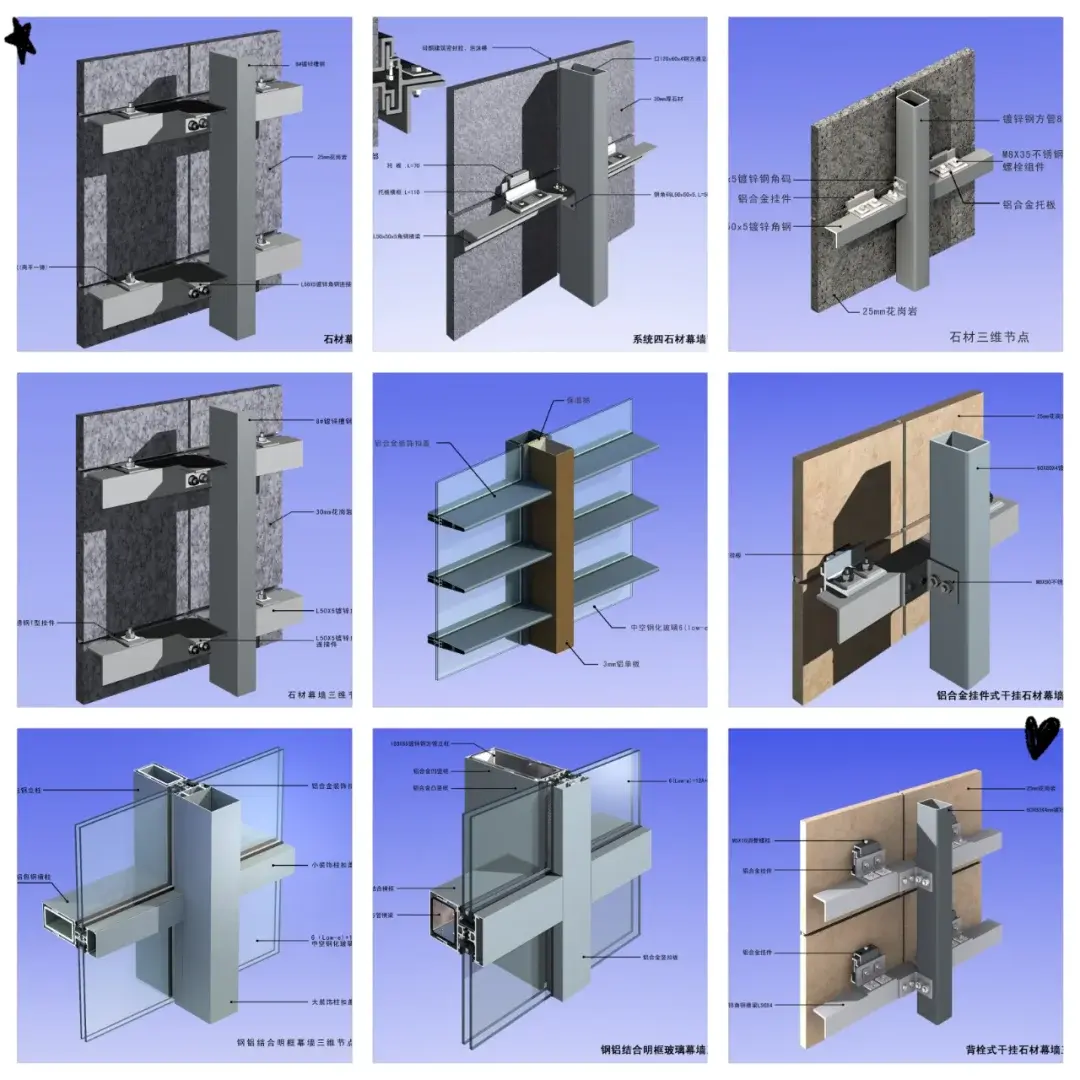
Contemporary curtain wall architecture represents a fundamental advancement in building envelope technology that offers architects unprecedented design possibilities while delivering superior performance characteristics. The integration of advanced materials, sophisticated engineering solutions, and precision manufacturing techniques has created curtain wall systems that excel in energy efficiency, aesthetic appeal, and long-term durability. Understanding the key features and benefits of these systems enables architects to make informed decisions that optimize both design outcomes and building performance. The continued evolution of curtain wall technology promises even greater capabilities and design opportunities for future architectural projects.
FAQ
What makes contemporary curtain walls superior to traditional building facades?
Contemporary curtain wall systems offer several significant advantages over traditional building facades. The lightweight, non-structural design reduces building loads while providing superior thermal performance through advanced glazing and insulation technologies. The modular nature of curtain wall systems enables faster installation and greater design flexibility compared to conventional masonry or concrete facades.
How do curtain wall systems contribute to building energy efficiency?
Modern curtain wall systems incorporate high-performance glazing with low-emissivity coatings, thermal breaks in framing systems, and optimized daylighting strategies. These features significantly reduce heating and cooling energy consumption while maintaining visual connection to the exterior environment. The integration of building-integrated photovoltaic systems can further enhance energy performance.
What factors should procurement managers consider when selecting curtain wall suppliers?
Key selection criteria include manufacturing capabilities, quality assurance programs, technical support services, and project experience. Suppliers should demonstrate expertise in design development, precision manufacturing, and professional installation services. The ability to provide customized solutions and comprehensive project support throughout the entire project lifecycle represents additional important considerations.
What are the main installation differences between stick and unitized curtain wall systems?
Stick systems involve piece-by-piece assembly directly on the building structure, offering maximum flexibility but requiring extensive on-site coordination. Unitized systems feature pre-assembled panels manufactured in controlled factory environments and installed as complete units, reducing installation time and improving quality control while requiring more precise structural coordination.
Transform Your Next Project with HAOLV Contemporary Curtain Wall Solutions

HAOLV stands ready to elevate your architectural vision with our comprehensive contemporary curtain wall architecture solutions. Our eighteen years of manufacturing expertise, combined with advanced production capabilities and global supply chain advantages, position us as the ideal contemporary curtain wall architecture supplier for your most demanding projects. Whether you require standard configurations or fully customized systems, our technical team provides the expertise and support necessary for successful project outcomes. Contact kristin@haolvwindows.com today to discuss your curtain wall requirements and discover how HAOLV's innovative solutions can transform your architectural concepts into stunning reality.
References
1. Structural Glazing Design Guide for Contemporary Curtain Wall Systems, American Architectural Manufacturers Association, 2023.
2. Advanced Materials in Modern Curtain Wall Construction, Journal of Facade Design and Engineering, Volume 11, Issue 3, 2023.
3. Energy Performance Standards for High-Performance Building Envelopes, International Energy Agency, Solar Heating and Cooling Programme, 2024.
4. Contemporary Curtain Wall Systems: Installation Methods and Quality Control Procedures, Construction Industry Research Board, 2023.
5. Sustainable Design Practices in Contemporary Curtain Wall Architecture, Green Building Council International, Annual Review 2024.
6. Wind Load Analysis and Structural Performance of Modern Curtain Wall Systems, Structural Engineering Institute, Technical Report 2023-07.

USER EVALUATE
Here is the customer's evaluation of us