




Custom Aluminum Storm Windows: Low-Maintenance and Long-Lasting
Are you frustrated with constantly maintaining your old windows while watching energy bills climb higher each season? Traditional windows demand endless upkeep, frequent repainting, and still fail to protect your home from harsh weather conditions. Custom aluminum storm windows solve these persistent challenges by delivering a maintenance-free solution that combines exceptional durability with decades of reliable performance. Unlike wood or vinyl alternatives that deteriorate, warp, or fade, these engineered systems provide superior weather protection while requiring virtually no ongoing maintenance, making them the intelligent choice for homeowners and commercial property managers seeking long-term value and peace of mind.

Why Custom Aluminum Storm Windows Are the Smart Investment?
When considering window upgrades or additions, understanding the fundamental advantages of custom aluminum storm windows becomes essential for making informed decisions. These specialized systems represent far more than simple weather barriers—they constitute comprehensive building envelope solutions engineered to enhance property performance across multiple dimensions while minimizing ownership costs over their extensive service life. The maintenance requirements of custom aluminum storm windows differ dramatically from traditional window materials. Aluminum's inherent properties resist corrosion, never require painting, and maintain structural integrity through decades of exposure to sun, rain, snow, and temperature extremes. Property owners eliminate the recurring costs and disruption associated with scraping, sanding, priming, and repainting that wooden storm windows demand every few years. The factory-applied powder coating finishes on premium aluminum frames create permanently bonded surfaces that resist fading, chalking, and weathering, ensuring your windows maintain their attractive appearance throughout their operational lifetime without intervention. Energy efficiency improvements delivered by properly engineered custom aluminum storm windows translate directly into reduced operational costs and enhanced comfort. When installed over existing windows, these systems create thermally insulating air spaces that significantly reduce heat transfer. During winter months, this additional barrier prevents warm interior air from escaping while blocking cold exterior temperatures from penetrating inward. Summer performance proves equally valuable, as the air space reflects solar heat gain and reduces cooling loads. Many property owners report heating and cooling cost reductions of twenty to thirty percent after installing quality storm window systems, with payback periods often measured in just a few years when replacing inefficient single-pane configurations.
The Engineering Behind Low-Maintenance Aluminum Storm Windows

Understanding the technical specifications and material science that make custom aluminum storm windows virtually maintenance-free helps property owners appreciate the value these systems deliver. The aluminum alloys selected for premium storm window fabrication undergo extensive testing and refinement to optimize performance characteristics essential for long-term durability and reliability. Most high-quality custom aluminum storm windows utilize 6063-T5 aluminum alloy, an extruded material specifically engineered for architectural applications requiring strength, corrosion resistance, and formability. This alloy designation indicates specific silicon and magnesium content that provides ideal mechanical properties after heat treatment. The T5 temper designation confirms the material has been cooled from elevated forming temperatures and artificially aged to achieve peak strength characteristics. This metallurgical process creates extrusions that resist deformation under load, maintain dimensional stability across temperature variations, and deliver consistent performance regardless of installation orientation or environmental exposure. The extrusion process itself contributes significantly to the superior performance of custom aluminum storm windows. Unlike fabricated assemblies that rely on mechanical fasteners or adhesive bonds between separate components, extruded aluminum frames emerge from precision dies as continuous, seamless profiles. This manufacturing approach eliminates joints and connections that might compromise structural integrity or create pathways for air infiltration and water penetration. Complex cross-sectional geometries incorporating integral glazing channels, weatherstrip retention grooves, and hardware mounting features can be incorporated directly into the extrusion profile, creating optimized designs that would be impossible to achieve through assembly of separate components.
Surface treatment technologies applied to aluminum storm window frames provide the foundation for their low-maintenance characteristics. Powder coating processes have largely replaced liquid paint systems in quality window manufacturing due to superior durability and environmental advantages. The powder coating application begins with thorough surface preparation that removes any contaminants and establishes optimal conditions for coating adhesion. The aluminum extrusions then pass through an electrostatic charging field before powder particles are sprayed toward the grounded metal surfaces. The electrostatic attraction causes powder particles to adhere uniformly to all exposed surfaces, including recessed areas and complex geometries that liquid coatings might miss. The coated components enter curing ovens where heat causes the powder particles to melt, flow together, and chemically cross-link into tough, continuous films that bond permanently to the aluminum substrate. This process creates finishes measuring seventy-five to one hundred microns thick—substantially thicker than conventional liquid coatings—while generating zero volatile organic compound emissions. Weather sealing systems integrated into custom aluminum storm windows represent another critical engineering consideration affecting long-term maintenance requirements. Premium designs incorporate compression weatherstripping manufactured from EPDM rubber or similar elastomeric materials specifically formulated for outdoor exposure. These weatherstrip profiles compress when the window closes, creating positive seals against air infiltration and water penetration without requiring adjustment or maintenance. Unlike foam weatherstripping that deteriorates and loses effectiveness after a few seasons, quality compression weatherstripping maintains sealing performance for decades. Some advanced storm window designs incorporate weatherstripping with antimicrobial additives that inhibit mold and mildew growth, further reducing maintenance concerns in humid climates or shaded installations.
Complete Design Flexibility for Every Architectural Style

The customization capabilities available with modern aluminum storm window systems allow architects, designers, and property owners to achieve perfect aesthetic integration regardless of building style or architectural period. This design flexibility proves particularly valuable when working with historic structures, contemporary residences, or commercial buildings where visual consistency and curb appeal directly impact property value and neighborhood character. Geometric versatility stands as one of the most compelling advantages of custom aluminum storm windows for distinctive architectural applications. Advanced CNC fabrication equipment allows manufacturers to produce storm windows in virtually any shape that existing window openings might require. Triangular configurations suit contemporary homes with dramatic angular designs. Arched top configurations complement classical revival architecture and Victorian-era buildings. Complex polygonal shapes enable creative architectural expressions that make buildings memorable and distinctive. Radius configurations follow curved wall systems and cylindrical tower features. This geometric freedom ensures that custom aluminum storm windows can protect and enhance any architectural vision without compromise or visual discord.
Color matching capabilities have evolved dramatically with modern powder coating technology, enabling seamless integration with existing architectural elements. Beyond standard white, bronze, and black finishes, premium custom aluminum storm windows can be manufactured in any RAL color specification. This international color standard encompasses thousands of precisely defined hues, allowing exact matches to existing trim colors, corporate branding requirements, or designer specifications. The color consistency achieved through powder coating surpasses what liquid painting can deliver, with minimal variation between production batches and sustained color stability throughout the product lifetime. This precision proves essential when matching existing windows on large commercial buildings or maintaining consistent appearance across phased renovation projects. Hardware selection and integration represent often-overlooked aspects of design customization that significantly impact both functionality and aesthetics. Custom aluminum storm windows can incorporate various hardware finishes including polished brass, satin nickel, oil-rubbed bronze, and powder-coated options matching frame colors. Hardware styles range from traditional designs suitable for historic preservation projects to sleek contemporary options for modern architecture. Operating mechanisms can be specified to match user preferences and accessibility requirements, with options including cam locks, sash locks, lift handles, and friction stays that hold operating panels in partially open positions. This attention to hardware details ensures that custom aluminum storm windows enhance rather than compromise architectural character.
Durability That Exceeds Expectations
The longevity and sustained performance of custom aluminum storm windows derive from multiple factors working synergistically to resist degradation mechanisms that limit the lifespan of alternative window materials. Understanding these durability characteristics helps property owners appreciate the total cost of ownership advantages these systems deliver. Corrosion resistance represents perhaps the most significant durability advantage aluminum offers compared to steel or iron-based storm window systems. Aluminum naturally forms a thin, transparent oxide layer when exposed to oxygen, and this protective film continuously regenerates if damaged or scratched. This passive corrosion protection operates without maintenance intervention and proves effective across diverse environmental conditions. Coastal installations exposed to salt spray, industrial areas with acidic atmospheric contaminants, and regions experiencing acid rain all benefit from aluminum's inherent corrosion resistance. The powder coating applied to custom aluminum storm windows provides an additional protective barrier that further enhances corrosion resistance while delivering aesthetic benefits. Structural stability throughout the operational temperature ranges encountered in building applications ensures custom aluminum storm windows maintain proper function across seasons and climate zones. Aluminum's thermal expansion coefficient remains relatively low compared to plastics, and quality storm window designs accommodate the dimensional changes that do occur through proper clearances and flexible sealing systems. This thermal stability prevents binding, warping, or distortion that might compromise operation or weathertightness. Winter installations in northern climates and summer performance in desert environments both benefit from aluminum's dimensional consistency.
Impact resistance and physical durability protect custom aluminum storm windows from damage during severe weather events and routine building operations. The inherent toughness of aluminum alloys resists denting and deformation from hail impact, windborne debris, and accidental contact. This damage resistance proves particularly valuable for ground-floor installations vulnerable to lawn equipment impacts, sports activities, or maintenance operations. Unlike vinyl materials that can crack upon impact, especially in cold temperatures, aluminum maintains its integrity and protective capabilities even after sustaining minor surface damage. UV stability represents another critical durability consideration, particularly for powder-coated finishes exposed to intense sunlight. Quality powder coating formulations incorporate UV-resistant pigments and stabilizers that prevent color fading and chalking even after decades of solar exposure. This UV stability ensures that custom aluminum storm windows maintain their attractive appearance without the yellowing, brittleness, or surface degradation that plagues many plastic-based window materials. South-facing and west-facing installations receiving maximum solar exposure demonstrate the same excellent appearance retention as shaded elevations, providing consistent aesthetics across all building facades.
Professional Installation and Comprehensive Support

The performance and longevity of custom aluminum storm windows depend significantly on proper installation techniques and ongoing support from experienced manufacturers. Understanding the installation process and available support services helps property owners plan successful projects and avoid common pitfalls that compromise window performance. Precise measurement procedures establish the foundation for successful custom aluminum storm window installations. Unlike mass-produced standard sizes, custom systems require exact dimensional specifications to ensure proper fit, operation, and weather sealing. Experienced installers measure each window opening at multiple locations, accounting for out-of-square conditions and irregularities that commonly occur in existing buildings. These measurements typically specify dimensions to the nearest sixteenth of an inch, with allowances made for thermal expansion and weatherstrip compression. Manufacturers then fabricate frames matching these precise specifications, creating storm windows that fit properly without excessive clearances or binding conditions. Mounting methods vary based on existing window configurations and architectural requirements, with several proven approaches available for different applications. Exterior mounting installations attach storm window frames to the outer face of the existing window trim or brick molding, creating a protective barrier in front of the primary window. This approach works well for most residential applications and allows easy removal for cleaning or maintenance. Interior mounting installations fit storm window systems inside existing window openings, often used when exterior mounting would compromise architectural details or historic character. Blind-stop mounting attaches frames directly to the blind stop portion of window jambs, providing an intermediate mounting location between full interior and exterior installations. Each mounting method offers specific advantages for particular applications, and experienced installers recommend the optimal approach based on site conditions and project requirements.
Weatherproofing details surrounding custom aluminum storm window installations critically affect long-term performance and building envelope integrity. Proper flashing installation directs water away from window perimeters and prevents moisture infiltration into wall cavities. Sealant application at frame perimeters creates secondary water barriers while accommodating necessary thermal movement without cracking or adhesion failure. Experienced installers select appropriate sealant materials based on substrate types, joint widths, and expected movement ranges, ensuring reliable performance throughout the window system's service life. These weatherproofing details prove especially important for installations in coastal areas, regions with wind-driven rain, or buildings exposed to significant weather extremes. Hardware adjustment and operational verification ensure custom aluminum storm windows function smoothly and provide intended benefits immediately upon installation. Sliding sashes require proper adjustment of tension balances and weatherstrip compression to achieve effortless operation without excessive drag or inadequate sealing. Operating hardware needs careful alignment and adjustment to ensure positive latching without requiring excessive force. Screen systems must track properly and seat correctly in their frames to provide effective insect protection. Professional installers verify all these operational aspects before completing projects, addressing any adjustments needed to optimize performance.
Applications Across Residential and Commercial Properties
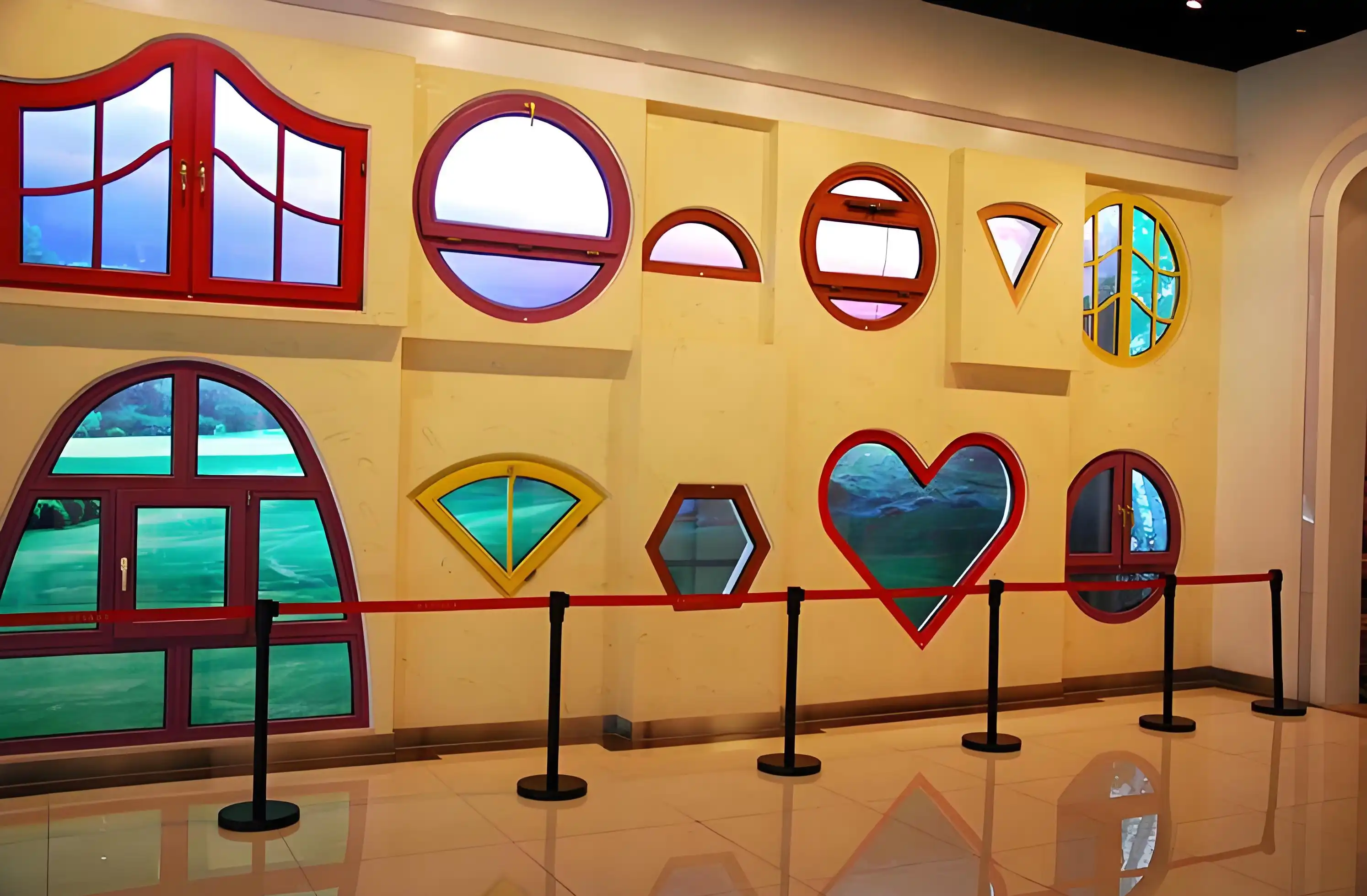
The versatility of custom aluminum storm windows makes them suitable solutions for diverse building types and architectural applications. Understanding these various use cases helps property owners identify opportunities where these systems deliver maximum value and performance benefits. Historic preservation projects rely extensively on custom aluminum storm windows to improve energy efficiency and comfort without altering character-defining architectural features. Many preservation standards and local historic district guidelines specifically permit or recommend storm window installation as an acceptable intervention that preserves original window units while upgrading thermal performance. The ability to color-match storm window frames to existing trim colors and select hardware styles consistent with the building's architectural period enables installations that enhance rather than compromise historic character. Some specialized manufacturers offer low-profile storm window designs with minimal frame visibility that become nearly invisible when properly installed, making them ideal for the most sensitive historic preservation applications. Luxury residential applications value custom aluminum storm windows for their ability to protect significant investments in primary window systems while enhancing energy efficiency and comfort. High-end homes often feature architecturally distinctive windows with premium finishes and specialty glass that represent substantial investments. Adding custom storm windows over these primary systems provides protection from weather exposure, reducing maintenance requirements while extending service life. The additional thermal barrier improves comfort and reduces energy costs without requiring replacement of aesthetically important original windows. This approach proves particularly appealing for owners of architect-designed contemporary homes where maintaining original design intent remains paramount.
Commercial building renovations increasingly specify custom aluminum storm windows as cost-effective alternatives to complete window replacement projects. The ability to improve energy efficiency, reduce tenant discomfort, and extend the service life of existing window systems while avoiding the substantial costs and disruption associated with full window replacement makes storm windows attractive options for building owners and property managers. Many commercial applications benefit from the ability to phase installations across multiple floors or sections, spreading costs over several budget cycles while progressively improving building performance. The minimal interior disruption compared to window replacement proves especially valuable in occupied buildings where tenant productivity and satisfaction represent important considerations. Educational and institutional buildings find custom aluminum storm windows particularly well-suited to their specific requirements and constraints. Many schools, universities, libraries, and government buildings operate within limited maintenance budgets while occupying structures with significant remaining service life. Adding storm windows over existing systems improves comfort and reduces energy costs without the capital investment required for complete window replacement. The durability and low maintenance requirements of aluminum construction prove ideal for institutional applications where windows might face rough use or deferred maintenance. The ability to specify security hardware and impact-resistant glazing addresses safety concerns relevant to schools and other public buildings.
Conclusion
Custom aluminum storm windows deliver unmatched value through their combination of low-maintenance performance and exceptional longevity, making them intelligent investments for property owners seeking lasting solutions.
Cooperate With Hunan Haolv Building Materials Co., Ltd.

Partner with Hunan Haolv Building Materials Co., Ltd., your trusted China custom aluminum storm windows manufacturer, supplier, and factory with eighteen years of manufacturing excellence. We offer wholesale custom aluminum storm windows with competitive custom aluminum storm windows price and detailed custom aluminum storm windows pricelist. Request your bulk custom aluminum storm windows quotation and customized custom aluminum storm windows solutions today. Contact kristin@haolvwindows.com for free technical consultation, sample shipping service, and comprehensive project support from design through installation.
References
1. "Aluminum Storm Windows: Energy Efficiency and Historic Preservation" - U.S. Department of Energy, Office of Energy Efficiency & Renewable Energy
2. "ANSI/AAMA 1002: Voluntary Specification for Aluminum Storm Windows" - American Architectural Manufacturers Association Standards Committee
3. "Historic Window Rehabilitation Guide" - National Park Service Technical Preservation Services
4. "Aluminum Extrusion Technology and Applications" - Aluminum Association Technical Standards Division
5. "Building Energy Performance: Window Systems and Thermal Barriers" - American Society of Heating, Refrigerating and Air-Conditioning Engineers Research Committee

USER EVALUATE
Here is the customer's evaluation of us