




Horizontal Sliding Window The Space-Saving Solution for Modern Living
In today‘s homes and apartments, every square foot matters. Windows that swing open can block walkways, clash with furniture, or consume valuable interior space. The horizontal sliding window offers an elegant and practical alternative. Operating on smooth tracks, these windows glide effortlessly from side to side, requiring no outward or inward clearance. This comprehensive guide explores the design, performance benefits, and selection criteria for horizontal sliding windows.
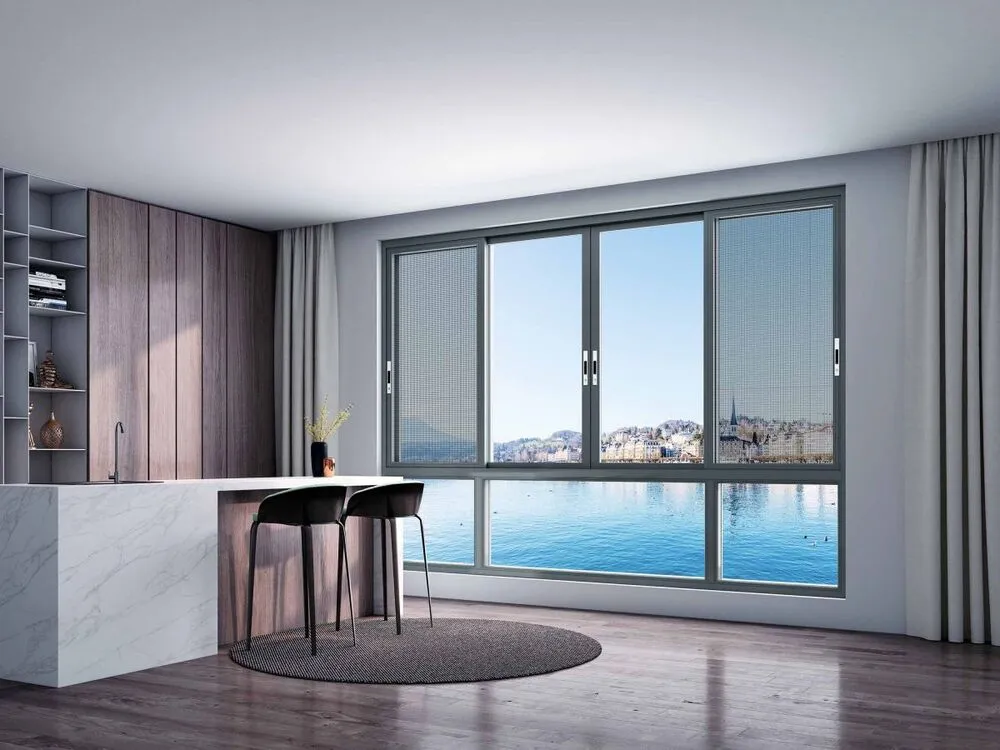
Understanding the Horizontal Sliding Window
A horizontal sliding window consists of two or more sashes that slide horizontally within a shared frame. The most common configuration includes two tracks: one sash remains fixed while the other slides. Three-track systems allow both sashes to slide or provide additional ventilation options. Unlike casement windows that swing outward or inward, sliding windows move parallel to the wall surface, preserving valuable interior and exterior space.
The frame can be constructed from vinyl (UPVC), aluminum, or fiberglass. Vinyl frames offer excellent thermal insulation and low maintenance. Aluminum frames provide superior strength for larger spans and are often used in commercial applications. Multi-chambered profile designs trap air, enhancing thermal insulation. For energy efficiency, modern horizontal sliding windows incorporate thermal break technology (in aluminum) or multi-chambered designs (in vinyl).
The sliding mechanism relies on precision-engineered roller assemblies embedded within the tracks. These rollers support heavy glass panels while ensuring smooth, quiet operation. High-quality systems feature adjustable rollers that maintain proper alignment over decades of use, compensating for minor settling or wear.
Key Advantages of Horizontal Sliding Windows
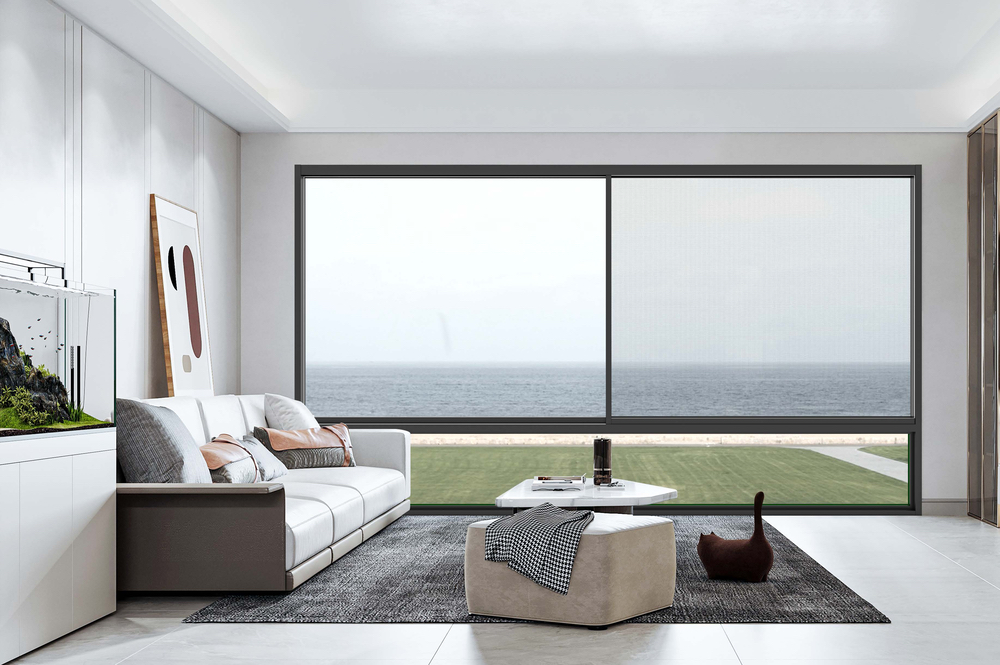
Space efficiency is the most compelling advantage. Because they do not project outward or inward, horizontal sliding windows are ideal for installations above kitchen counters, along narrow walkways, adjacent to patios or balconies, and in rooms where furniture placement would obstruct a swinging window. This space-saving design also maximizes usable floor area—a critical consideration in urban apartments and compact homes.
Unobstructed views and natural light are enhanced by the slim frame profiles available in aluminum and premium vinyl systems. Narrow frame widths maximize the glass area, creating expansive panoramic views and flooding interior spaces with natural light, reducing the need for artificial lighting during daylight hours.
Durability and low maintenance depend on the frame material. Vinyl horizontal sliding windows never need painting, do not rot or warp, and resist moisture and insects. Aluminum versions resist corrosion and can be powder-coated in any color. Routine cleaning with mild soap and water is all that is needed to preserve appearance and function for decades.
Smooth and quiet operation is achieved through high-quality roller systems. Stainless steel ball-bearing rollers glide effortlessly along aluminum or stainless steel tracks, allowing even large sashes to be opened with minimal effort. Modern designs incorporate nylon or rubber buffers and precision-machined components that ensure silent operation.
Enhanced security is engineered into modern horizontal sliding windows. Multi-point locking systems with stainless steel components engage the sliding sash to the frame at multiple points. Anti-lift blocks prevent the sash from being lifted out of the track when locked. Laminated or tempered glass options add further protection.
Ventilation control is flexible. The operable sash can be opened partially or fully, allowing fine-tuning of airflow. For three-track systems, both sashes can slide, creating an opening up to two-thirds of the total window width for excellent cross-ventilation.
Glass and Hardware Options for Horizontal Sliding Windows
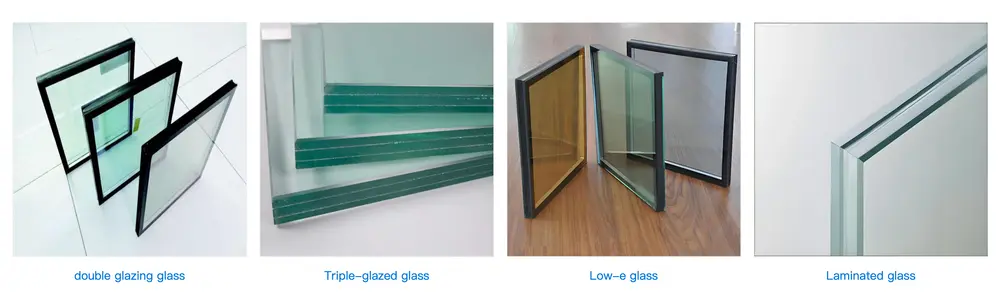
Glass configurations significantly impact energy efficiency, safety, and acoustic performance:
Double glazing (5mm+20A+5mm): Standard for most residential applications, with Low-E coating and argon gas fill achieving U-values around 1.6 W/m²K for vinyl frames (1.8-2.2 for non-thermal aluminum).
Triple glazing (5mm+12A+5mm+12A+5mm): Recommended for extreme climates or noise-sensitive environments, achieving U-values below 1.0 W/m²K.
Laminated glass: Incorporates a PVB interlayer for enhanced security and sound reduction; holds together if broken.
Tempered glass: Safety glazing required in many building codes; breaks into small, harmless pieces.
Hardware specifications distinguish premium windows:
Stainless steel roller assemblies: Precision ball bearings rated for 20,000+ cycles; adjustable for alignment.
Multi-point locking handles: Integrated with stainless steel keepers; some models offer keyed locks.
Flush or recessed handles: Maintain clean aesthetics and prevent snagging on curtains or blinds.
Anti-lift blocks: Prevent sash removal when locked.
Integrated insect screens: Retractable or removable screens for ventilation without pests.
Applications for Horizontal Sliding Windows
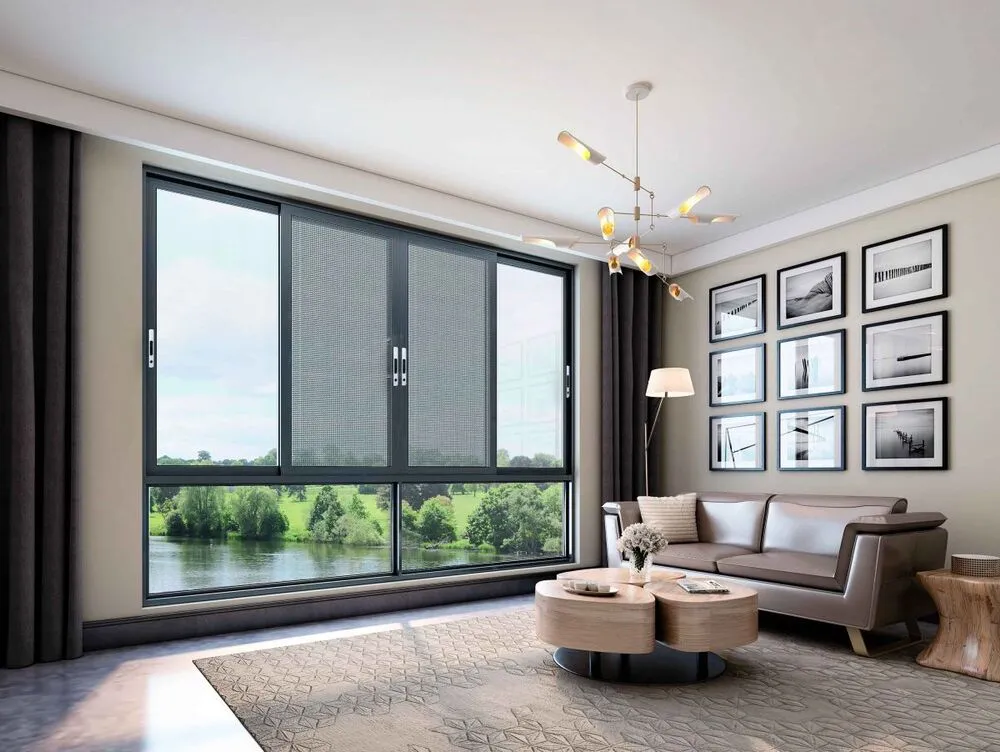
Residential homes benefit from these windows in living rooms, bedrooms, kitchens, and bathrooms. Their space-saving operation is particularly valued in hallways and above countertops.
Apartments and condominiums frequently specify horizontal sliding windows because they comply with high-rise safety codes that restrict outward-opening windows. The durability and low maintenance appeal to building owners.
Commercial buildings including offices, hotels, and retail spaces use these windows for their clean appearance, easy operation, and ability to integrate with curtain wall systems.
Coastal and high-wind areas benefit from aluminum’s corrosion resistance and structural strength. Horizontal sliding windows can be engineered to withstand wind pressures exceeding 2,500 Pa (DP-50).
Frequently Asked Questions About Horizontal Sliding Windows
Q: How do horizontal sliding windows compare to casement windows for energy efficiency?
A: Casement windows typically have better airtightness because the sash compresses directly against the gasket. A high-quality vinyl horizontal sliding window with double glazing achieves U-values of 1.6-1.8 W/m²K, while a casement window achieves 1.1-1.6 W/m²K. The difference is modest and acceptable for many applications given the space-saving benefits.
Q: Can horizontal sliding windows be installed in high-rise buildings?
A: Yes, they are well-suited for high-rise applications. They comply with safety codes that restrict outward-opening windows, and they can be engineered to meet wind load requirements for tall buildings (DP-40 to DP-50). Vinyl frames with steel reinforcement or aluminum frames are both suitable.
Q: How much maintenance do these windows require?
A: Very little. Clean frames and glass with mild soap and water. Lubricate rollers and tracks annually with silicone-based lubricant. Inspect weather seals periodically. Vinyl frames never need painting; powder-coated aluminum frames resist fading for decades.
Q: Are horizontal sliding windows secure?
A: Yes, modern designs include multi-point locking systems, anti-lift blocks, and stainless steel hardware. However, sliding windows are inherently less secure than casement windows because the locking mechanism is only on one side. For ground-floor installations, consider laminated glass and secondary locks.
Q: What is the typical lifespan of a horizontal sliding window?
A: With quality materials and proper installation, vinyl frames last 30-40 years, aluminum frames 40-50 years. Rollers and weather seals may need replacement after 10-20 years. The glass units typically last 20-30 years before seal failure.
Installation and Long-Term Value
Professional installation is essential for horizontal sliding windows to perform as intended. The frame must be square, level, and properly anchored. Correct flashing and sealing prevent water infiltration, which is a common cause of premature failure. Professional installers ensure that tracks are aligned and rollers operate smoothly.
The long-term value of investing in quality horizontal sliding windows includes energy savings, low maintenance, enhanced security, and increased property value. With minimal care, these windows will serve reliably for decades.
Conclusion
Horizontal sliding windows offer an ideal combination of space efficiency, durability, aesthetic appeal, and energy performance. Their versatile design suits a wide range of residential and commercial applications. For those seeking a practical, long-lasting window solution that saves space and provides reliable operation, horizontal sliding windows represent a smart choice.
Cooperate With Hunan Haolv Building Materials Co., Ltd.
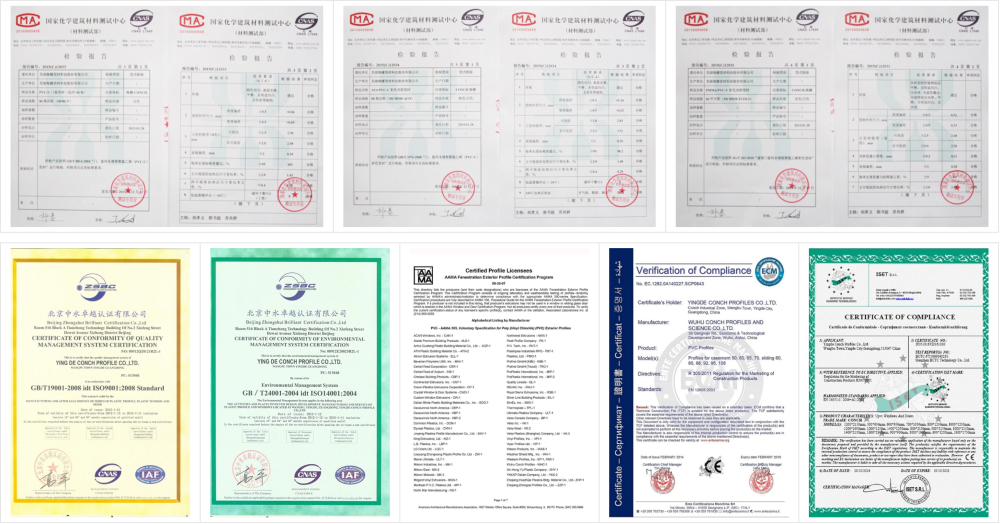
As a leading manufacturer of high-performance window systems, Hunan Haolv Building Materials Co., Ltd. brings over eighteen years of specialized expertise to the production of horizontal sliding windows. Our windows are available in premium vinyl (UPVC) and aluminum options, with multi-chamber profiles, stainless steel roller systems, and multi-point locking hardware. We offer comprehensive customization services including double or triple glazing, Low-E coatings, any RAL color finish, and integrated insect screens. Every product undergoes rigorous ISO-certified quality management from raw material selection through final inspection. For detailed quotations, pricelist information, or to discuss your specific project requirements, please contact us today at kristin@haolvwindows.com.

USER EVALUATE
Here is the customer's evaluation of us