




How Does an Inswing Door Compare to Outswing Options?
Picture standing at your front entrance during a severe storm, wondering whether water will seep under your door threshold again. Or imagine struggling to arrange furniture in your entryway because your door swing interferes with your interior layout. These common frustrations highlight why selecting between an Inswing Door and outswing configuration matters significantly for your home or commercial property. Understanding how these door types compare helps you make an informed decision that balances security, weather resistance, space utilization, and long-term durability for your specific architectural requirements.

Understanding Inswing Door Fundamentals and Design Principles
An Inswing Door swings inward toward the interior of your building when opened, with hinges positioned on the inside face of the doorframe. This traditional configuration dominates residential architecture across many regions because it creates an inviting entrance experience that naturally welcomes visitors into your space. The door sweep gasket seals against the threshold through friction, providing a barrier against drafts and moisture when properly maintained. The mechanical design of an Inswing Door places the highest security components—including deadbolts, strike plates, and hinge pins—on the interior side of the installation. This positioning protects these vulnerable elements from tampering or forced removal by potential intruders. Modern aluminum Inswing Door systems feature precision-engineered frames constructed from high-grade 6063-T5 aluminum alloy, which provides excellent structural integrity while maintaining an elegant profile that complements contemporary architectural styles.
Space Considerations and Interior Layout Requirements
When you install an Inswing Door, you must account for the clearance arc required as the door panel swings into your interior space. For a standard thirty-six-inch wide door, you need approximately thirty-six inches of unobstructed floor space to accommodate the full opening radius. This requirement affects furniture placement, wall decorations, and traffic flow patterns within your entryway or room. The inward swing proves particularly advantageous in homes with compact outdoor areas where patio furniture, potted plants, or limited porch space would interfere with an outward-opening configuration. Urban townhouses, apartments with small balconies, and properties with narrow exterior walkways benefit substantially from the Inswing Door design. Your interior arrangement flexibility may be constrained, but your exterior aesthetics and functionality remain uncompromised by protruding door panels.
Weather Sealing Mechanisms and Maintenance Requirements
Traditional Inswing Door installations utilize sweep gaskets that compress against the threshold sill to create a weather-resistant seal. This friction-dependent system requires regular inspection and periodic replacement because constant mechanical contact gradually wears down the gasket material. The door slab typically sits at the threshold's highest point, which can allow wind-driven rain to penetrate if the sweep gasket loses its sealing effectiveness over time. Premium aluminum Inswing Door systems address these concerns through advanced glazing technology and multi-component weatherstripping systems. Double glazing configurations with specifications like 5+20A+5 (five millimeters glass, twenty millimeters air space, five millimeters glass) provide exceptional thermal insulation that reduces energy consumption throughout all seasons. Upgrading to triple glazing or low-emissivity coatings further enhances performance, delivering superior comfort while minimizing heating and cooling costs. The reinforced aluminum frame design incorporates thermal breaks that prevent heat transfer, ensuring consistent indoor temperatures regardless of extreme exterior conditions.

Examining Outswing Door Characteristics and Performance Benefits
Outswing doors represent the opposite mechanical configuration, swinging outward away from the building interior when opened. This design places hinges on the exterior face of the doorframe, which historically raised security concerns that modern engineering has effectively addressed through specialized hinge technology. The threshold design employs a positive compression stop similar to the jamb configuration, creating a more effective barrier against water infiltration and wind penetration compared to sweep-dependent systems. The compression gasket system used in outswing installations does not rely on friction to maintain its seal, resulting in easier door operation and longer gasket lifespan. This design proves especially beneficial in regions experiencing severe weather conditions including hurricanes, tropical storms, or sustained high winds. Building codes in designated High Velocity Hurricane Zones frequently mandate outswing configurations specifically because they resist wind forces more effectively than inward-opening alternatives.
Security Features and Modern Hinge Technology
Concerns about exposed exterior hinges on outswing doors have been thoroughly addressed through contemporary security innovations. Modern outswing Inswing Door alternatives incorporate non-removable hinge pins with specialized threading that requires proprietary tools for extraction. Additionally, security tabs or studs integrated into the hinge leaves interlock when the door closes, preventing panel removal even if someone successfully extracts the hinge pins. The outward swing direction creates a natural mechanical advantage against forced entry attempts. When an intruder attempts to kick in an outswing door, the force actually presses the door more firmly against the frame and compression stops, rather than compromising the strike plate and lock mechanism. This fundamental physics principle makes outswing configurations significantly more resistant to brute force attacks compared to inward-swinging alternatives that can be breached through sufficient impact force.
Climate Adaptability and Environmental Protection
Outswing doors excel in environments characterized by frequent precipitation, strong winds, or extreme temperature fluctuations. The positive threshold stop design prevents water from pooling beneath the door slab, dramatically reducing the risk of subflooring rot, interior water damage, and mold growth that plague poorly maintained inswing installations. Commercial buildings often specify outswing configurations precisely because they provide superior weather resistance with minimal maintenance requirements over extended service periods. For properties in northern climates prone to heavy snowfall, however, outswing configurations present a practical challenge. Accumulated snow or ice on exterior landings can physically block the door's outward swing, potentially trapping occupants inside until the obstruction is cleared. This scenario makes inward-swinging doors the preferred or even mandated choice in regions where winter storms regularly deposit substantial snow accumulations. The Inswing Door design ensures emergency egress remains available regardless of exterior weather conditions or snow depth.

Critical Comparison Factors for Decision Making
Space Utilization and Functional Layout Optimization
The most immediately apparent difference between Inswing Door and outswing configurations involves how each affects usable space in your property. An Inswing Door consumes interior floor area during its opening arc, which may conflict with furniture placement, area rugs, or hallway traffic patterns. This interior space requirement can prove problematic in compact urban apartments, narrow hallways, or rooms where maximizing usable square footage matters significantly for daily functionality. Conversely, outswing doors free up your entire interior space for unrestricted furniture arrangement and design flexibility. You can position storage cabinets, decorative tables, or seating elements immediately adjacent to the doorframe without worrying about collision during door operation. This advantage becomes particularly valuable in small bathrooms, utility rooms, or storage closets where every square foot of interior space contributes to functional efficiency and organizational capacity. However, outswing configurations transfer the space requirement to your exterior environment. You must ensure adequate clearance on porches, patios, decks, or exterior landings to accommodate the door's outward swing without interfering with railings, outdoor furniture, landscaping features, or pedestrian walkways. Properties with generous outdoor spaces easily accommodate this requirement, while those with compact porches or limited exterior areas may find the outswing design impractical or even dangerous for pedestrian safety.
Security Performance and Intrusion Resistance
Security considerations play a crucial role in determining optimal door swing direction for your specific application. The Inswing Door configuration provides inherent security advantages by concealing all critical hardware components—hinges, lock mechanisms, and strike plates—on the interior face where potential intruders cannot access them. This design prevents tampering attempts and makes lock-picking or hardware removal significantly more difficult without first gaining interior access. Modern aluminum Inswing Door systems enhance this baseline security through multi-point locking mechanisms that engage several locking points distributed along the entire frame perimeter. These advanced systems provide exponentially greater resistance to forced entry compared to traditional single-point deadbolts. The reinforced aluminum construction using 6063-T5 alloy delivers exceptional strength that resists sawing, drilling, or prying attempts by determined intruders. Outswing doors historically faced criticism regarding exposed exterior hinges that could theoretically be removed to bypass locks entirely. Contemporary engineering has thoroughly eliminated this vulnerability through non-removable hinge pins and interlocking security tabs that maintain door integrity even when pins are extracted. The outward swing direction creates superior resistance to kick-in attacks because impact forces compress the door against the frame rather than stressing the lock strike plate and jamb attachment points.

Weather Resistance and Long-Term Durability
Climate conditions in your geographic location substantially influence which door swing direction provides optimal long-term performance. The Inswing Door design with its sweep gasket system requires regular maintenance to sustain effective weatherproofing as friction gradually degrades the sealing material. Water can infiltrate at the threshold if gasket wear goes unaddressed, potentially causing interior floor damage, tile separation, or hardwood deterioration over time. Outswing configurations employ compression gaskets and positive threshold stops that create more reliable weather barriers without friction-induced wear patterns. This design proves especially valuable in coastal regions, areas with frequent storms, or climates characterized by temperature extremes and high precipitation. The superior weather sealing reduces heating and cooling energy loss, lowers maintenance requirements, and extends the door system's functional lifespan through minimized exposure to moisture-related deterioration. However, geographic building codes and climate-specific requirements may dictate your door swing selection regardless of personal preference. Regions prone to heavy snowfall typically mandate inward-swinging doors to prevent occupant entrapment when snow blocks exterior doorways. High Velocity Hurricane Zones require outswing doors because they withstand sustained wind forces more effectively than inward-opening alternatives that can be blown inward during extreme weather events.
Professional Installation and Customization Capabilities
Material Selection and Construction Quality Standards
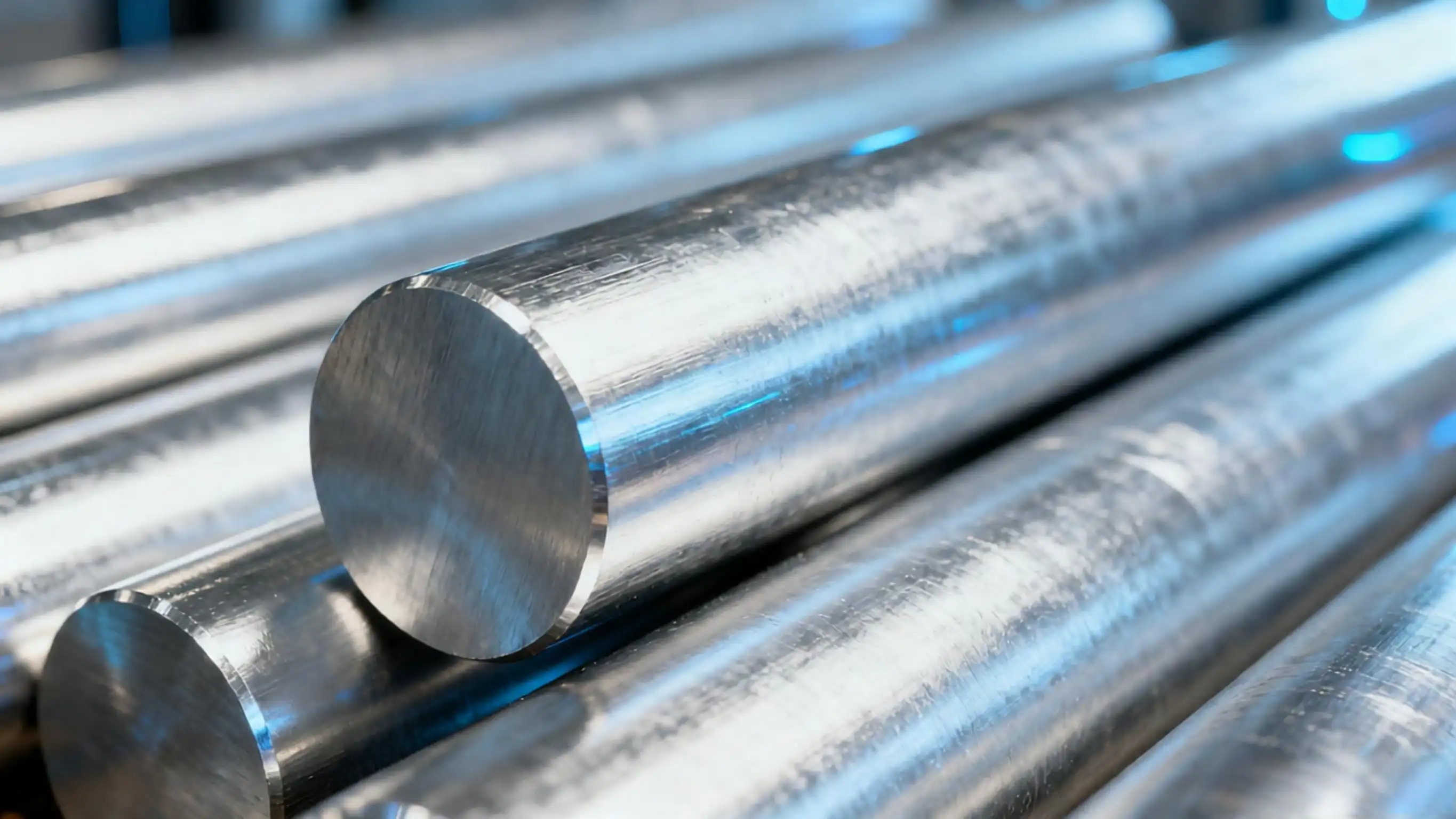
Premium Inswing Door systems constructed from aerospace-grade aluminum alloys deliver unmatched durability, strength, and aesthetic refinement. The 6063-T5 aluminum specification provides excellent corrosion resistance for extended service life even in harsh coastal environments with salt air exposure. This material maintains structural integrity through decades of daily operation while supporting heavy glazing units without sagging or frame distortion that compromises weatherproofing effectiveness. Advanced surface finishing options including powder coating in classic white, elegant champagne gold, or sophisticated gray tones provide lasting beauty and protection against fading, chalking, or finish degradation from ultraviolet exposure. These factory-applied finishes require minimal maintenance beyond periodic cleaning with mild soap and water, eliminating the refinishing cycles necessary with traditional painted surfaces that deteriorate under weather exposure. The glazing specifications significantly impact thermal performance, acoustic insulation, and energy efficiency throughout your door's service life. Standard double glazing with 5+20A+5 configuration provides excellent thermal resistance, while upgrades to triple glazing or specialized low-emissivity coatings deliver even greater insulation values. These advanced glazing systems reduce exterior noise transmission, minimize heat transfer in both directions, and lower energy consumption for heating and cooling your interior spaces.
Hardware Systems and Operational Refinement
Quality hardware components ensure smooth, effortless operation throughout thousands of opening and closing cycles without requiring frequent adjustment or replacement. Heavy-duty hinges engineered for commercial-grade durability support substantial door weight while maintaining precise alignment that prevents binding, dragging, or premature wear. The swing mechanism operates smoothly with minimal force required, making the Inswing Door accessible for children, elderly individuals, or persons with limited physical strength. Modern multi-point locking systems engage multiple locking points simultaneously distributed along the entire door frame perimeter when you turn the key or handle. This advanced security technology provides exponentially greater intrusion resistance compared to traditional single-point deadbolts that concentrate all locking force at one vulnerable location. The reinforced aluminum frame construction incorporates steel strike plate reinforcement and extended screws that penetrate through the doorframe into structural framing members for maximum attachment strength. Customizable lever handle styles, decorative escutcheons, and finish options allow you to coordinate door hardware with your overall architectural design theme and interior décor palette. Every component works synergistically to create a cohesive, visually appealing entrance solution that enhances your property's curb appeal while delivering reliable security and convenient daily operation for years of dependable service.
Professional Installation and Performance Optimization
Proper installation by experienced technicians proves absolutely critical for achieving optimal door performance, longevity, and warranty coverage. Professional installers meticulously verify frame squareness, adjust clearances to manufacturer specifications, and properly seal all gaps to prevent air infiltration or water penetration that compromises energy efficiency and weather resistance. They ensure hardware alignment supports smooth operation without binding or premature wear that necessitates costly service calls. The installation process includes comprehensive weatherproofing with high-quality sealants applied at all frame penetrations, threshold interfaces, and exterior trim connections. Properly installed flashing systems direct water away from vulnerable areas, preventing moisture infiltration that causes wood rot, insulation damage, or interior finish deterioration. These critical details separate professional installations that perform flawlessly for decades from amateur work that fails prematurely and requires expensive remediation. Optional features like removable insect screens provide additional functionality during pleasant weather when you want natural ventilation without allowing unwanted pests into your interior spaces. These screens install and remove easily without tools, making seasonal use convenient while maintaining the Inswing Door's clean aesthetic profile when screens aren't needed. Professional installers ensure screen tracks align perfectly and latches engage securely for dependable operation throughout the product's lifespan.
Real-World Applications and Practical Considerations
Residential Applications and Homeowner Priorities
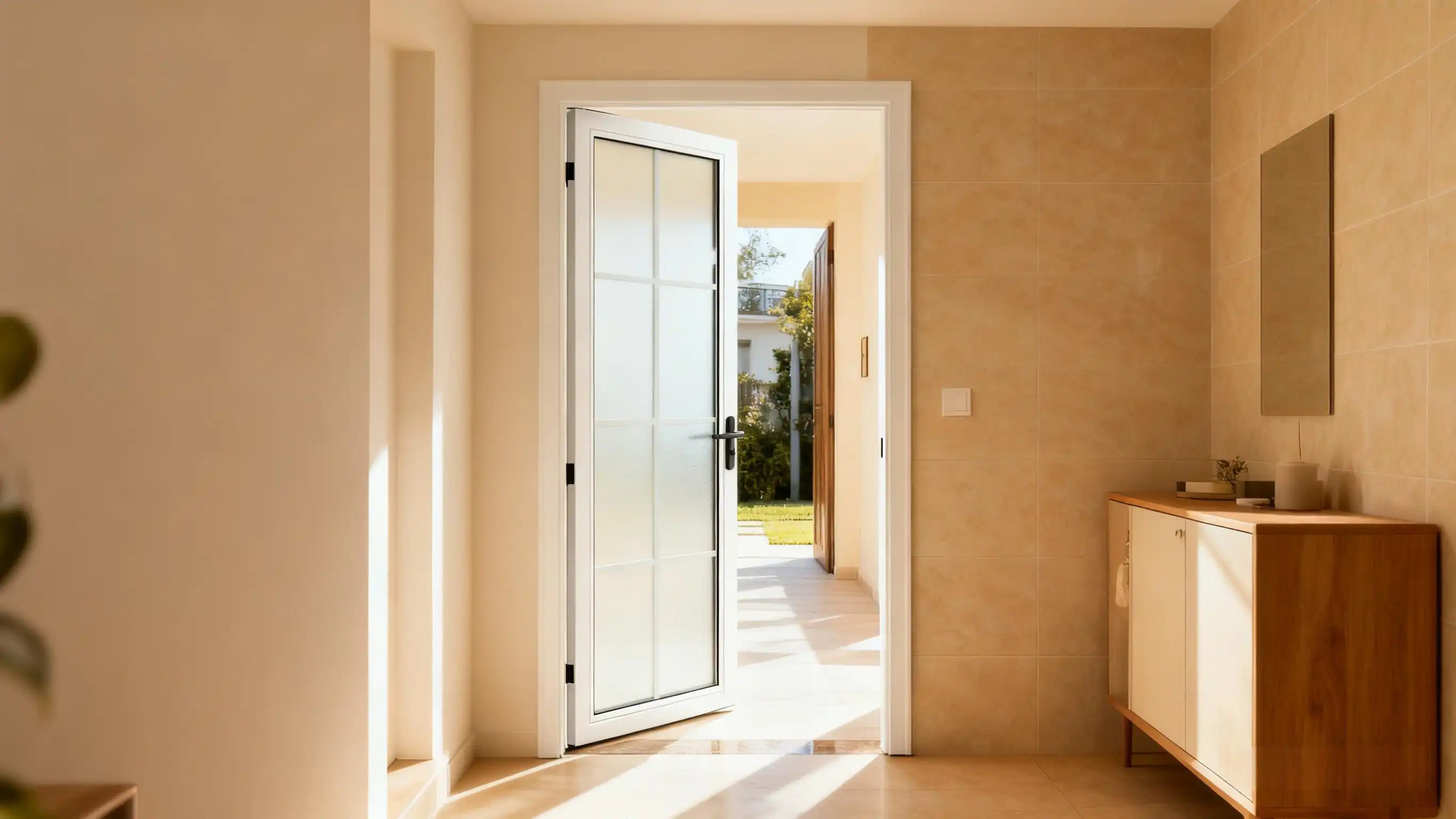
Residential properties utilize both Inswing Door and outswing configurations depending on architectural style, climate conditions, and homeowner preferences regarding aesthetics versus functionality. Main entrance applications typically favor inward-swinging doors that create a welcoming visual presentation while providing secure access control through interior-mounted hardware that remains inaccessible from outside. Villa and luxury apartment projects benefit from the sophisticated appearance and robust construction that premium aluminum doors provide. The Inswing Door design works particularly well for homes with limited exterior space where outdoor furniture, potted plants, decorative features, or compact porch dimensions would interfere with an outward-opening configuration. The inward swing preserves your exterior aesthetic while maintaining full interior functionality once you account for the required clearance arc within your entryway or room layout. Back doors, utility entrances, and secondary access points may utilize outswing configurations to maximize interior storage capacity or accommodate tight spaces where inward swing would conflict with appliances, cabinetry, or traffic patterns. Patio doors connecting to outdoor living spaces frequently employ outswing designs that preserve interior floor space for furniture arrangement while creating seamless transitions between indoor and outdoor environments during entertaining or everyday use.
Commercial Applications and Building Code Compliance
Commercial buildings, office complexes, and public facilities face specific building code requirements regarding door swing direction, particularly for emergency egress routes and high-occupancy spaces. The International Building Code generally mandates outward-swinging doors for commercial properties to facilitate rapid evacuation during emergency situations where panic and crowding might otherwise prevent inward doors from opening against the pressure of evacuating occupants. Professional office environments benefit from the low-maintenance characteristics and durable construction of aluminum door systems that withstand heavy daily traffic without developing operational problems or requiring frequent service interventions. The sophisticated appearance enhances corporate image while providing reliable access control through advanced locking systems compatible with electronic access credentials, scheduled automatic locking, and integration with comprehensive building security infrastructures. Public facilities including schools, healthcare institutions, government buildings, and retail establishments require entrance solutions that balance accessibility requirements, security needs, and long-term durability under demanding use conditions. The Inswing Door and outswing alternatives both meet these diverse requirements when properly specified with appropriate hardware, glazing, and frame configurations matched to each application's unique operational demands and regulatory compliance obligations.
Conclusion
Choosing between an Inswing Door and outswing configuration requires careful evaluation of your specific property characteristics, climate conditions, security priorities, and space constraints to ensure optimal long-term performance and satisfaction.
Cooperate With Hunan Haolv Building Materials Co., Ltd.

Partner with Haolv Building Materials Co., Ltd., your trusted China Inswing Door manufacturer with over eighteen years of specialized expertise in aluminum and UPVC window and door production. As a leading China Inswing Door supplier, we operate advanced manufacturing facilities featuring state-of-the-art extrusion lines, precision CNC cutting equipment, and automated assembly systems that ensure consistent quality across every wholesale Inswing Door order. Our products serve residential buildings, commercial complexes, villas, and modern office spaces across thirty-plus countries worldwide, earning exceptional reputation for superior craftsmanship and reliability. Request your Inswing Door quotation today for bulk Inswing Door orders with competitive Inswing Door price options detailed in our comprehensive Inswing Door Pricelist. We provide customized Inswing Door solutions tailored precisely to your project specifications, backed by free technical consultation, solution design services, and full-process project follow-up support. Our partnership with premium material suppliers guarantees exceptional quality, while our one-stop product portfolio covers window frames, glazing, and complete hardware systems for streamlined procurement efficiency. Contact our expert team at kristin@haolvwindows.com to discuss your requirements and discover how our proven manufacturing excellence delivers outstanding value for your residential or commercial door projects through reliable quality, professional service, and competitive pricing structures.
References
1. International Building Code (IBC). "Emergency Egress and Door Swing Requirements for Commercial Buildings." International Code Council.
2. Smith, Jennifer and Robert Thompson. "Weather Resistance Performance of Residential Door Systems: A Comparative Analysis." Journal of Building Envelope Design, vol. 34, no. 2, 2023.
3. Anderson, Michael. "Security Features in Modern Door Hardware: Non-Removable Hinge Technology." Architectural Hardware Review, 2024.
4. National Association of Home Builders. "Door Selection Guidelines for Residential Construction: Climate Considerations and Code Compliance." NAHB Press.
5. Williams, Sarah. "Thermal Performance of Aluminum Door Systems: Glazing Specifications and Energy Efficiency." Building Science Journal, vol. 18, no. 4, 2024.

USER EVALUATE
Here is the customer's evaluation of us