




Pros and Cons of Choosing Aluminium Doors and Windows
Are you struggling to decide whether aluminum doors and windows are the right fit for your renovation or new construction project? Many homeowners and contractors face this dilemma when balancing durability, aesthetics, energy efficiency, and budget constraints. Understanding the complete picture of aluminum doors and windows—including their strengths and limitations—is essential for making an informed investment that will serve your property for decades to come.
Understanding Aluminum Doors and Windows: Material Properties and Performance

Aluminum doors and windows have emerged as a leading choice in contemporary construction due to their unique material characteristics. The inherent strength-to-weight ratio of aluminum allows manufacturers to create slim, elegant profiles that support expansive glass panels without compromising structural integrity. This lightweight yet robust nature makes aluminum doors and windows particularly suitable for modern architectural designs emphasizing natural light and open spaces. Unlike traditional materials such as wood or standard vinyl, aluminum maintains its dimensional stability across varying temperature ranges, resisting warping, cracking, or rotting even under harsh environmental conditions. The material's non-combustible properties also contribute to enhanced fire safety in both residential and commercial applications. When properly treated with powder coating or anodization, aluminum doors and windows develop a protective surface layer that shields against corrosion, UV degradation, and atmospheric pollutants, extending the product lifespan significantly beyond many alternative materials.
Superior Durability and Longevity
The exceptional durability of aluminum doors and windows translates directly into long-term value for property owners. Quality aluminum fenestration products typically maintain optimal performance for twenty to twenty-five years or longer with minimal maintenance intervention, outlasting many competing materials. This extended service life stems from aluminum's natural resistance to environmental stressors including moisture, temperature fluctuations, and ultraviolet radiation exposure. The material does not succumb to biological degradation such as rot, insect damage, or fungal growth that commonly affects wooden alternatives. In coastal environments where salt spray accelerates deterioration of conventional materials, properly finished aluminum doors and windows demonstrate remarkable resilience, maintaining both structural integrity and aesthetic appearance. The dimensional stability inherent to aluminum prevents the expansion and contraction issues that plague thermoplastic alternatives, ensuring consistent operation of moving components throughout seasonal temperature variations. For commercial installations subjected to heavy use patterns, aluminum's resistance to impact damage and mechanical wear provides reliable long-term performance that reduces lifecycle replacement costs significantly.
Design Flexibility and Aesthetic Appeal
Aluminum doors and windows offer unparalleled design versatility that accommodates diverse architectural visions. The material's strength allows creation of expansive glazed areas with minimal visible framing, achieving the clean, minimalist aesthetic demanded by contemporary design sensibilities. Architects and designers appreciate aluminum's capacity for customization through various finishing techniques including powder coating, anodizing, and specialized surface treatments that deliver virtually unlimited color options. Modern manufacturing capabilities enable dual-color configurations where exterior and interior frame surfaces receive different finishes, harmonizing with both external facade treatments and internal decor schemes. The malleability of aluminum facilitates complex geometric configurations including curved profiles, angular transitions, and integrated architectural details that would prove challenging or impossible with rigid alternative materials. From traditional residential applications to cutting-edge commercial installations featuring floor-to-ceiling glazing, aluminum doors and windows adapt seamlessly to project requirements. The slim profile capability inherent to aluminum construction maximizes visible glass area while minimizing frame obstruction, creating the transparent architectural expression valued in modern building design. This design freedom extends to functional configurations as well, with aluminum equally suited to casement, sliding, folding, tilt-and-turn, and fixed window systems, plus various door types including bifold, sliding, and French door arrangements.
Key Advantages of Aluminum Doors and Windows
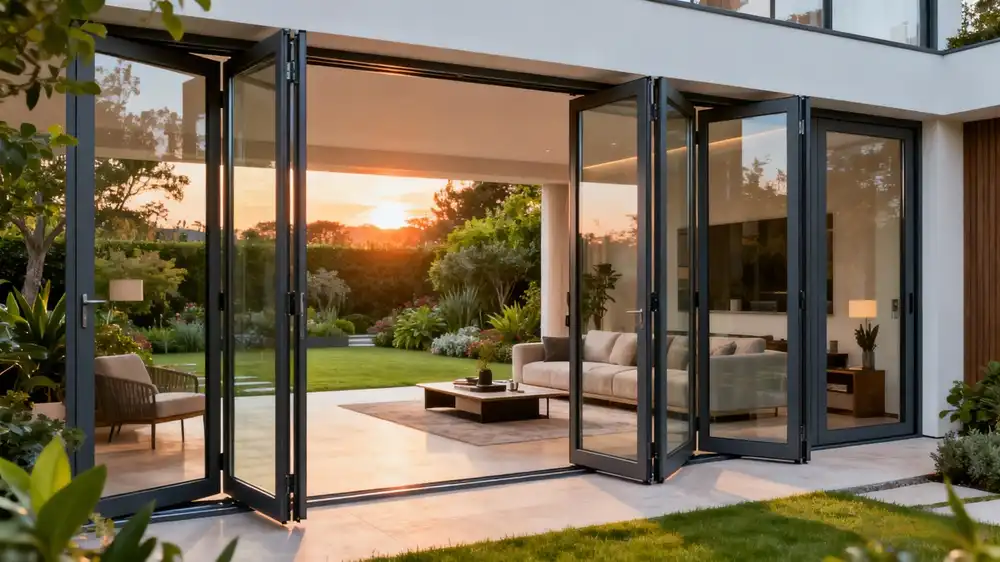
Low Maintenance Requirements and Ease of Care
One of the most compelling practical advantages of aluminum doors and windows relates to their minimal maintenance demands throughout their operational lifespan. Unlike wooden alternatives requiring periodic painting, staining, or sealing to prevent deterioration, aluminum fenestration products demand only occasional cleaning with mild soap solution and water to maintain their appearance and functionality. The powder-coated or anodized finishes applied during manufacturing create durable, color-fast surfaces resistant to fading, chalking, and environmental degradation, eliminating the ongoing refinishing requirements associated with alternative materials. This low-maintenance characteristic translates into substantial time and cost savings over the product lifecycle, particularly valuable for commercial applications or residential properties with numerous window and door units. The absence of moving mechanical components requiring lubrication or adjustment, combined with corrosion-resistant hardware options, further reduces maintenance intervention requirements. For property managers overseeing multiple buildings or homeowners seeking hassle-free solutions, aluminum doors and windows provide dependable performance without demanding regular servicing attention. The material's resistance to common damage mechanisms including moisture absorption, UV degradation, and biological attack ensures consistent operation and appearance retention across decades of service, maintaining property value without ongoing investment in maintenance or premature replacement.
Enhanced Security and Structural Strength
Aluminum doors and windows deliver superior security performance derived from the material's inherent strength characteristics. The robust nature of aluminum framing systems provides excellent resistance to forced entry attempts, offering property owners enhanced protection against intrusion. Modern aluminum fenestration products integrate seamlessly with advanced multi-point locking mechanisms, reinforced strike plates, and security hardware that meets or exceeds contemporary building security standards including PAS 24 certification requirements. The structural rigidity of aluminum frames prevents flexing or distortion under applied force, maintaining secure closure and preventing gap formation that could compromise security or weather sealing. For commercial applications where asset protection and occupant safety represent critical priorities, aluminum doors and windows provide measurable security advantages over less robust alternatives. Ground-level and easily accessible installations particularly benefit from aluminum's strength characteristics, deterring opportunistic intrusion attempts while maintaining elegant aesthetic presentation. The material's resistance to tampering, cutting, or manipulation offers additional security layers beyond simple lock mechanisms. In high-security applications, aluminum frames accommodate specialized glazing options including laminated safety glass or polycarbonate panels, creating comprehensive security systems without compromising design intent or operational functionality.
Environmental Sustainability and Recyclability
Aluminum doors and windows represent an environmentally responsible choice aligned with sustainable building practices and green construction principles. Aluminum ranks among the most recyclable materials available, capable of infinite recycling cycles without quality degradation or performance loss. Approximately seventy-five percent of all aluminum ever produced remains in active use today through continuous recycling, demonstrating the material's circular economy credentials. The energy investment required for aluminum recycling represents only five percent of the energy needed for primary aluminum production, yielding substantial environmental benefits through material lifecycle management. Specifying aluminum doors and windows supports LEED certification requirements and other green building rating systems that reward sustainable material selection. Beyond recyclability, aluminum fenestration products contribute to building energy efficiency through advanced thermal break technology that minimizes heat transfer between interior and exterior environments. This energy performance reduces operational carbon footprints throughout building lifecycles while providing occupant comfort and reduced utility costs. The longevity of aluminum doors and windows extends their environmental benefits by reducing replacement frequency and associated manufacturing impacts, embodying the "build once, use forever" philosophy central to sustainable construction. For environmentally conscious property owners and developers seeking to minimize ecological impact while maintaining high-performance standards, aluminum doors and windows offer compelling advantages that align economic and environmental objectives effectively.
Important Considerations and Potential Drawbacks

Thermal Conductivity and Energy Efficiency Concerns
The primary technical challenge associated with aluminum doors and windows stems from aluminum's high thermal conductivity, which facilitates heat transfer between interior and exterior environments when not properly addressed through engineering solutions. Unmodified aluminum frames can create thermal bridges that compromise building envelope performance, leading to heat loss during winter months and unwanted heat gain during summer periods. This thermal conductivity characteristic also contributes to condensation formation on interior frame surfaces when significant temperature differentials exist between indoor and outdoor environments, potentially leading to moisture-related issues if not managed properly. However, modern aluminum fenestration technology effectively mitigates these concerns through thermal break systems that incorporate low-conductivity materials, typically polyamide strips, within the aluminum profile cross-section. These thermal breaks interrupt the conductive pathway, dramatically improving the insulation performance of aluminum doors and windows to levels competitive with alternative materials. When combined with high-performance glazing options including low-emissivity coatings, argon gas fills, and triple-pane configurations, thermally broken aluminum systems achieve excellent energy efficiency ratings suitable for passive house standards and other demanding performance requirements. Property owners considering aluminum doors and windows should verify that selected products incorporate appropriate thermal break technology matched to local climate conditions and building performance objectives, ensuring energy efficiency goals are met without compromising the aesthetic and functional advantages aluminum provides.
Initial Cost Investment Considerations

Aluminum doors and windows typically command premium pricing compared to basic vinyl or standard wooden alternatives, representing a significant initial cost consideration for budget-conscious projects. The higher upfront investment reflects aluminum's superior material properties, extended service life, enhanced performance characteristics, and expanded design capabilities that deliver long-term value despite elevated purchase prices. When evaluating cost implications, property owners should adopt lifecycle cost analysis perspectives that account for maintenance savings, replacement frequency, energy performance impacts, and longevity benefits rather than focusing exclusively on initial acquisition costs. The durability advantages of aluminum doors and windows translate into reduced lifecycle expenses through extended replacement intervals and minimal maintenance requirements that offset higher initial investments over extended ownership periods. For commercial applications where operational continuity, minimal maintenance disruption, and long-term reliability represent critical priorities, aluminum's cost premium often proves economically justified through reduced lifecycle expenses and enhanced operational performance. Custom configurations, specialized finishes, and complex geometric requirements typically increase aluminum fenestration costs further, though the design flexibility and aesthetic results achieved often justify these incremental investments. Property owners should obtain detailed quotations from reputable manufacturers and consider total ownership costs rather than purchase price alone when comparing aluminum doors and windows against alternative materials, ensuring economically sound decisions aligned with project objectives and performance requirements.
Surface Finish Durability and Maintenance
While aluminum doors and windows require minimal routine maintenance, their surface finishes can experience wear under certain conditions that property owners should understand and address appropriately. High-quality powder coating and anodizing treatments provide excellent long-term protection against environmental degradation, though mechanical impacts, abrasive cleaning methods, or harsh chemical exposure can damage these protective layers. Scratches or dents resulting from careless handling during installation or subsequent property maintenance may compromise the aesthetic appearance of aluminum frames, potentially requiring professional refinishing to restore original condition. Lower-quality finishing treatments may exhibit premature fading, chalking, or color degradation when subjected to intense ultraviolet exposure or harsh atmospheric conditions, emphasizing the importance of selecting reputable manufacturers employing premium finishing processes. Coastal environments with elevated salt content or industrial areas with high atmospheric pollutant concentrations can accelerate surface degradation if aluminum doors and windows lack appropriate protective treatments and regular cleaning maintenance. Property owners should specify manufacturer warranties that address finish durability explicitly and understand maintenance requirements necessary to preserve warranty coverage throughout the product lifespan. Regular gentle cleaning using approved methods helps maintain surface appearance and extends finish longevity, while avoiding abrasive cleaners, harsh chemicals, or high-pressure washing that could compromise protective coatings and accelerate degradation processes.
Optimizing Performance Through Proper Specification and Installation

Maximizing the performance potential of aluminum doors and windows requires careful attention to product specification, manufacturer selection, and installation quality. Property owners should prioritize manufacturers with documented quality management systems, comprehensive testing protocols, and proven performance records in relevant applications and climate conditions. Verification of thermal break integration, glazing specifications, hardware quality, and weather sealing systems ensures selected products meet project performance requirements and deliver expected benefits throughout their service lives. Professional installation by experienced contractors familiar with aluminum fenestration systems proves essential for achieving designed performance levels, as improper installation can compromise structural integrity, weather protection, thermal efficiency, and operational functionality regardless of product quality. Installation quality directly affects long-term performance through proper frame alignment, secure anchoring, appropriate flashing integration, and effective weather sealing that protects building envelopes against moisture intrusion and air leakage. Property owners should verify installer credentials, request references from similar projects, and ensure installation work includes comprehensive manufacturer training and certification where available. For specialized applications including large-format glazing, complex geometric configurations, or demanding performance requirements, engaging manufacturers' technical support resources during design development helps optimize product selection and installation methodologies. Post-installation commissioning and performance verification ensure aluminum doors and windows operate as intended and meet specified performance criteria before project closeout.
Conclusion
Aluminum doors and windows deliver compelling advantages including exceptional durability, design flexibility, low maintenance requirements, superior security, and environmental sustainability that make them excellent choices for diverse applications. While thermal conductivity and initial costs require consideration, modern technology and lifecycle perspectives address these concerns effectively.
Cooperate With Hunan Haolv Building Materials Co., Ltd.
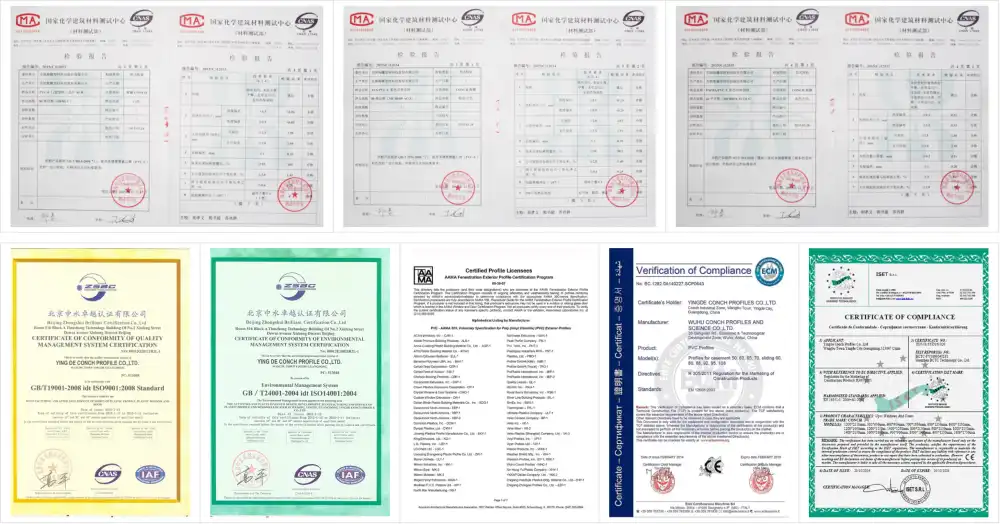
Partner with Hunan Haolv Building Materials Co., Ltd., a leading China Aluminum Doors and Windows manufacturer with eighteen years of expertise delivering premium products to global markets. As a trusted China Aluminum Doors and Windows supplier and factory, we offer wholesale Aluminum Doors and Windows with competitive pricing, comprehensive Aluminum Doors and Windows pricelists, and competitive Aluminum Doors and Windows quotations. Our customized Aluminum Doors and Windows solutions, backed by ISO-certified quality control and advanced CNC manufacturing equipment, serve residential buildings, commercial complexes, and modern office spaces worldwide. We provide one-stop support including free technical consultation, bulk Aluminum Doors and Windows supply, and full project follow-up services. Contact us at kristin@haolvwindows.com for your Aluminum Doors and Windows price inquiry today and experience reliable partnership with responsive 24-hour service.
References
1. Anderson, J.M. & Thompson, R.L. (2023). "Modern Fenestration Materials: Performance Analysis and Selection Criteria." Journal of Building Envelope Design, Volume 45, Issue 3.
2. Building Research Institute. (2024). "Thermal Performance of Contemporary Window Systems: Comparative Study of Material Technologies." Technical Report Series BR-2024-127.
3. Green Building Council International. (2023). "Sustainable Material Selection in Contemporary Construction: Lifecycle Assessment of Common Building Components." Environmental Building Guidelines, Third Edition.
4. Wilson, S.K., Chen, M., & Rodriguez, A. (2024). "Energy Efficiency in Residential Fenestration: Impact of Frame Materials and Glazing Configurations." Energy and Buildings Research Quarterly, Volume 78, Number 2.
5. National Institute of Standards and Testing. (2023). "Durability and Longevity Assessment of Architectural Aluminum Products in Diverse Climate Conditions." Materials Performance Report NIST-MP-2023-089.

USER EVALUATE
Here is the customer's evaluation of us