




The Pros and Cons of Casement Windows | What You Need to Know
Are you struggling with poor ventilation in your home, constantly battling drafty windows, or simply looking for a window solution that combines functionality with aesthetic appeal? Understanding the advantages and limitations of casement windows can help you make an informed decision that transforms your living space. Casement windows offer unique benefits that address common homeowner concerns, from energy efficiency to ease of operation, but they also come with considerations that deserve careful evaluation before installation.

Understanding Casement Windows and Their Design Features
Casement windows represent a timeless window style that has evolved significantly over centuries while maintaining their fundamental design principle. These windows are attached to their frame by hinges positioned on one side, allowing them to swing open like a door, typically outward, though some designs open inward depending on architectural requirements and regional preferences. Unlike traditional double-hung or sliding windows that can only open partially, casement windows can open to their full extent, providing an unobstructed opening that maximizes both ventilation potential and outdoor views. The operation mechanism typically involves a crank handle located at the bottom or side of the window frame, which when turned, extends or retracts an arm that pushes the window sash outward or pulls it closed. The construction of modern casement windows incorporates advanced materials including aluminum, UPVC (unplasticized polyvinyl chloride), wood, and fiberglass, each offering distinct advantages in terms of durability, maintenance requirements, and thermal performance. Premium manufacturers utilize precision CNC cutting and automated assembly systems to ensure consistent quality and tight tolerances that are critical for proper sealing and operation. The window sash itself is designed as a single panel of glass that extends from top to bottom without horizontal or vertical dividers, creating an expansive viewing area that brings natural light into interior spaces while maintaining clean sight lines to the outdoors. This design philosophy aligns perfectly with contemporary architectural trends that emphasize the connection between indoor and outdoor living spaces.

Advanced Hardware and Operating Mechanisms
The hardware system of casement windows has undergone significant innovation in recent years, transforming what was once a simple hinge-and-crank setup into a sophisticated mechanism engineered for smooth operation and longevity. High-quality casement windows feature multi-point locking systems that engage at several points along the window frame when the latch is secured, creating an exceptionally tight seal that resists air infiltration and enhances security. The crank mechanism itself has evolved to include nested fold-down handles that collapse into the frame when not in use, eliminating the protrusion that could interfere with window treatments like blinds or curtains. Premium manufacturers construct these operating components from corrosion-resistant materials such as stainless steel or zinc alloys with protective coatings, ensuring decades of reliable performance even in challenging coastal or high-humidity environments. The engineering behind casement window hardware also addresses the challenge of supporting the weight of the glass sash when opened. Support arms made from reinforced steel or aluminum extend from the window frame to the sash, distributing the load evenly and preventing sagging that could compromise the window's ability to close properly. These arms typically feature adjustable tension settings that allow for fine-tuning of the window's operation, accommodating slight settling of the building structure over time. The precision manufacturing processes employed by established manufacturers, including those utilizing automated welding and corner crimping equipment, ensure that each component fits together with minimal tolerances, resulting in smooth, quiet operation that remains consistent throughout the window's service life.
The Key Advantages of Choosing Casement Windows
Casement windows deliver exceptional ventilation capabilities that surpass virtually every other window style available in the residential market. When opened fully to their ninety-degree extent, these windows create an unobstructed opening that allows maximum airflow into the home, capturing breezes from various angles and directing them indoors with remarkable efficiency. This ventilation advantage proves particularly valuable in spaces where air circulation is critical, such as kitchens where cooking odors need to be expelled quickly, bathrooms where moisture management prevents mold growth, and living areas where fresh air enhances comfort during temperate weather. The ability to position the open window sash to catch prevailing breezes makes casement windows especially effective at passive cooling, potentially reducing reliance on air conditioning and lowering energy consumption during mild seasons. The energy efficiency of casement windows stems from their superior sealing characteristics compared to sliding window styles. When closed and latched, the window sash compresses against weather stripping installed around the entire perimeter of the frame, creating a seal that effectively blocks air infiltration from outside. This compression seal mechanism outperforms the sliding contact seals found in double-hung or horizontal slider windows, where gaps inevitably develop over time as components wear. Research indicates that air leakage through windows can account for significant percentages of a home's heating and cooling costs, making the tight seal of casement windows a valuable asset for homeowners focused on energy conservation. Modern casement windows manufactured with UPVC or aluminum frames featuring thermal breaks further enhance insulation values, maintaining comfortable indoor temperatures while reducing the workload on HVAC systems throughout the year.

Unobstructed Views and Natural Light Advantages
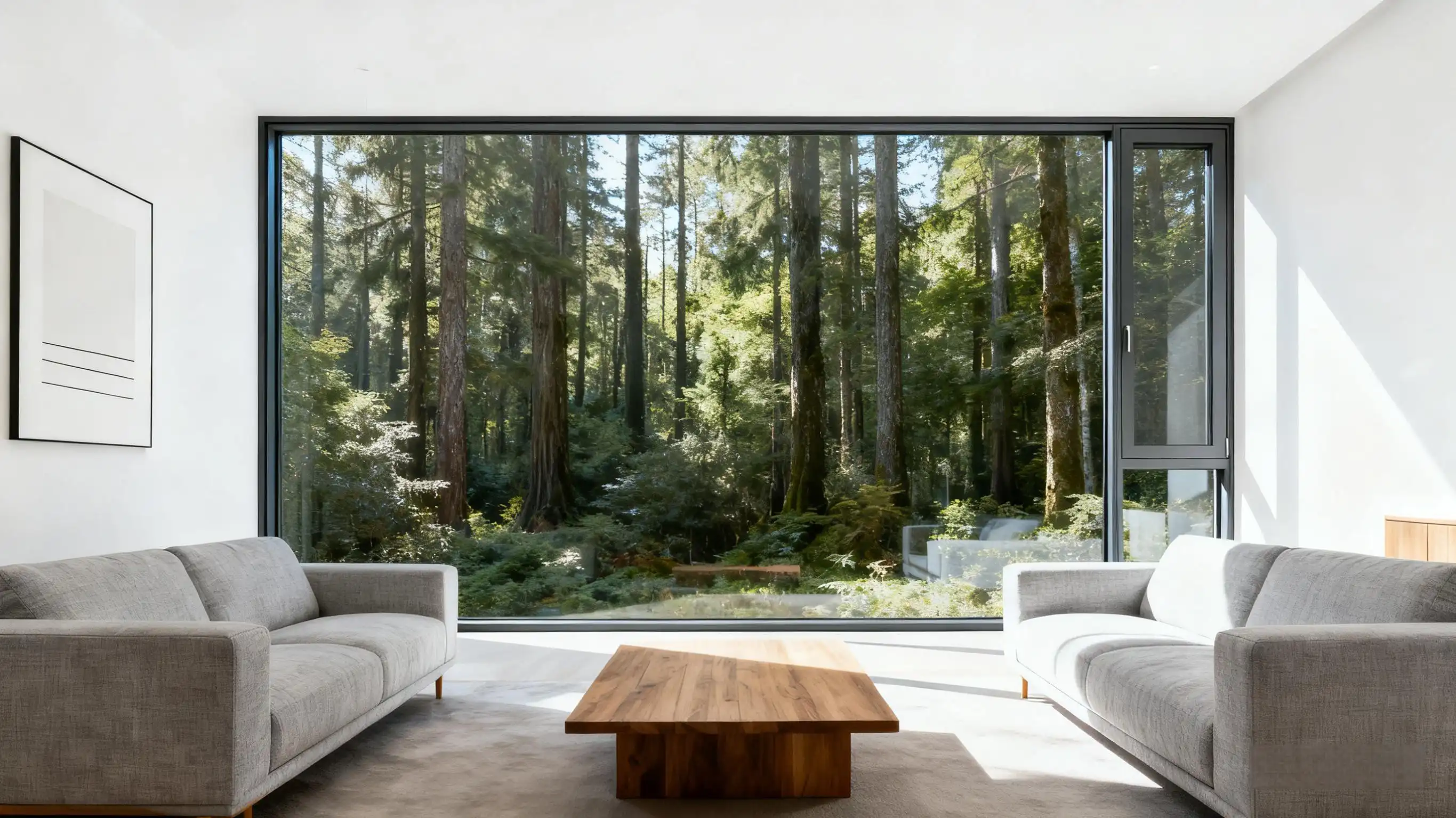
The single-sash design of casement windows provides an expansive viewing area free from the horizontal rails or meeting rails that divide the view in double-hung windows. This uninterrupted glass surface maximizes natural light transmission into interior spaces, creating brighter, more inviting rooms that feel connected to the outdoor environment. For homeowners with attractive landscaping, scenic vistas, or carefully designed gardens, casement windows serve as picture frames that showcase these views without visual interruption. The clarity of the view remains consistent whether the window is closed or opened fully, unlike sliding windows where one sash always obscures part of the opening. The generous glass area of casement windows also contributes to passive solar heating during colder months, allowing sunlight to warm interior spaces naturally and reducing heating demands. This benefit is particularly pronounced in north-facing rooms that receive limited direct sunlight, where every bit of natural light becomes valuable for both illumination and thermal gain. Additionally, the clean lines and minimal framing of modern casement windows complement contemporary architectural aesthetics, supporting design philosophies that emphasize simplicity, functionality, and the integration of indoor and outdoor spaces.
Enhanced Security Features and Child-Safe Operation
Security represents another significant advantage of casement windows, particularly when compared to sliding window styles that can be vulnerable to forced entry. The multi-point locking mechanism employed in quality casement windows engages the sash to the frame at multiple locations simultaneously, making it extremely difficult for intruders to pry open the window from outside. This security advantage stems from the design itself—the window hooks into the frame rather than merely sliding against it, and the locks are positioned on the interior side where they cannot be accessed or manipulated from outside. Some premium casement window designs incorporate additional security features such as laminated glass options or reinforced frame construction that further resist forced entry attempts. For households with children or elderly family members, the crank operation mechanism of casement windows offers significant advantages over traditional window styles. The smooth, predictable motion of the crank requires minimal physical strength or dexterity, making these windows accessible to users who might struggle with the lifting required for double-hung windows or the horizontal force needed for sliders. The crank can be removed entirely when desired, providing an additional safety feature that prevents young children from opening windows unsupervised. This combination of ease of use and security makes casement windows an excellent choice for universal design principles that accommodate users of all ages and physical capabilities.
Understanding the Limitations and Challenges of Casement Windows
The price point of casement windows typically exceeds that of comparable double-hung or sliding window styles, reflecting the more complex hardware systems and manufacturing requirements these windows demand. The hinging mechanism, crank assembly, multi-point locking system, and reinforced frame construction all contribute to higher material and production costs that manufacturers must pass along to consumers. For homeowners working within tight renovation budgets or developers building spec homes where cost control is paramount, this premium pricing can present a significant obstacle to specifying casement windows throughout a project. However, it is important to consider this initial investment within the context of long-term value, as the superior energy efficiency and durability of quality casement windows can offset the higher upfront cost through reduced utility bills and extended service life. Quality considerations become particularly critical when evaluating casement window options, as the performance gap between premium and economy models is substantial. Lower-priced casement windows often utilize inferior hardware components that may include plastic gears in the crank mechanism, thin-gauge frame materials, and basic weather stripping that degrades rapidly under exposure to sunlight and temperature fluctuations. These compromises inevitably lead to operational difficulties, air leakage, and premature failure that negate any initial cost savings. Professional window manufacturers with established reputations, such as those operating with ISO-certified quality management systems and utilizing advanced production equipment including CNC machining centers and automated welding systems, produce casement windows that justify their premium pricing through decades of reliable performance.
Size Limitations and Installation Considerations
The outward-swinging design of casement windows imposes practical size limitations that do not affect sliding window styles to the same degree. As the window sash increases in width and height, its weight grows substantially, placing increasing stress on the hinges and frame that must support this cantilevered load when the window is opened. Most manufacturers recommend maximum sash widths in the range of thirty to thirty-six inches to ensure long-term structural integrity and smooth operation throughout the window's service life. For applications requiring wider window openings, designers typically specify multiple casement units installed side-by-side or combine casement windows with fixed picture windows that provide the desired width while maintaining the functional benefits of operable sashes where needed. Installation location requires careful consideration when specifying casement windows, as the outward swing path must remain clear of obstructions such as exterior walkways, deck railings, landscaping, or adjacent building elements. Windows installed on upper floors generally encounter fewer clearance issues, but ground-level installations demand thoughtful planning to ensure the opened window sash does not create hazards or interfere with normal use of outdoor spaces. In regions prone to severe weather, the exposure of opened casement windows to strong winds presents additional concerns, as extreme gusts can damage the hardware, distort the frame, or in worst-case scenarios, break the glass if the window is left open during a sudden storm. Responsible homeowners must remain mindful of weather conditions and close casement windows when wind speeds rise to potentially damaging levels.
Maintenance Requirements and Hardware Longevity
The mechanical nature of casement window operation introduces maintenance requirements that exceed those of simpler window styles. The crank mechanism contains gears, bearings, and linkages that require occasional lubrication to maintain smooth operation and prevent premature wear. Over years of use, these components may develop play or slack that affects the window's opening and closing precision, potentially requiring adjustment or replacement of worn parts. The hinges supporting the window sash also experience continuous stress cycles and may require periodic inspection and maintenance, particularly in coastal environments where salt air accelerates corrosion of metal components despite protective coatings. Exterior cleaning access presents another practical consideration for casement windows. While the inward-opening design of some casement windows allows complete cleaning access from inside the home, the more common outward-opening configuration requires reaching around the opened sash to clean the exterior glass surface. For upper-story windows, this cleaning challenge becomes significant, often necessitating professional window cleaning services or specialized equipment for safe access. Some manufacturers address this concern by incorporating tilt-in or removable sash designs that improve cleaning accessibility, though these features add complexity and cost to the window system.
Selecting the Right Casement Windows for Your Project

Material selection represents one of the most important decisions when specifying casement windows, as each frame material offers distinct advantages and trade-offs in performance, maintenance, cost, and aesthetic qualities. Aluminum casement windows provide exceptional strength and durability while maintaining slim profile dimensions that maximize glass area, making them ideal for contemporary architectural applications and commercial installations where clean lines and minimal visual bulk are design priorities. The inherent strength of aluminum allows for larger window sizes than other materials can accommodate while maintaining structural integrity, and the material's resistance to weathering ensures decades of service with minimal maintenance beyond occasional cleaning. Modern aluminum window systems incorporate thermal break technology that interrupts the conductive heat path through the frame, dramatically improving insulation values that traditionally represented aluminum's primary weakness. UPVC casement windows offer outstanding thermal performance and virtually maintenance-free service that appeals to homeowners seeking long-term value with minimal upkeep requirements. The multi-chamber profile design of quality UPVC frames traps air within the structure, creating effective insulation that rivals or exceeds other frame materials while the material's inherent resistance to moisture, UV radiation, and temperature extremes eliminates concerns about rotting, warping, or finish deterioration that affect wood windows. The material accepts integral color throughout its composition, meaning scratches or abrasions do not expose contrasting substrate colors, and the smooth, easy-to-clean surfaces resist dirt accumulation and require only occasional washing to maintain their appearance. Manufacturing facilities equipped with precision extrusion lines and automated cutting systems produce UPVC window components with consistent dimensions and quality that ensure proper fit and long-term performance.
Glass Options and Performance Enhancements
Glass selection significantly impacts the overall performance of casement windows, with modern options ranging from standard single-pane configurations to sophisticated multi-layer assemblies incorporating low-emissivity coatings, inert gas fills, and even triple glazing for extreme climate applications. Low-E glass coatings consist of microscopically thin metallic layers that reflect infrared radiation while allowing visible light transmission, effectively keeping heat inside during winter and reflecting solar heat away during summer. These coatings can be tuned for specific climate zones, with northern climate formulations prioritizing solar heat gain for winter warmth while southern versions emphasize solar heat rejection to reduce cooling loads. The space between glass panes in insulated glass units is typically filled with argon or krypton gas rather than air, as these inert gases possess lower thermal conductivity that enhances the window's insulation value. Argon gas fills are most common due to their favorable cost-to-performance ratio, while krypton offers superior insulation in narrower gaps between panes. The edge spacer system that maintains proper glass separation also influences performance, with modern warm-edge spacers replacing traditional aluminum spacers to reduce conductive heat loss at the glass perimeter. These technical considerations may seem complex, but they directly impact comfort levels, energy costs, and condensation resistance that homeowners experience daily.
Installation Best Practices and Professional Considerations
Proper installation represents the most critical factor determining whether casement windows deliver their full potential for performance, durability, and trouble-free operation. Even the highest-quality windows will disappoint if installed improperly, as gaps in the air seal, inadequate flashing, or misalignment of the frame can compromise energy efficiency, allow water infiltration, and interfere with smooth operation. Professional installation begins with accurate measurement of the rough opening dimensions, ensuring sufficient clearance for the window frame while leaving appropriate gaps for insulation and adjustment. The window must be positioned squarely within the opening with precise leveling in both horizontal and vertical planes, as even minor deviations from true can bind the operating mechanism or prevent proper latching. The air seal and water management details surrounding the window installation are equally important as the window itself. Quality installations incorporate flexible flashing membranes that integrate with the building's weather-resistant barrier, directing any water that penetrates behind the exterior cladding safely around the window rather than into the wall assembly. The gap between the window frame and rough opening requires careful insulation using low-expansion foam or fiberglass batt insulation that fills the space without distorting the frame, as excessive pressure from over-expanded foam can bow the frame and affect operation. Interior and exterior trim installation completes the weather seal while providing finished aesthetics that integrate the window into the building's architectural character.
Climate-Specific Considerations and Regional Performance
Regional climate conditions influence optimal casement window specifications and installation details. In hot, humid climates like coastal regions and the southeastern United States, window selection prioritizes solar heat gain reduction, moisture resistance, and materials that withstand high humidity without deterioration. Aluminum and UPVC casement windows excel in these environments, offering superior resistance to moisture-related problems while advanced glass coatings reject solar heat to reduce air conditioning loads. Proper installation includes careful attention to water management details and adequate ventilation of the wall assembly to prevent moisture accumulation that could lead to mold or decay of building materials. Cold climate applications demand maximum insulation values, excellent air sealing, and materials that maintain their properties through repeated freeze-thaw cycles. Triple-glazed casement windows with low-E coatings optimized for solar heat gain represent the premium choice for these regions, capturing free solar heating during winter months while minimizing heat loss through the window assembly. Installation details must address thermal bridging at the window frame and prevent air leakage that becomes particularly problematic when temperature differentials between inside and outside reach extreme levels. The combination of quality products properly specified for the climate zone and expert installation techniques ensures casement windows deliver maximum value and performance regardless of regional weather challenges.
Conclusion
Casement windows offer compelling advantages including superior ventilation, excellent energy efficiency through compression seals, unobstructed views, and enhanced security features that make them worthy considerations for residential and commercial applications. However, their higher cost, size limitations, maintenance requirements, and clearance needs demand careful evaluation to ensure they align with your specific project requirements and budget constraints before making a final selection decision.
Cooperate With Hunan Haolv Building Materials Co., Ltd.

As a professional China Casement Windows manufacturer with eighteen years of expertise, Hunan Haolv Building Materials Co., Ltd. operates as a leading China Casement Windows supplier serving global markets through advanced production facilities equipped with precision CNC equipment and automated systems. We function as both a China Casement Windows factory and wholesale Casement Windows provider, offering competitive Casement Windows price points with detailed Casement Windows Pricelist available for bulk Casement Windows orders. Our Customized Casement Windows services leverage partnerships with premium material suppliers, delivering one-stop solutions from window frames through glass and accessories, backed by free technical consultation, solution design services, full project follow-up support, and sample shipping options. Contact our team for your Casement Windows quotation at kristin@haolvwindows.com today.
References
1. "Casement Window Design and Performance Standards" - Window and Door Manufacturers Association Technical Committee
2. "Energy Performance of Residential Windows" - American Architectural Manufacturers Association Research Division
3. "Residential Window Selection and Installation Guidelines" - National Fenestration Rating Council Standards Committee
4. "Comparative Analysis of Window Operating Mechanisms" - Building Science Corporation Research Team
5. "Window Hardware Durability and Maintenance Requirements" - Construction Specifications Institute Technical Documents Group

USER EVALUATE
Here is the customer's evaluation of us