




Thermal Break Casement Window The Smart Investment for Long-Term Building Performance
When evaluating window systems for commercial or residential projects, energy efficiency, security, and lifecycle cost are the primary concerns of procurement managers and technical reviewers. The thermal break casement window addresses all of these priorities by combining the superior sealing of casement design with a polyamide insulating barrier that stops heat transfer through the aluminium frame. This comprehensive guide explores why thermal break casement windows deliver measurable returns on investment and how to select the right system for your specific project requirements.
Understanding Thermal Break Casement Windows: Features and Benefits
What Makes Thermal Break Technology Distinctive?
The defining feature of a thermal break casement window is the polyamide insulating strip inserted between the interior and exterior aluminium sections. This strip, typically 20mm to 40mm wide, has very low thermal conductivity and effectively separates the warm indoor frame from the cold outdoor frame. Standard aluminium windows without this break can achieve U‑values as poor as 5.0 W/m²K, leading to significant energy loss and condensation issues. The thermal break design eliminates this thermal bridging, achieving whole‑window U‑values as low as 1.2‑1.8 W/m²K with double glazing.
The frame and sash are extruded from high‑grade 6063‑T5 aluminium alloy, known for its strength, slim profile capability, and corrosion resistance. The casement design features a sash hinged on the side that swings outward (or inward), creating an exceptionally tight seal when closed due to compression against a continuous EPDM gasket. This compression seal delivers air infiltration ratings of 0.05 cfm/ft² or lower – far superior to sliding or single‑hung window systems.
Core Material Advantages
Aluminium offers distinct benefits for commercial and institutional applications. The material does not rot, warp, rust, or corrode, eliminating the need for regular painting or refinishing. Powder‑coated finishes, available in any RAL colour, resist UV fading and require only occasional cleaning with mild soap and water. Unlike timber alternatives that demand ongoing maintenance, aluminium frames maintain their structural integrity and appearance for decades with minimal intervention.
Modern thermal break casement windows incorporate multi‑chambered profile designs that trap air, providing additional thermal insulation. Steel reinforcement is strategically placed to support large glass units and resist wind loads in high‑rise applications. The combination of these engineering features delivers performance that meets the most stringent building energy codes, including Passive House and net‑zero energy standards.
Security and Hardware Integration
Multi‑point locking systems (typically 3‑7 locking points) distribute the locking force across multiple frame contact points, making forced entry significantly more difficult than single‑lock devices. Hardware components are manufactured from stainless steel, ensuring long‑term reliability and corrosion resistance. The casement design offers no leverage for forced entry on the hinge side, providing an inherent security advantage over sliding systems.
The hinged opening mechanism can be configured for inward or outward operation, accommodating different architectural requirements and operator preferences. Friction hinges are adjustable to maintain proper alignment and compression over the life of the product. Crank operators with corrosion‑resistant gears provide smooth, effortless operation even for large sash sizes.
Customisation Capabilities
B2B clients benefit from extensive customisation options tailored to individual project requirements. Frame finishes range from standard powder‑coated colours to custom RAL matches that align with corporate branding or design guidelines. Glazing configurations can be specified for specific acoustic or thermal performance targets, including double or triple glazing, Low‑E coatings, laminated glass for security, and tempered glass for safety compliance.
Hardware selections include a variety of handle styles, finishes, and locking configurations. Integrated insect screens, restrictors for child safety, and electric opening mechanisms for hard‑to‑reach installations are also available. This flexibility allows procurement managers to select products that meet the exact requirements of project documentation without compromising design intent.
Thermal Break Casement Windows vs Alternatives: Making the Right Choice
Performance Comparison with Sliding Systems
Casement windows offer superior airtightness compared to sliding systems. The compression seal design achieves air infiltration rates that are typically 50‑70% lower than sliding windows, which rely on brush seals that degrade over time. This improved airtightness directly translates to lower heating and cooling loads, reducing energy costs over the building's lifespan.
Ventilation control is also superior with casement designs. Side‑hung openings allow airflow through the full aperture, while sliding methods only permit airflow through half of the window area. This makes casement windows more effective for natural ventilation strategies in mixed‑mode HVAC systems.
Material Analysis: Aluminium vs UPVC
One of the primary challenges with aluminium frame systems is thermal bridging. Aluminium conducts heat approximately 1,000 times more effectively than UPVC, creating pathways for energy loss even with thermal breaks. However, the thermal break technology in high‑quality systems effectively mitigates this issue, achieving U‑values comparable to UPVC while maintaining the structural strength and slim sightlines that aluminium offers.
Aluminium frames provide superior strength‑to‑weight ratios, allowing for larger spans and slimmer profiles than UPVC. This makes them ideal for floor‑to‑ceiling installations and projects requiring expansive glass areas. Aluminium's corrosion resistance also makes it suitable for coastal and high‑humidity environments where UPVC may perform less consistently.
Cost‑Benefit Evaluation
While the initial purchase cost of thermal break casement windows is higher than standard aluminium or UPVC alternatives, the total cost of ownership tells a different story. Energy savings from improved thermal performance typically recover the premium within 3‑7 years, depending on local energy prices and climate conditions. The elimination of condensation issues prevents costly repairs to surrounding walls and finishes.
Maintenance costs are significantly lower than timber alternatives. Aluminium frames never require painting, sanding, or staining. Occasional cleaning with mild soap and water maintains appearance and function for decades. When projecting lifecycle costs over 30‑50 years, the investment in high‑quality thermal break casement windows consistently demonstrates superior returns compared to lower‑grade alternatives.
Acoustic and Thermal Metrics
Technical reviewers evaluating submittal packages prioritise performance metrics validated by third‑party testing. Look for U‑factor, Solar Heat Gain Coefficient (SHGC), and air infiltration rates that meet AAMA or NFRC standards. Quality thermal break casement windows achieve U‑factors below 1.8 W/m²K with double glazing and below 1.0 W/m²K with triple glazing. Sound Transmission Class (STC) ratings typically range from 32 to 38, depending on glass configuration, providing measurable noise reduction in urban areas or properties adjacent to traffic corridors.
The compression seal and multi‑chambered frame design contribute significantly to these performance outcomes. When specifying windows, understanding these performance factors helps project teams verify that supplier offerings meet the specific needs of the project, considering climate zone, building orientation, architectural constraints, and performance goals established during design development.
How to Procure the Best Thermal Break Casement Windows for Your Projects
Defining Project Requirements
Creating clear specifications is the first step to a successful procurement process. Document frame sizes, opening configurations, glazing needs, hardware finishes, and performance targets before soliciting supplier proposals. Climate plays a critical role in glazing selection – projects in heating‑dominated climates benefit from low‑emissivity coatings with high solar heat gain, while cooling‑dominated climates require glazing that blocks solar heat.
Wind load calculations determine the required structural reinforcement specifications. Request documentation must clearly list building code compliance requirements, including egress dimensions and safety glazing locations. Providing detailed specification packages ensures accurate quotations and reduces the risk of change orders during construction.
Supplier Evaluation Criteria
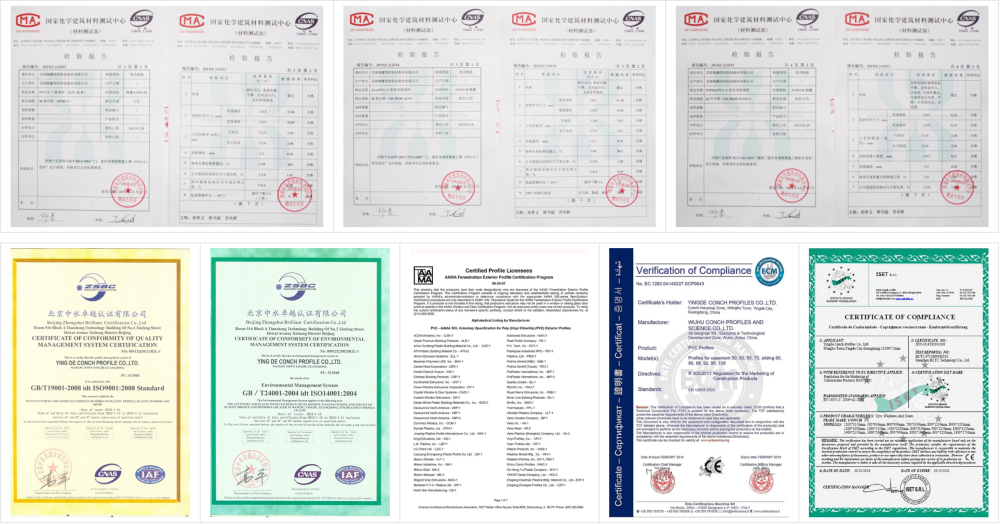
When evaluating potential manufacturing partners, consider several key capabilities. Production capacity determines the supplier's ability to meet project deadlines, particularly for large projects requiring phased deliveries. Quality certifications such as ISO 9001, CE marking for European markets, and AAMA certification for North American projects ensure consistent manufacturing quality.
Request case studies or references from similar projects to verify performance claims. Assess technical support capabilities, including shop drawing review services and coordination with construction teams during the design phases. Supply chain stability is critical – established relationships with raw material providers and logistics partners reduce delivery risk.
Customisation and Bulk Negotiations
Large volume orders provide leverage for specification customisation and price optimisation. Discuss flexibility in delivery scheduling – suppliers often offer better pricing if production can align with their manufacturing cycles. Standardising certain components while customising others across multiple openings can reduce unit costs.
During the negotiation phase, address packaging, delivery logistics, and on‑site storage requirements. Clarify responsibilities for site measurement, installation guidance, and warranty administration. Well‑structured agreements anticipate these practical issues rather than resolving them after the fact.
Installation and After‑Sales Considerations
Even premium window systems underperform when installation quality is inadequate. Discuss installation requirements with suppliers, including water‑proofing details, shimming specifications, and fastener schedules. Some manufacturers offer training or certification programs for installation crews to ensure proper execution.
Warranty coverage varies significantly between manufacturers. Review what components are covered, duration of coverage, exclusions, and claim procedures. Service agreements that include periodic inspections and adjustments protect long‑term performance. Establish clear communication channels to address field issues quickly – response time affects both project schedules and client satisfaction. Procurement excellence involves balancing immediate project needs with long‑term performance assurance.
Maintenance, Lifespan, and Long‑Term Performance Optimisation
Routine Care Requirements
Thermal break casement windows require minimal maintenance compared to other building components. Quarterly cleaning with soft, non‑abrasive cloths and mild soap solutions preserves appearance and removes debris that could affect performance. Annual lubrication of hinges, locks, and moving parts with silicone‑based products ensures smooth operation. Drainage channels built into frame designs should be inspected regularly to ensure weep holes remain clear.
Durability Factors
Service life depends on installation quality, environmental exposure, and usage patterns. In moderate climates, properly installed systems typically perform reliably for 40‑50 years. UV stabilisers incorporated during manufacture prevent colour fading and material degradation. The aluminium frame will not rot, warp, or corrode, and galvanised steel reinforcement remains corrosion‑free while moisture protection remains intact.
Performance Enhancement Opportunities
Building owners can optimise existing systems through targeted upgrades. Replacing weatherstripping restores airtightness as seals compress over time. Upgrading glazing units alone can improve thermal or acoustic performance without complete window replacement – an excellent option when building envelopes need enhanced performance to meet current energy standards. Hardware adjustment services can restore proper operation if sashes become misaligned.
Inspection Protocols
Systematic inspection schedules are beneficial for commercial properties. Annual inspections should document hardware condition, seal integrity, glass unit condition, and operational smoothness. Early identification of minor issues prevents escalation to more extensive repairs. Thermal imaging during heating seasons can identify air leakage points requiring attention.
Design Ideas and Applications for Thermal Break Casement Windows in B2B Contexts
Architectural Versatility
The slim sightlines of thermal break casement windows complement a wide range of design styles. Modern commercial buildings benefit from the clean, minimalist appearance and maximised glass area. Heritage renovation projects use thermal break windows to replicate traditional profiles while delivering modern energy performance – essential when working within conservation area or landmark designation constraints. The availability of any RAL colour allows matching existing architectural elements.
Sector‑Specific Applications
Office buildings benefit from thermal break casement windows through improved climate control, enhanced views, and increased natural light. Slim sightlines maximise the window‑to‑wall ratio, allowing more daylight penetration. Operable configurations provide supplemental airflow that supports mixed‑mode HVAC strategies for energy reduction. Hospitality projects value the sleek appearance and acoustic performance that contribute to guest comfort and property positioning. Retail spaces benefit from security features and visual merchandising opportunities offered by clear glass. Institutional buildings leverage the durability and low‑maintenance characteristics that reduce lifetime facility costs.
Sustainability Considerations
Material selection impacts environmental performance over the building's lifecycle. Modern aluminium extrusion processes incorporate recovered and recycled industrial waste. Improved thermal efficiency reduces operational carbon by decreasing energy consumption for heating and cooling. Extended service life reduces replacement frequency and material consumption. At end of life, aluminium components are fully recyclable, supporting circular economy principles. These sustainability attributes contribute to green building certification programs including LEED, BREEAM, and similar rating systems.
Frequently Asked Questions About Thermal Break Casement Windows
Q: What are the primary performance advantages of thermal break casement windows?
A: Thermal break casement windows deliver superior energy efficiency with U‑values as low as 1.2‑1.8 W/m²K with double glazing, excellent airtightness (≤0.05 cfm/ft²), and enhanced condensation resistance. The compression seal design outperforms sliding systems, and the aluminium frame provides structural strength with slim sightlines.
Q: How much more expensive are thermal break casement windows compared to standard aluminium?
A: Typically 20‑40% higher in initial cost due to the polyamide strip and more complex extrusion. However, energy savings usually recover the premium within 3‑7 years, depending on local energy prices and climate. The elimination of condensation damage also prevents costly repairs to adjacent finishes.
Q: What warranty coverage should procurement managers expect?
A: Comprehensive warranties typically cover manufacturing defects in profiles, hardware, and glass components. Coverage terms vary by manufacturer and component – frame warranties are usually longer than those for moving parts or seals. Verify claim procedures and whether coverage is transferable upon property ownership change.
Q: Can thermal break casement windows be used in coastal or high‑wind areas?
A: Yes. Aluminium is highly resistant to salt spray corrosion, especially with marine‑grade powder coating (AAMA 2605). Systems can be engineered for DP‑50 (2,400 Pa) to DP‑80 (3,800 Pa) wind load ratings. Stainless steel hardware is recommended for maximum durability in coastal environments.
Q: What is the typical lifespan of thermal break casement windows?
A: 40‑50 years for the aluminium frame. Hardware and weather seals may need replacement after 15‑20 years. The polyamide thermal break strip lasts the life of the window. With proper maintenance, the system will serve reliably for decades.
Partner with Haolv Building Materials for Premium Thermal Break Casement Solutions
Haolv Building Materials brings 18 years of manufacturing experience to every project for procurement managers and specifiers seeking reliable thermal break casement window suppliers. Our automatic production facilities with precision CNC cutting, advanced extrusion lines, and ISO‑certified quality management ensure consistent product quality. We offer free, detailed technical consultations to help you make the best choices for your project – from frame colours and hardware selections to specific glass configurations.
We give your projects the performance they need with 30mm polyamide thermal breaks, multi‑chamber profiles, stainless steel multi‑point locking mechanisms, and triple EPDM sealing systems that come standard on all our product lines. Our 25‑30 day production cycles, strong inventory management, and full‑process project planning lower procurement risk while meeting tight construction deadlines. Email our team at kristin@haolvwindows.com to discuss your specific requirements, obtain detailed quotations, or arrange sample deliveries.

USER EVALUATE
Here is the customer's evaluation of us