




Tilt Turn Window German Style Benefits for Climate Control
Are you struggling with uncomfortable temperature fluctuations inside your home despite running your HVAC system constantly? Do your traditional windows fail to provide adequate ventilation without exposing your family to security risks or harsh weather conditions? The Tilt Turn Window German Style offers a revolutionary solution to modern climate control challenges. These innovative dual-function windows combine precision German engineering with advanced thermal technology, allowing you to maintain optimal indoor temperatures throughout the year while significantly reducing energy consumption. Whether you're facing sweltering summers, freezing winters, or unpredictable weather patterns, understanding how Tilt Turn Window German Style systems enhance climate control capabilities can transform your living environment and dramatically lower your utility costs.
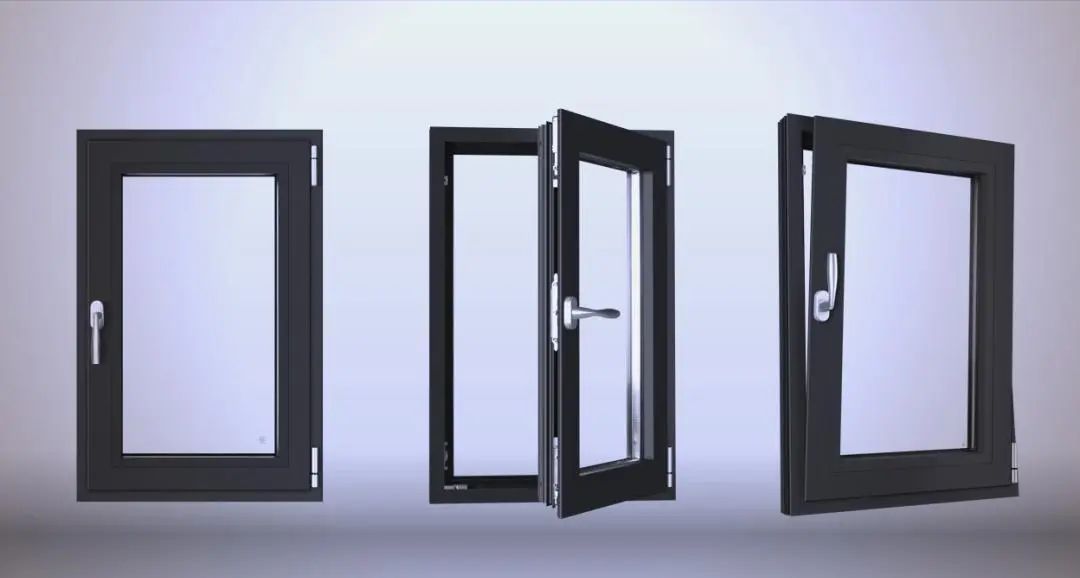
How Tilt Turn Window German Style Systems Revolutionize Indoor Climate Management?
The Tilt Turn Window German Style represents decades of engineering refinement specifically designed to address the complex demands of modern climate control. Unlike traditional window designs that force homeowners to choose between ventilation and security, these sophisticated systems deliver both simultaneously through their innovative dual-operation mechanism. The fundamental design philosophy behind Tilt Turn Window German Style units prioritizes creating a balanced indoor environment that responds intelligently to changing external conditions while maintaining energy efficiency.
Understanding the Dual-Function Climate Control Mechanism
The Tilt Turn Window German Style operates through two distinct positions that work together to optimize your indoor climate throughout different seasons and weather conditions. When you rotate the ergonomic handle ninety degrees, the window swings open completely like a conventional door, providing maximum airflow for rapid ventilation or emergency situations. This turn position proves invaluable during spring and fall when you want to refresh your entire living space quickly or when you need to purge stale air from your home. The engineering precision ensures smooth operation even with large window units, thanks to the reinforced 6063-T5 thermal break aluminum alloy construction that maintains structural integrity while supporting substantial glass weight. The true innovation appears when you rotate the handle to the one-hundred-eighty-degree position, engaging the tilt function. In this configuration, the Tilt Turn Window German Style pivots inward from the bottom hinge, creating a secure opening at the top of approximately fifteen degrees. This angled opening fundamentally changes how air circulates through your space. Rather than allowing cold drafts to blow directly at occupants as traditional windows do, the tilted position directs incoming fresh air upward toward the ceiling. This creates a gentle circulation pattern where cooler exterior air enters at an elevated angle, gradually mixing with warmer indoor air as it descends, resulting in a more comfortable and evenly distributed temperature throughout the room. This ventilation method prevents the uncomfortable drafts and temperature stratification common with conventional window designs.
Advanced Thermal Break Technology for Year-Round Efficiency
The Tilt Turn Window German Style incorporates sophisticated thermal break aluminum construction that serves as the foundation for superior climate control performance. The 6063-T5 aluminum alloy frames feature multi-chamber profiles specifically engineered to interrupt heat transfer pathways between interior and exterior surfaces. Our seventy and seventy-five series options provide varying levels of thermal resistance, with wider profiles accommodating additional insulation chambers that significantly enhance energy retention. These chambers create air pockets that function as thermal barriers, preventing heat from escaping during winter months and blocking unwanted solar heat gain during summer. The thermal break design works in conjunction with premium glazing systems to maximize climate control benefits. Our standard five-plus-twenty-A-plus-five double glazing configuration features two panes of high-performance glass separated by a twenty-millimeter insulating air space. This glazing system delivers exceptional thermal insulation values while maintaining optical clarity and natural light transmission. For clients requiring enhanced performance in extreme climates, we offer upgrades to triple glazing or low-emissivity coated glass that reflects infrared radiation while allowing visible light to pass through. The deep glass insertion design, extending twenty-six millimeters into the frame compared to standard eighteen-millimeter depths, further improves thermal performance and reduces condensation risks by keeping interior glass surfaces warmer.
Seasonal Climate Control Advantages of Tilt Turn Window German Style
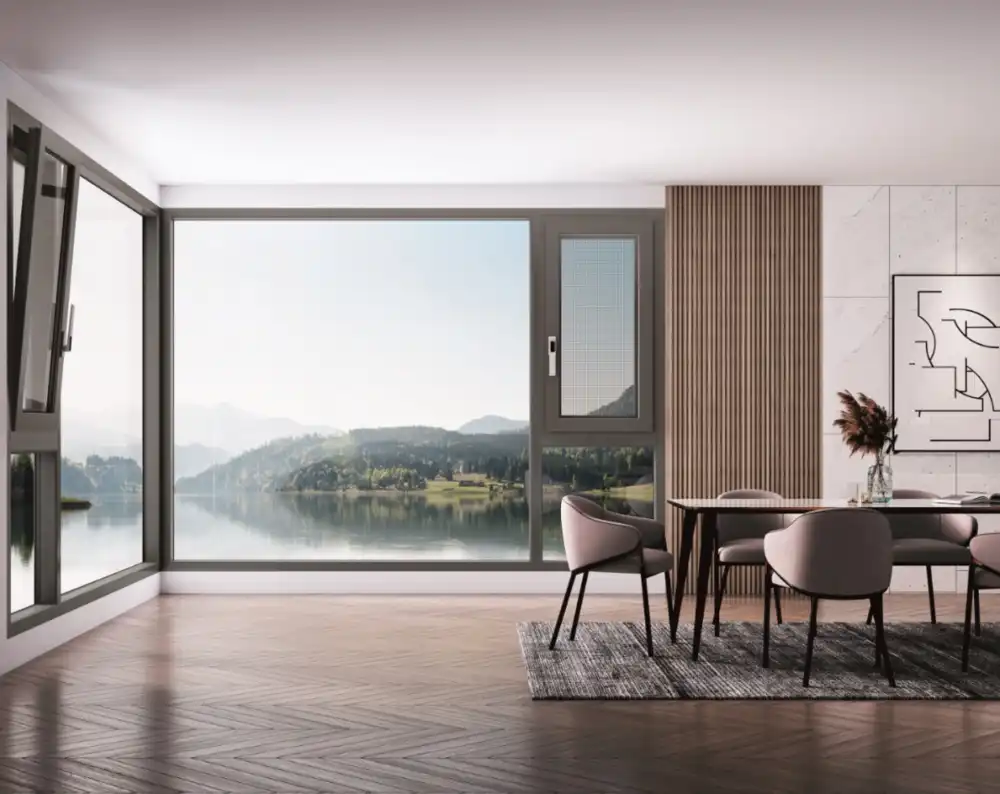
Understanding how Tilt Turn Window German Style systems perform across different seasons helps homeowners maximize their climate control benefits throughout the entire year. These windows adapt to changing environmental conditions, providing optimal performance whether you're facing extreme heat, bitter cold, or transitional weather patterns.
Summer Climate Management and Heat Prevention
During hot summer months, managing solar heat gain becomes critical for maintaining comfortable indoor temperatures without overburdening air conditioning systems. The Tilt Turn Window German Style excels in this application through multiple complementary features. The tilt position allows you to maintain continuous ventilation even when direct sunlight hits the window, creating natural convection currents that help dissipate accumulated heat. Because the window tilts inward from the top, you can safely leave windows open overnight to take advantage of cooler nighttime temperatures for natural cooling, significantly reducing reliance on mechanical air conditioning systems. The advanced glazing options available for Tilt Turn Window German Style units provide additional summer climate benefits. Low-emissivity coatings can be specified with solar control characteristics that reflect infrared heat radiation before it enters your living space while still allowing natural daylight transmission. This selective filtration reduces cooling loads by up to thirty percent compared to standard clear glass, translating directly into lower electricity consumption and improved comfort. The robust sealing system prevents warm outdoor air from infiltrating around the window perimeter, maintaining the cool indoor environment your air conditioning system works to create. Commercial clients in hot climates particularly appreciate how these features reduce peak cooling demands and associated energy costs.
Winter Insulation and Heat Retention Benefits
The true engineering excellence of Tilt Turn Window German Style becomes apparent during winter months when heat retention directly impacts comfort and heating costs. The multi-point compression sealing system creates an airtight barrier when windows are fully closed, with multiple rubber gaskets engaging simultaneously around the entire perimeter. This comprehensive sealing eliminates the drafts and air leakage common with traditional sliding or double-hung windows that rely on simple friction fits. Laboratory testing confirms these windows achieve exceptional air tightness ratings that exceed international building standards for thermal performance. The thermal break aluminum construction prevents conductive heat loss through the frame material itself. Traditional aluminum windows conduct heat rapidly, creating cold spots on interior surfaces that lead to condensation and discomfort. The Tilt Turn Window German Style solves this problem by incorporating plastic thermal break sections that physically separate interior and exterior aluminum surfaces. This interruption in the thermal pathway maintains warmer interior frame temperatures even when outdoor conditions drop well below freezing. Homeowners consistently report dramatic reductions in heating costs, with energy savings frequently exceeding twenty-five percent compared to older window technologies. The investment in quality Tilt Turn Window German Style units typically generates positive returns through reduced utility bills within five to seven years.
Transitional Season Flexibility and Comfort
Spring and autumn present unique climate control challenges as daily temperature swings require frequent adjustments to maintain comfort. The Tilt Turn Window German Style provides unmatched flexibility during these transitional periods. Morning hours might require windows tilted open to bring in fresh air and flush out overnight stuffiness, while afternoon temperature increases necessitate closing windows to maintain comfortable interior conditions. The intuitive single-handle operation makes these adjustments effortless, encouraging optimal ventilation practices that improve indoor air quality without compromising energy efficiency. The rain protection benefits of the tilt position prove especially valuable during spring showers and autumn storms. When windows tilt inward, the overhang created by the window sash directs rainwater down the exterior glass surface into designed drainage channels rather than allowing it to enter your home. This means you can maintain ventilation even during rainy weather, something impossible with traditional outward-opening casement windows or sliding units. Clients living in coastal regions or areas with frequent precipitation particularly value this capability, as it allows them to enjoy fresh air circulation without monitoring weather conditions constantly or worrying about water damage to interior surfaces.
Energy Efficiency and Cost Savings Through Climate-Optimized Design
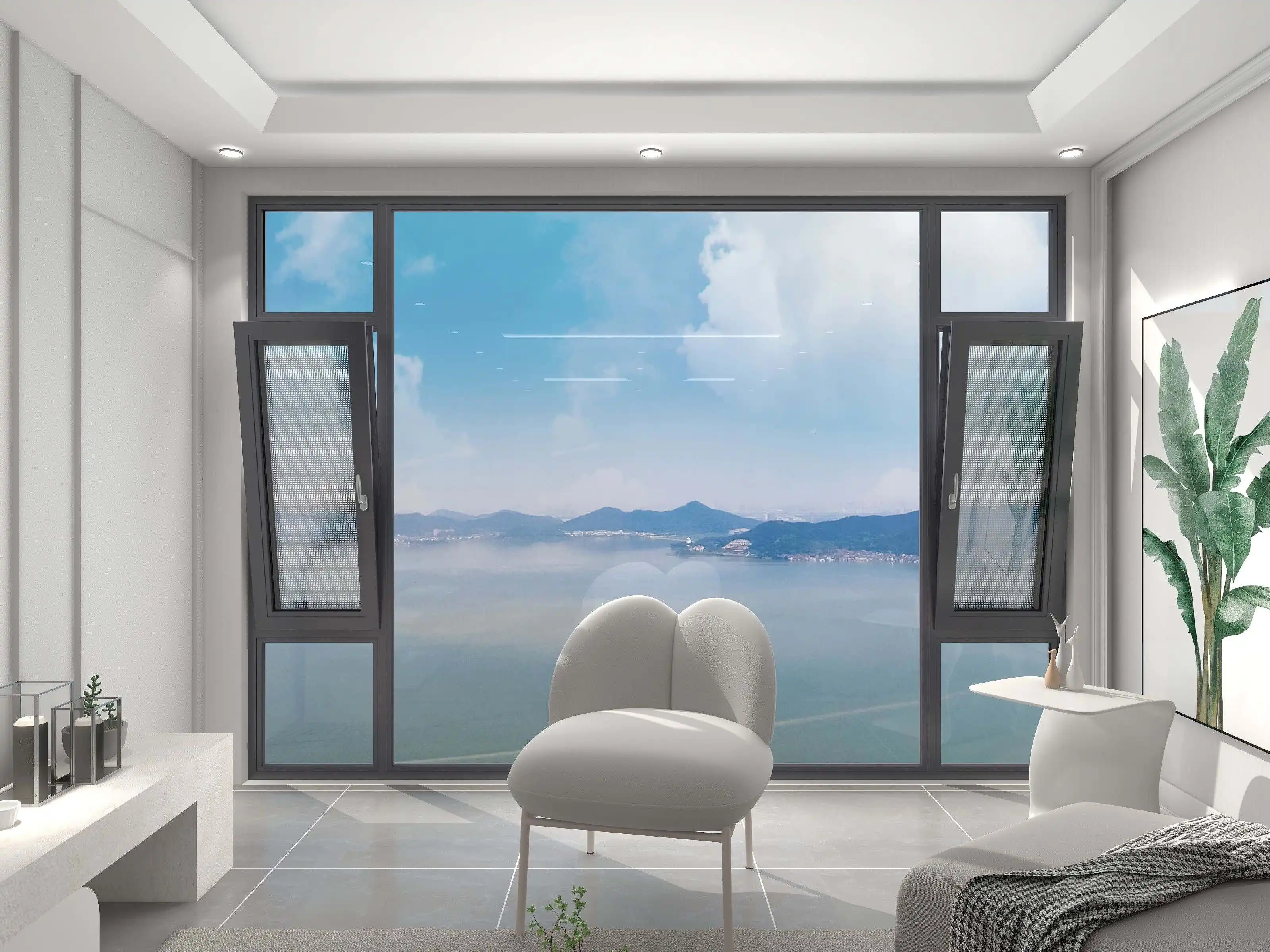
The financial implications of choosing Tilt Turn Window German Style extend far beyond initial purchase costs. These windows function as long-term investments that deliver measurable returns through reduced energy consumption and enhanced property value.
Quantifying Energy Savings and Utility Cost Reductions
Independent energy audits consistently demonstrate that upgrading to Tilt Turn Window German Style systems generates substantial utility cost savings. The combination of superior insulation values, airtight sealing, and intelligent ventilation capabilities reduces total heating and cooling energy consumption by twenty-five to forty percent in typical residential applications. For a household spending two thousand dollars annually on climate control, this translates to five hundred to eight hundred dollars in annual savings. Over the expected lifespan of thirty to forty years, cumulative savings easily exceed fifteen thousand to thirty thousand dollars, far surpassing the initial investment differential compared to standard windows. The energy efficiency benefits extend beyond direct utility costs. Many regional and national energy programs offer rebates and tax incentives for installing high-performance windows that meet specified thermal performance criteria. Tilt Turn Window German Style units typically qualify for these programs due to their exceptional insulation ratings and air leakage control. Homeowners should investigate available incentive programs in their area, as combined savings from reduced energy bills and upfront rebates significantly improve project economics. Additionally, properties featuring energy-efficient window systems command higher resale values, with real estate studies indicating that quality windows contribute two to four percent premiums in competitive markets.
Environmental Impact and Sustainable Building Practices
Choosing Tilt Turn Window German Style aligns with broader environmental sustainability goals that resonate with eco-conscious homeowners and meet increasingly stringent building codes. The reduced energy consumption directly translates to decreased carbon emissions from power generation, with typical residential installations preventing three to five tons of carbon dioxide emissions annually compared to inefficient window systems. Over decades of service life, each Tilt Turn Window German Style installation effectively removes the equivalent of several years of average automobile emissions from the atmosphere. The durability and longevity of these windows further enhance their environmental credentials. While lower-quality windows might require replacement every fifteen to twenty years, properly maintained Tilt Turn Window German Style units continue delivering optimal performance for three to four decades. This extended service life reduces manufacturing demand, transportation emissions, and landfill waste associated with premature replacement cycles. The thermal break aluminum construction resists corrosion and weathering far better than vinyl or wood alternatives, maintaining structural integrity and aesthetic appearance throughout its lifespan with minimal maintenance requirements. Architects and developers targeting green building certifications such as LEED find that specifying Tilt Turn Window German Style contributes valuable points toward energy performance and sustainable material selection categories.
Enhanced Comfort Features Beyond Temperature Control
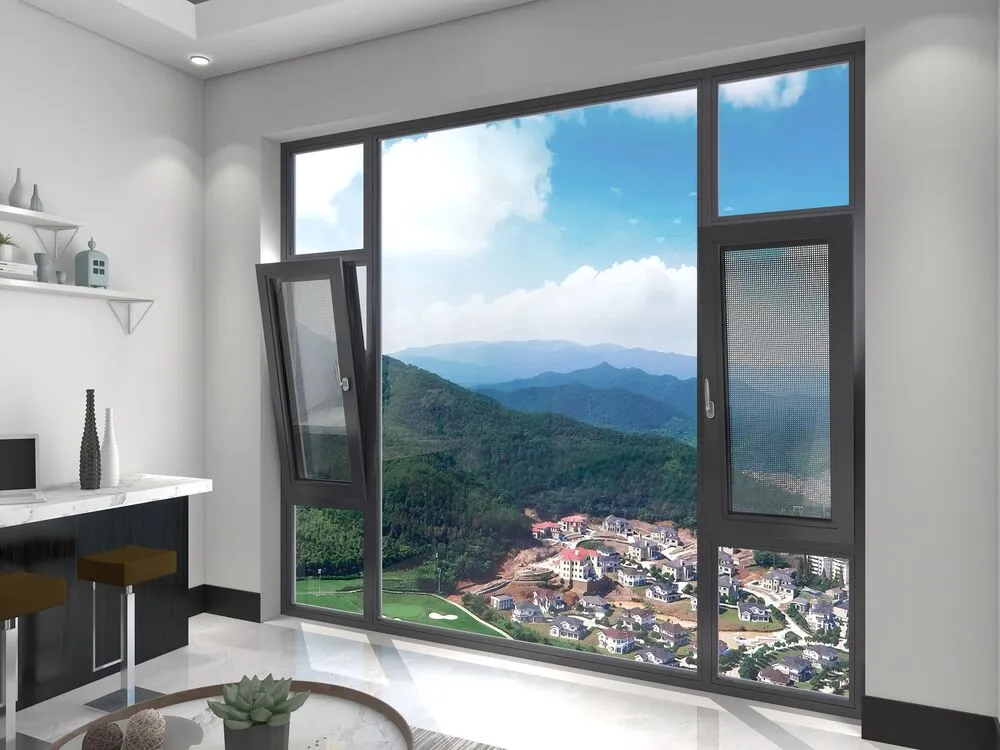
While climate management represents the primary benefit, Tilt Turn Window German Style systems deliver additional comfort enhancements that improve overall living quality and resident satisfaction.
Acoustic Performance and Noise Reduction Capabilities
The same sealing technology that prevents air infiltration also provides exceptional acoustic insulation, dramatically reducing exterior noise intrusion. The multi-point compression seals create a continuous barrier that blocks sound transmission paths, while the substantial glass thickness and insulating air spaces within double or triple glazing units absorb and dampen acoustic energy. Testing confirms that properly installed Tilt Turn Window German Style systems reduce exterior noise levels by forty to forty-five decibels, transforming noisy urban environments into peaceful interior sanctuaries. Homeowners located near busy streets, airports, or commercial districts report life-changing improvements in sleep quality and daytime concentration after installing Tilt Turn Window German Style units. The ability to maintain closed windows without sacrificing natural daylight means you no longer face the choice between quiet comfort and connection to the outdoors. Even when utilizing the tilt position for ventilation, the angled opening configuration provides significantly better noise attenuation compared to fully open traditional windows. Commercial applications including hotels, hospitals, and educational facilities particularly benefit from these acoustic properties, as they support healing, learning, and rest by creating appropriate sound environments.
Indoor Air Quality Management and Health Benefits
Modern building science increasingly recognizes the connection between ventilation, indoor air quality, and occupant health. Tightly sealed buildings prevent infiltration of unconditioned outdoor air, improving energy efficiency but potentially trapping pollutants, excess humidity, and stale air inside living spaces. The Tilt Turn Window German Style addresses this challenge by enabling controlled natural ventilation that maintains energy efficiency while ensuring adequate fresh air exchange. The tilt position provides continuous gentle airflow that removes indoor pollutants including volatile organic compounds from furnishings and cleaning products, excess carbon dioxide from respiration, and humidity from cooking and bathing activities. Research demonstrates that proper ventilation significantly impacts cognitive function, sleep quality, and respiratory health. By making ventilation convenient and weather-resistant through the tilt function, Tilt Turn Window German Style systems encourage healthy ventilation practices that occupants might otherwise neglect with traditional windows. The upward-directed airflow pattern prevents uncomfortable drafts that cause people to close windows prematurely, maintaining beneficial air exchange even during colder weather. Families with young children, elderly residents, or individuals with respiratory sensitivities particularly appreciate how these windows support healthier indoor environments without compromising comfort or security.
Conclusion
The Tilt Turn Window German Style delivers comprehensive climate control benefits through innovative dual-function design, advanced thermal engineering, and precision manufacturing. These systems reduce energy consumption while enhancing comfort, making them essential for modern sustainable building practices.
Cooperate With Hunan Haolv Building Materials Co., Ltd.
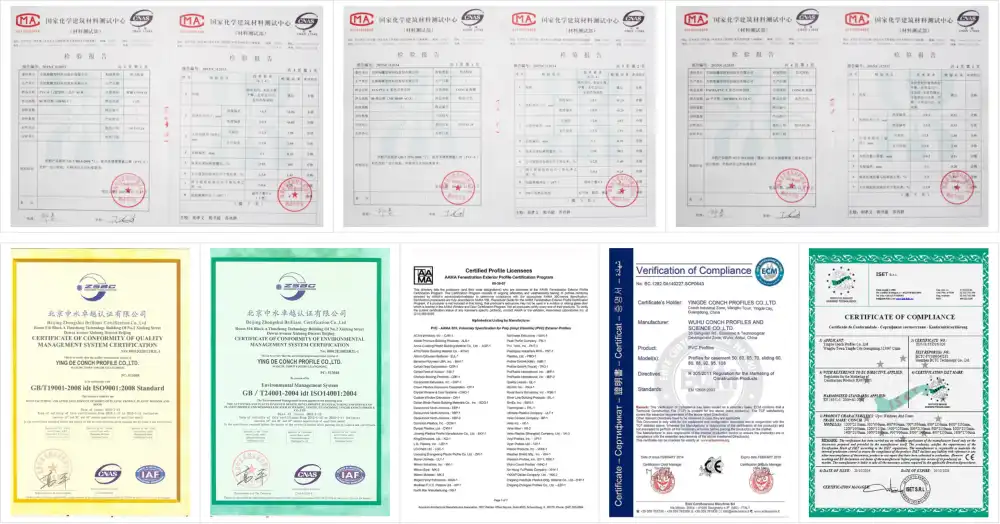
Partner with Hunan Haolv Building Materials Co., Ltd., your trusted China Tilt Turn Window German Style factory, China Tilt Turn Window German Style supplier, and China Tilt Turn Window German Style manufacturer. With eighteen years of manufacturing expertise and partnerships with premium material suppliers like CONCH, we deliver superior wholesale Tilt Turn Window German Style solutions. Request your Tilt Turn Window German Style quotation today to discover competitive Tilt Turn Window German Style price options. We offer Bulk Tilt Turn Window German Style orders, Customized Tilt Turn Window German Style designs, and comprehensive Tilt Turn Window German Style Pricelist. Our services include customized engineering, one-stop product support, free technical consultation, complimentary sample shipping, and full-process project management. Contact kristin@haolvwindows.com for professional solutions tailored to your climate control requirements.
References
1. Feist, Wolfgang. "Passive House Planning Package: Requirements for Quality Approved Passive Houses." Passivhaus Institut, 2015.
2. Fang, Yueming and Eames, Philip C. "The Effect of Glass Coating Emittance and Frame Rebate Geometry on Heat Transfer Through Window Systems." Energy and Buildings, 2008.
3. Kosny, Jan and Christian, Jeffrey E. "Thermal Evaluation of Several Configurations of Insulation and Structural Materials for Some Metal Stud Walls." Oak Ridge National Laboratory, 1995.
4. Asdrubali, Francesco and Baldinelli, Giorgio. "Thermal Transmittance Measurements with the Hot Box Method: Calibration and Uncertainty Estimates." Energy and Buildings, 2011.
5. Ng, Lisa and Persily, Andrew. "Indoor Air Quality Analyses of Commercial Reference Buildings." National Institute of Standards and Technology, 2012.

USER EVALUATE
Here is the customer's evaluation of us