




UPVC Door and Window Profiles The Engineered Foundation of Modern Fenestration
Behind every high-performance UPVC window or door lies a critical component: the profile. UPVC door and window profiles are the extruded shapes that form frames, sashes, and thresholds. The quality of these profiles determines the energy efficiency, durability, security, and appearance of the finished product. This comprehensive guide explores the materials, design features, performance characteristics, and selection criteria for UPVC door and window profiles.
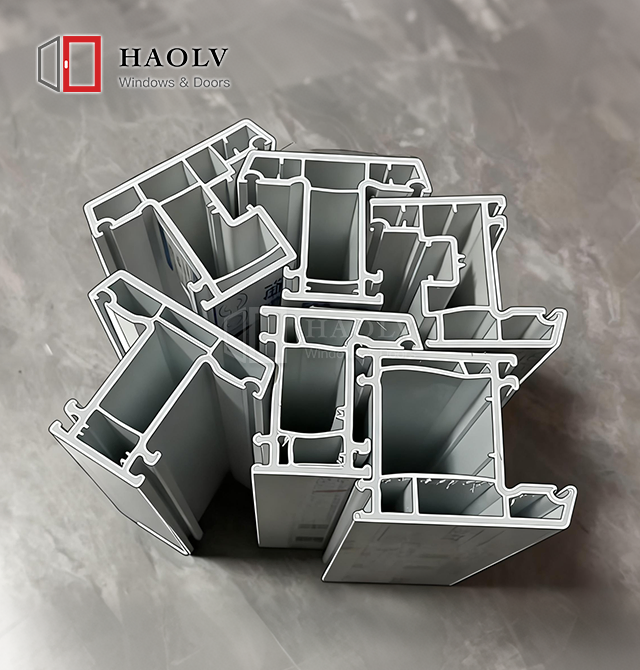
Understanding UPVC Door and Window Profiles
UPVC door and window profiles are manufactured through an extrusion process where heated UPVC material is forced through a steel die to create specific cross-sectional shapes. The raw material is virgin UPVC (unplasticized polyvinyl chloride) compounded with additives including heat stabilizers, UV stabilizers, impact modifiers, processing aids, and pigments.
The profiles feature multi-chambered designs—multiple hollow cavities running the length of the profile. These chambers serve two critical functions: they provide structural rigidity without excessive weight, and they trap still air, which is an excellent natural insulator. The number of chambers typically ranges from three to seven, with more chambers generally providing better thermal insulation.
Steel reinforcement is inserted into the main chambers of larger profiles such as door frames and casement sashes. This galvanized or stainless steel insert, typically 1.2mm to 2.0mm thick, provides the structural strength needed for larger spans and heavy glass units. Without reinforcement, UPVC profiles would deflect under wind loads or the weight of double glazing.
The visible surfaces of UPVC door and window profiles can be finished in several ways. White profiles are typically co-extruded with a UV-resistant capstock layer. Colored profiles are produced through co-extrusion of a colored capstock or through lamination with decorative foils. Woodgrain finishes are achieved through high-quality laminates that replicate oak, mahogany, walnut, cherry, and other timbers.
Key Design Features of Quality UPVC Profiles
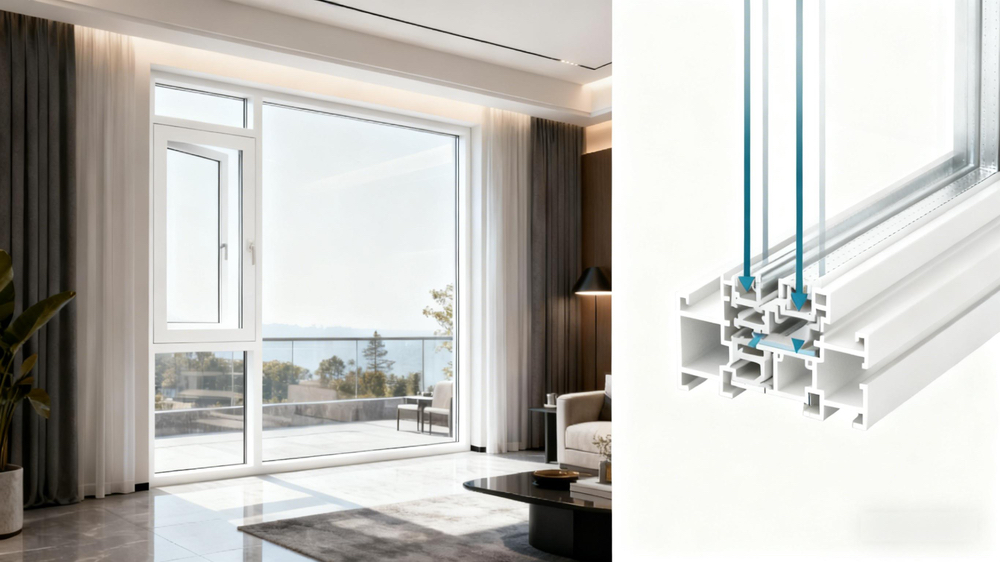
Multi-chamber geometry is the most important thermal design feature. Each chamber traps a layer of still air. Premium UPVC profiles feature asymmetrical chamber designs that maximize thermal performance while maintaining structural integrity. The outer walls are typically thicker (2.5mm to 3.5mm) than internal walls to resist impact and weathering.
Thermal conductivity of UPVC is inherently low at approximately 0.16 W/mK. This is significantly better than aluminum (approximately 160 to 210 W/mK) and comparable to wood. The multi-chamber design further enhances this natural insulation property, making UPVC one of the most thermally efficient framing materials available.
Steel reinforcement cavities are strategically positioned where strength is needed most—hinge sides, lock sides, and meeting rails. The cavities are designed to accept standard C-shaped or rectangular steel inserts that are secured with screws or friction fits.
Gasket grooves are precision-molded into the profiles to accept EPDM or silicone weather seals. These grooves must maintain consistent dimensions to ensure uniform gasket compression when the window or door is closed. Poorly designed grooves lead to air and water leakage.
Drainage channels are incorporated into the bottom of frames to allow any water that penetrates the outer seals to escape to the exterior. Proper drainage design prevents water from accumulating inside the profile chambers, which could lead to freezing damage in cold climates or mold growth in humid conditions.
Reinforced corners are achieved through precision welding of mitered profile ends. High-frequency welding creates a corner that is as strong as the original profile material. Poor welding results in weak corners that can separate under stress, compromising the entire window or door.
Performance Characteristics of UPVC Profiles
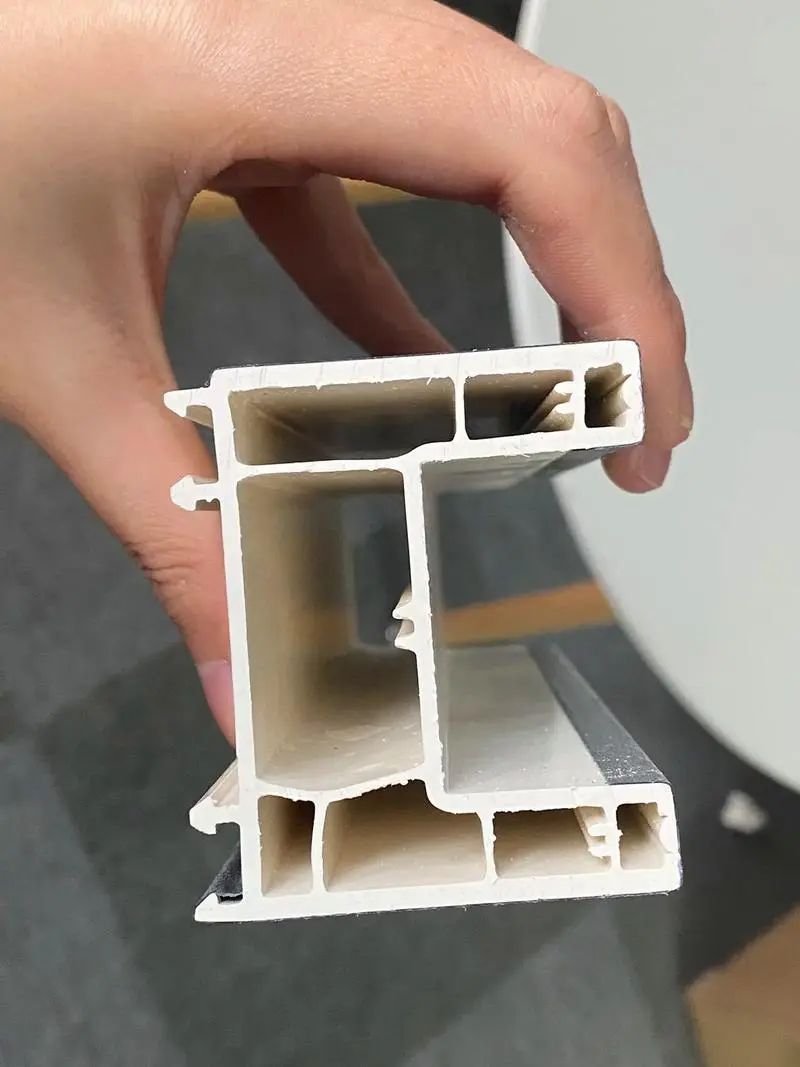
Thermal performance is measured by the U-value of the finished window or door. A profile with more chambers, thicker external walls, and optimized geometry achieves lower U-values. Premium UPVC door and window profiles enable finished U-values of 1.1 to 1.6 W/m²K with double glazing, and below 0.9 W/m²K with triple glazing.
Structural strength is determined by the profile wall thickness and steel reinforcement. Quality profiles have external wall thickness of 2.5mm to 3.5mm. The steel insert should be at least 1.5mm thick for standard applications and 2.0mm for large doors or high-wind areas. Profiles should be tested to withstand design pressures of DP-40 to DP-50.
Weather resistance depends on the quality of the UPVC compound. UV stabilizers prevent yellowing and surface degradation. Heat stabilizers maintain dimensional stability during temperature extremes (from -40°C to +80°C). Impact modifiers prevent cracking from accidental impacts, especially important in colder climates.
Durability of quality UPVC profiles exceeds 30 to 40 years. The material does not rot, corrode, or support mold growth. Color stability depends on the quality of the capstock or laminate; premium co-extruded colors retain their appearance for 30+ years. Unlike painted surfaces, the color is integral and will not peel.
Sound insulation benefits from the multi-chamber design. The air cavities dampen sound transmission. UPVC profiles typically achieve sound transmission class (STC) ratings of 30 to 35 for the frame alone, with additional improvement from glazing (up to STC 40 with laminated glass).
Applications for UPVC Door and Window Profiles
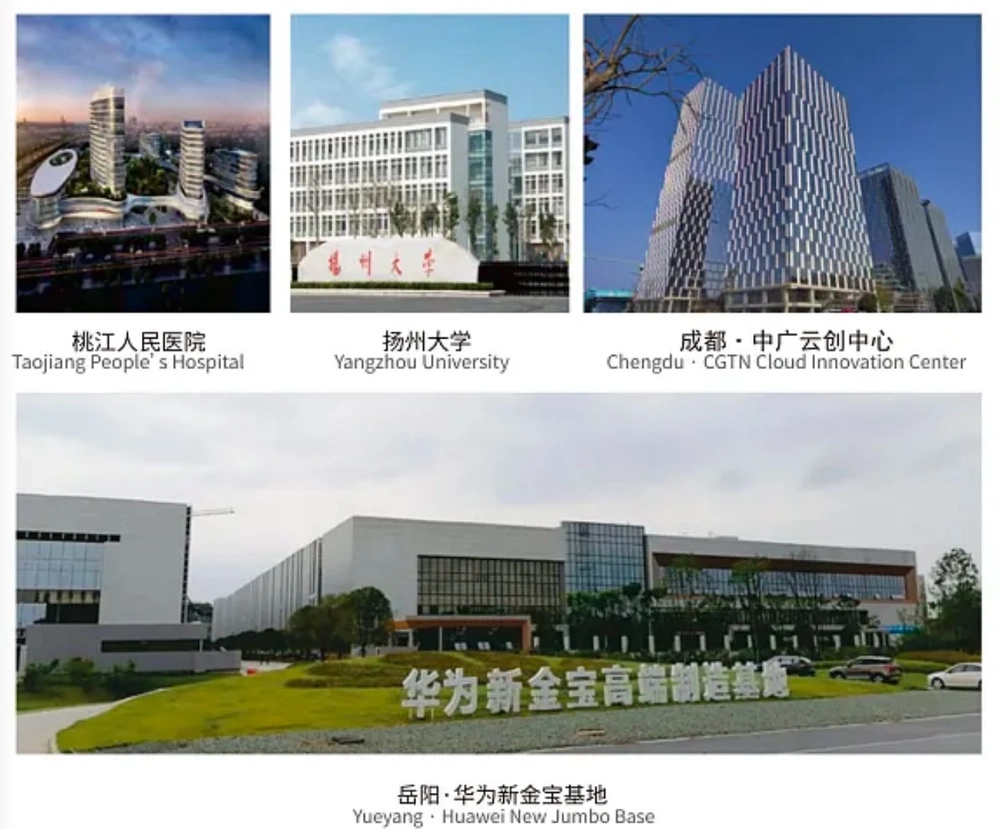
Residential windows and doors are the most common application. Profiles are extruded for casement windows, sliding windows, tilt and turn windows, sliding doors, swing doors, and French doors. Each operating style requires specific profile geometries.
Commercial buildings including offices, hotels, schools, and healthcare facilities use UPVC profiles for their durability, low maintenance, and energy efficiency. Commercial-grade profiles often have thicker walls and enhanced steel reinforcement.
High-rise buildings require profiles with enhanced steel reinforcement and higher wind load ratings (DP-50 or DP-60). Profile design must also accommodate pressure equalization to prevent water infiltration in tall buildings.
Coastal environments benefit from UPVC’s corrosion resistance. Unlike aluminum, UPVC does not pit or corrode in salt spray, making it an excellent choice for beachfront properties.
Frequently Asked Questions About UPVC Door and Window Profiles
Q: How many chambers should a quality UPVC profile have?
A: For standard residential applications, 5 to 7 chambers provide excellent thermal performance. Three-chamber profiles are entry-level and suitable for mild climates. Seven-chamber or more profiles are premium and ideal for cold climates or passive house projects.
Q: What is the difference between virgin UPVC and recycled UPVC?
A: Virgin UPVC is made from new material with consistent properties and no contaminants. Recycled UPVC may contain impurities that reduce strength, impact resistance, UV stability, and color consistency. Quality profiles use virgin UPVC, especially for visible surfaces.
Q: Is steel reinforcement always necessary in UPVC profiles?
A: No. For small windows (under 600mm wide) with single glazing, reinforcement may not be needed. For larger windows, doors, or any unit with double or triple glazing, steel reinforcement is essential to prevent deflection and ensure long-term operation.
Q: Can UPVC profiles be recycled at end of life?
A: Yes, UPVC is recyclable. Many manufacturers have take-back programs. However, steel reinforcement must be removed before recycling. Recycled UPVC can be used for non-structural applications such as pipes or industrial profiles.
Q: How do I identify quality UPVC profiles?
A: Look for profiles with smooth, glossy surfaces, consistent wall thickness, sharp corner details, no visible voids or bubbles, and consistent color throughout. Check for manufacturer certifications such as ISO 9001 and product standards like BS 7412 (UK), EN 12608 (Europe), or AAMA (North America).
Selection and Specification Tips
When selecting UPVC door and window profiles, consider the climate zone (more chambers for colder climates), the size of the opening (larger openings require thicker steel reinforcement), the glazing weight (heavier glass requires stronger profiles and thicker steel), and the color and finish requirements (co-extruded colors are more durable than laminates for high UV exposure areas). Always request test reports for thermal performance, structural strength, and weathering from the profile manufacturer.
Conclusion
UPVC door and window profiles are the foundation of modern energy-efficient fenestration. Their multi-chamber geometry, inherent low thermal conductivity, steel reinforcement options, and precision-engineered features work together to create windows and doors that are durable, thermally efficient, secure, and low maintenance. Understanding profile design helps specifiers, builders, and homeowners make informed choices that deliver lasting value.
Cooperate With Hunan Haolv Building Materials Co., Ltd.
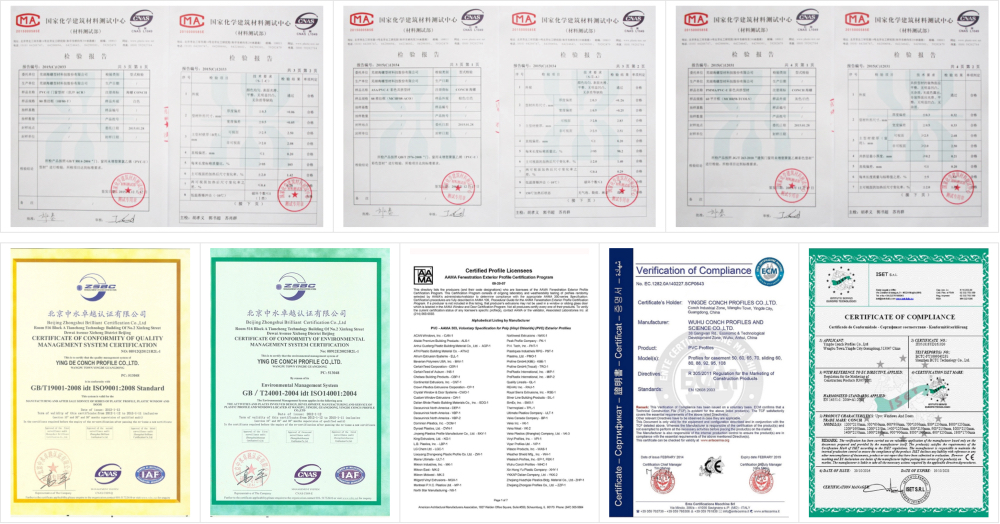
As a leading manufacturer of high-performance window systems, Hunan Haolv Building Materials Co., Ltd. brings over eighteen years of specialized expertise in UPVC door and window profiles. Our profiles are extruded from premium virgin UPVC material with multi-chamber designs (5 to 7 chambers), optimized steel reinforcement cavities, and precision gasket grooves. We offer a wide range of colors including white, anthracite gray, cream, brown, and woodgrain finishes. Every profile undergoes rigorous ISO-certified quality management from raw material compounding through final extrusion. For detailed quotations, pricelist information, or to discuss your specific profile requirements, please contact us today at kristin@haolvwindows.com.

USER EVALUATE
Here is the customer's evaluation of us