




UPVC Door Profiles Explained: Composition, Uses & Advantages
Are you struggling with rising energy costs and constant maintenance demands from your traditional doors? Modern buildings require solutions that combine durability, thermal efficiency, and long-term value without compromising aesthetic appeal. UPVC Door Profiles represent the engineering breakthrough that addresses these challenges head-on, offering a comprehensive answer to energy waste, structural weakness, and maintenance headaches that plague conventional door systems in residential and commercial applications worldwide.
Understanding UPVC Door Profiles: Material Composition and Engineering
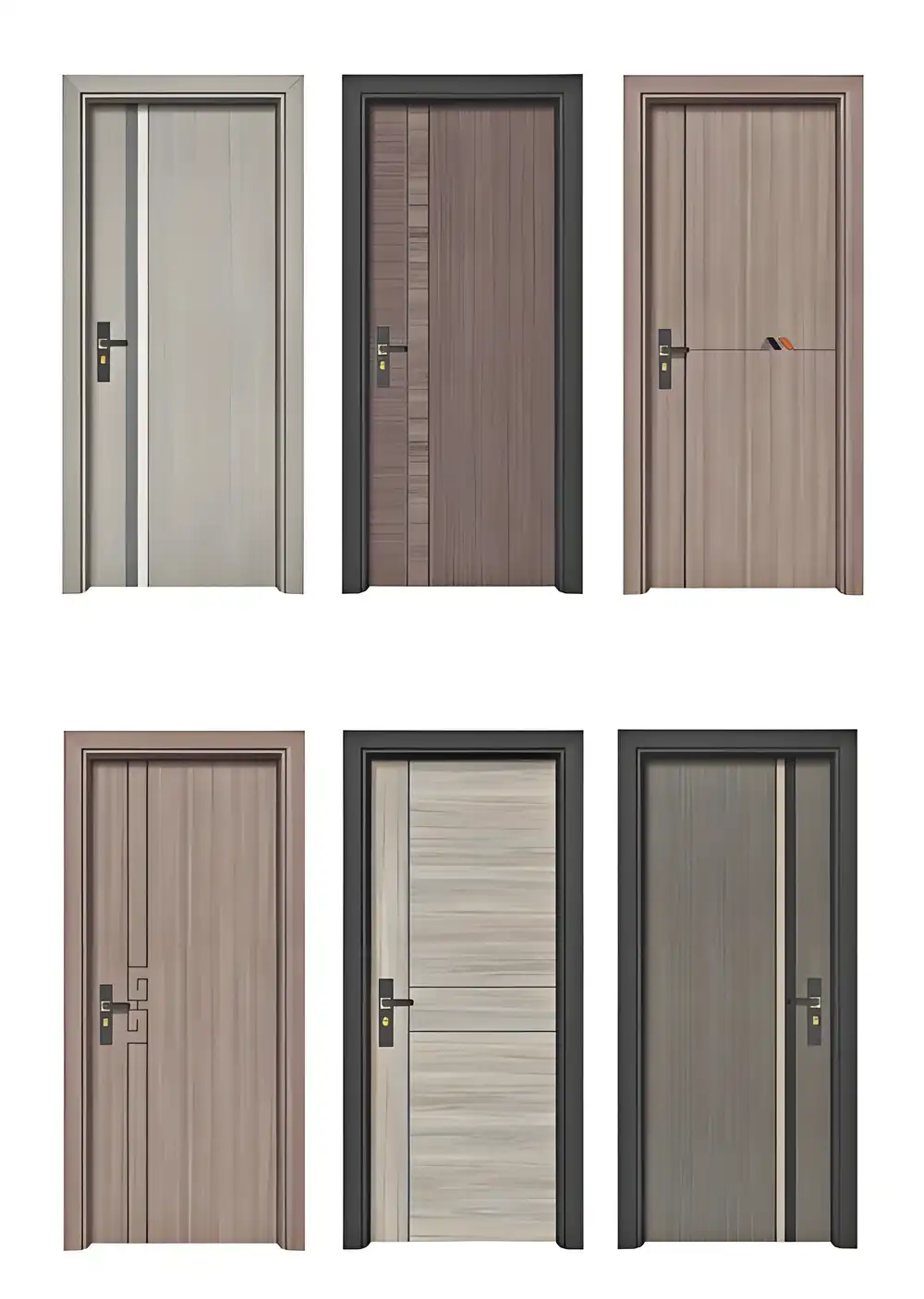
UPVC Door Profiles are sophisticated building components manufactured from Unplasticized Polyvinyl Chloride, a rigid polymer material that has revolutionized modern construction practices since its introduction in the 1970s. Unlike traditional PVC which contains plasticizers for flexibility, UPVC maintains its structural integrity through a carefully engineered formulation that combines PVC resin with stabilizers, impact modifiers, and titanium dioxide pigments. This unique composition creates profiles that resist environmental degradation while maintaining dimensional stability across extreme temperature variations ranging from negative fifty degrees Celsius to seventy degrees Celsius. The material naturally functions as an electrical insulator with non-conductive properties that enhance safety in residential and commercial applications. Lead-free formulations using calcium-zinc stabilizers ensure environmental compliance and protect occupant health, representing a significant advancement over older profile technologies that contained potentially harmful heavy metals. The manufacturing process for UPVC Door Profiles involves precision extrusion through specialized dies that create complex cross-sectional geometries. These profiles typically feature wall thickness measurements between 2.5 millimeters and 3.0 millimeters, providing robust structural characteristics essential for supporting heavy door installations. Advanced production facilities utilize CNC cutting equipment and automated assembly systems to maintain consistent quality throughout the manufacturing sequence. Each profile undergoes surface treatment processes including lamination or co-extrusion techniques that apply decorative finishes while enhancing UV resistance and weather protection. The material composition allows for diverse color options through advanced coating technologies, enabling UPVC Door Profiles to complement virtually any architectural design specification from classic white to sophisticated wood grain textures and contemporary dark brown finishes.
Multi-Chamber Technology: The Foundation of Superior Performance
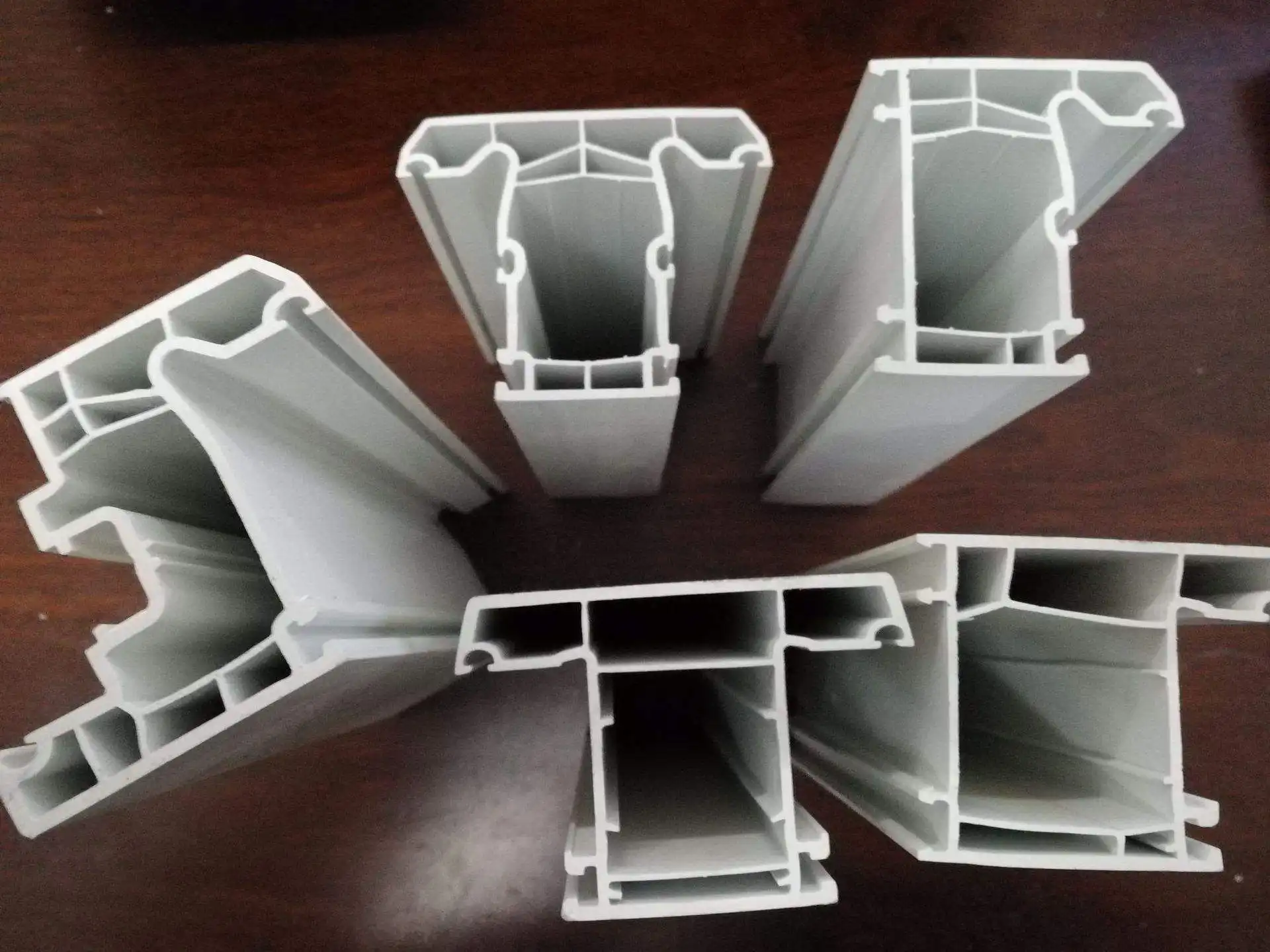
Multi-chamber design represents the most critical engineering feature distinguishing premium UPVC Door Profiles from conventional door frame systems. These profiles incorporate three to seven separate internal chambers created during the extrusion process, forming air pockets that dramatically reduce heat transfer through conduction. The thermal insulation performance of UPVC Door Profiles exceeds steel by a factor of three hundred fifty-seven and surpasses aluminum by one thousand two hundred fifty times, demonstrating extraordinary energy efficiency capabilities. Standard three-chamber configurations provide reliable thermal protection suitable for residential applications in moderate climates while maintaining cost-effectiveness for budget-conscious projects. Five-chamber profiles elevate performance through improved thermal breaks and enhanced sound insulation properties, making them ideal for commercial installations requiring superior acoustic control. Premium seven-chamber UPVC Door Profiles deliver maximum efficiency for extreme climate conditions and high-performance building requirements where energy conservation represents a primary design objective.
The chamber arrangement within UPVC Door Profiles serves multiple functional purposes beyond thermal insulation. Dedicated chambers accommodate galvanized steel reinforcement sections that provide structural support necessary for large door installations and high-traffic applications. Reinforcement thickness specifications range from 1.2 millimeters to 2.0 millimeters depending on specific load requirements and door dimensions. Additional chambers facilitate water drainage through strategically positioned slots that prevent moisture accumulation and potential damage to surrounding building components. This drainage capability proves especially valuable in regions experiencing heavy rainfall or significant temperature fluctuations that produce condensation. The multi-chamber architecture also contributes to sound dampening performance by creating multiple barriers that disrupt acoustic wave transmission, reducing noise pollution from exterior sources by substantial margins compared to single-chamber or solid profile designs.
Reinforcement Systems: Structural Integrity for Demanding Applications
Galvanized steel reinforcement channels represent essential components integrated within UPVC Door Profiles to ensure adequate structural performance under operational stresses. These steel inserts undergo hot-dip galvanization processes that apply protective zinc coatings preventing corrosion in humid environments and coastal locations where salt exposure accelerates material degradation. The reinforcement channels fit precisely within designated profile chambers, maintaining alignment throughout the door assembly process. Wall thickness specifications for these steel components typically range from 1.2 millimeters for standard residential applications to 2.0 millimeters for heavy commercial doors requiring enhanced load-bearing capacity. The combination of rigid UPVC material and internal steel reinforcement creates composite structures that resist flexing and warping while supporting substantial weight from glazing units and hardware components. Proper reinforcement selection depends on several factors including door dimensions, glazing weight, hardware specifications, and expected usage intensity. Large sliding doors exceeding five feet in height necessitate heavier reinforcement configurations to prevent sagging and ensure smooth operation throughout the product lifecycle. High-traffic commercial entrances benefit from maximum reinforcement thickness to withstand repeated opening and closing cycles without developing operational issues. The galvanized steel remains protected from environmental exposure by the surrounding UPVC material, eliminating visible corrosion concerns while preserving structural performance. This reinforcement approach allows UPVC Door Profiles to compete effectively with aluminum and steel door systems while maintaining superior thermal performance and lower maintenance requirements that distinguish UPVC technology from metal alternatives.
Key Advantages of UPVC Door Profiles in Modern Construction
Natural Thermal Insulation: Energy Efficiency That Delivers Real Savings
UPVC Door Profiles function as natural thermal insulators due to the inherent molecular structure of Unplasticized Polyvinyl Chloride which exhibits extremely low thermal conductivity values. This material characteristic creates passive thermal barriers that require no additional insulation treatment or special coatings to achieve excellent energy performance. The heat transfer coefficient for properly installed UPVC Door Profiles measures significantly lower than traditional materials including wood, aluminum, and steel, resulting in measurable reductions in heating and cooling energy consumption. Buildings utilizing UPVC Door Profiles throughout their fenestration systems experience lower HVAC operational costs year-round, with particularly dramatic savings during extreme seasonal temperature conditions when thermal bridging through conventional door frames causes substantial energy waste. The multi-chamber architecture within UPVC Door Profiles amplifies the natural insulation properties by creating stagnant air pockets that resist convective heat transfer. Air trapped within these chambers functions as an additional insulation layer with minimal maintenance requirements or performance degradation over time. This passive thermal management system maintains effectiveness throughout the profile's service life without requiring periodic inspection or adjustment. Commercial building owners appreciate the long-term operational cost reductions achieved through strategic deployment of high-performance UPVC Door Profiles in their facilities. Residential customers benefit from improved interior comfort levels alongside reduced utility expenses, creating tangible value that justifies the initial investment in quality door systems utilizing advanced profile technology.
Weather Resistance and Impact Protection: Built to Last
Weather resistance represents a defining characteristic of premium UPVC Door Profiles manufactured with UV-stabilized formulations that protect against solar radiation damage. Titanium dioxide concentrations typically reach 2.5 percent by weight, providing effective protection against ultraviolet light that causes discoloration and material degradation in unprotected polymers. This UV resistance ensures UPVC Door Profiles maintain their original color and surface finish throughout decades of exposure to direct sunlight, eliminating the yellowing and chalking problems associated with lower-quality plastic building products. Rain, snow, ice, and high humidity conditions pose no threat to UPVC material integrity, as the polymer formulation resists moisture absorption and dimensional changes from water exposure. Coastal installations benefit particularly from UPVC's immunity to salt air corrosion that rapidly deteriorates metal door frames and hardware components. Impact resistance characteristics of UPVC Door Profiles derive from carefully balanced formulations incorporating impact modifiers that enhance toughness without compromising rigidity. These profiles withstand accidental collisions from furniture, equipment, and normal usage situations that damage conventional door frames constructed from softer materials. The smooth surface finish resists scratching and maintains attractive appearance despite regular contact and cleaning activities. Temperature stability across wide ranges ensures UPVC Door Profiles do not become brittle in extreme cold or soften excessively in high heat conditions common in certain geographic regions. This environmental versatility makes UPVC technology suitable for diverse climate zones from arctic regions to tropical locations where conventional materials fail prematurely under challenging conditions.
Low Maintenance Requirements: Time and Cost Savings Over the Lifespan
UPVC Door Profiles require minimal maintenance intervention throughout their operational lifetime, representing significant advantages over traditional door frame materials demanding regular attention. No painting, staining, or refinishing activities become necessary as UPVC maintains its factory-applied finish indefinitely without performance degradation. Property owners save substantial time and expense avoiding periodic refinishing projects required for wood doors that suffer from weathering and moisture damage. Simple cleaning with mild soap and water removes accumulated dirt and maintains attractive appearance without specialized cleaning products or professional services. This ease of maintenance particularly benefits commercial properties where appearance standards must be maintained consistently without disrupting business operations or incurring excessive maintenance labor costs. Corrosion immunity eliminates concerns about rust formation and structural deterioration common with steel door frames exposed to moisture and humidity. Coastal properties and industrial environments present no special challenges for UPVC Door Profiles which resist chemical exposure and atmospheric pollutants that accelerate degradation of metal building components. The smooth surface finish naturally resists dirt accumulation and staining, reducing cleaning frequency compared to textured materials that trap contaminants. Termite resistance provides additional value in regions where wood-boring insects pose constant threats to timber construction materials. These low-maintenance characteristics combine to create ownership experiences requiring minimal intervention while delivering reliable performance year after year, enhancing property values through durable installations that retain aesthetic appeal and functional integrity.
Diverse Applications and Installation Considerations
Residential Applications: Enhancing Home Comfort and Value
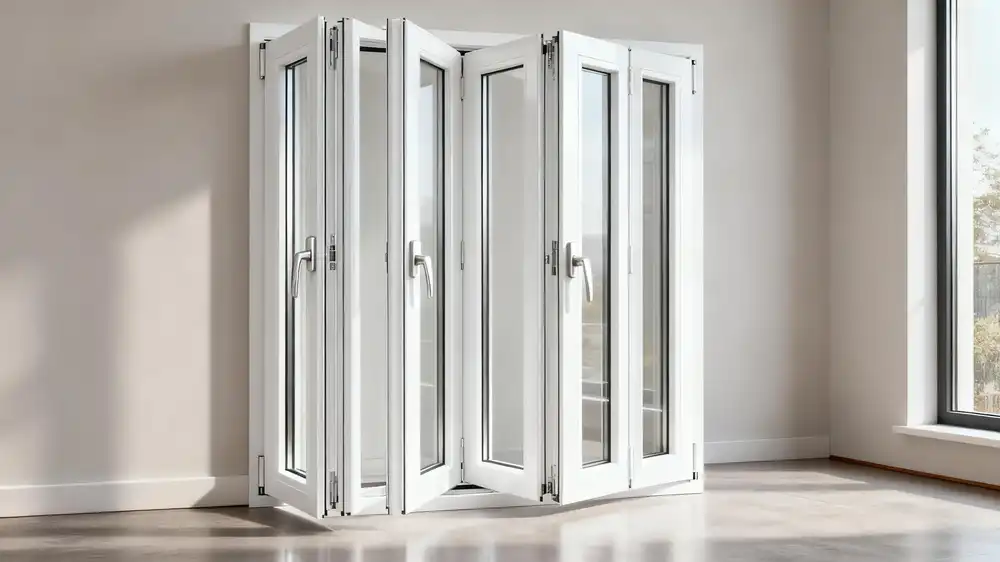
UPVC Door Profiles excel in residential applications ranging from single-family homes to high-rise apartment complexes where energy efficiency and aesthetic appeal drive material selection decisions. Casement door installations utilize hinged profiles that provide wide openings for convenient access while maintaining excellent sealing performance when closed. Sliding door systems incorporate multi-track UPVC Door Profiles accommodating two or three panel configurations for space-efficient operation in patios and balcony locations. Folding bi-fold doors constructed with specialized UPVC Door Profiles create expansive openings connecting interior spaces with outdoor living areas, particularly popular in modern architectural designs emphasizing indoor-outdoor flow. French door configurations utilizing paired UPVC Door Profiles deliver traditional aesthetic appeal combined with contemporary energy performance, satisfying homeowners seeking classic design elements with modern functionality. Villa and luxury home installations frequently specify premium UPVC Door Profiles with advanced chamber configurations and sophisticated finish options including realistic wood grain laminations. These high-end applications demonstrate that UPVC technology accommodates diverse aesthetic preferences while delivering superior technical performance. Energy-conscious homeowners appreciate measurable utility cost reductions resulting from strategic UPVC Door Profile deployment throughout their residences. Sound insulation benefits prove particularly valuable in urban residential settings where exterior noise pollution impacts quality of life and sleep quality. The security enhancements possible with robust UPVC Door Profiles and compatible hardware systems provide peace of mind for families concerned about residential safety and protection against unauthorized entry.
Commercial and Institutional Installations: Meeting Professional Standards
Commercial applications of UPVC Door Profiles extend across office buildings, retail facilities, hotels, hospitals, educational institutions, and industrial complexes requiring durable entrance solutions that withstand heavy usage patterns. Professional appearance standards are easily achieved through clean profile lines and consistent finish quality that complements contemporary architectural aesthetics. High-traffic entrances benefit from reinforced UPVC Door Profiles with maximum steel reinforcement specifications supporting frequent operation cycles without developing mechanical problems or aesthetic deterioration. Retail storefronts utilize large-format UPVC Door Profiles with expansive glazing areas that showcase merchandise while maintaining thermal efficiency and security requirements. Office building entrance systems frequently specify sophisticated UPVC Door Profiles integrated with access control hardware and automated opening mechanisms for convenient operation. Healthcare facilities appreciate the hygienic properties of UPVC Door Profiles with smooth surfaces that resist bacterial growth and facilitate thorough cleaning protocols essential in medical environments. Educational institutions benefit from the durability and low maintenance characteristics of UPVC technology that reduces facility management costs while maintaining safe and attractive campus environments. Industrial applications utilize heavy-duty UPVC Door Profiles engineered to withstand exposure to chemicals, temperature variations, and physical abuse common in manufacturing and warehouse settings. The versatility of UPVC Door Profiles allows architects and building owners to specify appropriate solutions for virtually any commercial application while achieving performance objectives for energy efficiency, durability, security, and aesthetic quality.
Integration with Curtain Wall Systems: Architectural Flexibility
Advanced UPVC Door Profiles integrate seamlessly with modern curtain wall systems creating unified building envelope solutions that maximize natural lighting while controlling thermal performance. These integrated systems prove especially valuable in mixed-use developments combining residential, commercial, and retail spaces within single building complexes. The compatibility of UPVC Door Profiles with contemporary glazing technologies including low-emissivity glass and insulated glazing units optimizes overall building energy performance. Structural considerations for curtain wall integration require careful coordination between UPVC Door Profile specifications and supporting aluminum or steel framework components. Thermal break details become critical at transition points where UPVC door assemblies connect to adjacent curtain wall sections, ensuring continuous insulation performance across the entire building facade. Architectural design flexibility afforded by UPVC Door Profiles accommodates diverse aesthetic visions from minimalist contemporary styling to more traditional design vocabularies incorporating decorative elements and varied color schemes. The ability to specify custom colors and finishes through lamination techniques allows UPVC Door Profiles to harmonize with broader design palettes while maintaining technical performance advantages. Large-scale commercial and institutional projects increasingly specify UPVC technology as building codes evolve toward more stringent energy efficiency requirements that favor high-performance fenestration systems. The combination of proven durability, energy performance, and design versatility positions UPVC Door Profiles as preferred solutions for demanding architectural applications requiring long-term reliability and sustainable building practices.
Professional Installation and Quality Assurance
Proper installation procedures prove essential for maximizing the performance potential inherent in quality UPVC Door Profiles. Qualified installers familiar with UPVC technology understand critical details including frame alignment, reinforcement placement, hardware compatibility, and sealing requirements that directly impact operational longevity and energy efficiency. Manufacturer specifications provide detailed guidance regarding appropriate fastening techniques, thermal break continuity, and weather sealing applications specific to UPVC Door Profiles. Installation teams benefit from technical documentation covering frame preparation, shim placement, adjustment procedures, and quality verification steps ensuring professional results that satisfy building codes and performance expectations. Hardware compatibility represents another important consideration when specifying UPVC Door Profiles for project applications. Modern hardware systems designed specifically for UPVC technology provide smooth operation and long service life through appropriate load distribution and corrosion-resistant materials. Standard door hardware systems integrate readily with properly engineered UPVC Door Profiles without requiring special modifications or adapters. Quality assurance processes during installation should verify proper reinforcement positioning, adequate frame support, correct hardware alignment, and effective weather sealing before final acceptance. Post-installation inspections confirm operational performance including smooth opening and closing, proper locking function, effective sealing against air and water infiltration, and aesthetic quality meeting project standards.
Conclusion
UPVC Door Profiles deliver exceptional performance through advanced material engineering combining thermal efficiency, structural strength, weather resistance, and minimal maintenance requirements, making them ideal solutions for modern residential and commercial construction projects worldwide.
Cooperate With Hunan Haolv Building Materials Co., Ltd.
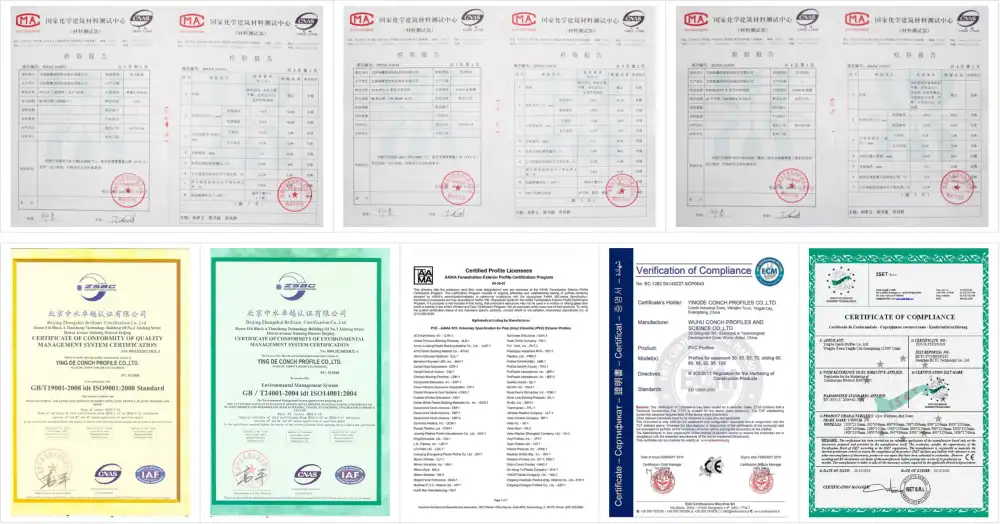
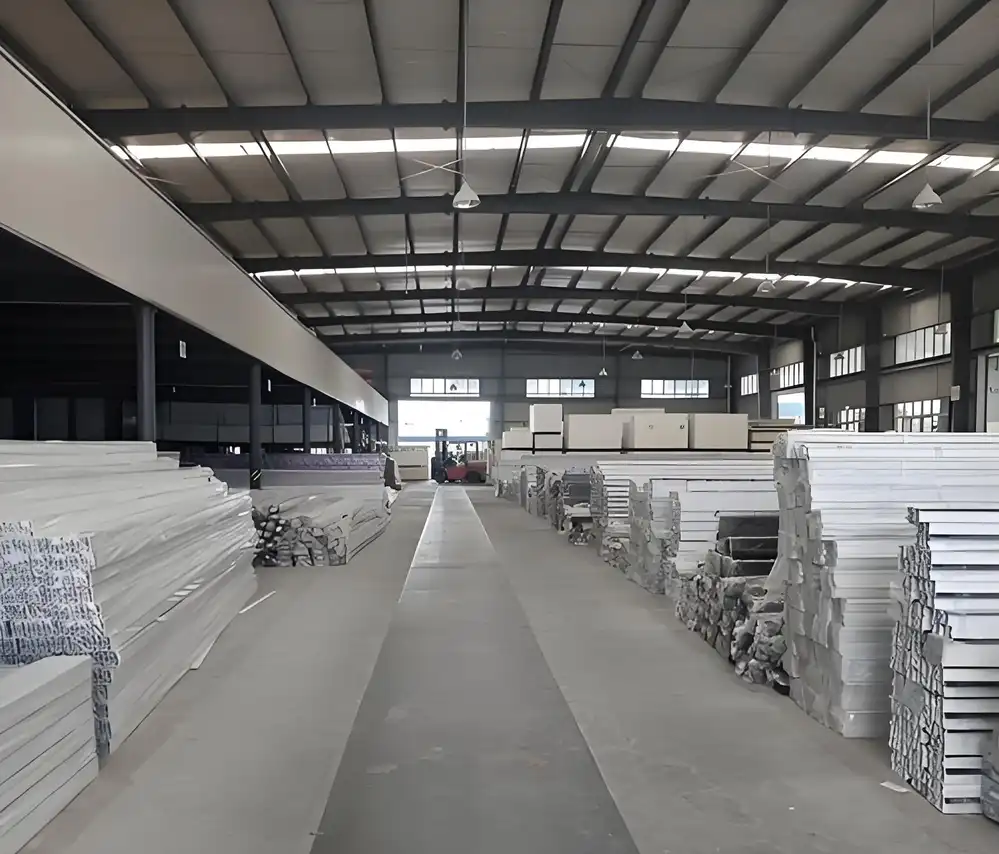
Partner with Hunan Haolv Building Materials Co., Ltd., your trusted China UPVC Door Profiles manufacturer, supplier, and factory with eighteen years of manufacturing expertise. We offer wholesale UPVC Door Profiles with competitive pricing, comprehensive UPVC Door Profiles pricelists, and bulk UPVC Door Profiles solutions for projects of any scale. Request your customized UPVC Door Profiles quotation today and experience our one-stop product support including free technical consultation, solution design services, and complete project follow-up. Our advanced production facilities equipped with precision CNC equipment ensure stable quality meeting GB/T 8814-2017 standards. Benefit from our partnership with CONCH New Materials, flexible chamber configurations from three-chamber to seven-chamber designs, and multiple finish options including classic white, dark brown, and wood grain textures. Contact our team for free sample shipping and discover why clients in over thirty countries trust our superior craftsmanship and reliable delivery. Email kristin@haolvwindows.com to receive your UPVC Door Profiles price consultation and start building lasting relationships with a manufacturer committed to your success through technical expertise and responsive twenty-four-hour service support.
References
1. German Institute for Window Technology. "UPVC Profile Systems: Engineering Standards and Performance Criteria." Building Materials Research Quarterly, 2023.
2. Anderson, Michael R., and Thompson, Sarah L. "Thermal Performance Analysis of Multi-Chamber UPVC Door Profiles in Residential Applications." Journal of Building Science and Technology, Vol. 45, No. 3, 2024.
3. International Building Products Association. "Comparative Study of Door Frame Materials: Durability, Maintenance, and Lifecycle Costs." Construction Industry White Paper Series, 2024.
4. Chen, Wei, and Kumar, Rajesh. "Advanced Polymer Formulations for Weather-Resistant Building Components." Materials Engineering Today, Vol. 28, No. 2, 2023.
5. European Committee for Standardization. "UPVC Building Products: Composition Requirements, Testing Methods, and Quality Assurance Standards." CEN Technical Report 156-2024, Brussels, 2024.

USER EVALUATE
Here is the customer's evaluation of us