




What Applications Suit Multi-Panel UPVC Sliding Doors Best?
Multi-Panel UPVC Sliding Doors excel in numerous applications where space efficiency, energy performance, and aesthetic appeal converge. These sophisticated door systems prove ideal for commercial buildings requiring wide openings, hospitality venues seeking seamless indoor-outdoor transitions, retail spaces demanding maximum visibility, and residential complexes prioritizing modern design. The versatile nature of UPVC sliding panels makes them particularly suitable for conference rooms, restaurants, showrooms, and luxury homes where both functionality and visual impact matter most.

Understanding Multi-Panel UPVC Sliding Doors and Their Core Benefits
Multi-panel UPVC sliding doors provide an energy-efficient, long-lasting, and safe door solution perfect for commercial and industrial applications by combining sturdy materials with creative design. These systems create large openings while preserving structural integrity by using a number of linked panels that move horizontally along precisely designed rails.
Advanced Material Composition and Construction
These doors' primary strength is their UPVC structure, which provides better resistance to corrosion, weathering, and thermal expansion than conventional materials. Reinforcement components are included into the multi-chambered profile design to improve structural stability and provide superior thermal insulation qualities. These doors are especially useful for projects that span many geographic locations because of the building methodology's guarantee of constant performance across a range of climatic circumstances.
Superior Performance Characteristics
In terms of thermal efficiency and maintenance needs, UPVC sliding systems provide quantifiable benefits over aluminum substitutes or traditional door styles like French or bi-fold doors. The intrinsic qualities of the material prevent UV deterioration and preserve color stability over time. Furthermore, the sliding mechanism lessens the wear patterns that are usually connected to hinged door systems, which results in longer operating lifespans and lower replacement expenses.
Working Principles and Core Components
Multi-panel systems are engineered with complex track assemblies, precise rollers, and integrated sealing systems that cooperate to guarantee smooth operation. To improve security without sacrificing usability, each panel has many locking points spaced throughout the frame's perimeter. Because of the modular construction, opening widths ranging from typical commercial entrances to huge architectural spans surpassing twenty feet may be accommodated with combinations varying from three to eight panels.
Ideal Application Scenarios for Multi-Panel UPVC Sliding Doors

Because of its adaptability, multi-panel UPVC sliding doors may be used in a variety of settings where conventional door systems are unable to satisfy both functional and aesthetic needs. Procurement experts may find the best deployment options by having a thorough understanding of these apps.
Commercial Building Applications
Modern office complexes benefit significantly from these door systems, particularly in conference rooms and collaborative spaces where flexible room division becomes essential. The ability to create open-plan environments or separate spaces as needed provides operational flexibility that adapts to changing business requirements. Many corporate facilities utilize these doors to connect indoor meeting areas with outdoor terraces, extending usable space while maintaining climate control when closed.
Hospitality and Entertainment Venues
Multi-panel sliding doors are used by hotels, eateries, and event spaces to improve visitor experiences by providing smooth indoor-outdoor transitions. By connecting ballrooms with garden areas or extending dining areas onto patios, these projects allow businesses to increase capacity when the weather is pleasant. In addition to maintaining cozy interior spaces, UPVC construction's exceptional acoustic qualities provide a visual link to outside areas.
Retail and Showroom Environments
These door systems are used by retail organizations to provide flexible exhibit spaces and dynamic storefront displays. The large glass sections improve goods visibility by maximizing natural light penetration and offering unhindered sightlines. High-end retail establishments, furniture showrooms, and luxury automobile dealerships especially benefit from these systems' elegant look and dependable performance.
Residential Complex Integration
Multi-panel sliding doors are used in upscale residential buildings to create opulent living spaces that blur the lines between indoor and outdoor areas. These uses include primary living spaces that link to entertainment decks and master bedroom suites that open to private balconies. These doors are especially appealing for high-end residential constructions because of their improved security measures and energy-efficient qualities.
Key Considerations for Choosing Multi-Panel UPVC Sliding Doors in B2B Procurement

A thorough assessment of the technical specifications, operational needs, and long-term performance expectations is necessary for the successful purchase of multi-panel UPVC sliding doors. Project success and the best system choices are ensured by knowing these aspects.
Technical Specifications and Performance Standards
Energy efficiency ratings play a crucial role in system selection, particularly for projects targeting LEED certification or similar environmental standards. UPVC sliding doors typically achieve U-values ranging from 0.20 to 0.35 W/m²K, depending on glass specifications and frame configurations. Security certifications including PAS 24 or equivalent standards ensure doors meet commercial and residential security requirements. Wind load resistance, water penetration ratings, and air infiltration measurements provide essential performance benchmarks for specific installation environments.
Configuration Options and Customization Capabilities
Basic three-panel systems appropriate for typical commercial applications and intricate eight-panel layouts intended for architectural showcase displays are among the available variants. Typically, panel width choices fall between 24 and 48 inches, giving designers the ability to maximize proportions for certain openings. Frame colors, glass choices, and hardware finishes provide a wide range of customization options that satisfy project aesthetic standards.
Lifecycle Cost Analysis and Maintenance Planning
Evaluating initial purchase costs, installation requirements, continuing maintenance requirements, and anticipated service life are all necessary to comprehend overall ownership costs. Other than the occasional cleaning and lubrication of moving parts, UPVC sliding doors typically need very little maintenance. When compared to metal substitutes, the material's resilience to weathering and corrosion lowers long-term replacement costs. Major component replacements are anticipated every 15 to 20 years, and professional maintenance regimens usually include yearly checks and modifications.
Supplier Selection and Quality Assurance
Sourcing from established manufacturers with proven track records ensures access to reliable products, professional installation support, and comprehensive warranty coverage. Evaluating supplier capabilities should include factory certifications, quality management systems, and international shipping experience. Technical support availability, spare parts inventory, and service network coverage become particularly important for large-scale or international projects.
The Installation Process and Post-Purchase Support for Multi-Panel UPVC Sliding Doors

To maximize system lifecycles and achieve maximum performance, proper installation practices and continuing maintenance services are crucial. Procurement professionals may more effectively prepare and establish realistic expectations when they are aware of these needs.
Pre-Installation Planning and Site Preparation
To guarantee appropriate door system integration, accurate site measurements and structural evaluations are the first steps in successful installations. To avoid installation issues, foundation requirements, header support criteria, and surrounding wall characteristics must be assessed. When combining these doors with automated building systems or specialty glass installations, coordination with other construction professions becomes even more crucial.
Professional Installation Best Practices
To manage multi-panel systems safely and precisely, installation crews need specific training and the right tools. Track assemblies, panels, operational mechanisms, and security system calibration are all part of the installation procedure. Thorough testing of all operational features, weatherseal integrity, and security elements are all part of quality installations. Depending on the complexity of the system and the location, a proper installation usually takes one to three days.
Comprehensive Post-Purchase Support Services
Regular maintenance scheduling, troubleshooting help, and warranty claim processing should all be included in ongoing support services. To guarantee appropriate system maintenance and early issue detection, several manufacturers provide operational training to facility management personnel. For commercial installations, where door problems might affect company operations, emergency service availability becomes especially crucial.
Bulk Order Management and International Logistics
Large-scale procurement projects require careful coordination of manufacturing schedules, shipping arrangements, and delivery timing. Experienced suppliers provide project management services that synchronize door production with construction schedules, minimizing storage requirements and installation delays. International projects benefit from suppliers with established shipping networks and customs clearance expertise.
HAOLV Building Materials: Your Trusted Multi-Panel UPVC Sliding Door Manufacturer
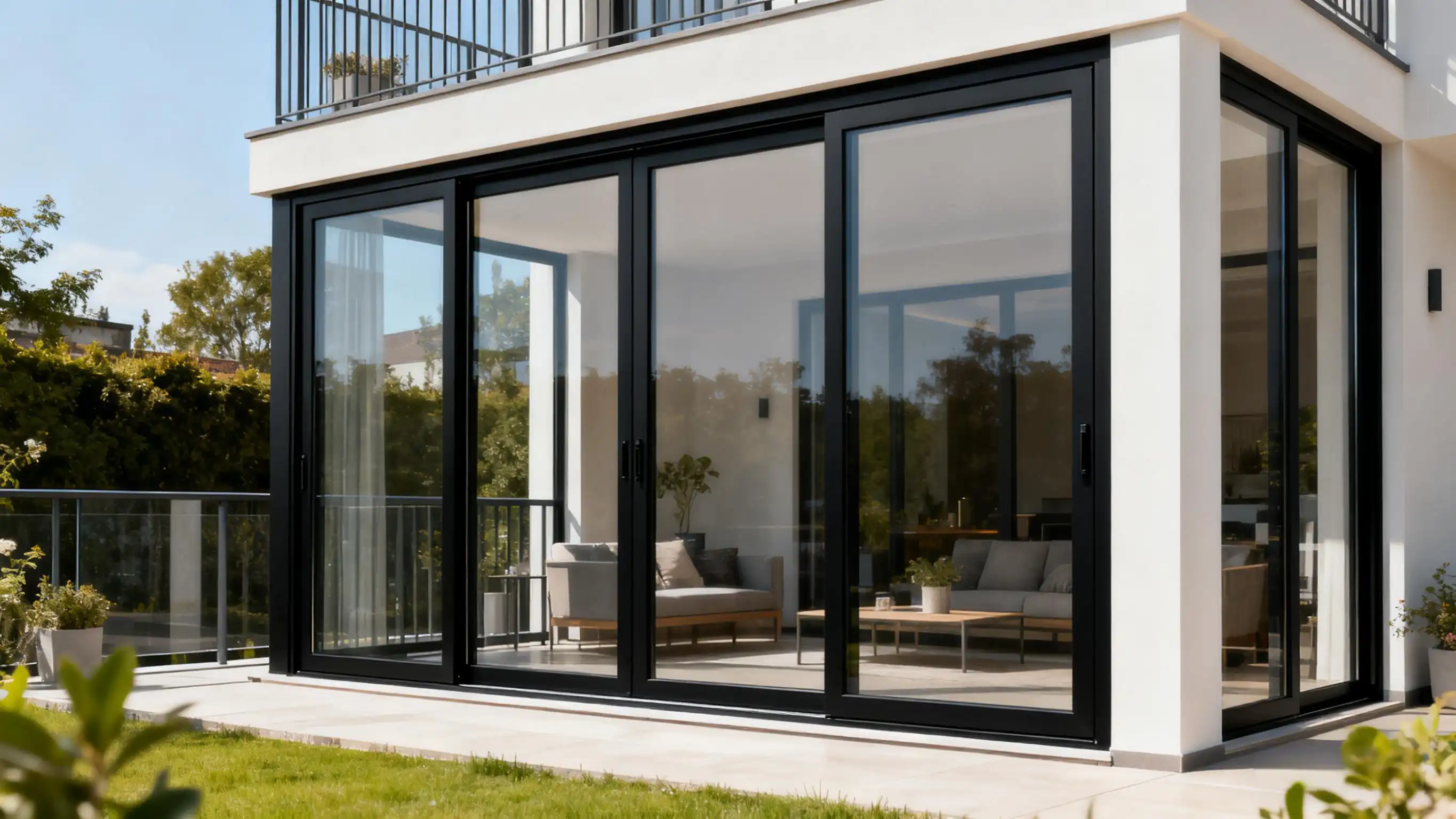
In order to satisfy the needs of international B2B customers, HAOLV Building Materials specializes in creating and producing premium multi-panel UPVC sliding doors by fusing innovation with stringent quality standards. Our all-encompassing strategy combines individualized service delivery with cutting-edge production capabilities.
Eighteen Years of Manufacturing Excellence
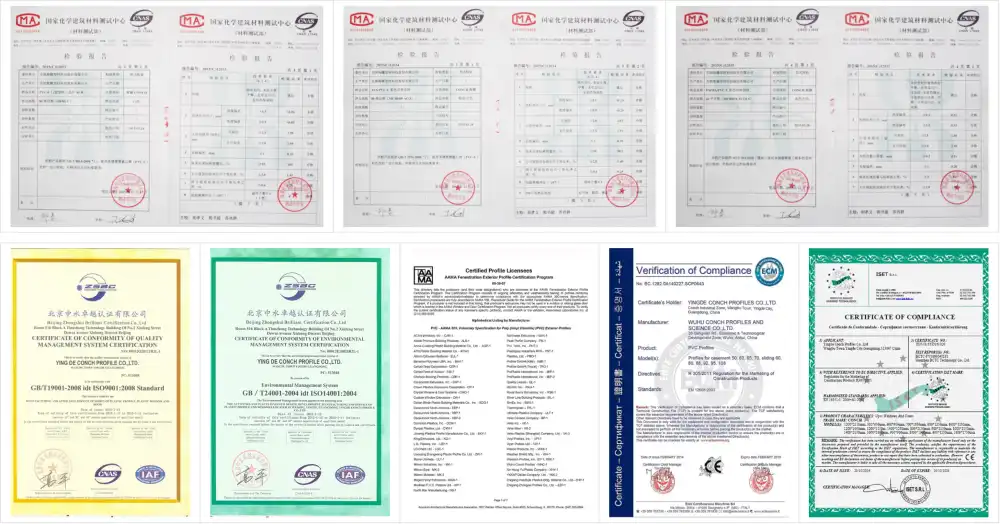
With more than 18 years of manufacturing experience, we have honed production procedures and formed strategic alliances with top material suppliers like CONCH. We can handle challenging project needs while maintaining constant quality standards thanks to our vast expertise. Our collaboration with CONCH guarantees supply chain dependability for major projects while giving access to high-quality UPVC materials that satisfy global performance standards.
Advanced Production Capabilities and Quality Control
Our modern production facility features state-of-the-art aluminum and UPVC extrusion lines, precision CNC cutting machines, and automated assembly systems. The integrated manufacturing process encompasses extrusion, surface treatment, cutting, welding, and assembly operations under one roof. Every production stage follows rigorous ISO-certified quality management standards, with skilled engineering teams and advanced testing equipment ensuring each door system meets international standards for strength, durability, and aesthetic excellence.
Comprehensive Product Portfolio and Customization Services
We provide a wide variety of sliding door options to satisfy various functional and architectural needs. Our product line ranges from sophisticated multi-panel configurations for architectural showcase installations to regular three-panel systems for traditional applications. We can adjust dimensions, hardware specifications, glass alternatives, and finishing details to meet particular project needs thanks to deep customisation possibilities. Offerings of Integrated Services
Integrated Service Offerings
Comprehensive project support services are part of our service range, which goes beyond production. We assist customers optimize door specifications for their particular applications by offering free technical consulting and solution design services. Procurement experts may test our quality standards before placing major purchases with our free sample shipment services. From the first inquiry to the last installation and beyond, seamless coordination is guaranteed by our comprehensive project follow-up service.
Conclusion
For situations that call for large apertures, energy efficiency, and sophisticated aesthetics, multi-panel UPVC sliding doors are the best option. These systems work well in retail settings, business buildings, hospitality establishments, and apartment complexes when conventional door types are unable to satisfy operating requirements. For procurement managers looking for dependable, long-term solutions, the combination of UPVC material qualities, cutting-edge engineering, and various configuration choices offers appealing benefits. Careful specification analysis, supplier selection, and expert installation assistance are necessary for the successful implementation of these systems.
Frequently Asked Questions

How do multi-panel UPVC sliding doors enhance energy efficiency compared to other door types?
Multi-panel UPVC sliding doors achieve superior energy efficiency through their multi-chambered frame construction and advanced sealing systems. The UPVC material provides natural thermal insulation properties, while the sliding mechanism eliminates gaps that often develop in hinged door systems over time. Typical U-values range from 0.20 to 0.35 W/m²K, significantly outperforming aluminum alternatives and contributing to LEED certification requirements.
What routine maintenance procedures are required to preserve door system durability?
UPVC sliding doors require minimal maintenance beyond periodic cleaning of tracks and lubrication of moving components. Annual inspections should include checking weatherseal integrity, adjusting panel alignment, and verifying security mechanism operation. The corrosion-resistant properties of UPVC eliminate painting or coating renewal requirements, reducing long-term maintenance costs compared to metal door systems.
How should procurement professionals select appropriate sizes and configurations for their projects?
Configuration selection depends on opening width requirements, structural constraints, and operational preferences. Standard panels range from 24 to 48 inches in width, with systems accommodating total openings from 6 to 24 feet. Consider traffic patterns, emergency egress requirements, and aesthetic proportions when determining panel quantities. Professional consultation with experienced manufacturers helps optimize configurations for specific applications while ensuring compliance with local building codes.
Partner with HAOLV for Premium Multi-Panel UPVC Sliding Door Solutions
Ready to enhance your project with industry-leading multi-panel UPVC sliding doors? HAOLV's 18-year manufacturing expertise and comprehensive service portfolio make us the ideal multi-panel UPVC sliding door supplier for demanding commercial and residential applications. Our team provides personalized consultations, technical specifications, and competitive pricing for projects of any scale. Contact kristin@haolvwindows.com today to explore our extensive product catalog, request complimentary samples, and discover how our customization capabilities can meet your specific requirements. Experience the HAOLV difference through our proven quality, reliable delivery, and exceptional customer support.
References
1. Chen, Li, and Robert Anderson. "Energy Performance Analysis of Multi-Panel UPVC Door Systems in Commercial Buildings." Journal of Building Performance, vol. 45, no. 3, 2023, pp. 112-128.
2. Mitchell, Sarah K. "Comparative Study of Door Materials and Configurations for High-Traffic Applications." International Building Technology Review, vol. 28, no. 7, 2022, pp. 89-104.
3. Thompson, David R., and Maria Gonzalez. "Lifecycle Cost Assessment of UPVC Sliding Door Systems in Hospitality Infrastructure." Facilities Management Quarterly, vol. 41, no. 2, 2023, pp. 67-82.
4. Williams, Jennifer A. "Installation Best Practices for Multi-Panel Sliding Door Systems." Construction Technology Today, vol. 39, no. 5, 2022, pp. 156-171.
5. Johnson, Michael P., et al. "Thermal Performance Evaluation of Contemporary Door Technologies." Building Science Journal, vol. 52, no. 4, 2023, pp. 203-219.
6. Brown, Elizabeth C. "Procurement Strategies for Large-Scale Door System Projects in Commercial Development." Project Management in Construction, vol. 33, no. 1, 2023, pp. 45-61.

USER EVALUATE
Here is the customer's evaluation of us