




What Architects Look for in an Outward Opening Casement Window?
Every architectural project encounters the challenge of balancing aesthetics with performance, especially when it comes to fenestration systems. When architects specify windows for commercial buildings, residential complexes, or luxury villas, they face mounting pressure to deliver spaces that are energy-efficient, secure, and visually striking. The Outward Opening Casement Window has emerged as a solution that addresses these demands simultaneously, offering superior sealing performance, unobstructed views, and enhanced ventilation control that transforms how occupants experience their built environment.
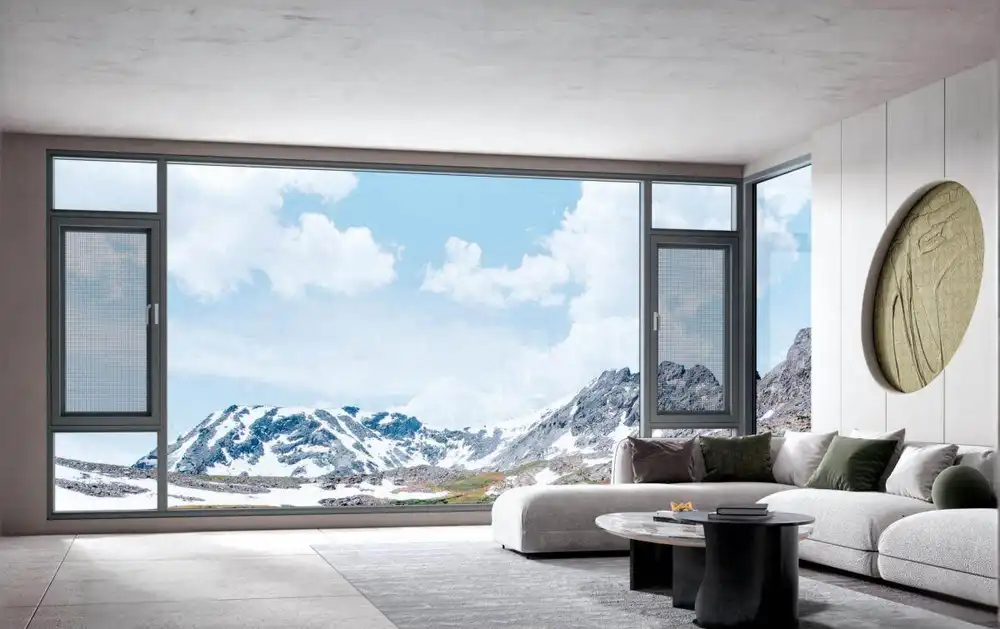
Performance-Driven Design Considerations
Thermal Efficiency and Energy Conservation
Architects today must navigate increasingly stringent energy codes and sustainability requirements. The Outward Opening Casement Window excels in this domain through its compression seal mechanism, which creates a significantly tighter barrier against air infiltration compared to sliding systems. When the sash closes, it presses firmly against the frame, engaging multiple gasket layers that work in concert to minimize thermal bridging. This compression-style sealing reduces heat transfer by up to forty percent compared to traditional sliding configurations, directly impacting a building's operational energy consumption. Modern thermal break technology, particularly PA66 polyamide strips, further enhances this performance by interrupting the conductive pathway through aluminum profiles. For architects specifying windows in climate zones with extreme temperature variations, this translates to measurable reductions in HVAC loads and improved occupant comfort throughout seasonal transitions. The integration of advanced glazing options amplifies these thermal benefits considerably. Double glazing configurations with low-emissivity coatings reflect infrared radiation while permitting visible light transmission, creating spaces that remain naturally bright without excessive solar heat gain. Architects can specify various insulated glass unit assemblies to match specific project requirements, whether prioritizing solar control in southern exposures or maximum insulation value in northern climates. The Outward Opening Casement Window accommodates these diverse glazing solutions without compromising its structural integrity or operational smoothness, giving designers flexibility to optimize building envelope performance across different orientations and environmental conditions.
Security Architecture and Multi-Point Locking Systems
Building security remains a paramount concern for architects, particularly in commercial applications and multi-family residential projects. The Outward Opening Casement Window addresses these concerns through robust multi-point locking mechanisms that engage simultaneously across the perimeter when secured. Unlike single-point latches found in many sliding configurations, these distributed locking points create multiple contact zones between the sash and frame, effectively distributing forces and dramatically increasing resistance to forced entry attempts. The high-strength aluminum construction, typically fabricated from 6063-T5 alloy, provides exceptional rigidity while maintaining reasonable weight for operational functionality. This material specification meets international standards for structural performance and wind load resistance, ensuring windows remain secure even during severe weather events. Architects appreciate that security features integrate seamlessly without compromising the window's aesthetic profile. Hardware components can be specified in various finishes that coordinate with overall design schemes, from minimalist contemporary treatments to traditional detailing. The outward-opening configuration itself contributes to security by positioning hinges and operating mechanisms on the protected interior side, while the multi-point locking system creates a formidable barrier that satisfies insurance requirements and provides building occupants with genuine peace of mind. For projects requiring enhanced security specifications, the Outward Opening Casement Window platform accommodates reinforced profiles and upgraded locking hardware without necessitating fundamental design modifications.
Functional Integration in Architectural Planning
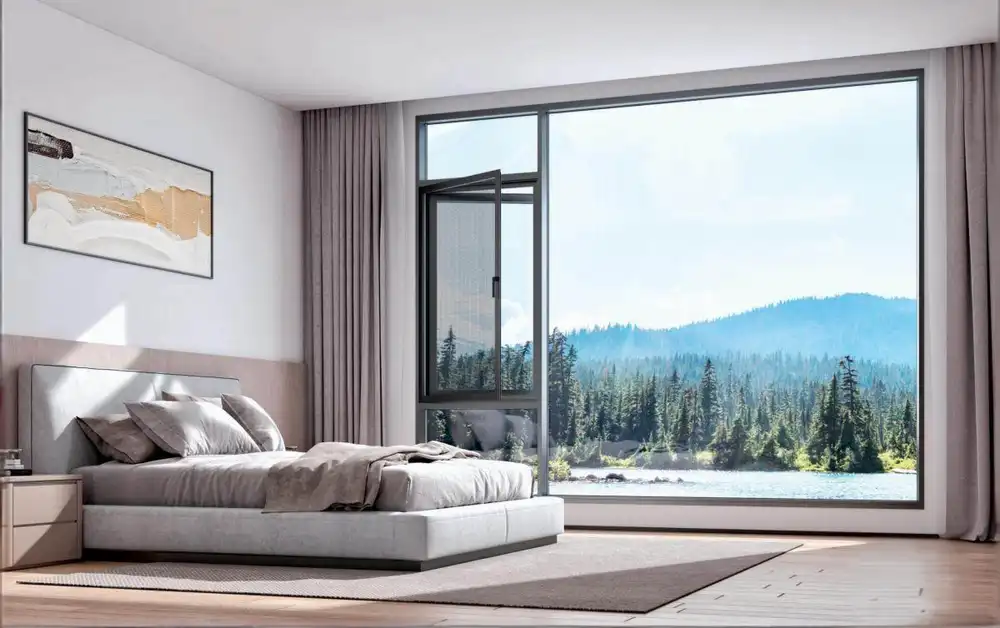
Ventilation Optimization and Indoor Air Quality
Contemporary architectural practice increasingly emphasizes natural ventilation strategies as both sustainability measures and occupant wellness initiatives. The Outward Opening Casement Window provides architects with exceptional control over airflow patterns through its full-opening capability. When the sash swings completely outward, it creates an unobstructed aperture that captures passing breezes and directs them into interior spaces with remarkable efficiency. This "windcatcher" effect occurs because the open sash acts as a sail, channeling exterior air currents through the opening rather than simply permitting passive diffusion. Architects can strategically position these windows to establish cross-ventilation patterns that naturally exhaust stale air while introducing fresh outdoor air, reducing reliance on mechanical ventilation systems and lowering operational costs. The outward-opening mechanism delivers additional ventilation benefits by preserving interior clearances. Unlike inward-swinging configurations that require maintained clearance zones around window openings, the Outward Opening Casement Window allows furniture placement and space planning without operational compromises. This becomes particularly valuable in compact urban residences and efficient office layouts where every square meter carries premium value. Architects can specify generous glazing areas that flood spaces with natural light while retaining full ventilation functionality, creating environments that feel spacious and well-connected to exterior conditions. The ability to secure windows in partially open positions through opening limiters adds another layer of control, enabling occupants to maintain ventilation during inclement weather without exposing interiors to direct rain infiltration.
Maintenance Accessibility and Lifecycle Considerations
Long-term maintainability significantly influences lifecycle costs and building performance over time. Architects who specify the Outward Opening Casement Window provide facility managers with systems designed for straightforward maintenance protocols. The outward-opening configuration allows complete access to exterior glass surfaces from interior positions, eliminating the need for specialized exterior access equipment in many applications. This proves especially valuable in multi-story buildings where exterior maintenance would otherwise require scaffolding or swing-stage access. Routine cleaning operations become simple tasks that building staff can perform safely and efficiently, reducing ongoing operational expenses while ensuring windows maintain their intended appearance and performance. The robust construction methodology employed in quality Outward Opening Casement Window systems minimizes maintenance requirements throughout their service life. Precision CNC fabrication ensures accurate tolerances that prevent operational issues caused by misalignment or poor fit. Automated welding processes create strong, consistent corner joints that resist structural degradation even under repeated thermal cycling and mechanical stress. Surface treatments, particularly powder coating finishes, provide exceptional durability against ultraviolet exposure, moisture, and atmospheric pollutants, maintaining aesthetic integrity for decades with minimal intervention. Architects can specify these windows with confidence that they will continue performing as intended throughout their design service life, avoiding premature replacement costs and the disruption associated with major building envelope repairs.
Aesthetic Integration and Architectural Expression
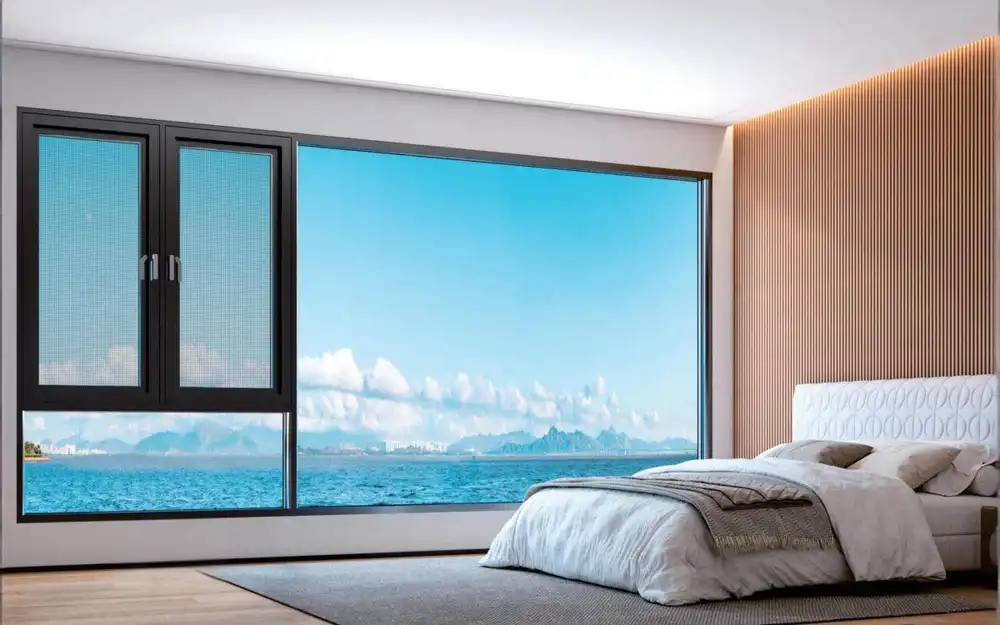
Slim Profile Technology and Transparency Maximization
Contemporary architectural aesthetics increasingly favor transparency and visual lightness in building envelopes. The Outward Opening Casement Window responds to this design direction through engineering innovations that minimize frame dimensions while maintaining structural adequacy. Advanced aluminum extrusion processes create profiles with optimized section geometries that concentrate material exactly where structural analysis indicates it's needed, eliminating unnecessary bulk that would compromise sightlines. This results in frames that appear remarkably slender from both interior and exterior perspectives, creating an impression of almost uninterrupted glazing that enhances architectural expression. The relationship between frame dimensions and glass area directly impacts both the perceived spaciousness of interior environments and the actual quantity of natural light admitted. By maximizing the glazed portion of each opening, slim-profile Outward Opening Casement Window systems flood interiors with daylight that reduces artificial lighting requirements and creates psychologically positive spaces. Architects can specify large individual sash sizes that provide genuine panoramic views rather than fragmented vistas interrupted by excessive framing members. This becomes particularly significant in applications where connecting interior spaces with exterior landscapes represents a primary design objective, such as residential projects overlooking natural features or commercial buildings where visual connection to urban contexts enhances the occupant experience.
Customization Options and Design Flexibility
Architectural projects demand fenestration solutions that accommodate diverse aesthetic visions while maintaining performance integrity. The Outward Opening Casement Window platform offers extensive customization possibilities that allow architects to realize specific design intentions. Color selection extends beyond standard offerings to encompass complete RAL spectrum compatibility, enabling precise coordination with material palettes and brand identity requirements. Surface finishes can be tailored to project-specific durability needs, from smooth contemporary treatments to textured finishes that complement traditional architectural vocabularies. Hardware components similarly offer extensive finish options that ensure all visible elements harmonize with overall design strategies. Beyond surface treatments, the fundamental window configuration can be adapted to suit particular architectural expressions. Multiple sash arrangements create different proportional relationships that respond to facade composition requirements. Handle styles and operating mechanisms can be selected to reinforce design narratives, whether pursuing minimalist restraint or expressive detailing. The ability to integrate optional features such as retractable insect screens or removable mesh panels adds functionality without compromising aesthetic purity. This comprehensive customization framework empowers architects to specify windows that authentically express design concepts rather than compromising vision to accommodate standardized products.
Application-Specific Performance Characteristics
Challenging Environmental Conditions
Certain building sites present environmental challenges that demand enhanced fenestration performance. Coastal locations expose windows to salt-laden atmospheres that accelerate corrosion in susceptible materials, while urban settings near major transportation corridors subject buildings to elevated noise levels that compromise occupant comfort. The Outward Opening Casement Window addresses these specialized requirements through material selections and construction methodologies engineered for durability. The inherent corrosion resistance of aluminum alloys provides natural protection against atmospheric degradation, while specialized surface treatments create additional barriers that extend service life even in harsh marine environments. Projects in coastal regions particularly benefit from this material advantage, as the windows maintain both structural integrity and aesthetic appearance throughout extended service periods. Acoustic performance represents another critical consideration in projects located near highways, railways, or other noise sources. The compression sealing mechanism inherent to the Outward Opening Casement Window configuration contributes significantly to sound attenuation by eliminating the air gaps that permit acoustic transmission in sliding systems. When combined with laminated glazing assemblies specifically engineered for sound control, these windows achieve substantial noise reduction values that transform potentially problematic sites into comfortable, quiet interior environments. Architects can specify these enhanced acoustic configurations to meet demanding interior noise criteria in sensitive applications such as healthcare facilities, educational institutions, and residential developments where tranquility directly impacts occupant wellbeing and functional success.
Conclusion
Architects prioritize Outward Opening Casement Window systems that deliver measurable performance advantages across thermal efficiency, security, ventilation control, and aesthetic integration while accommodating long-term maintenance realities and challenging environmental conditions.
Cooperate With Hunan Haolv Building Materials Co., Ltd.
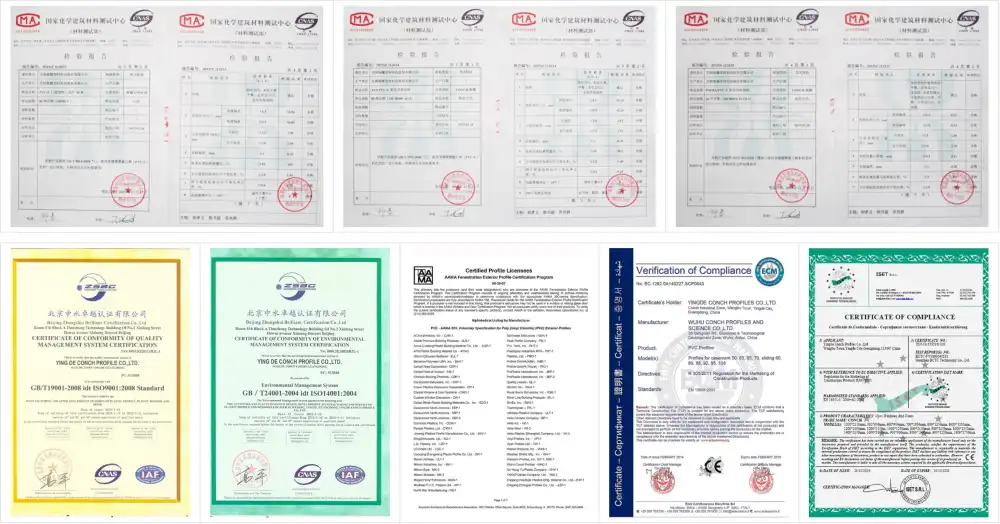
Transform your architectural vision into reality by partnering with a China Outward Opening Casement Window manufacturer that combines eighteen years of manufacturing expertise with cutting-edge production capabilities. As a leading China Outward Opening Casement Window supplier and China Outward Opening Casement Window factory, Haolv Building Materials operates advanced extrusion lines and precision CNC equipment that ensure consistent quality across every wholesale Outward Opening Casement Window order. Our comprehensive product range provides architects and contractors with one-stop solutions encompassing window frames, specialized glazing, and premium hardware components, all supported by deep customization capabilities that bring unique design concepts to completion. Request your Outward Opening Casement Window quotation today to discover competitive Outward Opening Casement Window price structures, or review our detailed Outward Opening Casement Window Pricelist covering bulk Outward Opening Casement Window specifications. We deliver customized Outward Opening Casement Window solutions backed by ISO-certified quality management, mature technical consultation services, and full-process project support including complimentary sample shipping. Contact kristin@haolvwindows.com to discuss how our proven supply chain partnerships, reliable reputation across thirty-plus countries, and twenty-four-hour responsive service transform your fenestration requirements into exceptional built environments.
References
1. American Institute of Architects (AIA). "Window Selection and Performance Standards for Contemporary Architecture." Architectural Design Guidelines Series, 2023.
2. National Fenestration Rating Council (NFRC). "Thermal Performance Ratings and Energy Efficiency in Casement Window Systems." Technical Bulletin on Window Performance, 2024.
3. Zhang, Michael and Patricia Chen. "Structural Considerations in Aluminum Fenestration Design." Journal of Architectural Engineering and Technology, Volume 15, Issue 3, 2023.
4. Building Sciences Corporation. "Air Sealing Performance and Ventilation Control in Residential and Commercial Applications." Building Envelope Research Series, 2024.
5. Thompson, Robert. "Material Selection and Corrosion Resistance in Coastal Architecture." International Journal of Building Materials and Structures, Volume 28, Number 2, 2024.

USER EVALUATE
Here is the customer's evaluation of us