




What Customization Options Exist for Commercial Aluminum Doors?
When selecting entrance solutions for your business, choosing the wrong configuration can lead to frequent repairs, poor energy efficiency, and mismatched aesthetics that damage your brand image. Commercial Aluminum Doors offer extensive customization options spanning dimensions, finishes, glass types, hardware configurations, and operational mechanisms. These tailored solutions ensure your entrance system meets specific architectural requirements, climate conditions, security standards, and aesthetic preferences while delivering the durability and performance your commercial facility demands.
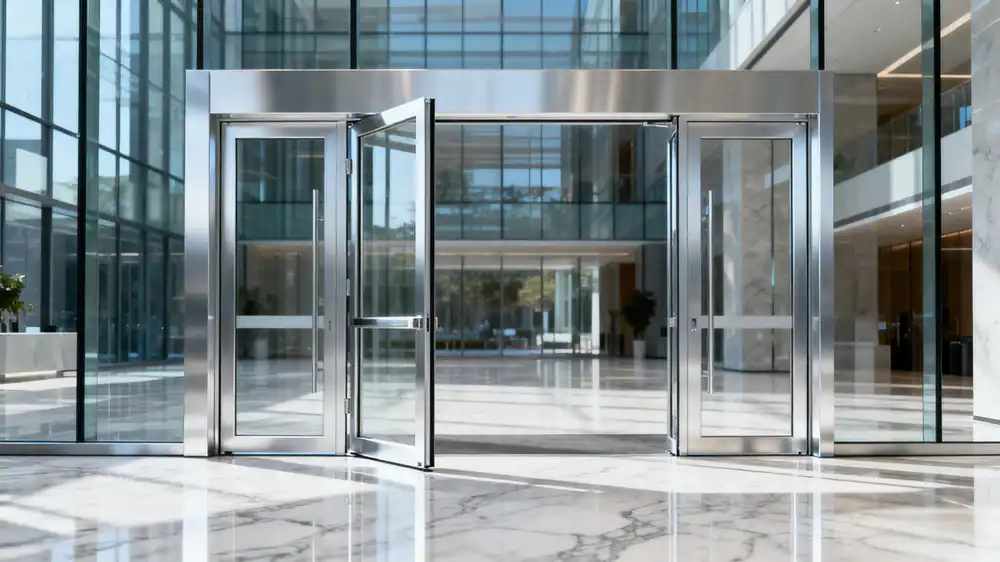
Understanding Commercial Aluminum Door Customization Fundamentals
Commercial building owners and facility managers consistently face challenges balancing functionality with design aesthetics. The entrance to your facility creates the first impression for clients, customers, and employees. When standard door solutions fail to meet your specific operational requirements or architectural vision, customization becomes essential. Commercial Aluminum Doors provide the flexibility to address these diverse needs through engineered solutions tailored to your unique application. Modern commercial environments require entrance systems that perform reliably under demanding conditions while reflecting corporate identity and architectural intent. Whether you operate a high-traffic retail location, corporate headquarters, healthcare facility, or hospitality venue, the ability to customize every aspect of your Commercial Aluminum Doors ensures optimal performance and visual impact. Customization extends far beyond simple color selection, encompassing structural engineering, thermal performance characteristics, security integration, and operational mechanics.
Core Customization Categories for Commercial Aluminum Doors
The customization landscape for Commercial Aluminum Doors encompasses several primary categories that work together to create comprehensive entrance solutions. Understanding these fundamental categories helps facility managers and architects make informed decisions that balance immediate needs with long-term performance requirements. Size and dimensional customization represents the foundation of any commercial door project. Standard openings rarely accommodate unique architectural designs or spatial constraints. Custom sizing allows Commercial Aluminum Doors to fit precisely within existing or planned openings, whether you require narrow stile designs for maximum glass area, medium stile configurations balancing strength and visibility, or wide stile options providing enhanced security and structural integrity. Oversized entrance systems demand specialized engineering, with reinforced frames maintaining structural stability while accommodating expansive glass panels that create dramatic visual impact. Material thickness and structural engineering customization ensures your Commercial Aluminum Doors withstand specific environmental and usage conditions. Profile thickness ranging from 1.4mm to 2.5mm provides varying levels of strength and durability. High-traffic applications benefit from heavier profiles that resist deformation under constant use, while climate considerations may require thermal break technology integrated into aluminum profiles to enhance energy efficiency. The 6063-T5 aluminum alloy construction standard offers optimal balance between strength, corrosion resistance, and workability for custom fabrication.
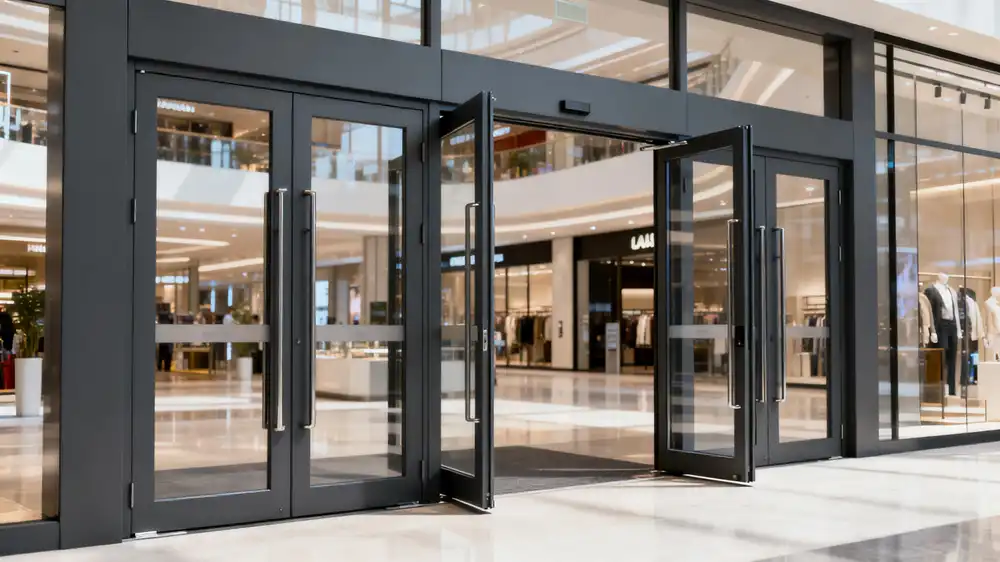
Surface Finishing and Color Customization Options
The visual impact of your Commercial Aluminum Doors significantly influences brand perception and architectural harmony. Surface finishing represents one of the most visible customization elements, offering protection against environmental degradation while establishing aesthetic character. Modern finishing technologies provide durability that extends the service life of your entrance system while maintaining consistent appearance despite heavy use and weather exposure. Powder coating technology delivers superior finish quality with exceptional color retention and corrosion resistance. This electrostatic application process bonds colored powder to aluminum surfaces, creating uniform coverage that resists chipping, fading, and scratching. Commercial Aluminum Doors finished with powder coating maintain their appearance for years, even under demanding conditions. Color selections typically include sophisticated options such as matte black, dark gray, champagne gold, bronze, white, and custom-matched hues that align perfectly with corporate branding or architectural specifications. Anodizing provides an alternative finishing method that chemically alters the aluminum surface, creating a protective oxide layer with natural metallic appearance. Clear anodized finishes preserve the natural aluminum aesthetic while providing corrosion protection, whereas dark bronze anodizing adds warm tonal qualities. This finishing technique offers exceptional durability and maintains dimensional stability, making it ideal for commercial applications requiring minimal maintenance over extended service periods.
Advanced Finish Customization Technologies
Custom cladding options expand finishing possibilities beyond standard powder coating and anodizing. Stainless steel cladding provides premium aesthetic appeal with enhanced corrosion resistance for coastal or industrial environments. Brass cladding creates distinctive luxury appearance suitable for upscale retail or hospitality applications. Wood grain textured finishes combine aluminum's structural advantages with the warm visual character of natural wood, appealing to projects where traditional aesthetics meet modern performance requirements. PVDF coatings represent the premium tier of finish technology for Commercial Aluminum Doors, offering superior weatherability and color retention. These fluoropolymer-based finishes resist ultraviolet degradation, chemical exposure, and extreme temperature fluctuations. Commercial facilities in harsh climates or locations with high pollution levels benefit significantly from PVDF-finished doors that maintain appearance with minimal maintenance intervention over decades of service.

Glass Selection and Glazing Configuration Customization
Glass represents the largest visible component in most Commercial Aluminum Doors, making glazing selection critical to achieving desired functionality and aesthetics. Customization options extend across glass type, thickness, coating technologies, and configuration patterns. Each selection influences security, thermal performance, acoustic control, privacy levels, and visual character. Tempered glass serves as the standard safety glazing for commercial applications, providing four to five times the strength of standard annealed glass. Upon breakage, tempered glass fragments into small, relatively harmless pieces, reducing injury risk. Standard thickness options of 10-12mm balance weight, strength, and cost considerations. Applications requiring enhanced security or impact resistance benefit from thicker glazing options extending to 19mm or beyond, providing additional protection against forced entry or accidental impact. Laminated glass construction bonds multiple glass layers with interlayer materials, creating glazing that remains intact even when broken. This technology provides superior security for Commercial Aluminum Doors in sensitive applications such as banks, government facilities, or high-value retail environments. Acoustic laminated glass reduces noise transmission, creating quieter interior environments in busy commercial districts. Privacy applications benefit from acid-etched or frosted laminated glass that obscures visibility while maintaining natural light transmission.
Specialized Glass Technologies for Enhanced Performance
Insulated glass units represent essential customization for energy-efficient Commercial Aluminum Doors. These multi-pane assemblies trap inert gas between glass layers, dramatically reducing heat transfer and improving thermal performance. Low-emissivity coatings applied to glass surfaces reflect infrared energy, further enhancing insulation properties while maintaining visible light transmission. Commercial facilities pursuing LEED certification or seeking reduced energy costs realize significant benefits from properly specified insulated glazing systems. Decorative glass patterns and textures add distinctive character to Commercial Aluminum Doors without compromising performance. Sandblasted designs create frosted patterns that provide privacy while allowing light transmission. Corporate logos sandblasted directly into glass establish brand identity at the entrance. Ceramic frit patterns offer UV-stable decoration with virtually unlimited design possibilities. Patterned glass with various textural profiles creates visual interest while controlling visibility levels to meet specific privacy requirements.

Hardware and Operational Mechanism Customization
The hardware components controlling Commercial Aluminum Doors operation significantly influence user experience, security, and maintenance requirements. Customization encompasses handle styles, locking mechanisms, closing devices, pivot configurations, and access control integration. Proper hardware selection ensures your entrance system performs reliably under actual usage conditions while meeting security and accessibility standards. Handle and pull hardware establishes tactile interaction with your Commercial Aluminum Doors while contributing to overall aesthetic presentation. Contemporary lever handles provide ergonomic operation with Americans with Disabilities Act compliant functionality. Ladder pull configurations suit applications requiring substantial gripping surface for heavy or frequently used doors. C-pull designs offer minimalist aesthetics appropriate for modern architectural vocabularies. Locking ladder pulls integrate security functionality directly into handle hardware, streamlining appearance while maintaining access control. Floor spring mechanisms provide concealed automatic closing functionality that maintains professional appearance. These hydraulic devices control closing speed and latching force, ensuring Commercial Aluminum Doors close properly after each opening cycle. Adjustable closing pressure accommodates varying wind loads and door weights, while delayed-action features allow adequate passage time for users with mobility challenges. Floor spring installation eliminates visible overhead closers that compromise aesthetic appearance, particularly valuable in design-focused commercial environments.
Access Control and Security Hardware Integration
Modern Commercial Aluminum Doors seamlessly integrate electronic access control systems without compromising aesthetic or structural integrity. Electromagnetic locks mounted to door frames provide fail-safe security that automatically releases during emergency situations. Electric strikes integrate with mortise lock hardware, allowing remote access control while maintaining mechanical override capability. Card reader systems, keypad entry devices, and biometric scanners mount directly to door frames or adjacent walls, creating comprehensive security solutions. Panic hardware meets egress code requirements for commercial occupancies while providing security against unauthorized entry. Rim-type panic devices mount to door surfaces, offering economical solutions for moderate-security applications. Vertical rod panic systems integrate more discreetly, with rods extending into head and sill plates for multi-point latching security. Touchbar mechanisms provide intuitive emergency egress while accommodating decorative pulls or lever handles on exterior surfaces. All panic hardware configurations for Commercial Aluminum Doors can coordinate with access control systems for integrated security management.
Operational Configuration and Opening Mechanism Customization

The manner in which Commercial Aluminum Doors operate fundamentally impacts space utilization, traffic flow, accessibility, and user convenience. Customization of opening mechanisms allows precise matching between door functionality and specific application requirements. Understanding operational options helps facility planners select configurations that optimize performance within spatial and architectural constraints. Pivot door configurations offer elegant operation for high-end commercial entrances, with doors rotating around offset pivot points rather than traditional edge hinges. This mechanism creates distinctive visual dynamics as doors open, while allowing larger and heavier panels than conventional hinged operation supports. Offset pivot placement positions the rotation point several inches from the door edge, reducing swing radius within the building interior while creating more dramatic exterior movement. Center pivot configurations split the door equally, creating balanced movement that suits grand entrances or applications requiring maximum drama. Sliding door systems maximize usable space by eliminating swing clearance requirements, making them ideal for space-constrained commercial environments. Two-panel configurations provide economical solutions for moderate-width openings, while four-panel systems accommodate expansive openings that create seamless indoor-outdoor transitions. Telescoping slide mechanisms stack multiple panels efficiently, allowing very wide openings within limited wall space. All sliding Commercial Aluminum Doors benefit from precision-engineered track systems and roller assemblies that ensure smooth, quiet operation over years of service.
Specialized Operational Configurations
Bi-fold door systems combine space efficiency with impressive opening widths, folding multiple panels back on themselves to create expansive openings. These configurations suit applications where maximum opening width within limited space is essential, such as retail storefronts connecting to outdoor seating areas or commercial facilities requiring flexible space utilization. Panel quantities ranging from two to eight accommodate openings from modest to expansive dimensions, with each panel width customized to maintain proper proportions and operational balance. Automatic door operators transform manual Commercial Aluminum Doors into touch-free entrance systems, enhancing accessibility and convenience. Motion sensors detect approaching users, triggering smooth automatic opening that accommodates wheelchairs, delivery carts, and customers carrying packages. Adjustable opening and closing speeds ensure proper operation across varied user populations and traffic patterns. Battery backup systems maintain operation during power interruptions, preserving accessibility and security. Integration with building management systems allows scheduled operation and remote monitoring for comprehensive facility control.

Thermal Performance and Weather Sealing Customization
Climate control efficiency and weather protection represent critical performance factors for Commercial Aluminum Doors in most applications. Customization of thermal characteristics and sealing systems ensures entrance performance matches environmental conditions and energy efficiency objectives. Properly specified thermal features reduce operational costs while maintaining occupant comfort and protecting interior finishes from weather damage. Thermal break technology interrupts aluminum's natural thermal conductivity by inserting polyamide strips between interior and exterior aluminum profiles. This engineering modification dramatically reduces heat transfer through door frames, improving insulation properties and condensation resistance. Commercial Aluminum Doors with thermal breaks maintain more consistent interior surface temperatures, reducing condensation risk that can damage finishes and create slip hazards. Energy-efficient buildings pursuing certification standards require thermal break construction to meet stringent thermal performance criteria. Weather sealing systems protect against air infiltration, water penetration, and dust ingress that compromise interior environments and increase energy consumption. Multi-stage sealing designs incorporate compression seals at door perimeters, with adjustable thresholds accommodating floor variations and ensuring proper door-to-floor contact. Interlocking astragals between double door panels create weathertight seals without requiring overlapping profiles that compromise aesthetics. All sealing components are replaceable, ensuring long-term weather protection as seals naturally degrade over years of service.
Advanced Sealing Technologies and Performance Testing
Commercial Aluminum Doors destined for demanding climate conditions benefit from enhanced sealing strategies that exceed standard performance levels. Corner sealing details receive special attention, with continuous gaskets wrapping corners without gaps that compromise weather protection. Drainage systems integrated into sill designs evacuate water that penetrates primary sealing layers, preventing interior leakage even during severe weather events. These sophisticated sealing approaches ensure reliable performance in coastal environments, high-altitude locations, or facilities with critical indoor environment control requirements. Performance testing validates weather sealing effectiveness under actual environmental conditions. Air infiltration testing measures cubic feet per minute of air leakage at specified pressure differentials, quantifying how effectively Commercial Aluminum Doors resist wind-driven air infiltration. Water penetration testing subjects door assemblies to simulated rain at various wind pressures, identifying any paths for water entry. Structural performance testing verifies that door assemblies withstand design wind loads without excessive deflection or component failure. Documented test results provide assurance that customized door specifications will perform as expected throughout their service life.
Conclusion
Customization transforms Commercial Aluminum Doors from generic products into precisely engineered entrance solutions matching your specific requirements. Strategic selection across dimensions, finishes, glazing, hardware, and operational mechanisms delivers optimal performance, aesthetics, and value.
Cooperate With Hunan Haolv Building Materials Co., Ltd.
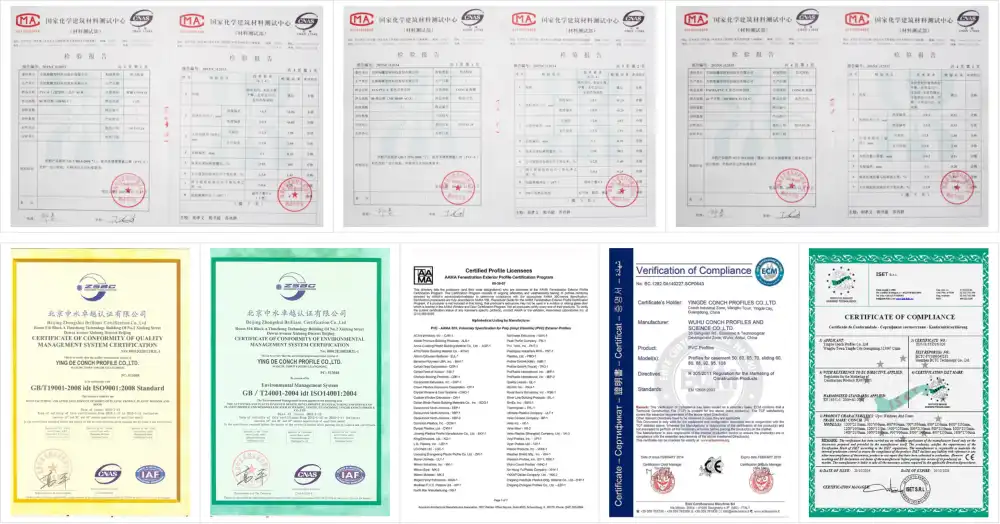
Partner with Haolv Building Materials Co., Ltd., your trusted China Commercial Aluminum Doors manufacturer, supplier, and factory offering wholesale Commercial Aluminum Doors solutions. With 18 years of manufacturing expertise and advanced production facilities equipped with precision CNC equipment and automated assembly systems, we deliver customized Commercial Aluminum Doors meeting international quality standards. Our comprehensive services include free technical consultation, solution design, sample shipping, and full project follow-up. Request your Commercial Aluminum Doors quotation, explore our Commercial Aluminum Doors Pricelist, or inquire about bulk Commercial Aluminum Doors pricing and customized Commercial Aluminum Doors specifications. Contact kristin@haolvwindows.com today for professional entrance solutions backed by ISO-certified quality management, efficient global logistics, and 24-hour customer support serving 30+ countries worldwide.
References
1. American Architectural Manufacturers Association. "AAMA 611: Voluntary Specification for Anodized Architectural Aluminum." AAMA Standards Committee on Finishes.
2. Glass Association of North America. "GANA Glazing Manual: Chapter 8 - Aluminum Curtain Walls." Tempering and Safety Glazing Technical Committee.
3. National Fenestration Rating Council. "NFRC 100: Procedure for Determining Fenestration Product U-factors." NFRC Technical Standards Committee.
4. Aluminum Association. "Aluminum Design Manual: Specifications and Guidelines for Aluminum Structures." Engineering Standards Committee.
5. Building Hardware Manufacturers Association. "BHMA A156 Series: Standards for Door Hardware." Technical Committee on Standards Development.

USER EVALUATE
Here is the customer's evaluation of us