




What makes aluminum curtain wall panels corrosion-resistant and durable?
Imagine investing millions in a stunning commercial building, only to watch its facade deteriorate within a decade due to rust, weathering, or material failure. This nightmare scenario haunts architects and building owners worldwide, yet it remains entirely preventable. Aluminum curtain wall panels solve this critical challenge through their inherent corrosion resistance and exceptional durability, offering building envelopes that maintain structural integrity and aesthetic appeal for 50+ years even in the harshest coastal and industrial environments.

Understanding the Science Behind Aluminum's Corrosion Resistance
The remarkable corrosion resistance of aluminum curtain wall panels stems from a fundamental chemical property that sets this material apart from traditional building metals. When aluminum is exposed to oxygen, it immediately forms a thin, transparent oxide layer on its surface. This natural protective barrier, typically only a few nanometers thick, acts as a shield that prevents further oxidation and corrosion from penetrating the underlying metal. Unlike steel, which develops rust that continues to spread and deteriorate the material, aluminum's oxide layer is self-healing and regenerates automatically if scratched or damaged. Modern aluminum curtain wall panels utilize premium alloys, particularly 6063-T5 and 6061-T6, which are specifically engineered for architectural applications demanding maximum corrosion resistance. These alloys contain carefully balanced proportions of magnesium and silicon that enhance both the strength and the protective oxide layer formation. The T5 and T6 designations indicate thermal treatment processes that further improve the material's resistance to environmental degradation. This metallurgical engineering ensures that aluminum curtain wall panels can withstand constant exposure to rain, humidity, salt spray in coastal regions, and even industrial pollutants without losing their structural properties or visual appeal.
Advanced Surface Treatment Technologies
Beyond the natural oxide layer, manufacturers apply sophisticated surface treatments that dramatically extend the lifespan of aluminum curtain wall panels. Anodizing represents one of the most effective protection methods, where the natural oxide layer is artificially thickened through an electrochemical process. This creates a harder, more durable surface that can be 25 times thicker than the natural oxide layer, providing exceptional resistance to abrasion, weathering, and chemical attack. Anodized aluminum curtain wall panels maintain their appearance for decades without fading, chalking, or losing their protective qualities. Powder coating and PVDF (polyvinylidene fluoride) resin coatings offer alternative protection strategies that combine corrosion resistance with extensive color and finish options. PVDF coatings, in particular, provide outstanding resistance to ultraviolet radiation, preventing color fading and material degradation even under intense sunlight exposure. These coatings create an impermeable barrier that blocks moisture and corrosive elements from reaching the aluminum substrate. The combination of natural aluminum properties and advanced coating technologies makes aluminum curtain wall panels virtually immune to the corrosion problems that plague other building materials, ensuring that buildings maintain their pristine appearance throughout their service life.
Material Composition and Alloy Engineering Excellence
The durability of aluminum curtain wall panels begins at the molecular level with carefully selected alloy compositions that balance multiple performance requirements. The 6000 series aluminum alloys used in curtain wall manufacturing contain magnesium and silicon as primary alloying elements, creating what metallurgists call a heat-treatable alloy system. This means the material can be strengthened through controlled heating and cooling processes, achieving strength levels comparable to mild steel while maintaining aluminum's lightweight characteristics. A typical aluminum curtain wall panel weighs approximately 65% less than an equivalent steel panel, dramatically reducing structural loads on buildings while delivering superior corrosion resistance. The T5 and T6 temper designations indicate specific thermal treatment processes that optimize the alloy's properties for architectural applications. T5 temper involves cooling the aluminum from an elevated temperature and then artificially aging it to increase strength. T6 temper includes solution heat treatment followed by artificial aging, producing even higher strength characteristics. These processes create a fine-grained microstructure within the aluminum that enhances both mechanical properties and corrosion resistance. The result is an aluminum curtain wall panel material that maintains dimensional stability across temperature variations, resists deformation under wind loads, and provides consistent performance throughout decades of service.
Structural Performance in Demanding Applications
The mechanical properties of aluminum curtain wall panels make them ideal for high-rise buildings and structures exposed to extreme weather conditions. These panels demonstrate excellent strength-to-weight ratios, allowing architects to design larger glass areas and more expansive facades without compromising structural integrity. The material's inherent ductility means aluminum curtain wall panels can absorb impact energy and accommodate building movements without cracking or failing catastrophically. This flexibility proves crucial in seismic zones where buildings must withstand earthquakes, as well as in high-wind coastal areas where structures face constant buffeting from storms. Furthermore, aluminum's thermal properties contribute significantly to curtain wall system durability. The material expands and contracts predictably with temperature changes, and modern curtain wall systems incorporate thermal breaks and expansion joints that accommodate these movements without inducing stress or creating gaps in the building envelope. Premium aluminum curtain wall panels maintain their structural properties across a temperature range from -40°C to +80°C, ensuring reliable performance in climates ranging from Arctic conditions to desert heat. This thermal stability, combined with the material's non-combustible nature and high melting point of 660°C, makes aluminum curtain wall panels a safe, durable choice for buildings of all types.
Weather Resistance and Long-Term Performance Characteristics

The ability of aluminum curtain wall panels to withstand diverse weather conditions without degradation represents a critical factor in their widespread adoption for commercial architecture. These systems undergo rigorous testing to ensure they can handle water infiltration, air leakage, wind pressure, and thermal cycling that buildings experience over their lifetimes. High-quality aluminum curtain wall panels are tested to withstand typhoon-force winds exceeding 150 kilometers per hour, with secure edge-locking designs and robust fastening systems that maintain panel integrity even under extreme loading conditions. This weather performance ensures buildings remain watertight and energy-efficient regardless of external environmental challenges. The corrosion resistance of aluminum curtain wall panels becomes particularly evident in coastal environments where salt spray would rapidly destroy steel or other ferrous metals. The natural oxide layer on aluminum, enhanced by anodizing or coating treatments, prevents chloride ions from penetrating the surface and initiating corrosion. Buildings located within meters of ocean surf, where salt-laden winds constantly assault exterior surfaces, maintain their structural integrity and appearance when clad with aluminum curtain wall panels. This exceptional salt-water resistance extends the useful life of buildings in these challenging environments by decades compared to alternative materials, representing significant long-term value for building owners.
Thermal Efficiency and Condensation Management
Modern aluminum curtain wall panels incorporate sophisticated thermal break technologies that address aluminum's high thermal conductivity while preserving its durability advantages. Thermal breaks consist of low-conductivity material barriers positioned between interior and exterior aluminum components, significantly reducing heat transfer through the building envelope. This engineering innovation allows aluminum curtain wall panels to achieve thermal performance values that meet or exceed stringent energy codes worldwide, reducing building heating and cooling costs by more than 25% compared to non-thermally broken systems. The thermal efficiency not only saves energy but also prevents condensation formation on interior surfaces, eliminating moisture problems that could compromise indoor air quality or damage interior finishes. The hollow structure design of many aluminum curtain wall panels further enhances thermal insulation while maintaining the material's inherent durability. Air spaces within panel assemblies act as additional insulation barriers, creating multi-zone thermal protection that keeps interior spaces comfortable while protecting the building structure from temperature-induced stress. Advanced aluminum curtain wall panels combine insulated glazing units with thermally broken frames and back-pan insulation to create comprehensive envelope systems that deliver exceptional energy performance without sacrificing the weather resistance and longevity that aluminum construction provides. This integration of thermal efficiency with durability makes aluminum curtain wall panels an optimal choice for sustainable, long-lasting building design.
Design Flexibility and Customization Capabilities

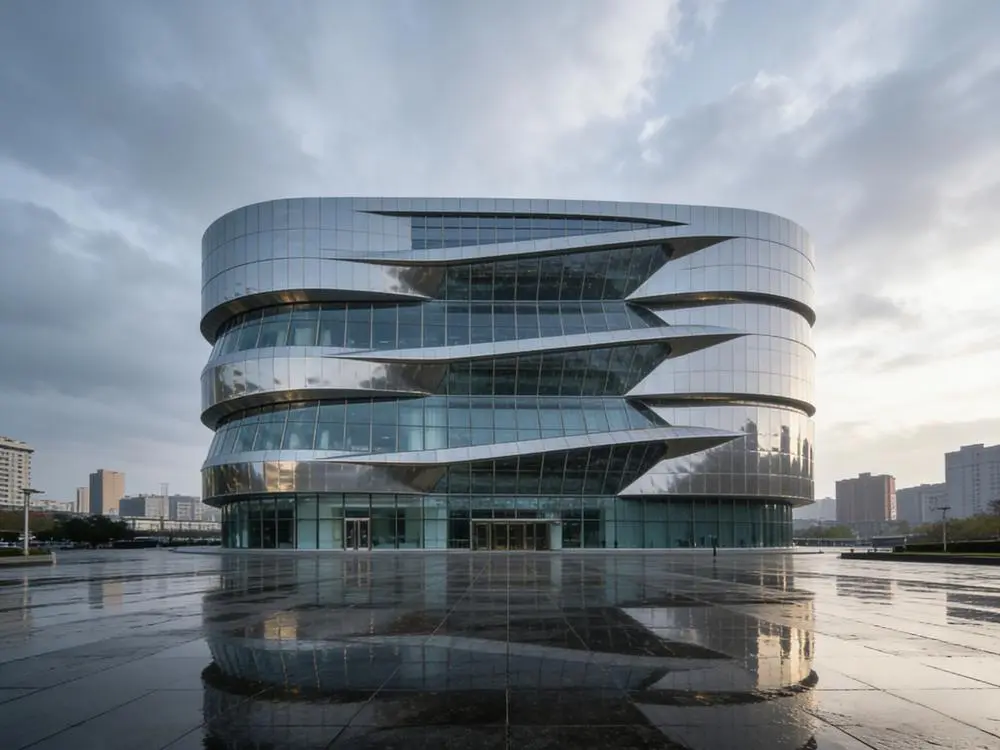
The durability of aluminum curtain wall panels extends beyond material properties to encompass their adaptability to diverse architectural visions and functional requirements. Aluminum's excellent formability allows manufacturers to create panels in virtually any shape, size, or configuration that architects envision. From flat rectangular panels for minimalist modern facades to complex curved surfaces for iconic landmark buildings, aluminum curtain wall panels can be fabricated to precise specifications without compromising their corrosion resistance or structural performance. This design flexibility enables architects to create distinctive building exteriors that maintain their intended appearance for decades, as the material won't warp, twist, or degrade over time like some alternatives. The surface finishing options available for aluminum curtain wall panels provide extensive aesthetic possibilities while enhancing durability characteristics. Anodized finishes offer a range of metallic tones from natural silver to bronze and black, with surface hardness that resists scratching and wear far better than painted surfaces. Powder coating technology delivers virtually unlimited color choices, from vibrant reds and blues to sophisticated earth tones and wood-grain textures that mimic natural materials. PVDF liquid coatings provide the ultimate in color retention and gloss preservation, maintaining their appearance even after decades of exposure to intense sunlight and weathering. These diverse finishing options mean aluminum curtain wall panels can satisfy any aesthetic requirement while delivering consistent long-term durability.
System Integration and Installation Advantages
The durability advantages of aluminum curtain wall panels extend to installation and system integration aspects that affect long-term building performance. Unitized curtain wall systems, where panels are pre-assembled in controlled factory environments, ensure consistent quality and faster installation while minimizing on-site weather exposure during construction. These complete panel units integrate aluminum frames, glazing, insulation, and weathersealing components into single assemblies that install quickly and reliably. The precision fabrication possible with aluminum ensures tight tolerances and proper alignment, creating building envelopes with superior air and water tightness that maintain their performance throughout the building's life. Stick-built systems offer maximum customization for complex geometries while still delivering the durability benefits inherent to aluminum construction. The compatibility of aluminum curtain wall panels with modern building technologies further enhances their long-term value proposition. These systems readily accommodate insulated glazing units, low-E glass coatings, automated shading devices, and even integrated photovoltaic panels for energy generation. The non-corrosive nature of aluminum ensures that these integrated components function reliably over time without degradation from contact corrosion or moisture intrusion. Advanced aluminum curtain wall panels support building automation systems through integrated sensors and controls that monitor performance and optimize energy efficiency. This technology integration capability, combined with aluminum's fundamental durability characteristics, positions these systems as future-proof solutions that adapt to evolving building performance requirements while maintaining their structural integrity and protective functions.
Maintenance Requirements and Lifecycle Cost Analysis

The exceptional durability of aluminum curtain wall panels translates directly into significant lifecycle cost advantages that building owners appreciate throughout the structure's operational life. Unlike painted steel or other materials requiring regular repainting or refinishing to maintain corrosion protection, aluminum curtain wall panels typically need only periodic cleaning to preserve their appearance and performance. The stable oxide layer and advanced surface treatments resist fading, chalking, and degradation that necessitate costly maintenance interventions with alternative materials. A simple washing with water and mild detergent once or twice annually suffices to keep aluminum curtain wall panels looking new, representing minimal maintenance expense compared to the ongoing costs associated with other facade systems. The long-term performance reliability of aluminum curtain wall panels eliminates unexpected replacement costs that can burden building budgets. While initial installation costs for premium aluminum systems may exceed some alternatives, the total cost of ownership over a 50-year building lifespan heavily favors aluminum due to its longevity and minimal maintenance needs. The corrosion resistance that prevents material deterioration means structural components maintain their load-bearing capacity indefinitely, avoiding expensive facade replacements that buildings with less durable materials may require after 20-30 years. Insurance costs may also decrease for buildings with aluminum curtain wall panels due to the material's non-combustible nature and proven performance in extreme weather events, adding another financial advantage to the durability equation.
Sustainability and Environmental Performance
The durability of aluminum curtain wall panels contributes significantly to sustainable building practices and environmental stewardship. A building envelope that maintains its performance and appearance for 50+ years without requiring replacement represents tremendous resource conservation compared to materials needing renovation every 15-20 years. The energy embodied in aluminum production is recovered through decades of service, and at end-of-life, aluminum curtain wall panels are 100% recyclable without quality loss. The recycling process for aluminum requires only 5% of the energy needed for primary production, making these panels valuable resources rather than waste. Many manufacturers now use aluminum extrusions containing 75% or more recycled content, further reducing the environmental impact of new curtain wall installations. The energy efficiency enabled by thermally improved aluminum curtain wall panels delivers ongoing environmental benefits throughout building operations. By reducing heating and cooling loads through superior thermal performance, these systems lower carbon emissions associated with building energy consumption. The durability that maintains these efficiency benefits over decades multiplies the environmental advantages, as building envelopes don't deteriorate and lose performance over time. Advanced aluminum curtain wall panels contribute to LEED certification and other green building rating systems through their recycled content, durability, energy performance, and end-of-life recyclability. This comprehensive sustainability profile, rooted in the fundamental corrosion resistance and longevity of aluminum, makes these systems optimal choices for environmentally responsible construction.
Proven Performance in Global Applications

The corrosion resistance and durability of aluminum curtain wall panels have been validated through decades of real-world performance across diverse global environments. From tropical climates with high humidity and intense UV exposure to Arctic regions experiencing extreme temperature cycling, aluminum curtain wall panels demonstrate consistent reliability that confirms their engineering design principles. Coastal high-rise buildings standing meters from salt water maintain pristine facades after 30+ years of service, while urban structures in pollution-heavy industrial cities show no signs of material degradation despite constant exposure to aggressive atmospheric conditions. This proven track record across climatic extremes provides confidence that aluminum curtain wall panels will deliver their promised durability regardless of installation location. Notable architectural landmarks worldwide showcase the long-term performance capabilities of aluminum curtain wall panels. Modern office towers, luxury hotels, transportation terminals, and institutional buildings rely on these systems to maintain their architectural vision while providing reliable building envelope protection. The fact that buildings constructed with aluminum curtain walls in the 1970s and 1980s still perform effectively today, often with only minimal maintenance, demonstrates the exceptional longevity that proper aluminum system design and installation delivers. This heritage of proven performance in demanding applications worldwide validates the technical claims regarding corrosion resistance and durability, giving architects and building owners confidence in specifying aluminum curtain wall panels for projects requiring decades of reliable service.
Conclusion
Aluminum curtain wall panels achieve exceptional corrosion resistance and durability through natural oxide protection, advanced alloy engineering, sophisticated surface treatments, and proven system design that delivers 50+ years of reliable performance across all climates.
Cooperate With Hunan Haolv Building Materials Co., Ltd.

Partner with a leading China aluminum curtain wall panels manufacturer that combines 18 years of expertise with cutting-edge production capabilities. Hunan Haolv Building Materials Co., Ltd. operates as a premier China aluminum curtain wall panels factory and China aluminum curtain wall panels supplier, offering wholesale aluminum curtain wall panels with competitive aluminum curtain wall panels price options. Request your aluminum curtain wall panels quotation today for bulk aluminum curtain wall panels or customized aluminum curtain wall panels tailored to your project specifications. Our aluminum curtain wall panels pricelist delivers transparent pricing backed by ISO-certified quality management and comprehensive technical support. With advanced CNC machining centers, automated assembly systems, and rigorous inspection protocols, we ensure every panel meets international standards. Our one-stop service includes free technical consultation, solution design, sample shipping, and full project follow-up. Contact us at kristin@haolvwindows.com to discuss your requirements and discover why clients in 30+ countries trust our superior craftsmanship and reliability.
References
1. "Aluminum Curtain Wall Systems: Design and Performance Standards" - American Architectural Manufacturers Association (AAMA), Technical Standards Committee
2. "Corrosion Resistance of Aluminum Alloys in Building Applications" - Thompson, R.J. & Martinez, L.K., Journal of Building Materials and Construction Engineering
3. "Thermal Performance of Curtain Wall Systems in Modern Architecture" - Chen, Y. & Anderson, P., International Journal of Sustainable Building Technology
4. "Long-term Durability Assessment of Aluminum Building Envelopes" - Wilson, D.M., Construction Materials Research Institute
5. "Surface Treatment Technologies for Aluminum Architectural Products" - Garcia, S.R. & Nakamura, H., Materials Science in Architecture Quarterly

USER EVALUATE
Here is the customer's evaluation of us