




Why White UPVC Casement Windows Remain the Top Choice for Homeowners?
When it comes to selecting windows that combine affordability, energy efficiency, and timeless aesthetics, few options rival the enduring popularity of white UPVC casement windows. These windows have become a staple in residential architecture across the globe, offering a unique balance of performance and value that appeals to homeowners, architects, and developers alike. But what exactly makes them so widely preferred, and how do they compare to other materials and operating styles? This comprehensive guide explores every aspect of white UPVC casement windows—from their construction and benefits to installation considerations and long-term value.

Understanding White UPVC Casement Windows: Design and Construction
White UPVC casement windows are defined by two key characteristics: the material (unplasticized polyvinyl chloride, or UPVC) and the operating mechanism (hinged on the side, swinging outward or inward). This combination delivers a window system that is both highly functional and visually appealing.
The frame of a white UPVC casement window is extruded from UPVC, a rigid, durable polymer that contains no plasticizers, making it resistant to warping, rotting, and corrosion. Unlike traditional timber frames that require regular painting and maintenance, or aluminum frames that can conduct heat, UPVC offers inherent thermal insulation properties. The white color—achieved through co-extrusion or applied finishes—provides a clean, neutral appearance that complements virtually any architectural style, from traditional cottages to modern suburban homes.
The casement design itself is engineered for superior performance. A single sash is attached to the frame by a series of hinges (typically friction stays or butt hinges), allowing the window to swing open fully for maximum ventilation or partially for controlled airflow. When closed, the sash compresses against a continuous EPDM rubber gasket, creating an airtight seal that prevents drafts, water ingress, and noise penetration. Modern white UPVC casement windowsoften feature multi-point locking systems with stainless steel components, engaging the sash to the frame at several points simultaneously for enhanced security and weather tightness.
Manufacturing quality is critical to the performance of white UPVC casement windows. Premium products use virgin UPVC material with UV stabilizers and impact modifiers, ensuring that the white color remains bright and the frames resist cracking even after decades of exposure to sunlight and temperature fluctuations. Steel reinforcement is commonly integrated into the hollow chambers of the frame and sash to provide additional structural rigidity, allowing for larger sash sizes and improved wind load resistance. Glass units are typically double or triple glazed, filled with argon or krypton gas, and equipped with low-emissivity (Low-E) coatings to achieve optimal thermal efficiency.
Key Advantages of White UPVC Casement Windows
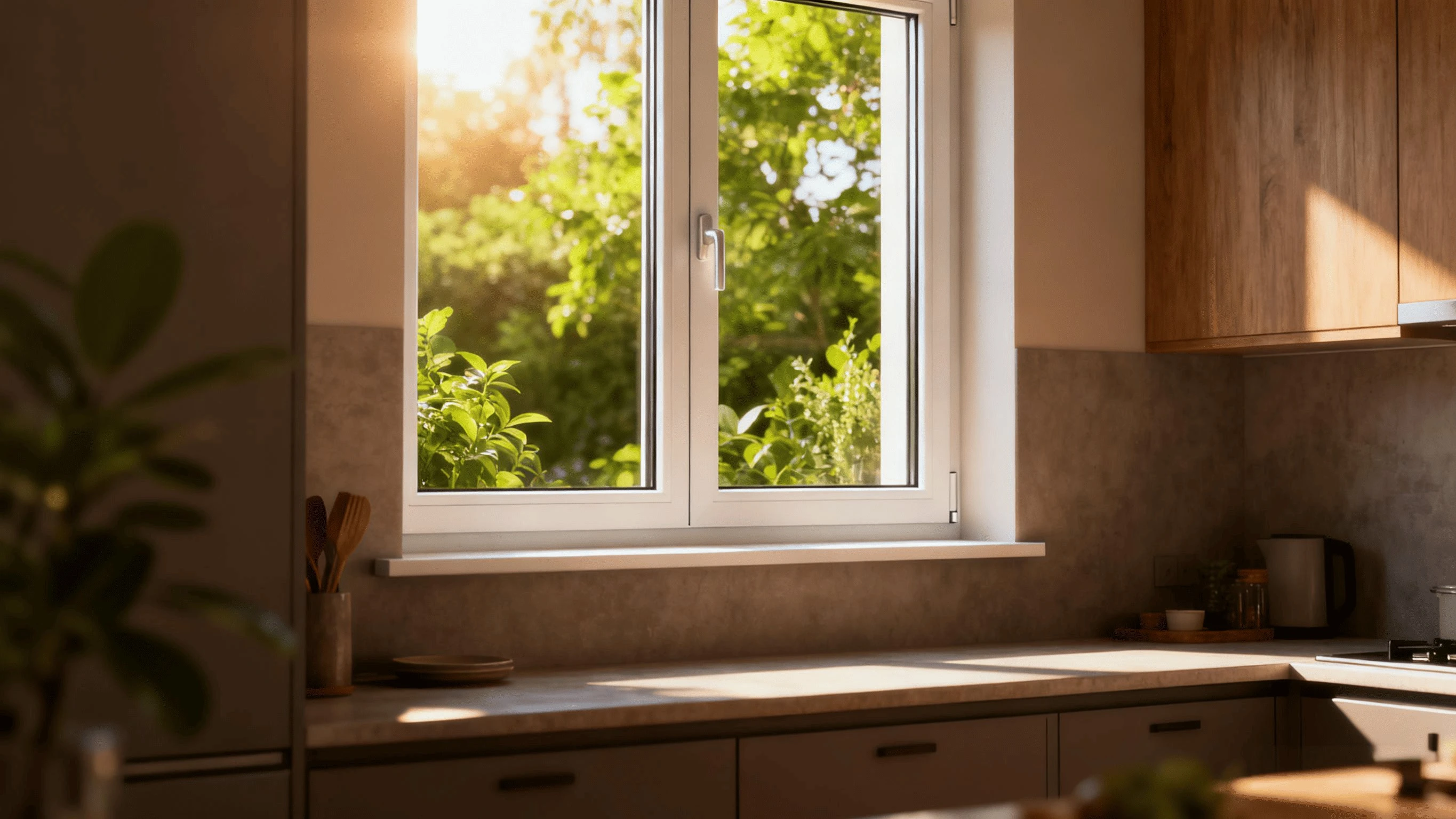
The sustained popularity of white UPVC casement windows can be attributed to a compelling set of advantages that address the most important concerns of homeowners and building professionals.
Exceptional thermal insulation is perhaps the most celebrated benefit. UPVC is a naturally poor conductor of heat, and when combined with multi-chambered frame designs and high-performance glass, these windows achieve outstanding U-values (typically between 1.1 and 1.6 W/m²K). This translates directly into reduced heating and cooling costs, improved indoor comfort, and a lower carbon footprint. In colder climates, the thermal break effect is inherent to the material itself, eliminating the need for additional insulating components.
Superior weather resistance and durability set UPVC apart from many alternatives. Unlike wood, UPVC does not absorb moisture, so it will never rot, warp, or swell. Unlike untreated aluminum, it is impervious to corrosion, even in coastal environments with salt-laden air. The material is formulated to withstand extreme temperatures, from freezing winters to scorching summers, without becoming brittle or softening. A properly installed white UPVC casement windowcan easily last 30 years or more with minimal maintenance.
Low maintenance requirements are a major selling point for busy homeowners. The smooth, non-porous surface of UPVC resists dirt accumulation and can be cleaned simply with mild soap and water. There is no need for sanding, painting, or staining. The white color does not fade significantly over time when high-quality UV-stabilized materials are used, and the hardware components (hinges, handles, locks) are typically designed for decades of trouble-free operation.
Enhanced security is engineered into modern white UPVC casement windows. The casement configuration, combined with multi-point locking systems, makes forced entry extremely difficult. When the window is closed and locked, the sash is securely engaged with the frame at multiple points—often with hooks or rollers that embed into the frame—creating a robust barrier. Additionally, laminated or toughened glass options add another layer of protection against break-in attempts.
Acoustic insulation is a valuable benefit for properties located in noisy urban areas, near airports, or along busy roads. The combination of a tight seal, multi-chambered frames, and double or triple glazing effectively reduces sound transmission. Specialized acoustic glass can be specified to further attenuate noise, making these windows an excellent choice for bedrooms and home offices.
Aesthetic versatility should not be underestimated. While the classic white finish is beloved for its clean, bright appearance, modern white UPVC casement windows can also be finished with woodgrain foils (such as oak or mahogany) to mimic the warmth of timber while retaining the low-maintenance benefits of UPVC. The casement design itself allows for a variety of configurations: side-hung, top-hung (awning), or combined fixed and opening sections to suit any architectural requirement.
Glass and Hardware: Customizing Your White UPVC Casement Windows

To maximize the performance and suitability of white UPVC casement windows, careful attention must be given to glass selection and hardware specifications.
Glass options range widely depending on performance goals. For energy efficiency, double glazing with Low-E coating and argon gas fill is the standard recommendation. In extreme climates or where higher acoustic performance is required, triple glazing with two Low-E coatings and krypton gas can achieve U-values below 0.8 W/m²K. For safety and security, laminated glass (which holds together when shattered) or tempered glass (which breaks into small, safe pieces) are excellent choices. In locations with strong solar exposure, solar control glass can reduce heat gain without sacrificing natural light.
Hardware quality directly impacts the longevity and user experience of white UPVC casement windows. Premium systems use stainless steel or corrosion-resistant alloy for hinges, handles, and locking mechanisms. Friction stays should be adjustable to maintain consistent compression of the gasket over time. Multi-point locking systems with mushroom-shaped cams provide superior compression and security. For hard-to-reach windows, electric opening mechanisms with remote control or integration into home automation systems are available.
Ventilation options can be enhanced with additional features such as trickle vents—small adjustable slots integrated into the frame that allow background ventilation without fully opening the window. This is particularly useful in bedrooms or rooms where security or weather conditions make leaving windows open impractical.
Where to Install White UPVC Casement Windows: Optimal Applications

The versatility of white UPVC casement windows makes them suitable for a wide range of applications across residential and light commercial projects.
Residential homes are the most common setting. In living rooms, the casement design allows for full opening, creating excellent cross-ventilation and bringing outdoor air inside. In bedrooms, the combination of security, acoustic insulation, and thermal comfort makes these windows a preferred choice. In kitchens, ease of cleaning and the ability to open wide for ventilation are highly valued. For bathrooms, smaller casement windows with frosted or obscure glass provide privacy while allowing fresh air circulation.
Apartments and condominiums often specify white UPVC casement windowsbecause they offer a consistent, clean aesthetic that suits modern developments. The durability and low maintenance requirements are particularly appealing to building owners and management companies, as they reduce long-term upkeep costs.
Commercial applications such as small offices, clinics, and retail spaces benefit from the professional appearance and reliable performance of these windows. The ability to integrate with building management systems for automated operation is an added advantage in commercial settings.
Renovation projects frequently utilize white UPVC casement windows because they can be manufactured to fit existing openings, replacing old, inefficient windows without requiring extensive structural modifications. The improved energy efficiency and noise reduction are often immediately noticeable to homeowners, making these upgrades highly satisfying.
Installation and Long-Term Value

Even the finest white UPVC casement windows will deliver suboptimal performance if installation is not executed correctly. Professional installation is essential to ensure that the frame is square, level, and properly anchored. Correct sealing and flashing prevent water infiltration, which can lead to hidden damage over time. The gasket must form a continuous, uncompromised seal around the sash.
For homeowners and developers, the long-term value of investing in high-quality white UPVC casement windows extends beyond the initial purchase. Lower energy bills, reduced maintenance, enhanced security, and increased property value contribute to a compelling return on investment. When manufactured to standards such as BS 7412 (UK) or equivalent certifications, these windows provide documented performance and reliability.
Conclusion
White UPVC casement windows offer an exceptional combination of thermal efficiency, durability, security, and aesthetic appeal. Their low maintenance requirements, versatility across architectural styles, and long service life make them one of the most practical window solutions available today. Whether you are building a new home, renovating an existing property, or undertaking a commercial development, these windows deliver reliable performance and lasting value.
Cooperate With Hunan Haolv Building Materials Co., Ltd.

As a leading manufacturer of high-performance window systems, Hunan Haolv Building Materials Co., Ltd. brings over eighteen years of specialized expertise in aluminum and UPVC products. Our white UPVC casement windows are manufactured using premium virgin UPVC material with integrated steel reinforcement, multi-chamber profiles, and high-quality hardware to ensure exceptional performance and longevity. We offer complete customization services, including various glass configurations, hardware finishes, and size specifications to meet your exact requirements. Every product undergoes rigorous ISO-certified quality management from raw material selection through final inspection. For detailed quotations, pricelist information, or to discuss your project needs, please contact us today at kristin@haolvwindows.com.

USER EVALUATE
Here is the customer's evaluation of us