




Aluminum Glass Room The Ultimate Guide to Creating a Year-Round Sunroom
Imagine enjoying the beauty of the outdoors while being protected from wind, rain, and harsh sunlight—all year long. This is the promise of an aluminum glass room. Also known as a sunroom, conservatory, or patio enclosure, an aluminum glass room is a structure attached to a home or building that uses aluminum framing and glass panels to create a bright, weather-protected living space. Whether used as a garden retreat, home office, dining area, or relaxation space, an aluminum glass room extends your usable living area and connects you with nature. This comprehensive guide covers everything you need to know about designing, selecting, and installing an aluminum glass room.
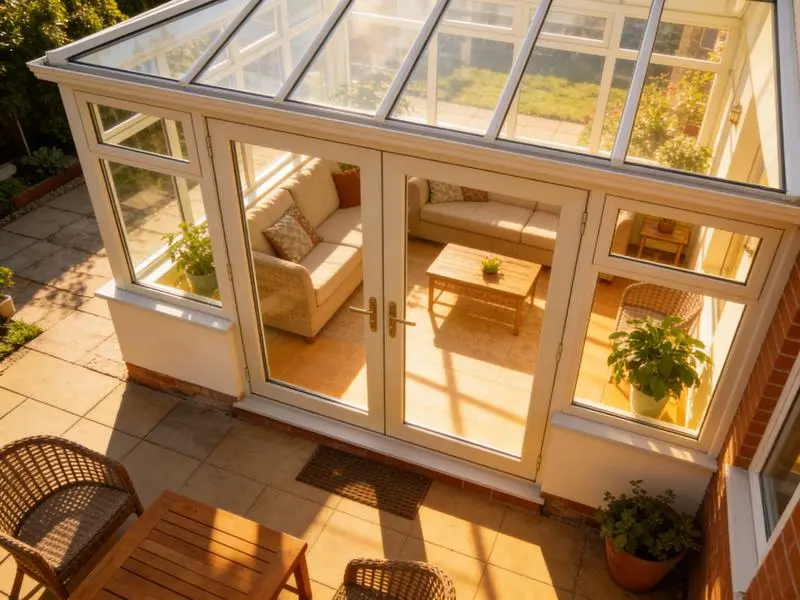
What Is an Aluminum Glass Room?
An aluminum glass room is a permanent or semi-permanent structure featuring an aluminum frame and large glass panels for walls and roof. Unlike conventional rooms with solid walls, these structures maximize natural light and provide unobstructed views of the surrounding landscape. The aluminum frame is extruded from high-grade 6063-T5 alloy, known for its strength, corrosion resistance, and ability to support large glass panels without bulky profiles.
The glass used in an aluminum glass room is typically double or triple glazed for thermal insulation and safety. The roof can be constructed from glass panels, insulated aluminium panels, or a combination of both. Modern aluminum glass rooms incorporate thermal break technology in the frame profiles to prevent heat loss in winter and heat gain in summer, making them comfortable spaces in all seasons.
Ventilation is provided through integrated windows, roof vents, or sliding doors. Optional features include electric blinds or curtains for shade, heating and cooling systems, and integrated lighting. An aluminum glass room can be designed as a lean-to against an existing wall or as a freestanding structure in a garden or rooftop.
Key Advantages of an Aluminum Glass Room
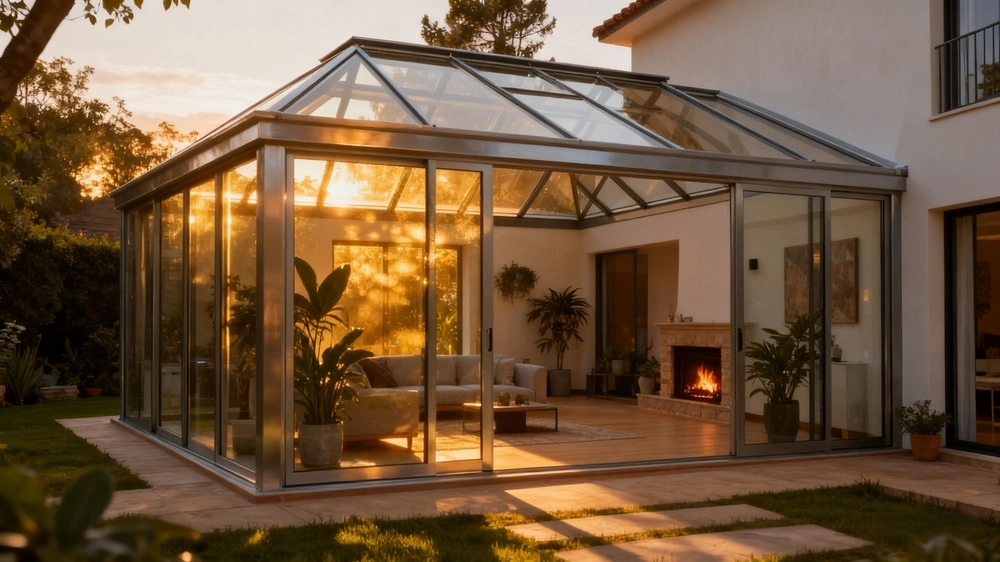
Year-round usability is the primary benefit of an aluminum glass room. With proper glazing and thermal break frames, the space remains comfortable in winter (retaining heat) and summer (reflecting solar radiation). Unlike open patios that are unusable in rain or cold weather, a glass room provides protection from the elements while still offering an outdoor feel.
Abundant natural light transforms the space. The glass walls and roof flood the interior with daylight, reducing the need for artificial lighting and creating a bright, uplifting environment. This natural light has been shown to improve mood, productivity, and overall wellbeing.
Increased property value is a significant advantage. A well-designed aluminum glass room adds usable square footage to a home and enhances its aesthetic appeal. Real estate studies indicate that sunrooms and conservatories can recoup 50-70% of their cost in increased property value.
Versatility of use allows the space to serve multiple functions: garden room, home office, dining area, playroom, gym, relaxation space, or indoor plant conservatory. The flexibility makes it a valuable addition to any home.
Durability and low maintenance are inherent to aluminum construction. The frame will not rot, warp, rust, or corrode. Powder-coated finishes resist fading and require only occasional cleaning. The glass is easy to clean, and the structure requires far less maintenance than a wood-framed sunroom.
Energy efficiency is achieved through thermal break profiles and double or triple glazing. Low-E coatings on the glass reflect infrared heat, keeping the room cooler in summer and warmer in winter. Argon or krypton gas fills between panes further improve insulation. Properly designed aluminum glass rooms can achieve U-values as low as 1.2-1.6 W/m²K.
Customizable design options include various roof styles (lean-to, gable, curved, or pyramid), frame colors (any RAL color or woodgrain finishes), glass types (clear, tinted, frosted, or patterned), and integrated shading (internal or external blinds).
Design Considerations for an Aluminum Glass Room

Orientation and placement are critical. South-facing rooms receive maximum sunlight and heat, ideal for cooler climates but requiring shading in hot regions. North-facing rooms receive indirect light, staying cooler in summer. East-facing rooms capture morning light, while west-facing rooms get afternoon sun and may need shading.
Glazing selection determines thermal and acoustic performance:
Double glazing (5mm+20A+5mm): Standard for most climates, with Low-E coating and argon gas fill.
Triple glazing (5mm+12A+5mm+12A+5mm): For extreme climates or noise-sensitive locations.
Self-cleaning glass: Coated to break down dirt and allow rain to wash it away.
Tinted or reflective glass: Reduces solar heat gain and glare.
Laminated glass: For safety and sound reduction.
Frame specifications should include thermal break profiles (minimum 20mm polyamide strip), multi-chamber design for insulation, and powder-coated finish for durability. Wall thickness should be at least 1.8mm for structural components.
Roof design affects light, heat, and aesthetics:
Lean-to roof: Single slope against an existing wall; simple and cost-effective.
Gable roof: Pitched roof with ridge; provides height and classic appearance.
Curved or polycarbonate roof: Modern appearance; allows light diffusion.
Solid insulated roof panels: For maximum heat control and reduced glare.
Ventilation and shading are essential for comfort. Integrated roof vents, opening windows, and sliding doors provide airflow. Internal or external blinds, awnings, or shade screens control solar heat gain.
Applications for an Aluminum Glass Room
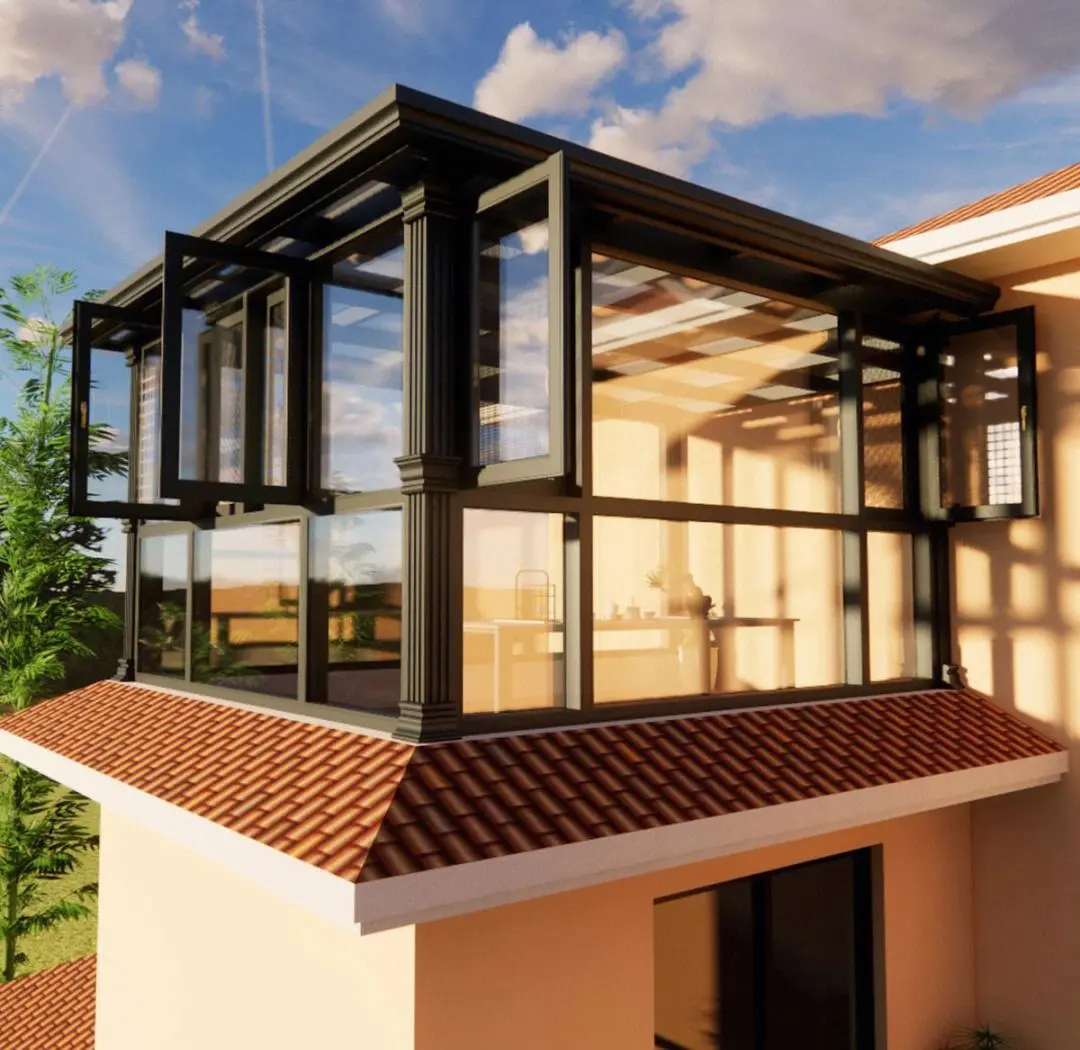
Residential sunrooms attached to houses provide additional living space for relaxation, dining, or entertaining.
Garden conservatories allow year-round enjoyment of plants and flowers, protecting them from frost while providing light.
Home offices and studios benefit from the natural light and connection to nature, improving productivity and creativity.
Restaurant and cafe extensions use glass rooms to create attractive, weather-protected dining areas that feel open and airy.
Hotel and resort amenities include glass-enclosed lounges, poolside structures, and breakfast rooms that offer views while protecting from elements.
Rooftop enclosures on apartment buildings or commercial properties transform unused roof space into valuable indoor-outdoor areas.
Frequently Asked Questions About Aluminum Glass Rooms
Q: Is an aluminum glass room usable in winter?
A: Yes, with thermal break frames and double or triple glazing, the room retains heat effectively. In colder climates, adding a small heating source (radiator or underfloor heating) ensures comfort.
Q: How do I prevent the glass room from getting too hot in summer?
A: Use Low-E glass to reflect solar heat, add external blinds or shades, ensure adequate roof and wall ventilation, and consider tinted or reflective glass. Roof vents that open automatically are highly effective.
Q: What is the typical cost of an aluminum glass room?
A: Costs vary widely based on size, glazing, roof type, and location. A basic lean-to structure may cost $200-400 per square foot, while a fully customized gable-roof room with premium glazing can exceed $600 per square foot.
Q: Do I need planning permission for an aluminum glass room?
A: Regulations vary by location. In many areas, attached sunrooms under a certain size and height may be exempt. Always check with local building authorities before construction.
Q: How long does an aluminum glass room last?
A: With quality materials and proper installation, 30 to 50 years is realistic for the aluminum frame. Glass units may need replacement after 15-20 years if seals fail. Regular cleaning and occasional lubrication of moving parts are sufficient for maintenance.
Installation and Long-Term Value

Professional installation is essential for an aluminum glass room. The foundation must be properly prepared, the frame must be correctly anchored, and all seals must be watertight. Glazing installation requires precision to ensure thermal performance and safety. Roof drainage must be designed to prevent leaks.
The long-term value of an aluminum glass room extends beyond the initial investment. Increased usable living space, enhanced property value, energy savings (if designed for passive solar gain), and improved quality of life provide compelling returns. With proper care, the structure will serve as a beloved part of the home for decades.
Conclusion
An aluminum glass room transforms how you experience your home and garden. By combining the strength and durability of aluminum with the transparency and light of glass, these structures create bright, comfortable, year-round living spaces. Whether used as a sunroom, conservatory, home office, or dining area, an aluminum glass room adds beauty, functionality, and value to any property.
Cooperate With Hunan Haolv Building Materials Co., Ltd.
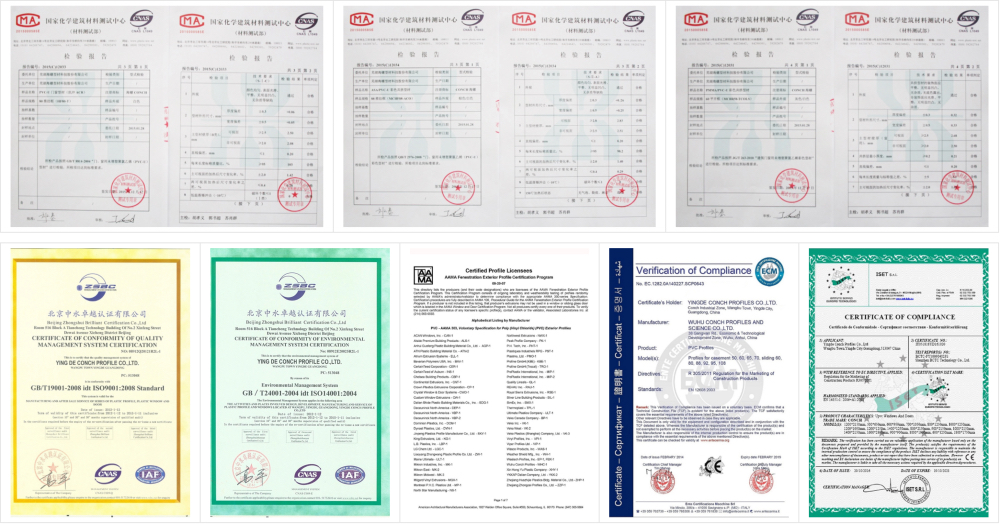
As a leading manufacturer of high-performance aluminium systems, Hunan Haolv Building Materials Co., Ltd. brings over eighteen years of specialized expertise to the design and production of aluminum glass rooms. Our systems use premium 6063-T5 aluminium alloy with thermal break technology, multi-chamber profiles, and comprehensive glazing options including double or triple glazing, Low-E coatings, and laminated glass. We offer complete design and engineering support for custom projects, including lean-to, gable, and curved roof configurations. Every component undergoes rigorous ISO-certified quality management. For detailed quotations, design consultation, or to discuss your specific project requirements, please contact us today at kristin@haolvwindows.com.

USER EVALUATE
Here is the customer's evaluation of us