




Benefits of Energy Star Casement Windows for Winter Savings
Picture this: a freezing winter night where you bundle up in layers inside your own home, watching your energy bills climb higher each month as cold drafts seep through your windows. Your heating system works overtime, yet certain rooms remain uncomfortably cold. This scenario is all too familiar for homeowners with inefficient windows. The solution lies in energy star casement windows that transform your home's thermal performance while delivering substantial winter savings. These advanced window systems combine innovative design with proven technology to create a barrier that keeps warmth inside where it belongs, reducing your heating costs by up to 20% annually while enhancing comfort throughout the coldest months.
Understanding How Energy Star Casement Windows Reduce Winter Heating Costs
The financial impact of installing energy star casement windows becomes immediately apparent during the first winter season after installation. These high-performance windows work as thermal barriers that prevent heat loss through several sophisticated mechanisms. The multi-chamber profile design creates multiple air pockets within the window frame, each acting as an insulating layer that dramatically slows heat transfer from your warm interior to the frigid outdoor environment. When combined with advanced glazing technologies and precision sealing systems, energy star casement windows can reduce heat loss by 30-50% compared to traditional single-pane windows, translating directly into lower heating bills throughout winter. The U-factor measurement serves as the primary indicator of a window's insulating effectiveness, with lower numbers representing better performance. Premium energy star casement windows typically achieve U-factors between 0.20 and 0.30, significantly outperforming standard windows that often measure 0.50 or higher. This superior thermal resistance means your heating system operates less frequently to maintain comfortable temperatures, reducing wear on equipment while cutting energy consumption. Homeowners in northern climates report annual heating cost reductions ranging from $150 to $500 when replacing outdated windows with modern energy star casement windows, with payback periods typically occurring within five to eight years depending on local energy rates and climate severity.
Advanced Multi-Chamber Profile Technology
The engineering brilliance behind energy star casement windows lies in their sophisticated multi-chamber profile construction. Unlike older window designs with hollow frames, modern UPVC casement windows incorporate multiple sealed chambers running the length of each frame member. These chambers trap stationary air, which serves as an excellent natural insulator due to its low thermal conductivity. The 60 Series and 70 Series configurations available from Haolv Building Materials feature between three and seven chambers depending on the profile thickness, with each additional chamber incrementing the window's overall insulating capacity. The reinforced steel core embedded within the profiles adds structural integrity without compromising thermal performance, as strategic placement ensures the metal components do not create thermal bridges that would allow heat to bypass the insulating chambers. This combination of materials creates energy star casement windows that remain dimensionally stable across temperature extremes while maintaining consistent energy efficiency year after year. The precision-welded corners eliminate gaps where air infiltration might occur, ensuring the multi-chamber system functions as designed throughout the window's lifespan.
Superior Glazing Systems for Maximum Heat Retention
The glass component represents approximately 70-80% of a window's total surface area, making glazing selection critical for achieving optimal winter energy savings with energy star casement windows. Standard double glazing configurations utilize two panes separated by an insulating airspace, typically 16-20mm wide, which is filled with argon gas rather than ordinary air. Argon's molecular structure makes it approximately 40% more effective as an insulator compared to air, significantly enhancing the window's thermal resistance. The 5+18A+5 double glazing specification commonly used in energy star casement windows refers to two 5mm glass panes separated by an 18mm argon-filled space, creating an effective barrier against winter heat loss. Low-emissivity coatings applied to glass surfaces provide additional winter benefits by reflecting long-wave infrared radiation back into your home while allowing visible light to pass through unimpeded. These microscopically thin metallic coatings are virtually invisible but dramatically improve thermal performance, with Low-E glass reducing heat loss through the glazing by up to 30% compared to uncoated glass. For homeowners in severe winter climates, triple glazing offers even greater protection, with three glass panes creating two insulating airspaces that achieve U-factors as low as 0.18, approaching the insulating value of an insulated wall section.
The Operational Advantages of Casement Design During Winter Months
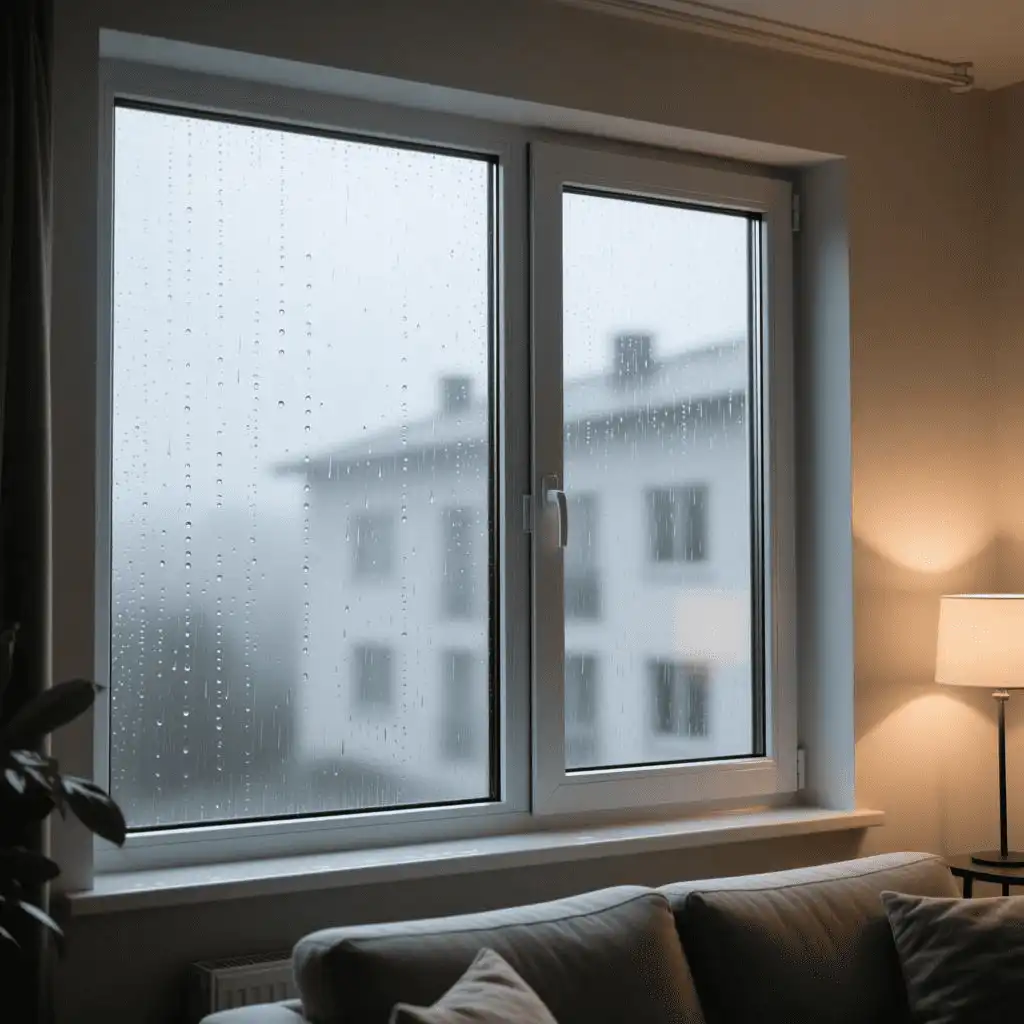
The casement window configuration provides inherent advantages for winter performance that sliding or double-hung designs cannot match. When closed, energy star casement windows press tightly against their weatherstripping using the window's own weight and the pressure created by the locking mechanism. This compression creates an exceptionally tight seal that prevents air infiltration even during high-wind conditions common in winter storms. The absence of sliding tracks or overlapping sashes eliminates pathways where cold air might penetrate, making properly installed energy star casement windows among the most airtight window options available for residential applications.
Enhanced Weather Sealing Against Winter Elements
The perimeter weatherstripping system employed in quality energy star casement windows typically consists of multiple gaskets made from EPDM rubber or similar materials designed to maintain flexibility and sealing effectiveness across a wide temperature range. Unlike simpler weatherstripping that compresses into a single line of contact, advanced casement window systems use co-extruded gaskets with complex cross-sections that create multiple sealing surfaces. When the window closes, these gaskets compress progressively, with outer seals first blocking wind-driven rain and snow, while inner seals prevent air infiltration. This redundant sealing approach ensures that even if one seal becomes partially compromised, the remaining seals maintain the window's weather-resistant integrity throughout the winter season. The drainage system integrated into energy star casement windows handles condensation and any moisture that might penetrate the outer seals, channeling it back to the exterior through weep holes positioned at the frame's lowest points. This prevents water accumulation that could freeze during winter cold snaps, potentially damaging the window's operation or sealing effectiveness. The sloped sill design naturally directs moisture away from the interior, while the chamber system ensures any condensation that forms remains isolated from the primary insulating chambers, preserving the window's thermal performance even in extreme conditions.
Durability and Performance in Harsh Winter Conditions
Winter weather subjects windows to significant stress through freeze-thaw cycles, ice accumulation, and temperature differentials that can exceed 40°C between interior and exterior surfaces. Energy star casement windows constructed from UPVC materials demonstrate exceptional durability under these challenging conditions because the polymer composition remains stable and flexible across temperature extremes. Unlike aluminum frames that conduct cold rapidly or wood frames that can warp with moisture changes, UPVC maintains consistent dimensions and performance regardless of weather conditions, ensuring reliable operation and energy efficiency throughout multiple winter seasons. The hardware components selected for premium energy star casement windows undergo rigorous testing to verify functionality at temperatures well below freezing. Multi-point locking systems distribute clamping force evenly around the sash perimeter, maintaining seal compression even as materials experience thermal contraction during severe cold. Stainless steel or specially coated hardware resists corrosion from condensation or exposure to road salt and other winter de-icing chemicals, ensuring smooth operation year after year. The combination of weather-resistant UPVC, precision-engineered seals, and durable hardware creates windows that require minimal maintenance while delivering consistent energy savings winter after winter.
Long-Term Financial Benefits and Return on Investment
Evaluating the complete financial picture of energy star casement windows requires looking beyond immediate installation costs to consider the cumulative savings and value enhancement they provide over their expected 25-30 year lifespan. The annual heating cost reductions documented by government agencies and independent research organizations demonstrate that these windows typically pay for themselves within six to ten years through energy savings alone, with every subsequent year representing pure financial gain. When additional benefits such as reduced HVAC system wear, enhanced comfort, and increased property value are factored into the calculation, the return on investment becomes even more compelling for homeowners planning long-term residence in their properties.
Reduced Maintenance and Replacement Costs
The cost-effective nature of energy star casement windows extends beyond energy savings to include dramatically reduced maintenance expenses compared to traditional wood windows that require regular painting, sealing, and eventual replacement of deteriorated components. UPVC material resists moisture absorption, eliminating the rot, swelling, and warping issues that plague wood-framed windows in regions with significant winter precipitation. The corrosion-proof properties mean hardware and fasteners remain functional and attractive decades after installation, while the UV-resistant formulation prevents the fading and brittleness that can affect lesser-quality plastics exposed to sunlight year-round. Quality energy star casement windows from manufacturers with proven track records like Haolv Building Materials require only periodic cleaning and occasional lubrication of moving parts to maintain optimal performance throughout their service life. This minimal maintenance requirement translates into significant savings over decades compared to wood windows needing professional refinishing every five to eight years, or aluminum windows requiring replacement of failed seals and degraded weatherstripping. The initial investment in premium energy star casement windows proves more economical than repeatedly repairing or replacing inferior products that cannot withstand long-term exposure to winter weather conditions.
Enhanced Home Value and Market Appeal
Real estate market data consistently demonstrates that homes equipped with energy star casement windows command premium selling prices and attract buyers more quickly compared to properties with outdated window systems. Prospective homebuyers recognize the immediate and long-term financial benefits of energy-efficient windows, viewing them as valuable features that reduce ownership costs while enhancing comfort and aesthetics. Professional appraisers consider window quality and energy efficiency when determining property values, with energy star rated windows contributing measurably to higher appraised values that can impact refinancing potential and equity accumulation throughout the ownership period. The window replacement return on investment averages 69-75% according to remodeling industry studies, meaning homeowners typically recover a substantial portion of their installation costs when selling their property. This recovery rate exceeds many other popular renovation projects, making energy star casement windows among the most financially sound home improvement investments available. The combination of immediate energy savings, reduced maintenance costs, enhanced comfort, and increased property value creates a compelling financial case for upgrading to modern, high-performance windows rather than attempting to extend the life of aging, inefficient units that compromise both comfort and economy.
Choosing the Right Energy Star Casement Windows for Your Climate

Selecting optimal energy star casement windows requires understanding your specific climate zone and matching window performance characteristics to local winter conditions. The Energy Star program defines different performance criteria based on geographic regions, with northern zones requiring lower U-factors to address severe winter heating demands, while southern regions prioritize solar heat gain coefficient ratings to manage cooling costs. Homeowners in northern climates should specifically seek energy star casement windows rated for their zone, ensuring the products they install deliver maximum winter energy savings appropriate for local temperature extremes and heating season duration.
Customization Options for Optimal Performance
The versatility of modern energy star casement windows allows homeowners to specify configurations tailored to their home's architectural style, exposure conditions, and performance priorities. Frame profiles are available in multiple thicknesses, with the 70 Series providing superior insulating values compared to the 60 Series, making it the preferred choice for particularly cold climates or homes with high heating costs. Glass packages can be customized with various Low-E coatings optimized for different priorities—northern climate coatings maximize solar heat gain during winter while maintaining excellent insulation, while triple glazing provides the ultimate thermal protection for homes in extreme cold regions or those pursuing net-zero energy performance. Aesthetic customization enables energy star casement windows to complement any architectural style without compromising performance. The UPVC extrusion process allows for various finishes including classic white, sophisticated dark colors, and realistic wood grain textures that replicate the appearance of traditional painted or natural wood windows. Interior and exterior surfaces can feature different finishes, allowing homeowners to achieve desired exterior aesthetics while maintaining preferred interior color schemes. Optional decorative grilles between glass panes provide traditional divided-light appearance without creating additional cleaning requirements or thermal bridges that would reduce energy efficiency, ensuring energy star casement windows enhance both beauty and performance simultaneously.
Conclusion
Energy star casement windows deliver measurable winter energy savings through advanced thermal technology, superior sealing, and durable construction. These high-performance windows reduce heating costs substantially while enhancing home comfort, requiring minimal maintenance, and increasing property value over their extended lifespan.
Cooperate With Hunan Haolv Building Materials Co., Ltd.
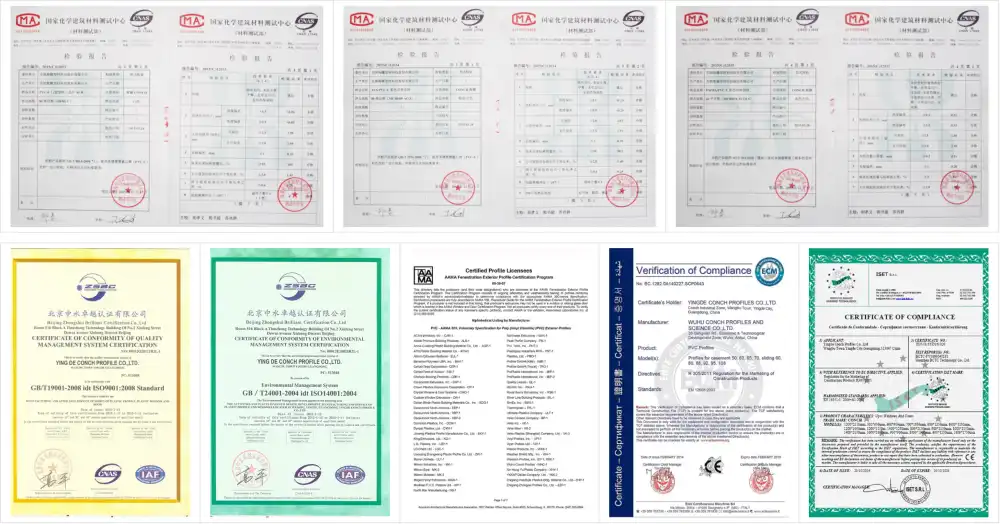
Partner with a trusted China energy star casement windows manufacturer with 18 years of manufacturing excellence. As a leading China energy star casement windows supplier and China energy star casement windows factory, Haolv Building Materials delivers wholesale energy star casement windows with advanced extrusion lines, precision cutting, and automated assembly systems ensuring stable quality. Request your energy star casement windows quotation today for Bulk energy star casement windows orders. Check our competitive energy star casement windows price and energy star casement windows Pricelist. We offer extensive Customized energy star casement windows solutions tailored to your project requirements, backed by ISO-certified quality management, 24-hour customer support, and efficient global logistics serving 30+ countries. Our comprehensive services include customized design, one-stop product support, free technical consultation, free sample shipping, and full project follow-up from order to installation. Contact us at kristin@haolvwindows.com to discuss your window needs and discover how our expertise transforms your building project with superior UPVC solutions.
References
1. U.S. Environmental Protection Agency. "ENERGY STAR Certified Windows, Doors, and Skylights." ENERGY STAR Program Requirements and Testing Procedures.
2. National Fenestration Rating Council. "Window Energy Performance Testing and Certification Standards." NFRC Technical Guidelines and Rating Methodology.
3. Carmody, John, Stephen Selkowitz, Dariush Arasteh, and Lisa Heschong. "Residential Windows: A Guide to New Technologies and Energy Performance." Third Edition. Norton Professional Books.
4. U.S. Department of Energy. "Energy Efficient Windows and Window Technologies." Office of Energy Efficiency and Renewable Energy Building Technologies Program.
5. Remodeling Magazine. "Cost vs. Value Report: Window Replacement Return on Investment Analysis." Annual Home Improvement Project Analysis.

USER EVALUATE
Here is the customer's evaluation of us