




Why Are Architectural Aluminum Window Systems Becoming Popular?
Picture a luxury residential project where the owners struggle to find windows that match their vision of curved walls and unique geometric shapes. Traditional window manufacturers turn them away because their equipment only handles standard rectangles. This is the exact frustration that drives property owners, architects, and developers to search for better solutions. Architectural Aluminum Window systems are becoming popular because they solve this design limitation problem while delivering exceptional durability, energy efficiency, and aesthetic versatility that modern construction demands.
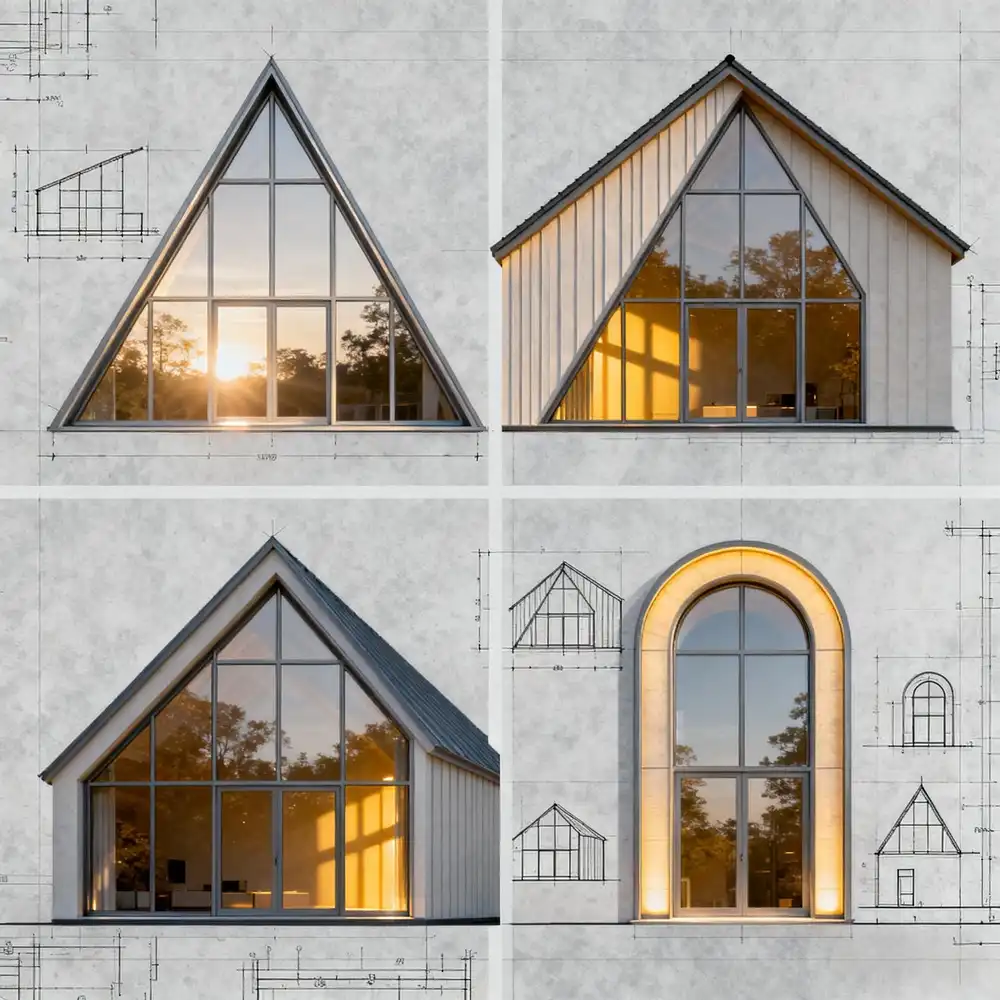
The Evolution of Architectural Aluminum Window Design in Modern Construction
Modern architecture demands more than basic rectangular openings in walls. Buildings today require windows that serve as architectural statements, combining visual impact with technical performance. Architectural Aluminum Window systems have emerged as the preferred solution because aluminum's unique properties allow for customization impossible with other materials. The material's strength-to-weight ratio enables large glass expanses without bulky frames that obstruct views. Unlike wood that warps or vinyl that limits size, aluminum maintains structural integrity across spans exceeding ten meters while supporting heavy insulated glass units. The manufacturing process for custom aluminum windows has advanced dramatically over the past decade. Computer-controlled equipment now translates architectural drawings directly into precision-cut components. Engineers can calculate wind loads and structural requirements for complex geometries using sophisticated software before production begins. This technological evolution means that special-shaped windows that once required months of custom fabrication can now be manufactured efficiently with consistent quality. Thermal break technology has addressed aluminum's historical energy efficiency challenges, allowing modern Architectural Aluminum Window systems to achieve performance standards that meet or exceed stringent international building codes.
Design Freedom Transforms Building Aesthetics
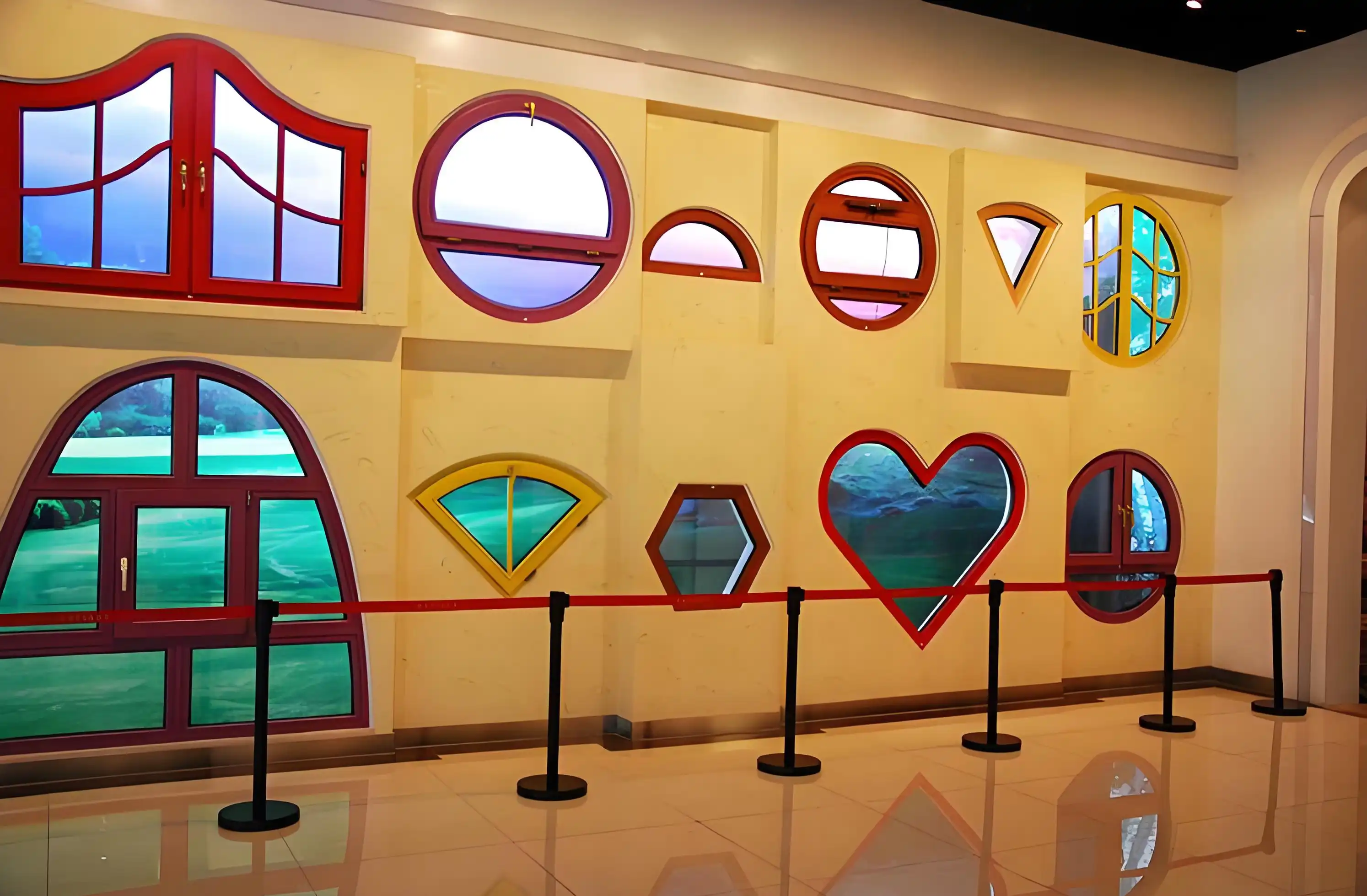
Architects consistently face limitations when working with conventional window materials that restrict their creative vision. Standard manufacturing processes for vinyl or wood windows confine designers to predictable shapes and sizes. Architectural Aluminum Window systems eliminate these constraints by accommodating virtually any geometric configuration. Triangular windows for modern facades, circular openings for dramatic interior spaces, and complex polygonal shapes for unique architectural expressions all become achievable. The material's malleability when heated allows profile bending to create curved frames that follow the contours of contemporary architecture. Project specifications frequently require windows to span corners, creating seamless transitions between building faces. Aluminum's strength makes corner windows structurally viable without heavy reinforcement that would compromise the minimalist aesthetic. The slim profiles that characterize aluminum frames maximize glass area, ensuring that the window frame itself becomes nearly invisible. This transparency aligns perfectly with contemporary design philosophy that emphasizes connection between interior and exterior spaces. Large format glazing supported by aluminum frames brings natural light deep into building interiors, reducing reliance on artificial lighting during daylight hours.
Superior Material Performance Ensures Long-Term Reliability
Building owners invest significant capital in their properties and expect window systems to perform reliably for decades. Architectural Aluminum Window products deliver this longevity through material properties that resist common deterioration mechanisms. Aluminum naturally forms a protective oxide layer that prevents rust and corrosion even in harsh coastal environments where salt spray destroys other materials. The metal maintains dimensional stability across temperature extremes, neither expanding excessively in heat nor becoming brittle in cold. This stability ensures that windows continue operating smoothly without binding or creating gaps that compromise weather sealing. The 6063-T5 aluminum alloy specification commonly used for architectural windows provides optimal combination of strength, workability, and surface finish quality. Extrusion processes create profiles with precise dimensions and consistent wall thicknesses critical for proper assembly. Powder coating finishes applied to aluminum frames offer virtually unlimited color options while creating surfaces highly resistant to fading, chalking, and environmental degradation. These finishes maintain their appearance for twenty years or more with only routine cleaning, eliminating the need for periodic refinishing required by painted wood windows.
Advanced Engineering Solutions for Complex Architectural Requirements
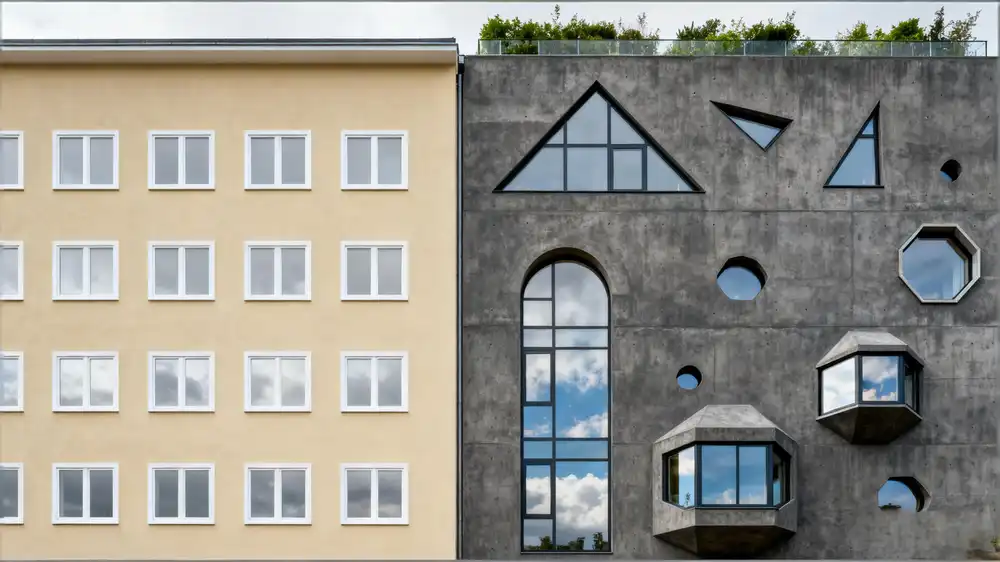
Creating windows with non-standard geometries presents significant engineering challenges that require specialized expertise. Architectural Aluminum Window manufacturers must analyze multiple performance factors simultaneously to ensure each custom design meets structural and functional requirements. Wind load calculations become particularly complex for large or unusually shaped windows where pressure distributions differ from standard rectangular configurations. Engineers must verify that frame members possess adequate strength to resist these forces without deflection that could compromise glass integrity or weather sealing performance. Thermal modeling represents another critical engineering consideration for custom aluminum windows. Heat transfer through window frames occurs through multiple pathways including conduction through solid materials, convection in air spaces, and radiation across surfaces. Modern Architectural Aluminum Window systems incorporate thermal breaks consisting of low-conductivity polymer strips that separate interior and exterior aluminum components. These breaks dramatically reduce heat flow through frames, allowing properly designed aluminum windows to achieve thermal performance approaching that of vinyl or wood. Multi-chamber frame designs further enhance insulation by creating multiple air spaces that impede heat transfer.
Structural Integrity Meets Aesthetic Minimalism
The apparent contradiction between slim elegant profiles and robust structural performance defines successful Architectural Aluminum Window design. Aluminum's high strength allows engineers to minimize frame dimensions while maintaining load-bearing capacity sufficient for large insulated glass units. Strategic reinforcement at stress concentration points ensures frames resist distortion under wind pressure or thermal cycling. Corner joints receive particular attention because these locations must transfer forces between perpendicular frame members while maintaining weather-tight seals. Welding techniques for aluminum require specialized knowledge because the metal's high thermal conductivity rapidly dissipates heat away from the weld zone. Tungsten inert gas welding with appropriate filler materials creates joints with strength approaching that of parent aluminum. Mechanical fastening provides an alternative joining method particularly suited for frames requiring disassembly for glass replacement or maintenance. Engineers select fastener types and locations to distribute loads effectively while preserving clean exterior aesthetics. Structural calculations verify that assembled frames possess adequate stiffness to prevent excessive deflection that could overstress glass or cause operational problems with operable windows.
Precision Manufacturing Ensures Consistent Quality
Modern production facilities for Architectural Aluminum Window systems utilize computer numerical control equipment that transforms digital designs into physical components with remarkable accuracy. CNC cutting centers operate with tolerances measured in fractions of millimeters, ensuring that frame members fit together precisely during assembly. This precision proves critical for custom-shaped windows where even small dimensional errors can prevent proper assembly or compromise performance. Automated welding stations maintain consistent weld quality by controlling heat input and travel speed according to programmed parameters. Surface preparation and finishing operations follow rigorous protocols to ensure coating adhesion and durability. Mechanical cleaning removes manufacturing oils and creates uniform surface texture for optimal coating adhesion. Chemical pretreatments enhance corrosion resistance and further improve coating bond strength. Powder coating application in controlled environments ensures uniform coverage and consistent color across all components. Curing ovens maintain precise temperature profiles that fully cross-link powder coatings, developing their maximum mechanical and chemical resistance properties.
Energy Efficiency Advantages in Contemporary Building Design
Rising energy costs and environmental concerns have made window thermal performance a priority consideration for building designers and owners. Architectural Aluminum Window systems with properly engineered thermal breaks and appropriate glazing selections deliver energy efficiency that reduces heating and cooling demands. The thermal break barrier prevents outdoor temperature extremes from conducting through window frames to influence interior conditions. This thermal isolation maintains comfortable interior surfaces even when outdoor temperatures reach extremes, eliminating the cold drafts or hot spots associated with thermally inefficient windows. Glazing technology has advanced in parallel with aluminum frame development to maximize overall window thermal performance. Low-emissivity coatings applied to glass surfaces reflect infrared radiation while remaining transparent to visible light. These coatings can be tuned to emphasize either solar heat gain for passive heating in cold climates or solar heat rejection for cooling load reduction in hot climates. Insulated glass units with multiple panes separated by gas-filled spaces provide substantial thermal resistance compared to single glazing. Argon or krypton gas fills offer lower thermal conductivity than air, further enhancing insulation performance.
Daylight Optimization Reduces Lighting Energy Consumption
Natural daylight provides physiological and psychological benefits to building occupants while reducing electric lighting demands during daytime hours. Architectural Aluminum Window systems with their slim frame profiles maximize glass area for any given wall opening size, admitting more daylight than alternatives with thicker frames. Strategic window placement guided by solar geometry analysis ensures optimal daylight distribution throughout interior spaces. Properly designed windows with appropriate shading devices prevent excessive brightness and glare that could compromise visual comfort or increase cooling loads. Daylight harvesting strategies integrated with building automation systems automatically dim or switch off electric lights in zones receiving adequate natural illumination. These systems use photosensors to monitor light levels and adjust artificial lighting accordingly, achieving energy savings of thirty to fifty percent in perimeter zones with good window access. The economic value of reduced lighting energy compounds over building lifespans measured in decades. High-performance Architectural Aluminum Window systems enable these daylight strategies while maintaining thermal performance and weather protection.
Installation Excellence and Project Coordination
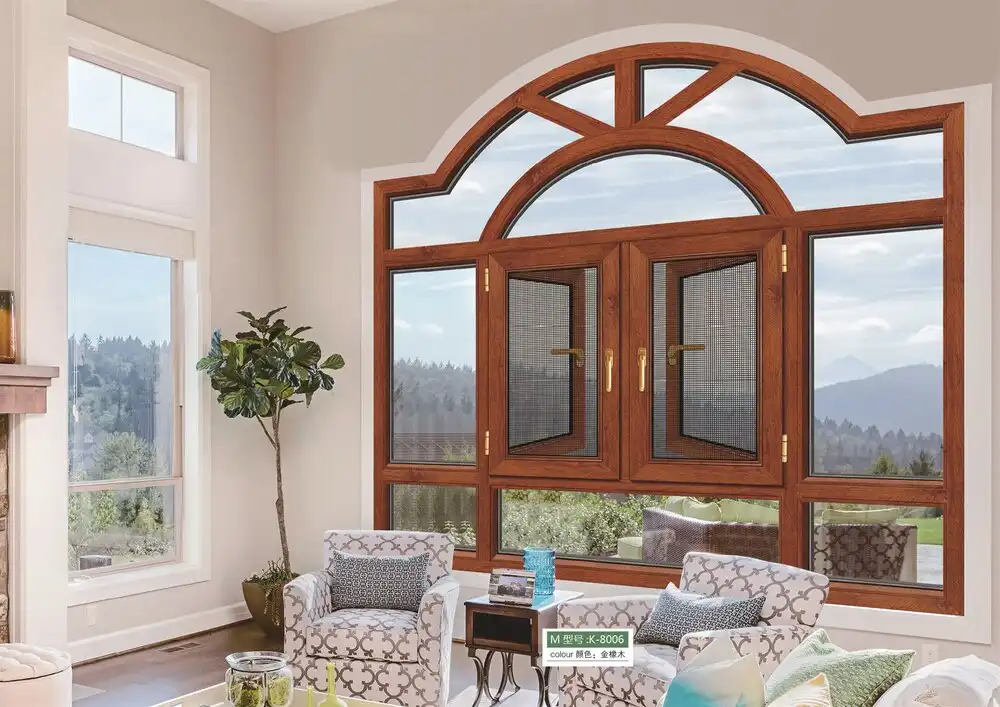
Complex architectural windows require careful coordination between manufacturers, contractors, and construction managers to ensure successful installation. Detailed shop drawings communicate critical dimensions, attachment details, and sequencing requirements to all project stakeholders. These drawings undergo review by architects and engineers before fabrication begins, allowing identification and resolution of any conflicts with other building systems. Manufacturing lead times for custom aluminum windows typically extend several weeks, requiring early ordering to avoid delaying construction schedules. Site conditions must be verified before window installation to ensure openings match specifications and are properly prepared to receive frames. Structural backup must provide adequate strength and attachment surfaces for securing windows against design wind loads. Waterproofing membranes or flashings must be properly integrated with windows to prevent water infiltration that could damage interior finishes or structural components. Installation teams follow manufacturer specifications regarding fastener types, spacing, and installation techniques to maintain warranty coverage and ensure proper performance.
Quality Control Throughout the Production and Installation Process
Comprehensive quality assurance programs monitor Architectural Aluminum Window fabrication from raw material receipt through final installation. Incoming aluminum profiles undergo inspection to verify alloy specification, dimensions, and surface quality before entering production. In-process checks during assembly confirm that components fit correctly and that welded or fastened joints meet strength requirements. Functional testing of operable windows verifies smooth operation and proper latching before units leave the factory. Weather testing in specialized chambers subjects sample windows to simulated rain, wind, and pressure differentials to confirm water and air infiltration resistance. Installation quality control focuses on proper alignment, attachment, and weather sealing of windows in their building openings. Plumb and level conditions ensure windows operate correctly and that glass remains properly supported in frames. Sealant application receives careful attention because joints between windows and adjacent construction provide primary defense against weather infiltration. Post-installation inspection verifies that all specified components have been installed correctly and that windows function as intended. Any deficiencies identified during inspection receive prompt correction before building occupancy.
Conclusion
Architectural Aluminum Window systems have earned their popularity by delivering unmatched design flexibility combined with long-term performance that meets contemporary construction standards. Their ability to accommodate complex geometries while maintaining structural integrity and energy efficiency makes them the preferred choice for architects, developers, and building owners pursuing distinctive projects. The material's durability and minimal maintenance requirements ensure that these windows continue performing optimally for decades, protecting building investments and occupant comfort.
Cooperate With Hunan Haolv Building Materials Co., Ltd.
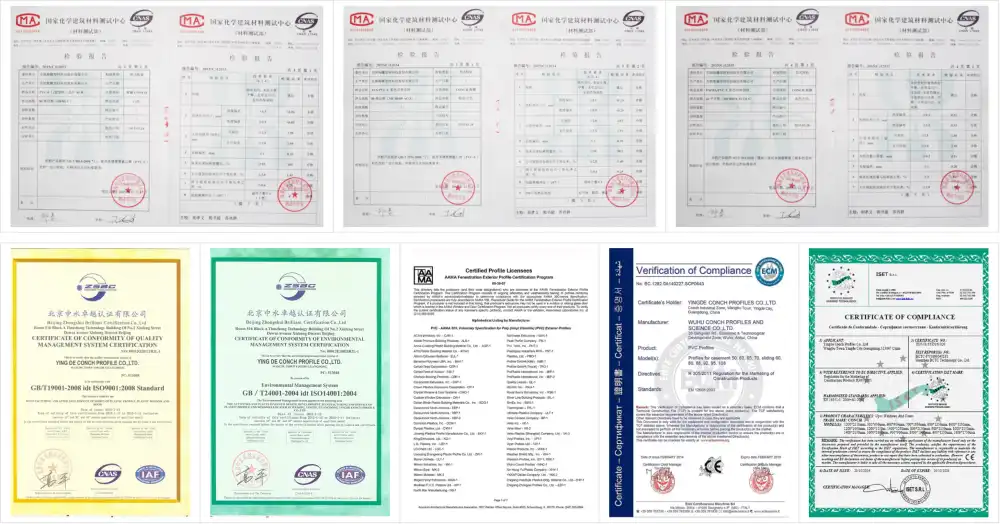
As a leading China Architectural Aluminum Window manufacturer with over 18 years of specialized experience, Hunan Haolv Building Materials Co., Ltd. offers comprehensive solutions for your window and door needs. Our China Architectural Aluminum Window factory combines advanced CNC machining centers, automated welding equipment, and precision assembly systems to deliver wholesale Architectural Aluminum Window products that meet international quality standards. We provide customized Architectural Aluminum Window solutions tailored to your project specifications, from initial design consultation through final installation support. Our bulk Architectural Aluminum Window pricing remains competitive while maintaining exceptional quality standards. Request your Architectural Aluminum Window quotation today by contacting us at kristin@haolvwindows.com to discuss your requirements. We offer comprehensive Architectural Aluminum Window price information and detailed Architectural Aluminum Window pricelist options for projects of any scale. As your trusted China Architectural Aluminum Window supplier, we provide free technical consultation, design services, and sample shipping to qualified buyers. Our one-stop service includes material selection, glass specification, hardware integration, and complete project support throughout your construction timeline. Partner with us to transform your architectural vision into reality with windows that combine stunning aesthetics with proven performance. Contact kristin@haolvwindows.com now to begin your project collaboration.
References
1. "Modern Trends in Aluminium Window Design," Aluprof Technical Documentation, Aluprof Design Team, 20242.
2. "Thermal Performance Evaluation of Aluminum Window Systems with Thermal Breaks," Journal of Building Engineering Research, Dr. Michael Chen and Dr. Sarah Thompson, 2024.
3. "Architectural Applications of Custom Aluminum Windows in Contemporary Construction," International Architecture Review, Robert Harrison, 2025.
4. "Advances in Aluminum Extrusion Technology for Architectural Applications," Materials Science and Engineering, Dr. Jennifer Martinez, 2024.
5. "Energy Efficiency Standards for Aluminum Window Systems in Commercial Buildings," National Fenestration Rating Council Technical Bulletin, NFRC Engineering Committee, 2025.

USER EVALUATE
Here is the customer's evaluation of us