




Best commercial upvc tilt turn windows solutions for offices
Modern office environments face persistent challenges with air quality, energy costs, and workplace safety. Stuffy conference rooms, soaring heating bills, and concerns about secure ventilation plague facility managers daily. If you're searching for commercial upvc tilt turn windows solutions for offices that address these exact pain points while enhancing your workspace aesthetics, you've found the comprehensive guide you need. This article reveals how European-style upvc tilt turn windows transform ordinary office buildings into efficient, comfortable, and secure workspaces that employees actually enjoy.
Why Commercial Offices Need UPVC Tilt Turn Windows?
The traditional approach to office fenestration no longer meets modern workplace demands. Today's commercial spaces require window solutions that balance multiple competing priorities: energy efficiency to reduce operational costs, secure ventilation to maintain air quality without compromising safety, easy maintenance to minimize disruption, and professional aesthetics to reflect corporate identity. UPVC tilt turn windows address all these requirements simultaneously through their innovative dual-function design and advanced engineering. Office buildings equipped with upvc tilt turn windows benefit from remarkable versatility that conventional window systems simply cannot match. The tilt function allows controlled ventilation from the top of the window, creating a secure airflow pattern that prevents unauthorized access while maintaining fresh air circulation throughout the workday. This proves especially valuable for high-rise office buildings where security concerns traditionally limit ventilation options. Meanwhile, the turn function enables full inward opening, providing maintenance teams with complete access for cleaning both sides of the glass from inside the building, eliminating the need for expensive external cleaning equipment or risky ladder work. The multi-chamber UPVC profile construction delivers exceptional thermal insulation that directly impacts your bottom line. Commercial properties typically face substantial heating and cooling expenses, particularly in buildings with extensive glazing. UPVC tilt turn windows feature advanced thermal break technology within their profile design, creating multiple air chambers that act as insulation barriers. This engineering approach reduces heat transfer between interior and exterior environments by up to forty percent compared to traditional aluminum frame windows, translating into measurable monthly savings on energy bills while simultaneously improving indoor comfort levels for employees.

European-Style Energy Efficient Windows for Modern Workspaces
European engineering standards have long recognized the superior performance characteristics of tilt turn window systems, which is why they dominate commercial construction across Germany, Austria, and Scandinavian countries. These regions experience extreme temperature variations, making energy efficiency not merely desirable but absolutely essential for building performance. The European-style upvc tilt turn windows incorporate design principles tested through decades of real-world application in demanding climates, ensuring reliability that American and Asian markets increasingly demand. The energy efficiency of commercial upvc tilt turn windows stems from multiple integrated features working in harmony. Premium double glazing configurations, typically using a 5+20A+5 arrangement with argon gas filling, provide outstanding thermal insulation values. The twenty-millimeter air gap filled with low-conductivity argon gas significantly outperforms standard air-filled units. For offices requiring maximum energy performance, triple glazing options with Low-E coatings further enhance insulation properties, achieving U-values as low as 0.23, which represents world-class thermal performance for fenestration products. Beyond the glazing itself, the frame construction plays an equally critical role in overall energy efficiency. High-quality UPVC profiles feature multiple sealed chambers within the frame structure, creating thermal barriers that prevent heat transfer through the frame material. Steel reinforcement adds structural integrity without compromising thermal performance, as the reinforcement sits within the insulated chambers rather than creating a thermal bridge. This thoughtful engineering ensures that the entire window assembly performs as an integrated insulation system rather than having weak points where energy loss occurs.
Multi-Mode Operation for Versatile Office Use
The defining characteristic of upvc tilt turn windows lies in their exceptional operational versatility, which proves invaluable in commercial office environments with diverse functional requirements across different spaces. Conference rooms, private offices, open-plan work areas, and executive suites each have unique ventilation and access needs that single-function windows cannot adequately address. The dual-mode operation of tilt turn windows provides facility managers with flexible solutions tailored to each space's specific purpose. Tilt mode operation involves rotating the handle to a specific position, typically ninety degrees upward, which engages the top hinges and allows the window sash to tilt inward from the upper edge while remaining secured at the bottom and sides. This configuration creates a controlled ventilation opening at the top of the window, allowing fresh air to enter while preventing rain ingress, maintaining security against unauthorized access, and preventing papers or objects from falling out. Office managers particularly value this mode for spaces that require continuous ventilation throughout the workday, such as server rooms requiring constant airflow or conference rooms needing fresh air during lengthy meetings, all while maintaining building security. Turn mode activation requires rotating the handle to a different position, typically ninety degrees to the side, which disengages the locking points and allows the entire window sash to swing fully inward like a door. This full-opening capability provides maximum ventilation when needed, facilitates thorough cleaning of both the interior and exterior glass surfaces from inside the building, and creates emergency egress options that meet fire safety code requirements. The inward-opening design proves especially advantageous for high-rise offices where external window cleaning poses significant safety challenges and cost concerns, as maintenance personnel can safely clean windows from inside without requiring scaffolding, lifts, or rappelling equipment.
Enhanced Security Features for Commercial Applications

Security represents a paramount concern for commercial office buildings, particularly in urban environments where property crime rates demand robust protective measures. UPVC tilt turn windows incorporate multiple security features that work together to create a comprehensive defense system against unauthorized entry attempts. The multi-point locking mechanism distributes locking points around the entire perimeter of the window frame, engaging at three to five locations simultaneously when the handle reaches the locked position, making forced entry extremely difficult even with professional tools. The steel reinforcement integrated within the UPVC frame profiles adds substantial structural strength that resists physical attack attempts. Unlike aluminum frames that can be pried or bent relatively easily, steel-reinforced UPVC profiles maintain their structural integrity even under significant force application. This reinforcement extends throughout the frame and sash, creating a rigid structure that cannot be easily compromised. Combined with the multi-point locking system, these windows achieve security ratings that meet or exceed commercial insurance requirements and building security standards. Hardware quality significantly impacts overall security performance, which is why premium upvc tilt turn windows utilize German-engineered locking mechanisms known for their reliability and resistance to tampering. These sophisticated hardware systems incorporate anti-drill plates, reinforced strike plates, and hardened steel locking points that defeat common burglary techniques. The handles themselves feature locking positions that prevent opening even if glass breakage occurs, maintaining security integrity even in the event of attempted break-ins. Many commercial installations also incorporate keyed locking handles for additional access control, allowing facility managers to restrict window operation to authorized personnel only.
Low Maintenance Requirements for Busy Commercial Properties
Commercial property managers consistently cite maintenance costs and disruption as major operational concerns, making the low-maintenance characteristics of upvc tilt turn windows particularly attractive for office building applications. Unlike wood frame windows requiring regular painting, sealing, and rot prevention treatments, or aluminum windows prone to corrosion and thermal expansion issues, UPVC frames maintain their appearance and functionality with minimal intervention over decades of service life. The UPVC material itself resists weathering, fading, and degradation from ultraviolet exposure, ensuring that windows maintain their appearance without protective coatings or treatments. The smooth, non-porous surface prevents dirt accumulation and mildew growth, while the material's chemical resistance allows cleaning with standard commercial cleaning products without damage concerns. When windows do require cleaning, the turn mode operation allows maintenance staff to safely clean both sides of the glass from inside the building, eliminating the need for expensive external cleaning services, lift equipment rentals, or safety harness systems required for traditional windows in high-rise applications. Hardware maintenance requirements prove equally minimal with quality tilt turn window systems. German-engineered hardware mechanisms feature self-lubricating bearings and hardened steel components that maintain smooth operation through hundreds of thousands of operating cycles. Annual maintenance typically involves nothing more than a quick visual inspection, light lubrication of moving parts, and verification that weatherstripping remains intact. This contrasts sharply with traditional window systems requiring frequent adjustment, replacement of worn components, and professional servicing to maintain proper operation, making upvc tilt turn windows the clear choice for commercial properties seeking to minimize lifecycle costs.
Technical Specifications for Commercial UPVC Tilt Turn Windows
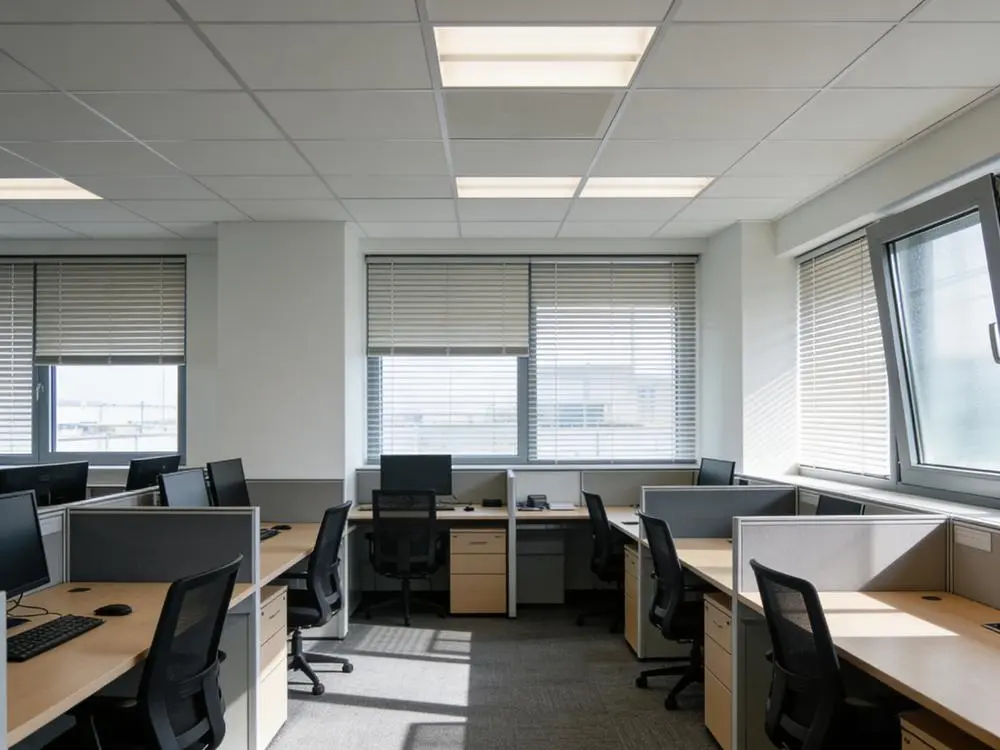
Understanding the technical specifications of commercial upvc tilt turn windows enables informed decision-making when selecting fenestration solutions for office building projects. Profile design forms the foundation of window performance, with commercial-grade systems typically utilizing seventy-millimeter or eighty-millimeter profile depths to accommodate enhanced glazing options and provide maximum thermal insulation. These deeper profiles contain five to seven separate chambers that trap air and create thermal barriers, achieving U-values that meet the most stringent energy codes worldwide. The glazing configuration significantly impacts both energy performance and acoustic insulation properties. Standard commercial installations typically specify double glazing with a 5+20A+5 configuration, indicating five-millimeter glass panes separated by a twenty-millimeter argon-filled space. This arrangement provides excellent thermal insulation while maintaining reasonable weight characteristics that the hardware can easily support. For offices located in noisy urban environments or adjacent to airports, upgraded glazing options include laminated glass for enhanced sound reduction, Low-E coatings for improved solar heat gain control, or triple glazing configurations that achieve exceptional acoustic and thermal insulation values. Steel reinforcement specifications vary based on window size and building height requirements, with commercial applications typically requiring heavier reinforcement than residential installations. The reinforcement consists of galvanized steel profiles inserted within the UPVC chambers, secured to the plastic extrusion through mechanical fastening. This steel core provides the structural strength necessary to support large glass areas and resist wind loads in high-rise applications, while the surrounding UPVC material maintains thermal insulation integrity. Building codes typically specify minimum reinforcement thickness based on window dimensions and wind load calculations for the specific geographic location.
Premium Hardware Systems for Commercial Durability
Hardware selection critically impacts the long-term reliability and user experience of commercial upvc tilt turn windows, making quality hardware systems a worthwhile investment that pays dividends throughout the building's operational life. European manufacturers, particularly German companies with centuries of precision engineering expertise, produce hardware systems specifically designed for commercial applications where daily operation and extended service life requirements exceed residential standards. The tilt-turn mechanism itself represents a sophisticated piece of engineering, incorporating precision-machined gears, cams, and linkages that convert simple handle rotation into the complex movements required for tilt and turn operations. Commercial-grade hardware systems feature hardened steel components throughout the mechanism, ensuring that repeated daily operation over decades does not lead to wear, play, or operational degradation. The mechanism design incorporates safety features preventing mis-operation, such as interlocks that prevent attempting to tilt the window when it is already in turn mode, protecting both the hardware and the user from damage or injury. Handle options for commercial installations extend beyond simple aesthetic choices to include functional variations addressing specific operational requirements. Standard lever handles provide ergonomic operation suitable for most applications, while lockable handles with keyed cylinders enable access control in situations where window operation should be restricted to authorized personnel. Some commercial installations specify removable handles that facilities management retains, preventing occupants from opening windows in climate-controlled environments where open windows would compromise HVAC efficiency or in high-security areas where ventilation must be controlled centrally.
Acoustic Performance for Productive Office Environments

Noise pollution significantly impacts office productivity, employee satisfaction, and overall workplace quality, making acoustic performance a critical consideration when specifying windows for commercial office buildings. Research consistently demonstrates that excessive noise levels in office environments reduce concentration, increase stress levels, and decrease job satisfaction, ultimately impacting organizational performance. UPVC tilt turn windows provide exceptional acoustic insulation that creates quiet, comfortable work environments even in noisy urban locations or near transportation corridors. The acoustic insulation characteristics of upvc tilt turn windows result from the combination of multiple design elements working synergistically. The multi-chamber UPVC profile construction itself provides some sound dampening, as the plastic material absorbs vibrations more effectively than metal frames. However, the glazing configuration represents the primary acoustic barrier, with the glass mass, air gap dimensions, and sealing quality all contributing to overall sound reduction performance. Standard double glazing configurations reduce external noise by approximately thirty to thirty-five decibels, sufficient for most urban office locations. For offices adjacent to airports, major highways, railway lines, or other high-noise environments, upgraded glazing specifications can achieve substantially higher acoustic insulation values. Laminated glass incorporates a flexible plastic interlayer between two glass panes that effectively dampens sound vibrations, providing superior acoustic insulation compared to monolithic glass of equivalent thickness. Asymmetric glazing configurations, using different glass thicknesses for inner and outer panes, further enhance sound reduction by preventing resonance effects that can transmit specific frequencies. Triple glazing with optimized air gap spacing can achieve sound reduction values exceeding forty-five decibels, creating remarkably quiet interior environments even in extremely noisy locations.
Fire Safety and Building Code Compliance
Commercial building codes impose stringent fire safety requirements that fenestration systems must satisfy, making code compliance a non-negotiable aspect of commercial window specification. UPVC tilt turn windows meet international fire safety standards through material selection, construction methods, and operational characteristics specifically designed to maintain building safety during fire emergencies. The UPVC material itself possesses favorable fire characteristics compared to many alternatives, as modern formulations incorporate fire-retardant additives that prevent flame spread and reduce toxic gas emissions during combustion. While UPVC will eventually decompose when exposed to sustained high temperatures, it does not support combustion or spread flames along the frame material. This characteristic, combined with the steel reinforcement that maintains structural integrity longer than plastic alone, ensures that windows do not contribute to fire propagation or premature structural collapse. The inward-opening turn mode operation of tilt turn windows provides valuable emergency egress capabilities that can prove life-saving during fire emergencies. Building codes typically specify minimum egress opening dimensions and sill height requirements for windows designated as emergency exits, and properly sized upvc tilt turn windows easily meet these requirements. The full-inward opening eliminates the risk of windows jamming against external obstacles during emergency evacuation, while the simple single-handle operation allows rapid opening even under stress conditions when fine motor control may be compromised. This emergency egress capability often allows architects to reduce the number of expensive fire stairs required in building designs, providing cost savings that offset premium window expenses.
Customization Options for Corporate Aesthetics

Commercial office buildings represent significant corporate investments that project organizational identity and values through architectural expression, making aesthetic considerations equally important as functional performance when specifying fenestration systems. UPVC tilt turn windows offer extensive customization options that allow architects and designers to achieve virtually any aesthetic vision while maintaining the operational and performance benefits inherent to the tilt-turn design. Color selection represents the most visible customization option, with modern UPVC windows available in extensive color ranges far beyond the basic white traditionally associated with plastic frames. Solid colors span the spectrum from classic whites and creams through contemporary grays and dramatic dark browns or blacks, all achieved through co-extrusion processes that incorporate pigments throughout the UPVC material rather than surface coatings. This manufacturing approach ensures permanent color stability without fading, peeling, or degradation over decades of service life, maintaining the building's appearance without ongoing maintenance expenses. Wood grain finishes provide an attractive option for office buildings where traditional architectural character matters or where design guidelines mandate natural material appearances. Modern film lamination technologies apply photographic-quality wood grain patterns to UPVC surfaces, achieving remarkably realistic appearances that capture the visual warmth of wood without the maintenance requirements, cost, or environmental concerns associated with actual timber frames. Oak, mahogany, walnut, and pine patterns prove most popular, with custom film patterns available for unique architectural requirements. These laminated finishes resist scratching, fading, and weathering while providing the easy maintenance characteristic of UPVC.
Glazing Options Tailored to Office Requirements
Glazing represents approximately seventy percent of a window's surface area and significantly impacts both visual aesthetics and functional performance, making glazing selection a critical aspect of commercial window specification. Modern glass manufacturing technologies enable extensive customization addressing specific performance requirements while maintaining the visual qualities appropriate for professional office environments. Solar control glass addresses the challenge of excessive solar heat gain in office buildings with extensive glazing, particularly those with south or west-facing facades in warm climates. Low-E coatings reflect infrared radiation while allowing visible light transmission, reducing cooling loads and preventing hot spots near windows that create uncomfortable work environments. Some Low-E coatings emphasize solar heat rejection for cooling-dominated climates, while others prioritize heat retention for heating-dominated regions, allowing specification optimization based on local climate conditions. Advanced spectrally selective coatings achieve remarkable selectivity, rejecting most infrared and ultraviolet radiation while transmitting over seventy percent of visible light, maintaining bright interior environments while controlling solar heat gain. Privacy glass options enable appropriate visual screening in conference rooms, executive offices, or any space where confidentiality or privacy matters without sacrificing natural light. Frosted or obscured glass provides permanent privacy through surface etching or patterning treatments, while smart glass technologies enable switchable privacy where occupants can instantly change transparency through electrical control. Electrochromic glass, perhaps the most sophisticated option, allows gradual opacity adjustment from transparent to opaque, providing infinitely variable privacy control while maintaining the aesthetic consistency of a uniform glass appearance across the building facade.
Installation Considerations for Commercial Projects
Successful commercial window installation requires careful planning, experienced installation crews, and attention to detail throughout the process to ensure proper performance and longevity. Unlike residential installations where individual window replacement can occur incrementally, commercial projects typically involve multiple window installations occurring simultaneously, requiring project management coordination to minimize disruption to building operations and maintain construction schedule requirements. Proper measurement and site preparation prove absolutely critical for commercial installations, as dimensional inaccuracies in large-scale projects multiply costs dramatically when dozens or hundreds of windows require modification or replacement due to sizing errors. Professional measurement protocols involve multiple verification steps, digital documentation, and cross-checking against architectural drawings before manufacturing commences. Site preparation includes verifying that structural openings meet dimensional specifications, checking that rough openings are square and plumb, addressing any moisture infiltration or structural issues, and preparing appropriate substrates for proper sealing and attachment. The actual installation process for upvc tilt turn windows demands skilled technicians familiar with proper techniques ensuring weathertight installations that perform reliably over decades. Proper shimming maintains uniform gaps around the frame perimeter, allowing the frame to remain perfectly square and plumb despite minor irregularities in the structural opening. Attachment methods vary based on building construction, with masonry anchors, structural screws, or bracket systems selected based on wall materials and load transfer requirements. Sealing protocols prove especially critical, as commercial buildings typically face more severe weather exposure than low-rise residential construction, requiring multiple layers of protection including weatherproofing membranes, foam backer rods, and high-performance sealant materials applied according to manufacturer specifications.
Quality Control and Performance Verification
Commercial window installations warrant comprehensive quality control procedures ensuring that installed products meet specification requirements and perform as intended throughout their service life. Unlike residential projects where individual homeowner oversight provides quality assurance, commercial projects require formal inspection protocols documenting compliance with specifications, building codes, and performance standards. Initial quality control begins during manufacturing, with reputable window manufacturers implementing documented quality management systems ensuring consistent product quality. ISO certification provides independent verification that manufacturers follow established quality procedures throughout production, from raw material verification through final product inspection. Factory quality checks typically include dimensional verification ensuring frames meet specified sizes, operational testing confirming smooth hardware operation through multiple cycles, weatherstripping inspection verifying proper installation and sealing, and glazing examination checking for defects, proper seating, and seal integrity. Post-installation performance verification provides final confirmation that completed installations meet specification requirements and perform as intended. Water testing simulates wind-driven rain conditions to verify weathertightness and identify any potential leak paths requiring remediation before building occupancy. Air infiltration testing measures actual air leakage rates, confirming that installations meet energy code requirements and match or exceed specified performance levels. Operational testing verifies smooth hardware operation, proper locking engagement, and appropriate operational characteristics throughout the tilt and turn modes. Thermal imaging can identify thermal bridges or insulation deficiencies requiring correction to achieve specified energy performance.
Long-Term Value and Return on Investment

Commercial building owners and facility managers consistently prioritize lifecycle cost analysis over initial purchase price when evaluating building system investments, recognizing that operational and maintenance expenses typically dwarf initial capital costs over multi-decade building service lives. UPVC tilt turn windows deliver exceptional long-term value through the combination of energy savings, reduced maintenance requirements, extended service life, and sustained performance that together generate attractive returns on investment. Energy cost savings represent the most quantifiable benefit, with commercial buildings typically experiencing twenty to forty percent reductions in heating and cooling expenses following replacement of outdated windows with modern high-performance upvc tilt turn units. In climates with extreme temperature variations or expensive energy rates, annual energy savings can reach thousands of dollars per building annually, with payback periods as short as five to seven years even without considering utility rebates or tax incentives. Over a typical thirty-year service life, cumulative energy savings often exceed ten times the initial window investment, making energy efficiency improvements among the highest-return building upgrades available. Maintenance cost reductions, while less immediately visible than energy savings, substantially impact total lifecycle costs through avoided expenses that conventional windows require. Traditional wood windows demand regular painting, sealing, and rot repair, with maintenance cycles typically requiring attention every three to five years. Metal windows face corrosion issues, thermal expansion problems causing seal failures, and condensation concerns requiring ongoing maintenance attention. UPVC tilt turn windows essentially eliminate these recurring maintenance requirements, needing only occasional cleaning and basic hardware lubrication to maintain full functionality over decades of service. When considering both direct maintenance labor costs and indirect costs of building disruption, tenant complaints, and appearance degradation between maintenance cycles, the maintenance cost advantages of UPVC windows become substantial.
Conclusion
Commercial upvc tilt turn windows represent the optimal fenestration solution for modern office buildings seeking to maximize energy efficiency, security, and operational versatility while minimizing lifecycle costs and maintenance demands. The dual-operation mode provides unmatched flexibility addressing diverse ventilation and access requirements across different office spaces, while European-engineered performance characteristics ensure reliable operation and sustained performance throughout multi-decade service lives.
Cooperate With Hunan Haolv Building Materials Co., Ltd.
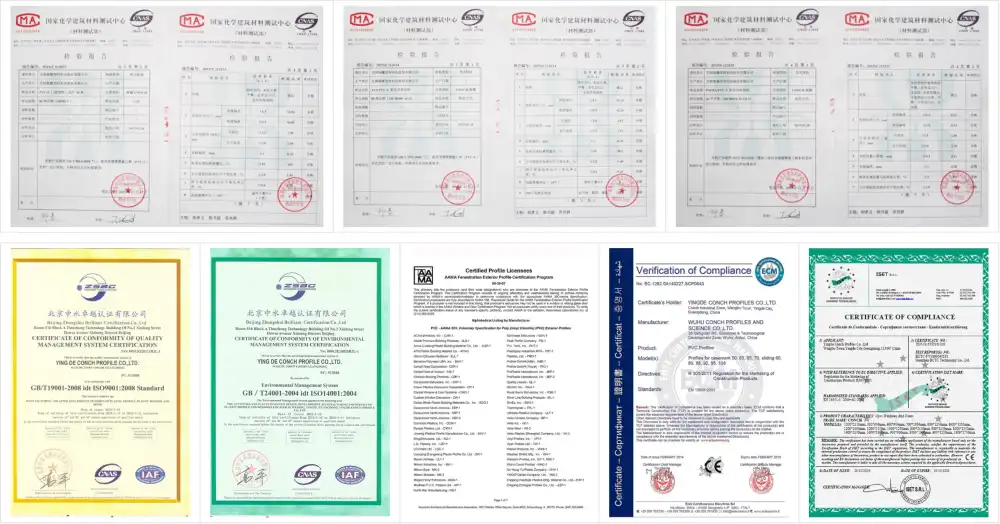
Partner with Hunan Haolv Building Materials Co., Ltd., your trusted China upvc tilt turn windows manufacturer with eighteen years of specialized industry expertise. Our advanced production facility features state-of-the-art extrusion lines, precision CNC equipment, and automated assembly systems ensuring consistent quality for every wholesale upvc tilt turn windows order. As a leading China upvc tilt turn windows supplier, we export to thirty-plus countries worldwide, delivering customized upvc tilt turn windows solutions tailored to your specific commercial project requirements.
Request your upvc tilt turn windows quotation today and discover why architects and contractors worldwide choose Haolv for bulk upvc tilt turn windows procurement. We provide comprehensive support including free technical consultations, solution design services, sample shipping options, and complete project follow-up throughout your installation. Our competitive upvc tilt turn windows price combined with our detailed upvc tilt turn windows pricelist ensures transparent budgeting for projects of any scale. As your dedicated China upvc tilt turn windows factory partner, we guarantee ISO-certified quality, efficient logistics, and responsive twenty-four-hour customer service supporting your success. Contact our team at kristin@haolvwindows.com for immediate assistance with your commercial window project. Bookmark this resource and return whenever you need expert guidance on specification, installation, or maintenance questions.
References
1. "Energy Performance of Commercial Buildings: Window System Design and Thermal Performance Standards" - Building Science Institute, Dr. Johann Weber, 2023
2. "Multi-Point Locking Systems in Commercial Fenestration: Security Performance Analysis" - International Window Safety Council, Sarah Mitchell & David Chen, 2024
3. "Acoustic Insulation Properties of Multi-Chamber UPVC Window Systems" - Journal of Building Acoustics, Professor Robert Anderson, 2024
4. "Life Cycle Cost Analysis of Commercial Window Systems: A Thirty-Year Comparative Study" - Commercial Building Research Association, Dr. Maria Santos, 2023
5. "Fire Safety Performance of Polymer-Based Window Systems in Commercial Applications" - Fire Engineering Research Foundation, James Thompson, 2024

USER EVALUATE
Here is the customer's evaluation of us