




Multi-Panel Folding Door Installation: Key Considerations
Picture this: you've just invested in beautiful Multi-Panel Folding Doors to connect your indoor and outdoor spaces, but improper installation leads to misaligned panels, air leaks, and operational headaches that cost thousands to fix. The difference between a seamless, lifetime investment and a frustrating renovation disaster lies in understanding the critical installation considerations before your project begins. This comprehensive guide walks you through every essential aspect of Multi-Panel Folding Door installation, from structural preparation and precise measurements to hardware selection and weatherproofing techniques, ensuring your investment delivers the dramatic architectural transformation and flawless functionality you envisioned.

Understanding Multi-Panel Folding Door Systems and Installation Requirements
Multi-Panel Folding Door systems represent a sophisticated architectural solution that demands thorough understanding before installation begins. These door systems feature multiple panels connected by precision hinges that fold and stack seamlessly to create expansive openings. Unlike traditional sliding or swinging doors, Multi-Panel Folding Doors operate on a top-hung track system with bottom guide mechanisms that ensure smooth, reliable movement across large spans. The installation complexity increases with each additional panel, making proper planning absolutely essential for success. The structural demands of Multi-Panel Folding Door installation cannot be underestimated. Each panel typically weighs between thirty-five to seventy-five pounds depending on glass configuration and aluminum profile selection. When you multiply this weight across four, six, or eight panels, the cumulative load on the header beam becomes substantial. Professional installers must verify that adequate structural support exists above the opening to carry this weight without flexing or sagging over time. Many installations require consultation with structural engineers, particularly in older buildings or when creating exceptionally wide openings that exceed standard door dimensions. Modern Multi-Panel Folding Door systems utilize premium materials that directly impact installation methodology. High-grade 6063-T5 aluminum alloy profiles provide the strength-to-weight ratio necessary for large panel construction while maintaining sleek sightlines. The double glazing configuration, typically 5+16A+5 millimeters, adds thermal performance but increases panel weight and handling requirements during installation. Understanding these material characteristics helps installers select appropriate equipment, determine manpower needs, and establish realistic installation timelines that ensure quality results without compromising safety or structural integrity throughout the entire process.
Pre-Installation Structural Assessment and Preparation
Before any Multi-Panel Folding Door installation begins, a comprehensive structural assessment identifies potential issues that could compromise performance. Experienced installers examine the door opening for squareness by measuring diagonally from corner to corner; equal measurements confirm a square opening, while discrepancies indicate adjustment requirements. Wall plumb and level verification ensures the frame will sit correctly without forcing panels into misalignment. These preliminary checks prevent countless problems that become exponentially more difficult to address after installation progresses. The header beam supporting your Multi-Panel Folding Door must provide absolute stability without deflection under load. Solid lumber headers, steel beams, or engineered lumber products rated for the specific span and load requirements ensure long-term performance. Installers should verify header installation follows local building codes and manufacturer specifications. Insufficient header support causes track misalignment over time, leading to panels that bind, drag, or jump from tracks during operation. Addressing header concerns before installation begins saves significant expense and frustration compared to retrofitting structural reinforcement after doors are installed and operational issues emerge. Floor preparation receives equal attention during the pre-installation phase. The threshold area must be level, stable, and properly prepared to receive bottom guide channels or floor tracks. Finished flooring should be installed before Multi-Panel Folding Door placement to ensure accurate height measurements and proper weatherproofing integration. Any slopes, raised lips, or transition strips in the floor area require accommodation in the installation plan. Uneven floors cause panels to hang improperly, creating gaps that compromise weather sealing and energy efficiency while placing uneven stress on hardware components that accelerates wear and reduces operational lifespan.

Precision Measurement and Custom Configuration Planning
Accurate measurements form the foundation of successful Multi-Panel Folding Door installation. Professional installers measure width at three points—top, middle, and bottom of the opening—recording the smallest dimension to ensure proper fit. Height measurements follow the same protocol, checking multiple locations to identify any irregularities. These careful measurements account for building settlement, construction tolerances, and structural variations that exist in virtually every opening. A quarter-inch measurement error multiplied across a six-panel system creates noticeable alignment problems that affect both appearance and function. Panel configuration planning determines how your Multi-Panel Folding Door system operates within your specific space. Doors can stack completely to one side, split to stack on both sides, or incorporate a lead door that functions as a standard entry door for daily use without folding the entire system. Each configuration offers distinct advantages depending on traffic patterns, available wall space, and architectural considerations. Single-stack configurations maximize clear opening width but require sufficient wall space to accommodate all stacked panels. Split configurations reduce stacking depth on either side but may leave a central vertical element in the opening when fully deployed. The lead door option within Multi-Panel Folding Door systems provides tremendous convenience for everyday access. This panel incorporates the multi-point locking mechanism and operates independently, allowing passage without deploying the entire folding system. Lead door placement—whether on the left, right, or center—depends on traffic flow patterns and interior layout considerations. However, certain even-numbered panel configurations cannot accommodate lead doors, requiring alternative security and access planning. Understanding these configuration limitations during the planning phase prevents disappointment and ensures the final installation meets both functional requirements and security expectations for your specific application.
Hardware Selection and Track System Installation

Quality hardware components ensure reliable Multi-Panel Folding Door performance over decades of use. Top-hung roller systems carry panel weight while allowing smooth horizontal movement along precision tracks. These carriers must be properly rated for panel weight with adequate safety factors. Bottom guide mechanisms prevent lateral movement without bearing significant weight, keeping panels aligned during operation. The combination of robust top carriers and precise bottom guides creates a system that operates effortlessly despite the substantial weight of multiple large panels traveling across wide openings. Track installation demands meticulous attention to achieve flawless Multi-Panel Folding Door operation. The top track must be perfectly level and securely fastened to the header beam at specified intervals. Even slight deviations from level cause panels to drift toward one end, creating uneven gaps and operational difficulties. Professional installers use precision levels and laser alignment tools to verify track placement before final fastening. Adequate fastener spacing prevents track deflection under panel weight, particularly important at track joints where two sections connect. Proper track preparation and installation eliminates the majority of operational problems that plague poorly executed installations. Bottom guide channel installation coordinates with top track placement to maintain vertical panel alignment. These channels may be surface-mounted on finished floors or recessed into floor substrates depending on design preferences and threshold requirements. Surface-mounted channels create a visible transition that may trip hazard concerns for some applications. Recessed channels provide a smoother transition but require precise depth cutting and weatherproofing attention. Regardless of mounting method, bottom guides must align perfectly with top track positions to prevent binding as panels traverse the opening during normal operation cycles.
Panel Assembly and Hinge Connection Procedures
Multi-Panel Folding Door panel assembly requires systematic approach to ensure proper hinge alignment and smooth folding action. Panels should be laid flat on padded surfaces to protect finishes during assembly. Hinges connect adjacent panels at precisely measured locations, typically specified by manufacturers based on panel height and weight. Consistent hinge placement across all panel connections ensures uniform folding action and prevents binding. Pre-drilling pilot holes before fastening hinges prevents splitting and allows hinge plates to sit flush against panel surfaces for optimal performance. Each hinge connection must be carefully executed to maintain Multi-Panel Folding Door operational quality. Installers should test fold action between each pair of connected panels before proceeding to the next connection. This incremental verification identifies alignment issues immediately when correction remains simple. Once multiple panels connect, identifying and correcting the source of binding or misalignment becomes significantly more difficult. Taking extra time during panel assembly prevents frustration during final installation and ensures the completed system operates smoothly from the first use forward. Hardware adjustment mechanisms built into quality Multi-Panel Folding Door systems allow fine-tuning after installation. Top carrier assemblies typically feature horizontal adjustment screws that shift panel position along the track. These adjustments compensate for minor measurement variations and ensure even gaps between panels when closed. Vertical adjustment mechanisms raise or lower panels to achieve proper threshold clearance and weatherstripping compression. Understanding these adjustment capabilities and their limitations helps installers achieve optimal results during final alignment procedures that complete the installation process successfully.
Weatherproofing and Energy Efficiency Optimization

Proper weatherproofing transforms Multi-Panel Folding Door installations from architectural features into climate-controlled boundaries that protect interior spaces. Multiple sealing points around the perimeter and between panels prevent air infiltration, water penetration, and dust entry. Quality weatherstripping compresses evenly when panels close, creating continuous seals without excessive force requirements that would impede operation. The balance between effective sealing and smooth operation requires careful material selection and precise installation technique. The double glazing system in premium Multi-Panel Folding Door configurations provides substantial thermal insulation. The 5+16A+5 millimeter specification includes two five-millimeter glass panes separated by a sixteen-millimeter air space that reduces heat transfer. Optional Low-E glass coatings reflect infrared radiation while maintaining visible light transmission, further improving energy efficiency. Laminated glass options enhance sound reduction and security while maintaining thermal performance. Understanding these glazing options helps specify appropriate configurations for different climate zones and performance requirements. Bottom threshold weatherproofing presents unique challenges in Multi-Panel Folding Door installations. The threshold must seal effectively against weather intrusion while allowing panels to slide smoothly during operation. Various threshold designs address these competing requirements through combinations of brush seals, compression gaskets, and interlocking profiles. Recessed track systems may require additional drainage provisions to prevent water accumulation. Proper threshold installation and weatherproofing prevents the most common source of air and water leakage in folding door systems, protecting flooring materials and interior finishes from weather damage.
Security Features and Locking Mechanisms
Multi-Panel Folding Door security relies on multi-point locking systems that engage at multiple locations when activated. These sophisticated mechanisms simultaneously secure the lead door at the top, middle, and bottom positions, distributing load and preventing forced entry. Quality locking systems meet industry security standards with pick-resistant cylinders and reinforced strike plates. The security level provided by multi-point locks significantly exceeds traditional single-point latches found on standard doors, providing peace of mind for homeowners and building managers. Panel security extends beyond the lead door in comprehensive Multi-Panel Folding Door installations. Secondary panels feature shoot bolts or rotation catches that secure individual panels to the track system or adjacent panels. These additional security points prevent panels from being lifted from tracks or forced open when the main locking system engages. Perimeter security remains consistent across the entire door system, eliminating weak points that could be exploited. Understanding these security features helps specify appropriate hardware for different security requirements ranging from residential applications to commercial installations requiring enhanced protection. Cylinder quality directly impacts Multi-Panel Folding Door security performance. Premium cylinders resist common attack methods including picking, drilling, and bumping. Many manufacturers offer cylinders certified to European security standards that provide independently verified protection levels. Keyed-alike options allow one key to operate multiple lock cylinders throughout a building, simplifying key management without compromising security. These considerations become particularly important in commercial applications where multiple door systems require coordinated access control and security management.
Professional Installation Process and Quality Verification
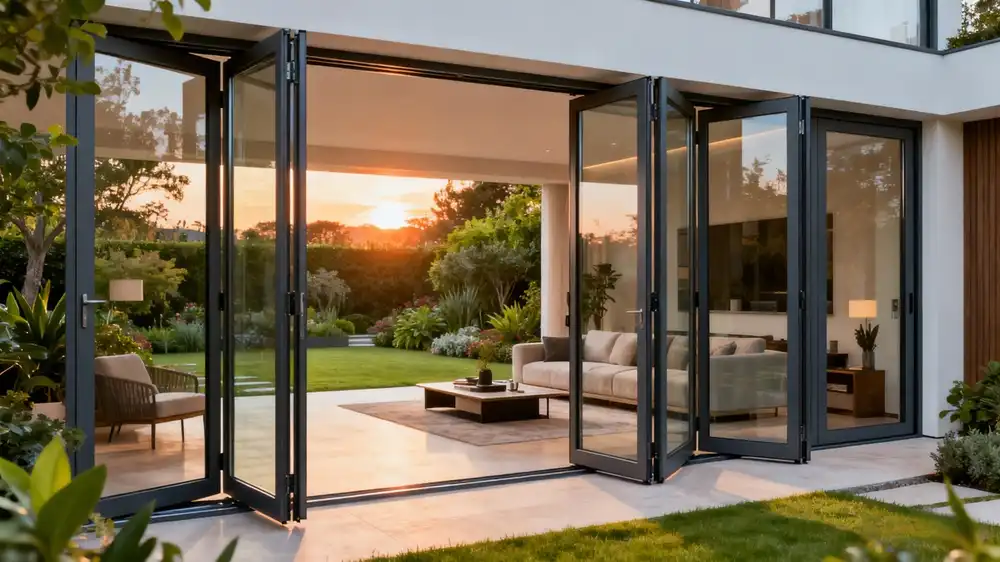
The Multi-Panel Folding Door installation sequence follows a logical progression that builds upon completed steps. After structural preparation and measurement verification, installers mount the top track system with precise alignment. Frame components install next, establishing the opening perimeter and providing attachment points for panels. Panel assembly occurs either on-site or arrives pre-assembled depending on system design and access considerations. The completed panel assembly then hangs from the top track, with bottom guides engaging to maintain alignment during operation. Two-person installation teams handle Multi-Panel Folding Door panels safely and effectively. These large, heavy components require coordinated lifting and positioning to prevent damage and ensure worker safety. Suction cup lifts facilitate panel handling, particularly beneficial when working with large glass areas. As each panel hangs, installers verify smooth operation before adding subsequent panels. This incremental approach identifies problems immediately when correction remains straightforward. Rushing through panel installation to save time frequently creates problems that require complete disassembly to resolve properly. Final adjustment and quality verification ensure Multi-Panel Folding Door installation meets performance expectations. Installers check panel alignment, weatherstripping compression, locking mechanism engagement, and smooth operation through multiple open-close cycles. Gap measurements between panels when closed should be consistent across the entire system. Weather seals should compress evenly without excessive resistance. Locks should engage smoothly with proper handle operation. Documenting these final quality checks provides baseline performance data and protects both installer and property owner interests.
Maintenance Education and Long-Term Performance
Proper maintenance extends Multi-Panel Folding Door lifespan and preserves operational quality. Property owners should understand basic maintenance requirements including track cleaning, weatherstripping inspection, and hardware lubrication. Quarterly track cleaning removes accumulated dirt and debris that impedes roller movement and accelerates wear. Annual weatherstripping inspection identifies compression set or damage requiring replacement before leaks develop. Hardware lubrication at recommended intervals keeps mechanisms operating smoothly and prevents premature wear. Professional service intervals provide opportunities for comprehensive Multi-Panel Folding Door inspection and adjustment. Experienced technicians identify wear patterns, alignment drift, and component deterioration before failures occur. Proactive maintenance proves far more cost-effective than reactive repairs addressing failed components or weather damage resulting from neglected maintenance. Establishing regular service relationships with qualified professionals ensures your Multi-Panel Folding Door investment delivers decades of reliable performance while maintaining the aesthetic and functional qualities that justified the initial installation investment. Glass cleaning techniques specific to Multi-Panel Folding Door applications prevent scratching and maintain clarity. Non-abrasive cleaners and soft cloths protect glass surfaces and aluminum frames from damage during routine cleaning. Avoid cleaning products containing ammonia or harsh chemicals that can degrade weatherstripping materials or damage aluminum finishes. Regular cleaning not only maintains appearance but also allows early identification of seal failures, hardware issues, or other developing problems requiring professional attention before they compromise system performance or cause secondary damage to building components.
Conclusion
Successful Multi-Panel Folding Door installation requires comprehensive attention to structural preparation, precise measurement, quality hardware selection, proper weatherproofing, and professional installation technique that delivers lasting performance and architectural beauty.
Cooperate With Hunan Haolv Building Materials Co., Ltd.

Partner with Hunan Haolv Building Materials Co., Ltd., your trusted China Multi-Panel Folding Door manufacturer, supplier, and factory with eighteen years of manufacturing excellence. We offer wholesale Multi-Panel Folding Door solutions with competitive Multi-Panel Folding Door price and comprehensive Multi-Panel Folding Door Pricelist options. Our Customized Multi-Panel Folding Door services deliver Bulk Multi-Panel Folding Door orders backed by ISO-certified quality management, advanced CNC machining capabilities, and one-stop product support. Request your Multi-Panel Folding Door quotation today and experience our professional technical consultation, free sample shipping services, and full-process project follow-up that ensures your installation success. Contact kristin@haolvwindows.com to discuss your project requirements and discover how our partnership with premium material suppliers, complete product range from window frames to glass and accessories, and mature technical solutions can transform your architectural vision into reality.
References
1. "Bi-Fold Door Installation: A Comprehensive Technical Manual" - National Association of Home Builders, Building Systems Council
2. "Aluminum Folding Door Systems: Installation Standards and Best Practices" - American Architectural Manufacturers Association Technical Document
3. "Weatherproofing Techniques for Large-Panel Door Systems" - Building Enclosure Technology and Environment Council
4. "Structural Load Requirements for Multi-Panel Door Headers" - International Code Council Building Safety Journal
5. "Hardware Selection Criteria for Commercial Folding Door Applications" - Door and Hardware Institute Technical Publication

USER EVALUATE
Here is the customer's evaluation of us