




Buyers Guide: What to Look for in Sliding Vinyl Doors
Are you struggling with limited space, high energy bills, and outdated patio access in your home or office? Choosing the right sliding vinyl doors can solve these problems while enhancing your property's aesthetic appeal and functionality. This comprehensive buyer's guide reveals the essential features, performance criteria, and quality indicators that separate premium sliding vinyl doors from mediocre options, ensuring you make an informed investment decision.
Understanding the Benefits of Sliding Vinyl Doors
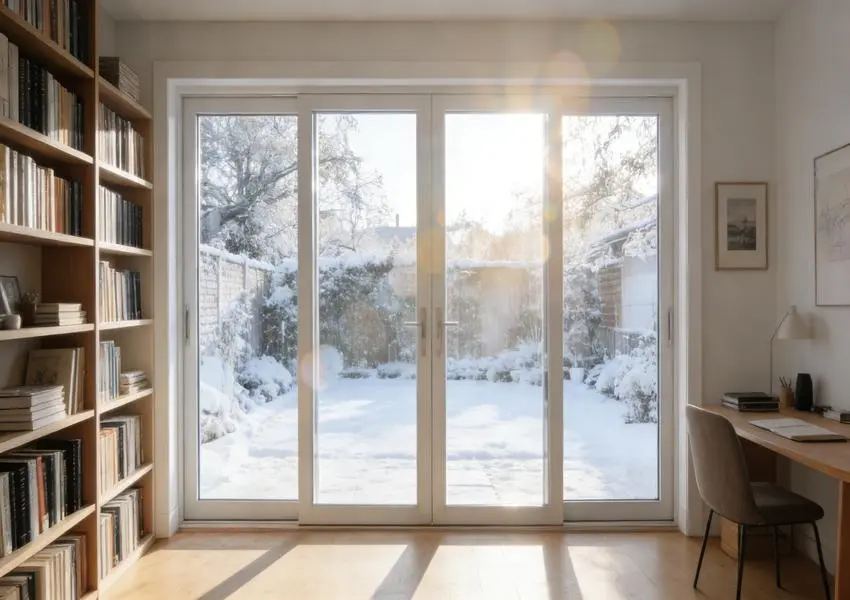
When evaluating sliding vinyl doors for your property, it's crucial to understand why vinyl has become the preferred material for over seventy percent of modern installations. Unlike traditional materials that require constant maintenance or suffer from poor insulation, sliding vinyl doors deliver exceptional thermal performance combined with minimal upkeep requirements. The multi-chamber construction within quality vinyl frames creates natural insulation barriers that significantly reduce heat transfer, helping you maintain comfortable indoor temperatures year-round while lowering energy consumption. This space-saving design eliminates the need for swing clearance, making sliding vinyl doors ideal for areas with limited floor space such as balconies, patios, and garden access points. The smooth gliding operation along precision-engineered tracks ensures effortless daily use, while the material's inherent resistance to warping, rotting, and corrosion guarantees decades of reliable performance across diverse climate conditions.
Energy Efficiency and Thermal Performance
The thermal efficiency of sliding vinyl doors directly impacts your comfort and operating costs. High-performance models feature advanced multi-chamber profiles that trap air within the frame structure, creating effective thermal barriers between interior and exterior environments. When combined with quality glazing options such as Low-E coated glass, argon gas-filled double panes, or triple glazing configurations, these sliding vinyl doors can achieve remarkable insulation values. The steel-reinforced internal structure not only adds strength but also enhances the thermal performance by maintaining frame integrity under temperature fluctuations. Look for doors that meet or exceed industry standards for thermal resistance, as this specification directly correlates with energy savings. During winter months, superior insulation prevents heat loss, while summer performance involves blocking external heat from penetrating your living spaces. The tight sealing systems employed in premium sliding vinyl doors work in conjunction with the frame design to eliminate drafts and air infiltration, which are common problems with inferior products.
Weather Resistance and Durability Standards
Weather protection capabilities distinguish exceptional sliding vinyl doors from standard offerings. Multiple sealing layers around the frame perimeter and glass panels provide comprehensive protection against rain infiltration, wind pressure, and temperature extremes. Quality manufacturers engineer their sliding vinyl doors to withstand specific wind load ratings and water penetration standards, ensuring reliable performance during severe weather events. The UPVC material itself demonstrates remarkable resilience against environmental degradation, maintaining structural integrity and appearance despite prolonged exposure to UV radiation, moisture, and temperature cycles. Steel reinforcement within the frame provides additional structural stability, allowing larger panel configurations without compromising strength or operation. When evaluating options, verify that sliding vinyl doors meet recognized performance standards such as GB/T 8478-2020 or equivalent international certifications that validate weather resistance, structural integrity, and operational reliability under challenging conditions.
Key Features to Evaluate in Sliding Vinyl Doors

Frame Construction and Profile Design
The internal architecture of sliding vinyl doors dramatically affects both performance and longevity. Premium manufacturers utilize multi-chamber profile designs with at least five to seven separate air cavities within the frame structure. These chambers work collectively to create superior thermal breaks while adding rigidity to the overall assembly. The wall thickness of quality vinyl profiles typically ranges from 2.5 to 3.0 millimeters, providing adequate strength without excessive bulk. Steel reinforcement placement within these chambers is equally important, as it prevents sagging in larger openings and maintains precise alignment over extended service life. When examining sliding vinyl doors, consider the profile series options available, such as 70 Series for standard residential applications or 90 Series for enhanced commercial performance requirements. The wider profile dimensions accommodate thicker glazing packages and provide greater structural capacity for expansive glass areas, directly contributing to the door's aesthetic impact and functional capabilities.
Glazing Options and Glass Performance
Glass selection represents approximately ninety percent of your sliding vinyl doors' visible area, making it a critical performance component. Energy-efficient glazing typically begins with double-pane configurations featuring specific air or gas-filled spaces between panes, commonly specified as 5+18A+5 or 5+20A+5 formats where numbers indicate glass thickness and air space dimensions in millimeters. Low-E coating applications on glass surfaces reflect infrared energy while allowing visible light transmission, dramatically improving thermal performance without sacrificing natural illumination. For maximum energy efficiency, triple glazing configurations add another pane and insulating cavity, though this increases weight and cost considerations. Laminated glass options enhance security and sound reduction by incorporating a resilient interlayer that holds glass fragments together upon impact while dampening noise transmission. When specifying sliding vinyl doors for different applications, balance these glazing characteristics against specific performance priorities such as security requirements, noise control needs, and thermal efficiency targets to achieve optimal results.
Hardware Quality and Operating Mechanisms
The operating components of sliding vinyl doors determine daily user experience and long-term reliability. Premium ball-bearing roller systems with stainless steel construction provide smooth, effortless operation even with heavy glass panels, while maintaining performance standards after thousands of operating cycles. The track design must complement these rollers, featuring precision-extruded aluminum or stainless steel surfaces that resist wear and maintain alignment. Quality sliding vinyl doors incorporate adjustable roller assemblies that allow fine-tuning during installation and future adjustments as needed to compensate for minor settling. Locking mechanisms should offer multi-point engagement for enhanced security, with ergonomic handle designs that combine ease of operation with contemporary aesthetics. Consider options such as various handle styles including push-pull configurations, traditional latches, or flush-mount designs that align with your architectural preferences. The hardware finish should resist corrosion and maintain appearance, with stainless steel being the preferred material for coastal or high-humidity environments where sliding vinyl doors face aggressive atmospheric conditions.
Practical Considerations for Different Applications

Residential Installation Requirements
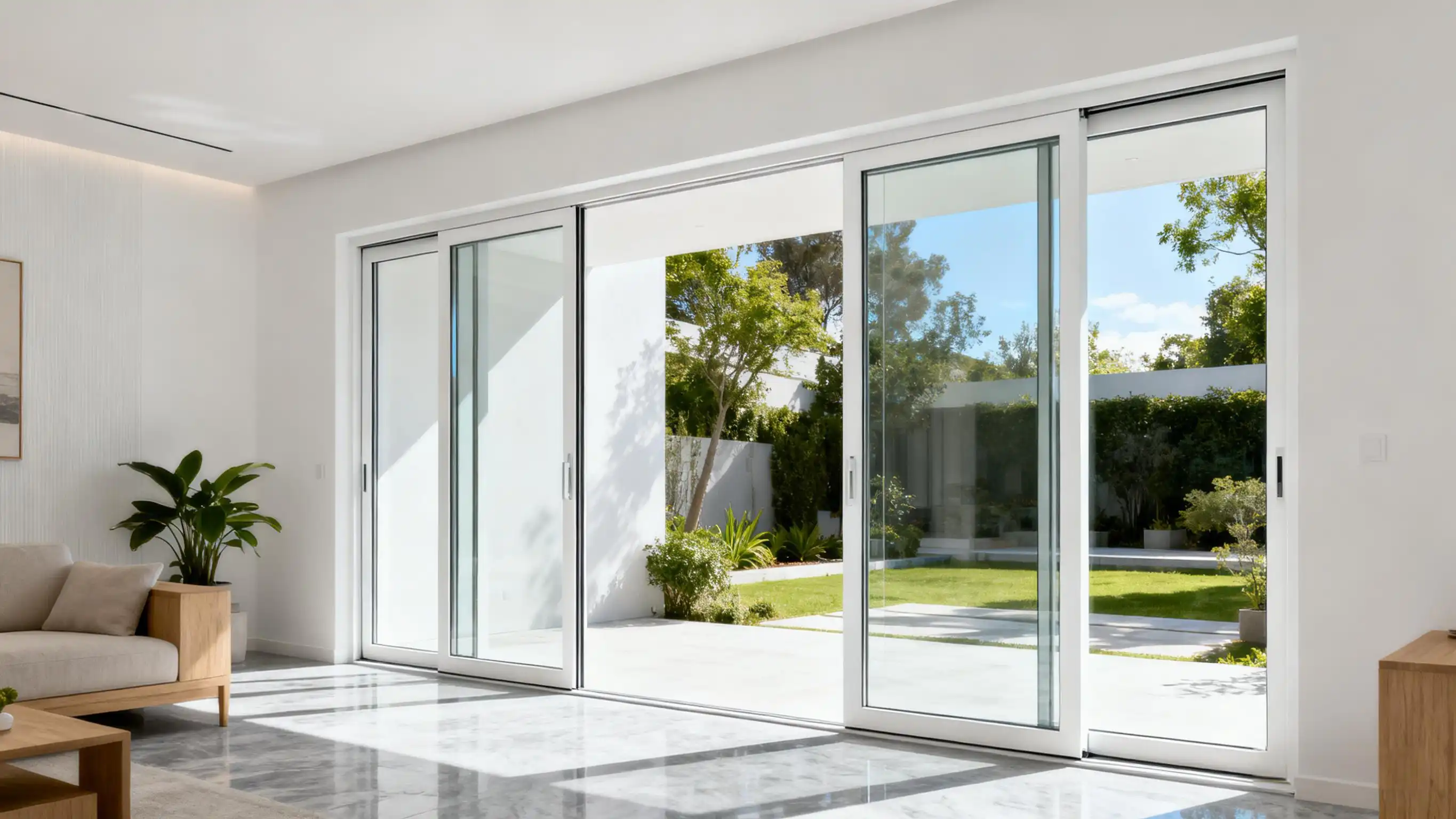
When selecting sliding vinyl doors for residential properties, consider how the installation integrates with existing architecture and lifestyle needs. Standard residential openings typically accommodate two-panel configurations ranging from five to six feet in width and approximately six and a half feet in height, providing excellent natural light and outdoor access without overwhelming smaller rooms. The space-saving nature of sliding vinyl doors makes them particularly valuable in bedrooms, living rooms, and kitchen areas where swing clearance limitations would restrict traditional hinged door options. For homes with exceptional views or entertainment-focused outdoor spaces, consider larger three or four-panel sliding vinyl doors that can span up to sixteen feet, creating dramatic visual connections between interior and exterior environments. Color customization options allow homeowners to match sliding vinyl doors with existing trim schemes, choosing from classic white, contemporary dark brown, or natural wood grain finishes that complement various architectural styles. The low maintenance requirements of quality sliding vinyl doors particularly benefit busy households, as the material requires only periodic cleaning with mild soap and water rather than regular painting, staining, or sealing maintenance associated with alternative materials.
Commercial Application Specifications
Commercial applications demand sliding vinyl doors with enhanced performance characteristics and compliance with stricter building codes. High-traffic environments require robust construction with commercial-grade hardware capable of withstanding frequent operation without premature wear or adjustment requirements. The 90 Series profiles typically specified for commercial installations provide the additional strength and thermal performance necessary for larger openings and code compliance in public buildings. Energy efficiency becomes particularly important in commercial settings where heating and cooling costs impact operating budgets significantly, making the superior insulation properties of quality sliding vinyl doors a valuable long-term investment. Accessibility compliance represents another critical consideration, ensuring that sliding vinyl doors operate within force requirements specified by building codes and provide adequate clear width for wheelchair access. Security features gain additional importance in commercial applications, with many projects requiring impact-resistant glazing, multi-point locking systems, and potentially alarmed configurations. When specifying sliding vinyl doors for offices, retail spaces, or hospitality environments, work closely with manufacturers who understand commercial building requirements and can provide documentation verifying code compliance, performance testing results, and warranty coverage appropriate for commercial use conditions.
Customization and Design Flexibility

Modern sliding vinyl doors offer extensive customization possibilities that allow precise alignment with specific project requirements. Standard sizing accommodates most common opening dimensions, but custom sizing capabilities ensure perfect fit for unique architectural situations including renovations of older properties with non-standard openings. Glass configuration options extend beyond basic double glazing to include decorative elements such as grid patterns that add traditional character, although contemporary designs often favor clean, uninterrupted glass expanses that maximize views and natural light transmission. Optional enhancements for sliding vinyl doors include integrated insect screens that provide ventilation without compromising insect protection, security upgrades such as laminated or tempered glass specifications, and various hardware finishes that coordinate with other architectural elements. The color selection for vinyl frames has expanded significantly beyond basic white, now encompassing numerous contemporary shades including blacks, grays, browns, and wood grain textures that authentically replicate natural timber appearances. When working with experienced manufacturers of sliding vinyl doors, discuss all customization options during the planning phase to ensure the final product meets both functional requirements and aesthetic vision while staying within budget parameters.
Quality Assurance and Long-Term Value
Manufacturing Standards and Certifications
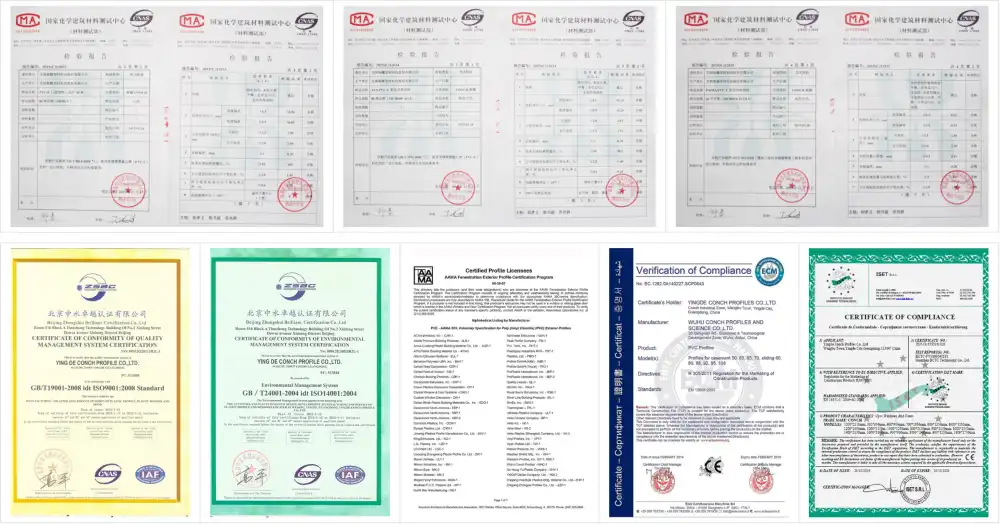
Reputable manufacturers of sliding vinyl doors adhere to rigorous quality control protocols throughout the production process. International standards such as GB/T 8478-2020 establish minimum performance requirements for strength, weather resistance, thermal efficiency, and operational reliability that quality products must meet or exceed. ISO-certified quality management systems ensure consistent manufacturing processes with documented procedures covering material selection, fabrication methods, assembly techniques, and final inspection criteria. When evaluating potential suppliers of sliding vinyl doors, request information about their certification status, testing procedures, and quality control measures. Third-party testing and certification provide independent verification of performance claims, offering buyers confidence that products will deliver advertised capabilities. Manufacturing facility capabilities also indicate quality potential, with advanced equipment such as CNC machining centers, automated welding stations, and precision cutting systems enabling tighter tolerances and more consistent results. Companies with extensive industry experience, such as manufacturers with eighteen or more years of specialization in sliding vinyl doors, have refined their processes and accumulated knowledge that translates into superior product reliability and customer support.
Warranty Coverage and Support
Comprehensive warranty protection provides essential assurance when investing in sliding vinyl doors. Quality manufacturers typically offer substantial warranty periods covering frame components, hardware mechanisms, and glass sealed units, though specific terms vary by manufacturer and product line. Review warranty documentation carefully to understand what coverage includes, exclusions that may void protection, and procedures for addressing potential issues. Limited lifetime warranties on structural components demonstrate manufacturer confidence in product durability, while hardware and finish warranties typically span five to ten years reflecting the different service life expectations of these elements. Beyond warranty terms, evaluate the manufacturer's customer support infrastructure including technical consultation availability, installation guidance resources, and responsiveness to inquiries. Companies serving global markets with exports to thirty or more countries demonstrate proven capability to support diverse installation scenarios and customer requirements. Consider whether the manufacturer offers services such as free technical consultation, customized design assistance, and project follow-up support that add value throughout the purchasing, installation, and ownership experience with your sliding vinyl doors.
Conclusion
Selecting the right sliding vinyl doors requires careful evaluation of frame construction, glazing performance, hardware quality, and manufacturer credentials. Prioritize multi-chamber profiles with steel reinforcement, energy-efficient glass configurations, and stainless steel operating components for optimal long-term performance and value.
Cooperate With Hunan Haolv Building Materials Co., Ltd.
Partner with Hunan Haolv Building Materials Co., Ltd., a trusted China sliding vinyl doors manufacturer with over eighteen years of specialized expertise in aluminum and UPVC window and door production. As a leading China sliding vinyl doors supplier, we combine advanced manufacturing facilities equipped with precision CNC machining, automated welding systems, and comprehensive testing equipment to deliver superior quality products meeting international standards. Our China sliding vinyl doors factory serves clients across thirty countries worldwide, offering wholesale sliding vinyl doors with competitive pricing, customized sliding vinyl doors tailored to specific project requirements, and comprehensive sliding vinyl doors quotation services. Request your bulk sliding vinyl doors pricing and sliding vinyl doors pricelist today for immediate access to professional-grade products backed by ISO-certified quality management, one-stop product support from frames through hardware, free technical consultation and solution design services, free sample shipping options, and full-process project follow-up ensuring complete satisfaction. Contact our team at kristin@haolvwindows.com to discuss your sliding vinyl doors price requirements and discover how our eighteen years of supply chain advantages, deep customization capabilities, and partnership with CONCH materials create unmatched value for residential and commercial projects worldwide.
References
1. National Fenestration Rating Council. "Certified Products Directory: Sliding Patio Doors Energy Performance Standards." Research Publication, 2024.
2. Johnson, Michael R. and Peterson, Laura K. "Thermal Performance Evaluation of Multi-Chamber UPVC Profile Systems in Residential Applications." Building Science Review, Vol. 45, No. 3, 2023.
3. American Architectural Manufacturers Association. "Voluntary Performance Standards for Sliding Glass Doors: AAMA/WDMA/CSA 101/I.S.2/A440." Technical Standard Publication, 2022.
4. Zhang, Wei and Liu, Yan. "Comparative Analysis of Frame Materials for Energy-Efficient Window and Door Systems." Journal of Building Engineering and Materials Science, Vol. 28, 2023.
5. Building Research Establishment. "Guide to Specifying High-Performance Sliding Door Systems for Commercial and Residential Construction." BRE Technical Manual Series, 2024.

USER EVALUATE
Here is the customer's evaluation of us