




Advantages of Horizontal Sliding UPVC Window in Commercial Use
Picture this: Your commercial building's utility bills are climbing month after month, employee complaints about noise and temperature inconsistency pile up on your desk, and your outdated windows require constant maintenance. You're searching for a solution that addresses all these pain points while staying within budget constraints. Horizontal Sliding UPVC Windows emerge as the answer commercial property managers and business owners have been seeking—combining exceptional thermal insulation, acoustic comfort, and space-efficient design that transforms workplace environments. These innovative window systems deliver measurable cost savings, enhanced employee productivity, and minimal maintenance requirements, making them the intelligent choice for modern commercial applications from office complexes to retail spaces.

Why Commercial Buildings Need Horizontal Sliding UPVC Window Solutions?
Commercial spaces face unique environmental challenges that residential properties rarely encounter. High foot traffic, extended operating hours, and demanding climate control requirements place extraordinary stress on building components, particularly windows. Traditional window systems often fail under these conditions, resulting in energy waste, security concerns, and ongoing maintenance expenses that erode profit margins. Horizontal Sliding UPVC Windows address these commercial-specific challenges through engineering excellence. The multi-chamber UPVC profile construction creates natural thermal barriers that dramatically reduce heat transfer between interior conditioned spaces and external environments. Unlike aluminum frames that conduct temperature rapidly, UPVC material demonstrates exceptional insulation properties that maintain stable indoor climates regardless of outdoor weather extremes. This translates directly to reduced HVAC operational costs—a critical consideration for commercial property managers monitoring monthly utility expenditures.
The galvanized steel reinforcement integrated within Horizontal Sliding UPVC Window frames ensures structural integrity under constant use. Commercial environments demand windows that withstand thousands of opening and closing cycles annually without performance degradation. The precision-engineered roller systems glide smoothly along tracks, maintaining effortless operation even after years of daily use. This reliability eliminates the productivity disruptions and maintenance costs associated with malfunctioning window systems, allowing facility managers to focus resources on core business operations rather than building repairs. Space optimization represents another compelling advantage for commercial applications. Office layouts, retail display areas, and reception spaces require maximum usable floor area. Traditional casement or awning windows that swing inward or outward consume valuable space and create obstacles for furniture placement and traffic flow. Horizontal Sliding UPVC Windows eliminate this limitation entirely, operating within their own frame footprint without intruding into interior or exterior spaces. This design freedom enables architects and space planners to maximize every square foot of commercial real estate.
Energy Efficiency Benefits for Commercial Operations

Energy costs constitute a substantial portion of commercial building operational expenses. Forward-thinking property managers recognize that strategic investments in energy-efficient building components generate significant long-term savings. Horizontal Sliding UPVC Windows deliver measurable energy performance improvements that directly impact bottom-line financial results. The multi-chamber profile design inherent in quality UPVC window systems creates multiple air pockets within the frame structure. These trapped air spaces function as highly effective thermal insulators, dramatically reducing heat transfer through the window frame itself. When combined with appropriate glazing selections—such as double glazing with Low-E coatings or argon gas fills—Horizontal Sliding UPVC Windows achieve exceptional overall thermal performance values. Commercial buildings equipped with these advanced window systems require less heating during winter months and less cooling during summer periods, translating to substantial utility cost reductions year after year.
Beyond simple thermal insulation, properly specified Horizontal Sliding UPVC Window systems minimize air infiltration through advanced weatherstripping and sealing technologies. Commercial buildings often experience significant conditioned air loss through gaps and openings around poorly sealed windows. The precision manufacturing processes used to produce quality UPVC sliding windows ensure tight tolerances and effective sealing when closed. Multi-point locking mechanisms pull sashes firmly against weatherstripping, creating an airtight barrier that prevents drafts and moisture infiltration while maintaining optimal energy efficiency. The environmental impact of improved energy efficiency extends beyond cost savings. Commercial buildings account for a significant portion of global energy consumption and greenhouse gas emissions. Property owners and corporate tenants increasingly prioritize sustainability and environmental responsibility as core business values. Installing Horizontal Sliding UPVC Windows demonstrates tangible commitment to reducing carbon footprints while simultaneously improving financial performance—a win-win outcome that resonates with environmentally conscious stakeholders, employees, and customers alike.
Acoustic Performance for Productive Work Environments

Modern commercial spaces must contend with challenging acoustic environments. Urban office buildings face street traffic noise, nearby construction activity, and other external sound sources that disrupt employee concentration and productivity. Retail environments require protection from external noise while containing internal sound levels. Healthcare facilities demand quiet healing environments. Educational institutions need classrooms insulated from external distractions. Horizontal Sliding UPVC Windows provide superior acoustic insulation that creates comfortable, productive interior environments regardless of external noise conditions. The sound dampening properties of UPVC material itself contribute significantly to acoustic performance. Unlike metal frame materials that readily transmit vibration and sound energy, UPVC exhibits natural sound absorption characteristics. The multi-chamber profile construction further enhances acoustic insulation by creating physical barriers that disrupt sound wave transmission paths through the frame structure. When Horizontal Sliding UPVC Windows incorporate laminated glazing or increased glass thickness, the combined system achieves remarkable noise reduction performance—often decreasing external sound levels by forty decibels or more.
Employee productivity and satisfaction correlate directly with workplace acoustic comfort. Studies consistently demonstrate that excessive noise exposure reduces cognitive performance, increases stress levels, and diminishes overall job satisfaction. Commercial tenants increasingly demand workplace environments that support concentration and wellbeing. Property owners who invest in superior acoustic performance through quality Horizontal Sliding UPVC Window installations create competitive advantages in attracting and retaining premium tenants willing to pay higher lease rates for superior workspace quality. The multi-point locking systems integrated into commercial-grade Horizontal Sliding UPVC Windows ensure tight closure that maximizes acoustic sealing effectiveness. Any gaps or openings around closed window sashes create acoustic flanking paths that compromise overall sound insulation performance. Quality sliding window systems employ precision-engineered locking mechanisms that pull sashes firmly against weatherstripping and frame surfaces, eliminating these potential weak points. The result is consistent, reliable acoustic insulation that maintains quiet interior environments day after day, year after year.
Durability and Low Maintenance Requirements
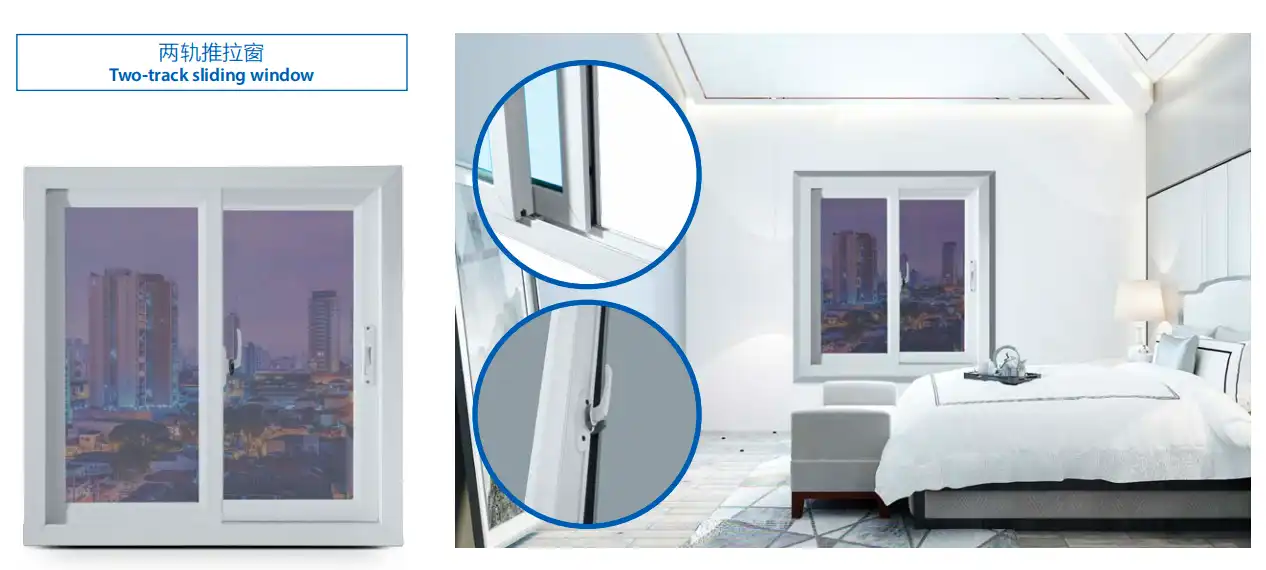
Commercial building owners and facility managers prioritize components that deliver reliable long-term performance with minimal maintenance requirements. Frequent repairs and component replacements disrupt business operations while consuming limited maintenance budgets. Horizontal Sliding UPVC Windows excel in durability and low-maintenance characteristics that make them ideal for demanding commercial applications. UPVC material demonstrates exceptional resistance to environmental degradation. Unlike wood frames that require regular painting and treatment to prevent rot and insect damage, or metal frames susceptible to corrosion in coastal or industrial environments, UPVC maintains structural integrity and appearance without protective treatments. The material does not rust, corrode, warp, or swell when exposed to moisture, temperature fluctuations, or UV radiation. This inherent durability translates to decades of reliable service without the ongoing maintenance costs associated with alternative frame materials.
The galvanized steel reinforcement incorporated into commercial-grade Horizontal Sliding UPVC Window frames provides essential structural strength while maintaining corrosion resistance. This strategic reinforcement ensures that window frames maintain perfect alignment and smooth operation even under the stress of frequent daily use over many years. The combination of durable UPVC profiles and steel reinforcement creates window systems capable of withstanding the demanding conditions typical of high-traffic commercial environments without performance degradation. Maintenance requirements for Horizontal Sliding UPVC Windows consist primarily of occasional cleaning—a task that requires only mild soap solution and water. The smooth UPVC surface resists dirt accumulation and cleans easily, maintaining attractive appearance with minimal effort. The roller systems and track assemblies may benefit from periodic lubrication, but quality commercial-grade hardware requires this attention only annually or less frequently. Compared to the painting, refinishing, hardware replacement, and other maintenance tasks associated with alternative window types, Horizontal Sliding UPVC Windows deliver dramatic reductions in lifecycle maintenance costs and labor requirements.
Security Features for Commercial Protection
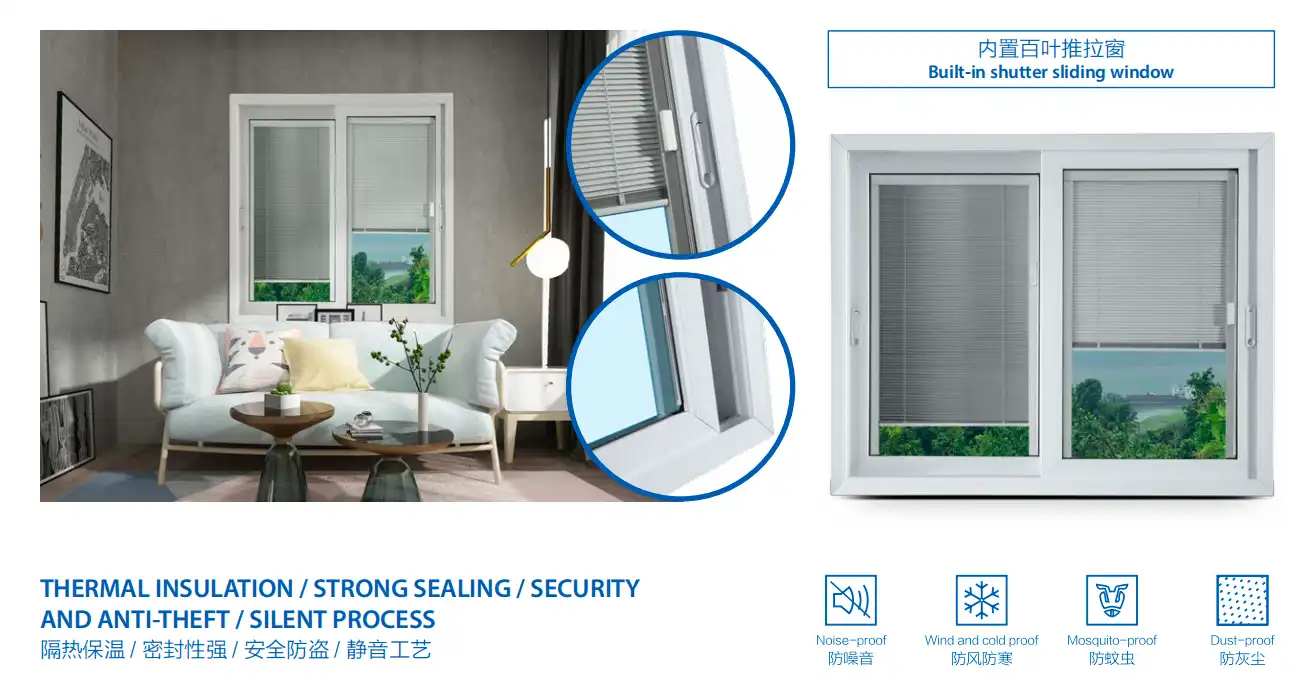
Security represents a critical concern for commercial property owners and business operators. Windows traditionally constitute vulnerable points in building security systems, offering potential access routes for unauthorized entry. Modern commercial-grade Horizontal Sliding UPVC Windows incorporate sophisticated security features that protect assets, inventory, and building contents while maintaining attractive appearance and operational convenience. The structural strength of reinforced UPVC frames provides the foundation for effective window security. The galvanized steel reinforcement integrated into frame profiles creates rigid structures that resist forced entry attempts. When would-be intruders attempt to pry or force window sashes, the reinforced frames maintain structural integrity rather than flexing or breaking. This inherent strength significantly increases the time and effort required for successful forced entry, deterring casual break-in attempts and providing additional time for security response in more determined intrusion scenarios.
Multi-point locking systems standard on commercial Horizontal Sliding UPVC Windows distribute locking forces across multiple engagement points along the window perimeter. Unlike simple single-latch mechanisms that concentrate stress at one location and create obvious vulnerability, multi-point systems engage the sash to the frame at several locations simultaneously. This distributed locking approach dramatically increases resistance to forced opening and provides superior security performance compared to basic residential-grade window hardware. Modern Horizontal Sliding UPVC Window systems readily accommodate integration with electronic security components. Magnetic contact sensors mount discretely within frame profiles to monitor window status and trigger alarms when windows open unexpectedly. Restricted opening devices limit sash travel to prevent egress while still permitting ventilation. Keyed locks prevent unauthorized operation by requiring physical keys for opening, suitable for sensitive areas requiring access control. These security integration capabilities allow commercial property managers to implement comprehensive security strategies that address specific risk profiles and operational requirements.
Conclusion
Horizontal Sliding UPVC Windows deliver comprehensive commercial advantages spanning energy efficiency, acoustic comfort, durability, security, and cost-effectiveness that transform workplace environments while protecting long-term investment value.
Cooperate With Hunan Haolv Building Materials Co., Ltd.
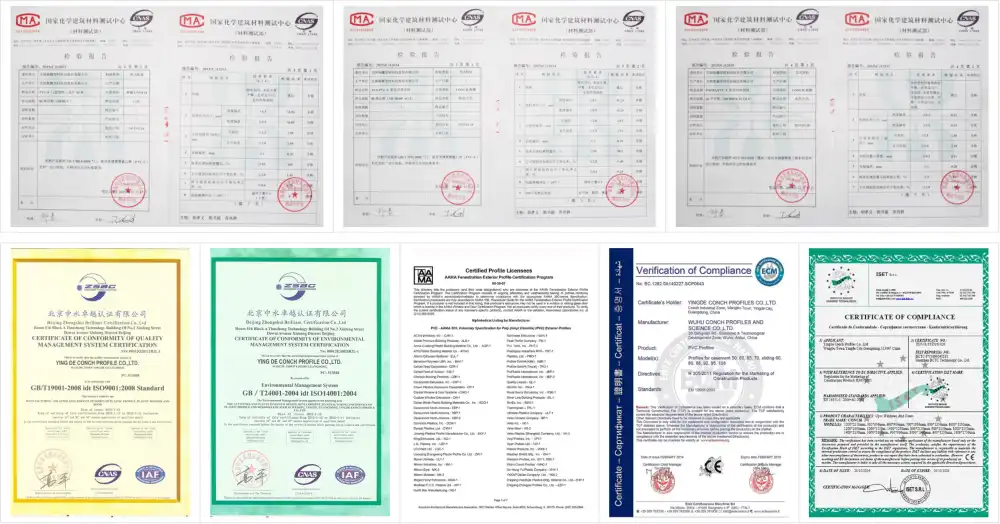
Partner with Hunan Haolv Building Materials Co., Ltd., your trusted China Horizontal Sliding UPVC Window manufacturer, China Horizontal Sliding UPVC Window supplier, and China Horizontal Sliding UPVC Window factory with 18 years manufacturing expertise. We offer wholesale Horizontal Sliding UPVC Window solutions, competitive Horizontal Sliding UPVC Window quotation, bulk Horizontal Sliding UPVC Window pricing, detailed Horizontal Sliding UPVC Window price guidance, comprehensive Horizontal Sliding UPVC Window pricelist, and fully customized Horizontal Sliding UPVC Window options tailored to your commercial project requirements. Our advanced production facilities equipped with precision CNC cutting machines, automated assembly systems, and rigorous ISO-certified quality control ensure every window meets international standards. We provide one-stop product support from window frames through glass and accessories, deep customization capabilities, free technical consultation and solution design services, free sample shipping service, and full-process project follow-up ensuring your complete satisfaction. Contact kristin@haolvwindows.com today for expert guidance and competitive pricing on your next commercial window project. Save this resource for future reference when planning upgrades.
References
1. Papadopoulos, A. M. "Energy Performance Regulations for Buildings: Requirements and Compliance." Energy and Buildings, International Standards Organization Technical Committee.
2. Harris, Robin. "Acoustic Insulation in Commercial Buildings: Design Principles and Material Selection." Journal of Architectural Engineering, Construction Industry Research Board.
3. Thompson, Michael J. "UPVC Window Systems: Material Properties, Manufacturing Standards, and Performance Characteristics." Building Materials Technology Association, International Federation for Structural Engineering.
4. Chen, Wei and Zhang, Lin. "Thermal Performance of Multi-Chamber UPVC Profiles in Commercial Fenestration Applications." Energy Conservation in Buildings, Asian Institute of Building Science.
5. Williams, Sarah E. "Security Features and Forced Entry Resistance in Commercial Window Systems." Building Security Engineering Journal, National Institute of Building Sciences.

USER EVALUATE
Here is the customer's evaluation of us