




Curtain Wall Stick System The Field‑Assembled Solution for High‑Performance Building Envelopes
In modern high‑rise architecture, the curtain wall is the building‘s outer skin – a non‑structural cladding that protects against weather while allowing natural light and views. Among the various curtain wall types, the curtain wall stick system (also called stick‑built) remains the most flexible and widely used. Unlike unitised systems that are fully assembled in a factory, stick systems are shipped as individual mullions, transoms, and glass panels, then assembled on site. This comprehensive guide explains how stick curtain walls work, their advantages, and when to specify them.

Understanding the Curtain Wall Stick System
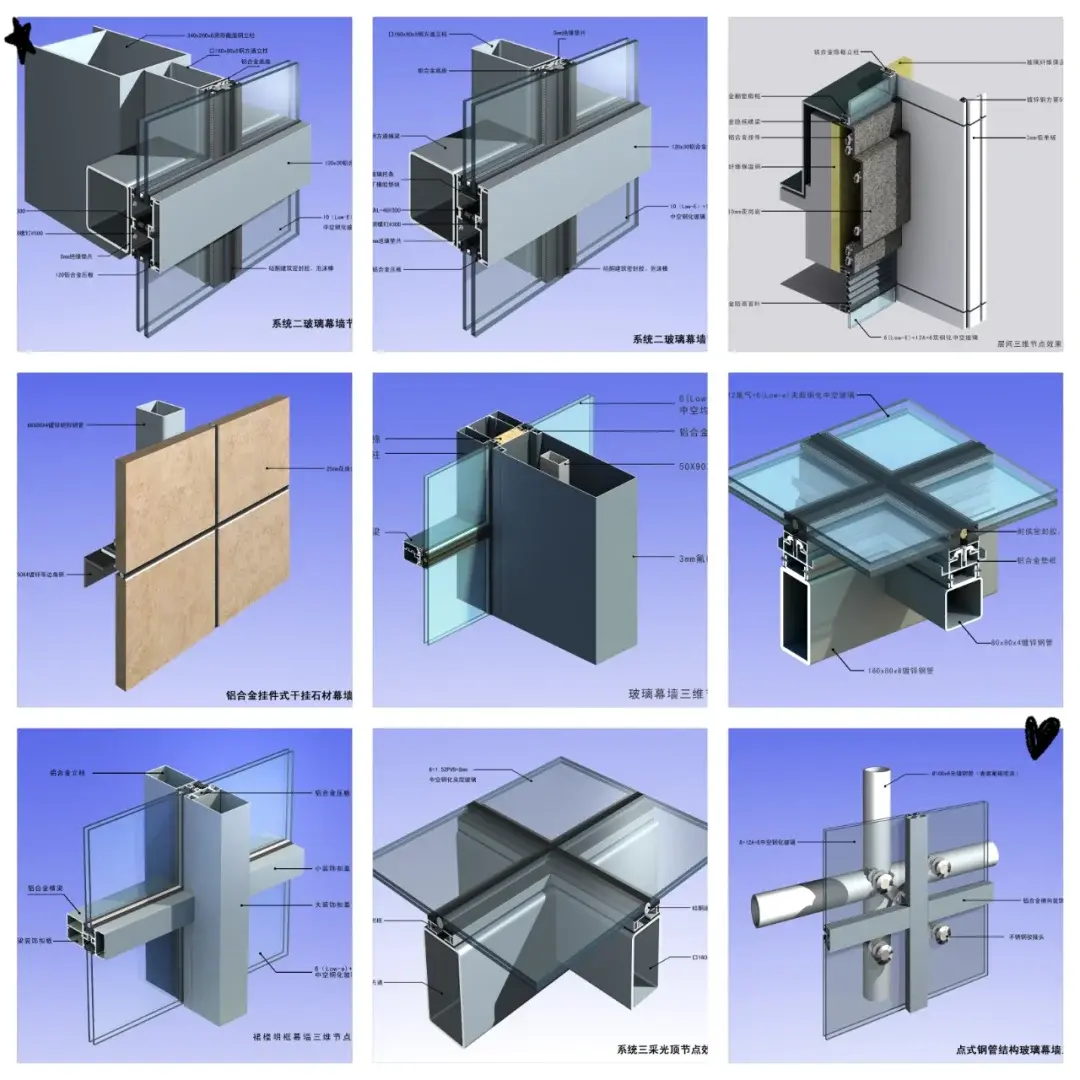
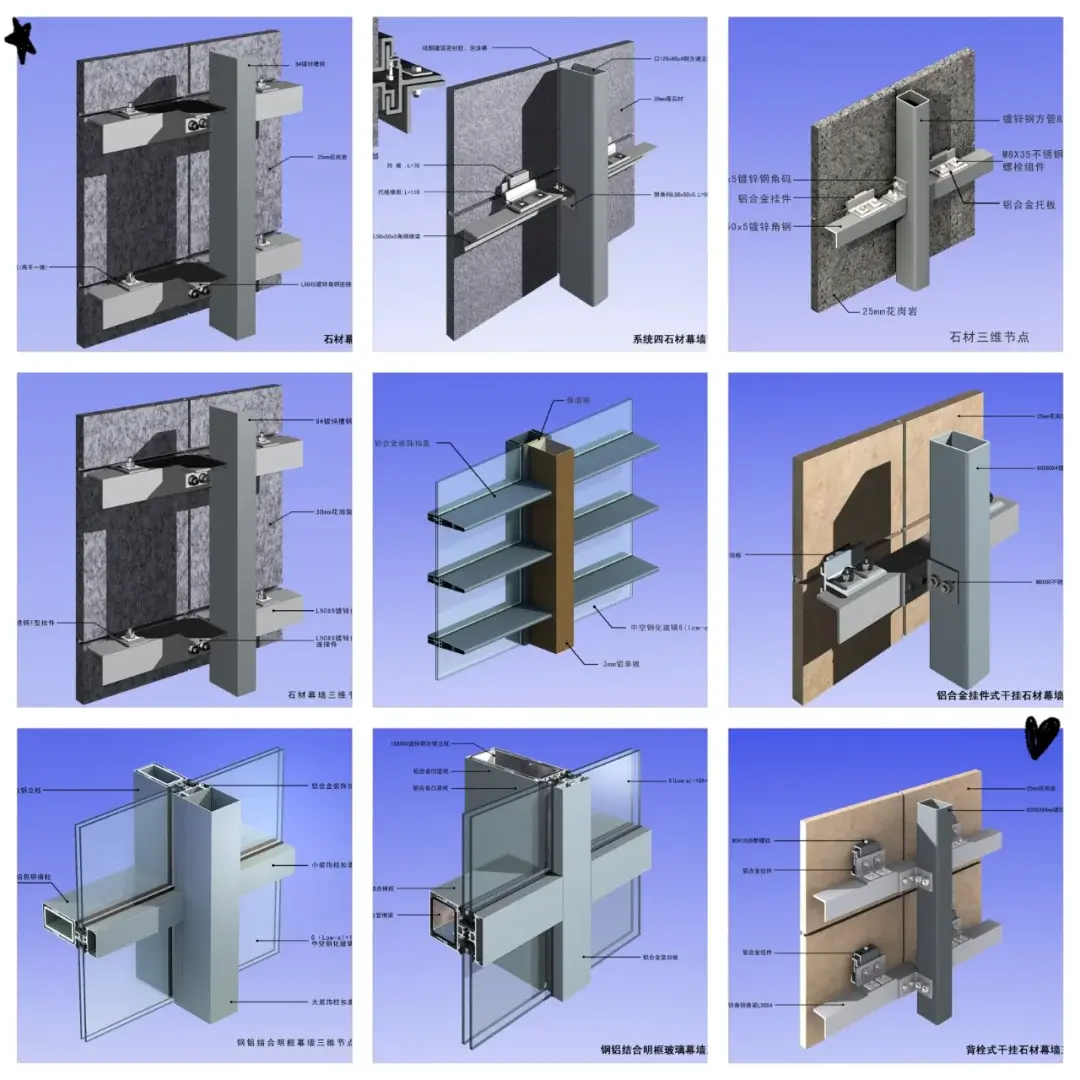
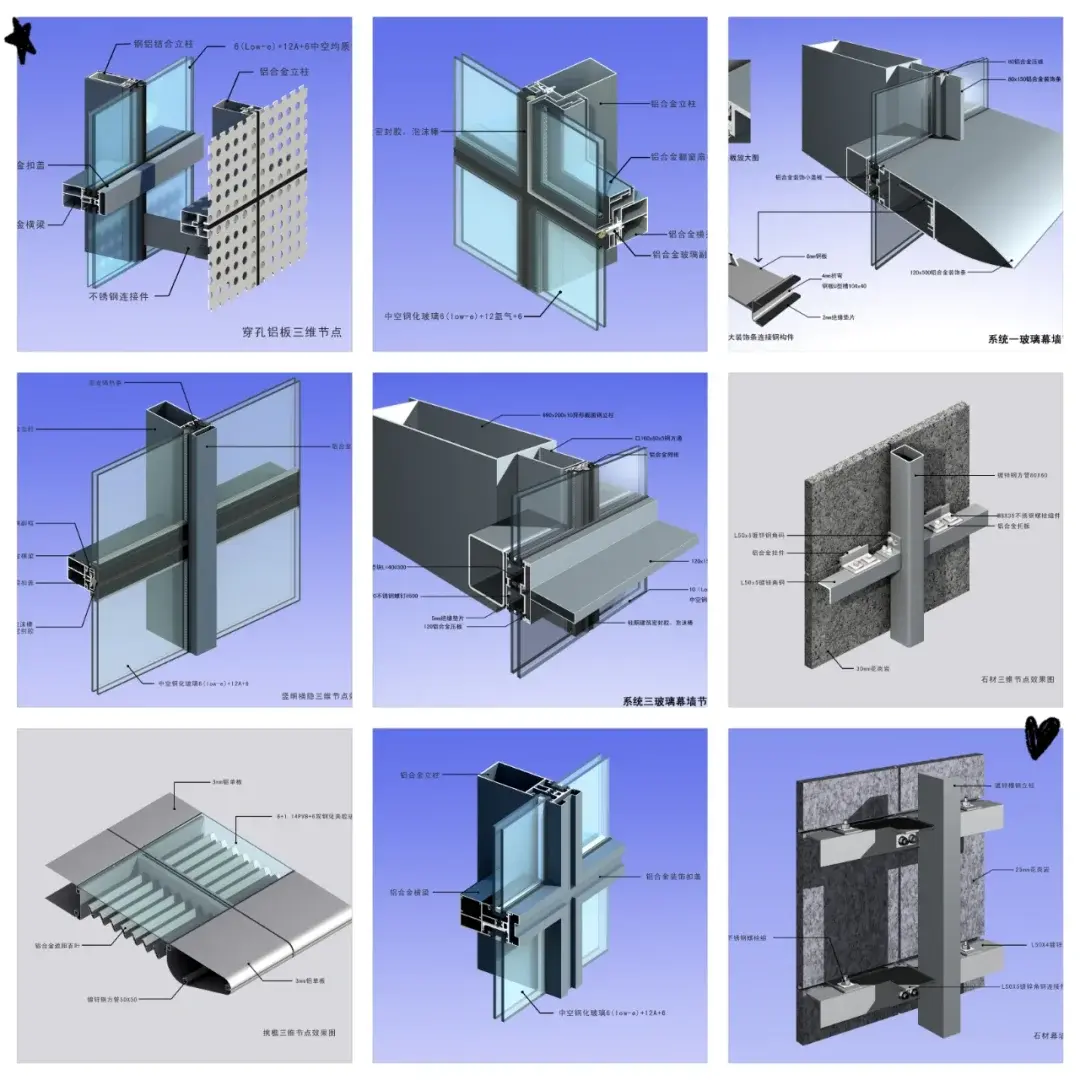
A curtain wall stick system consists of vertical framing members (mullions) and horizontal members (transoms) that are extruded from aluminium (typically 6063‑T5 or 6061‑T6). These components are cut to length, shipped to the project site, and then assembled piece by piece into a grid. Glass panels, spandrel panels, or other infills are then installed into the grid, and pressure plates and gaskets are applied to create a weather‑tight seal.
The “stick“ name comes from the individual lengths of aluminium profile that resemble sticks. The system relies on site fabrication: mullions are anchored to the building structure (floor slabs), transoms are connected between mullions, and the entire grid is weather‑sealed with silicone or EPDM gaskets. Thermal breaks (polyamide strips) are integrated into the aluminium profiles to prevent thermal bridging and condensation.
Modern curtain wall stick systems incorporate advanced features: pressure‑equalised chambers, weeps and drains, and dual (inner/outer) seals. They can accommodate double or triple insulating glass units (IGUs), spandrel glass, louvers, or opaque panels.
Key Advantages of Curtain Wall Stick Systems
Maximum design flexibility is the primary advantage. Because the system is assembled on site, you can accommodate complex geometries, sloping rooflines, curved walls, and irregular grids that would be impossible or very expensive with unitised systems. Mullion spacing and transom heights can be adjusted on the fly.
Lower capital investment for small to mid‑size projects. Stick systems do not require expensive factory assembly lines or specialised shipping frames. For projects under 5,000 m² of curtain wall area, stick‑built is often more cost‑effective than unitised.
Easier handling and transport. Individual aluminium sticks are typically 3‑6m long, easy to transport by truck. Glass panels are delivered separately. This is especially advantageous on congested urban sites with limited crane access.
Field adjustment capability. If the building structure has minor variations (out‑of‑square slabs, slight dimensional changes), the stick system can be adjusted on site by cutting or shimming. Unitised systems are much less forgiving.
Simplified replacement of damaged glass. In a stick system, a single glass panel can be removed and replaced without disturbing adjacent panels. In unitised systems, replacement often requires removing a full module.
Thermal and acoustic performance. High‑quality stick systems with 40‑60mm thermal breaks and double or triple glazing achieve U‑values of 1.0‑1.6 W/m²K and sound transmission class (STC) 35‑40.

Components of a Curtain Wall Stick System
Mullions (vertical members): Extruded aluminium with integrated thermal break, weep holes, and gasket grooves. They are anchored to floor slabs or spandrel beams.
Transoms (horizontal members): Similar to mullions but horizontal. They connect to mullions via shear blocks, expansion splines, or screw‑splined connections.
Glass infill: Insulating glass units (double or triple) with Low‑E coatings and argon fill. Edge seals are captured by pressure plates.
Pressure plates and caps: Aluminium or stainless steel plates that compress the gaskets against the glass, secured by screws. Decorative caps snap over the pressure plate.
Gaskets and sealants: EPDM or silicone glazing gaskets (dry glazing) or structural silicone (wet glazing). Weather seals prevent air and water infiltration.
Thermal breaks: Polyamide strips 20‑60mm wide, inserted into aluminium profiles to reduce heat transfer.
Drainage system: Weep holes and pressure‑equalised chambers allow any moisture that penetrates the outer seal to drain out.
Applications for Curtain Wall Stick Systems
High‑rise office buildings – the most common application, especially for towers up to 50 stories.
Mixed‑use and residential towers – allowing varied floor‑to‑floor heights and balcony integrations.
Low‑rise commercial buildings – cost‑effective for smaller footprints.
Architecturally complex buildings – curved, sloped, or faceted facades.
Renovation and retrofit – replacing existing windows or cladding with a modern curtain wall.
Frequently Asked Questions About Curtain Wall Stick Systems
Q: How does a stick system differ from a unitised system?
A: Stick systems are assembled piece‑by‑piece on site. Unitised systems are fully assembled in a factory and shipped as large modules (units) that interlock on site. Stick systems are more flexible and lower initial investment; unitised are faster to install and better for very tall buildings (above 50 stories) and harsh weather conditions.
Q: Is a stick system suitable for very tall buildings (over 50 stories)?
A: Yes, but with caveats. On very tall buildings, wind loads and thermal movement are significant. Stick systems can be engineered for these loads, but unitised systems are often preferred because they are less affected by onsite weather and provide faster installation. Hybrid systems also exist.
Q: How long does it take to install a stick curtain wall?
A: Installation speed depends on crane access, weather, and complexity. A typical rate is 200‑500 m² per week for an experienced crew. Unitised systems can achieve 500‑1000 m² per week but require more upfront planning.
Q: Can a stick curtain wall achieve Passivhaus levels of airtightness?
A: Yes, with careful detailing. Air infiltration of ≤0.05 cfm/ft² (0.25 L/s/m²) at 75 Pa is achievable using dual seals, pressure‑equalised chambers, and meticulous site installation. Many Passivhaus projects use stick systems.
Q: What is the typical lifespan of a stick curtain wall?
A: 30‑50 years for aluminium frames and seals. Glass and gaskets may need replacement earlier (20‑30 years). The aluminium structure itself can last much longer with proper maintenance. Stick systems are easier to repair than unitised because individual components can be replaced.
Design and Installation Considerations
When specifying a curtain wall stick system, work with an experienced engineer to determine wind loads, thermal movement, and structural deflections. Mullion spacing (typically 1.2‑1.5m) and glass thickness must be calculated. Thermal break width should be selected based on climate (40mm for cold climates, 25‑30mm for temperate). Site installation requires skilled labour, adequate crane time, and weather protection (the system is not watertight until fully sealed).
Conclusion
The curtain wall stick system remains a versatile, cost‑effective, and field‑adjustable solution for creating high‑performance building envelopes. Its design flexibility allows architects to realise complex geometries, while its component‑by‑component assembly makes it suitable for projects of all sizes. With proper engineering and installation, a stick curtain wall delivers decades of weather protection, thermal efficiency, and architectural beauty.
Cooperate With Hunan Haolv Building Materials Co., Ltd.
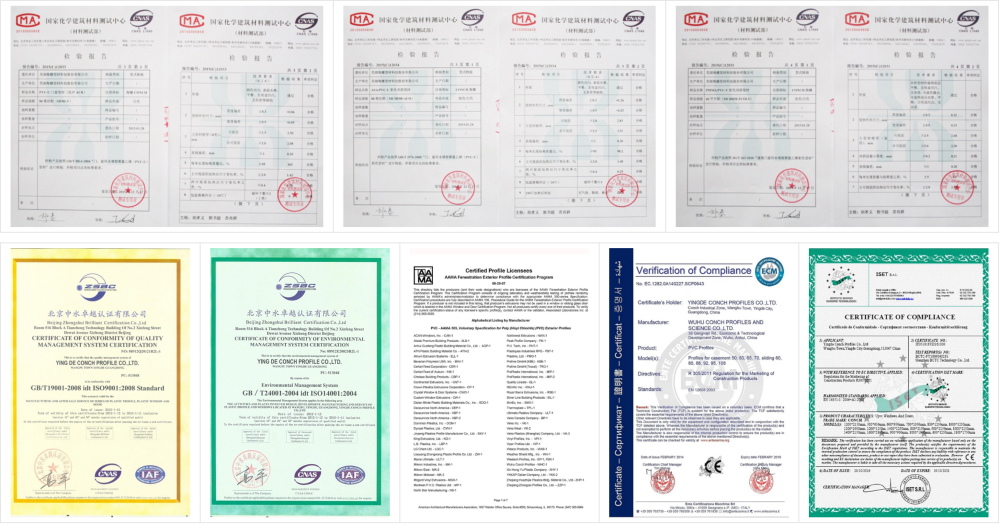
As a leading manufacturer of high‑performance aluminium extrusion systems, Hunan Haolv Building Materials Co., Ltd. brings over eighteen years of specialised expertise to the production of curtain wall stick system components. Our stick system profiles are extruded from premium 6063‑T5 aluminium with polyamide thermal breaks (20‑60mm), multi‑chamber designs, and precision gasket grooves. We offer any RAL powder‑coated finish, custom lengths, and engineering support for air/water/structural performance testing. Every profile undergoes rigorous ISO‑certified quality management. For detailed quotations, pricelist information, or to discuss your curtain wall project requirements, please contact us today at kristin@haolvwindows.com.

USER EVALUATE
Here is the customer's evaluation of us