




Custom Shaped Aluminum Windows Unleashing Architectural Creativity Without Compromise
Square and rectangular windows serve most purposes, but what if your design calls for an arch, a circle, a triangle, or a completely unique form? Custom shaped aluminum windows make any architectural vision possible. Using high‑strength aluminum extrusions and precision bending techniques, these windows deliver the same durability, thermal performance, and slim sightlines as standard windows – even in complex geometries. This comprehensive guide explores the design possibilities, engineering, and selection criteria for custom shaped aluminum windows.
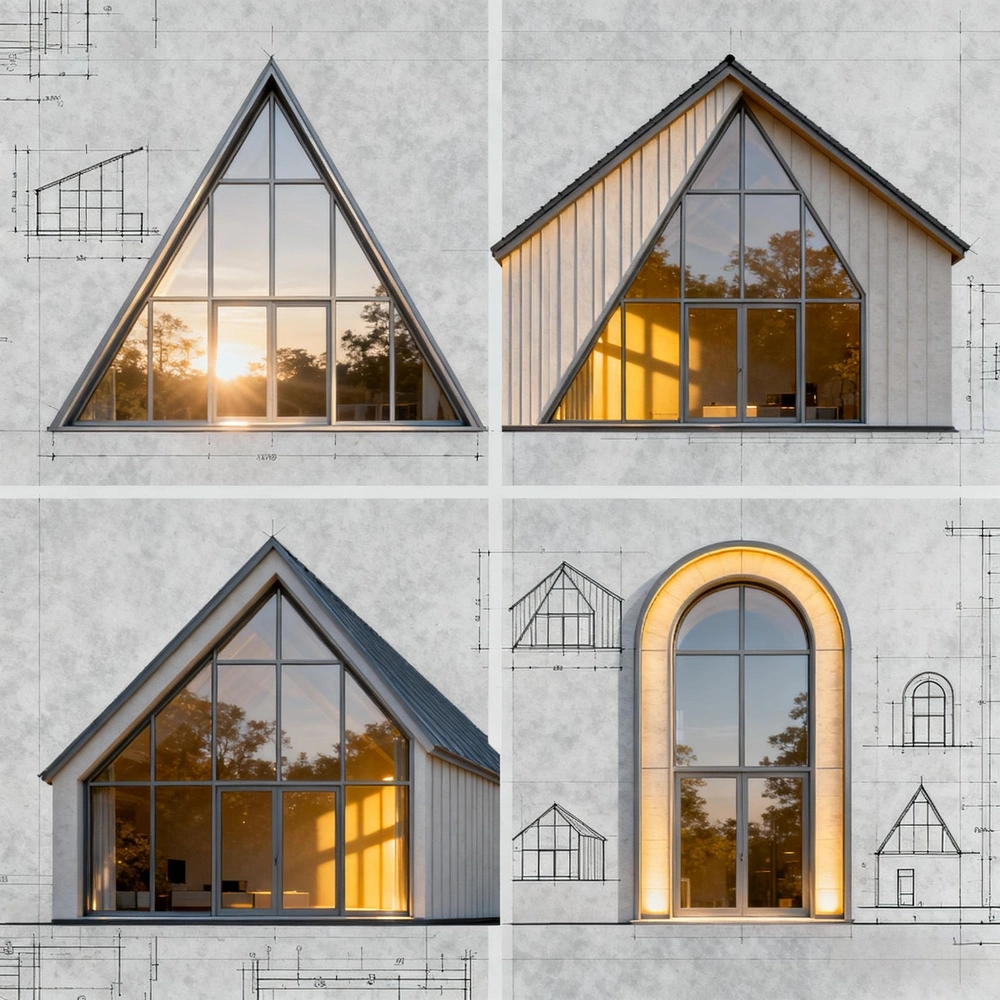
Understanding Custom Shaped Aluminum Windows
Custom shaped aluminum windows are manufactured to non‑standard geometries such as arches (segmental or full radius), circles, ovals, triangles, trapezoids, pentagons, hexagons, or completely free‑form designs. The frames are extruded from premium 6063‑T5 or 6061‑T6 aluminium alloy, chosen for its excellent strength, formability, and corrosion resistance.
Production methods vary by shape. For gentle curves (large radii), aluminium profiles can be roll‑formed or stretch‑formed to the desired curve. For tighter radii or complex shapes, profiles may be sectioned, mitred, and precision‑welded, or machined from solid aluminium. Modern custom shaped aluminum windows incorporate thermal break technology – a polyamide strip inserted between interior and exterior sections – to prevent heat transfer and condensation, making them suitable for all climates.
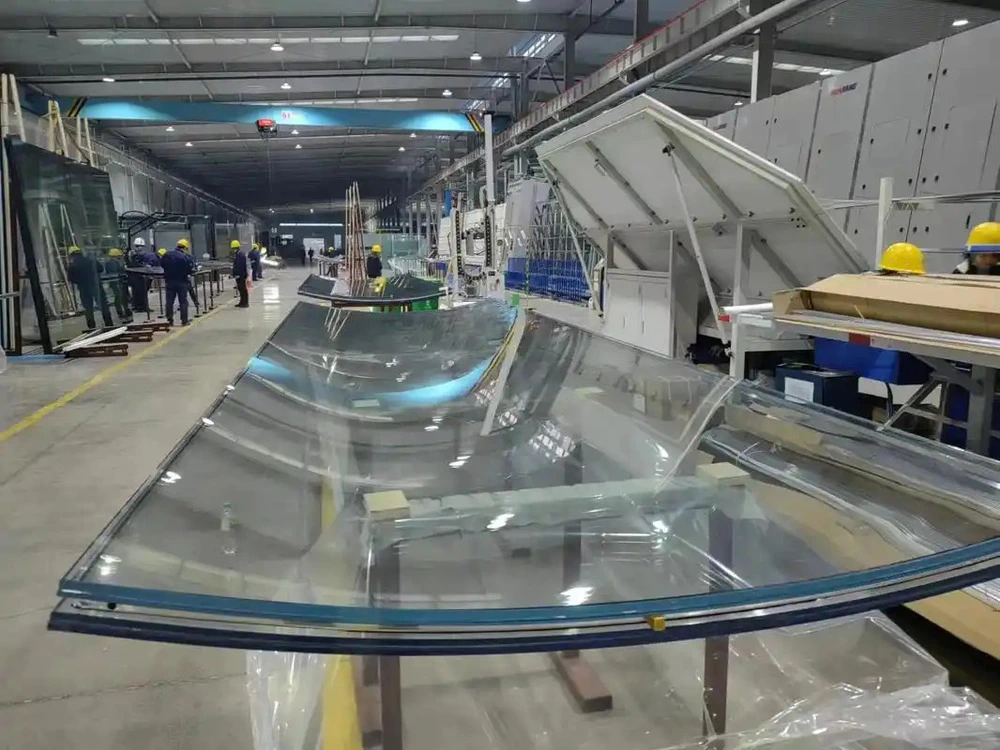
The glass is cut to match the frame geometry. For curved shapes, flat glass is heat‑bent to the required radius (minimum radius typically 200× glass thickness). Double or triple glazing is available, with curved spacer bars for insulating glass units. The result is a window that performs as well as any standard window while becoming a stunning architectural feature.
Key Advantages of Custom Shaped Aluminum Windows
Architectural distinction is the primary reason to specify custom shapes. An arched window above a front door, a circular window in a gable end, or a triangular window in a loft conversion creates visual interest that sets a building apart. These windows become signature features.
Uninterrupted design continuity. Custom shapes allow you to follow curved walls, vaulted ceilings, or circular turrets without compromising the building envelope. Aluminum’s strength keeps profiles slim even in curved forms, maximising glass area.
Natural light enhancement. Non‑rectangular shapes can direct light deeper into a room or create dramatic patterns of sunlight. A south‑facing arched window, for example, can act as a passive solar collector, capturing low‑angle winter sun while blocking high summer rays.
Heritage replication. Period homes often have unique window geometries that are no longer available off‑the‑shelf. Custom shaped aluminum windows can precisely replicate original designs, including putty‑line glazing and traditional sightlines, while adding modern energy efficiency and low maintenance.
Durability and low maintenance. Aluminium will not rot, warp, rust, or corrode. Powder‑coated finishes (any RAL colour) resist UV fading and require only occasional cleaning. Unlike timber, custom aluminum windows never need painting or sealing, even in complex shapes.
Thermal efficiency. With thermal break profiles and double/triple glazing, custom shaped aluminum windows achieve U‑values of 1.2–1.8 W/m²K – meeting modern energy codes even in non‑standard geometries.
Structural integrity. Aluminum’s high strength‑to‑weight ratio means curved frames can be engineered to withstand wind loads (DP‑40 to DP‑50) just like straight frames. Properly designed custom windows are as strong as standard ones.
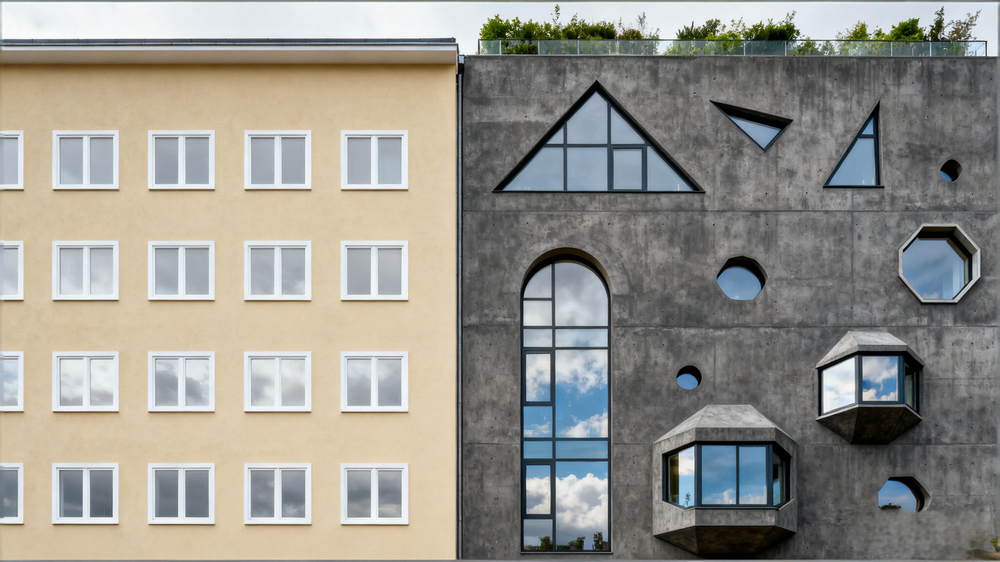
Design and Engineering Considerations
Minimum radius: For glass, the minimum bending radius should be at least 200 times the glass thickness (e.g., 6mm glass → 1200mm radius). Tighter radii require thicker glass and specialised bending.
Frame fabrication: Gentle curves use roll‑forming; tighter curves use sectioned‑and‑welded or CNC‑machined techniques. Each method affects cost and lead time.
Opening functionality: Most custom shaped windows are fixed (non‑operating) because adding hinges and hardware to complex shapes is challenging. However, arched windows can have an opening lower section; circular windows can be designed to pivot.
Glass type: Heat‑bent annealed glass is standard. Tempered curved glass must be bent first then tempered, increasing cost. Laminated curved glass is available for security.
Applications for Custom Shaped Aluminum Windows
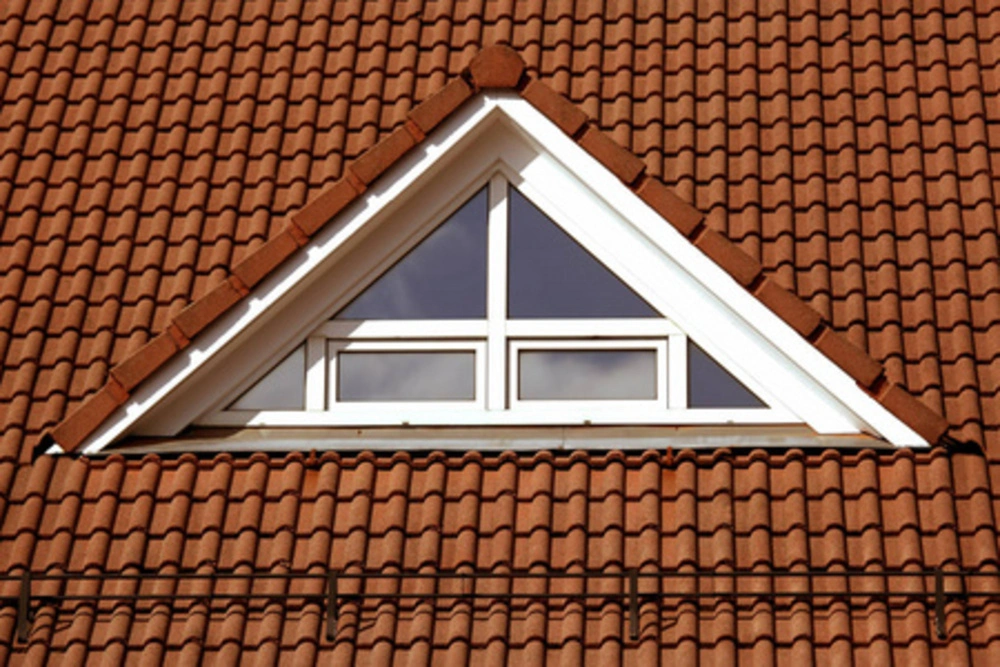
Residential architecture – arched windows over entrances, circular windows in stairwells, triangular windows in A‑frame homes, curved corner windows.
Heritage and conservation projects – replicating original historic window shapes with modern performance.
Commercial buildings – signature entries, atriums, museums, and retail storefronts.
Religious and civic buildings – churches, chapels, and town halls often feature arched or rose windows.
Frequently Asked Questions About Custom Shaped Aluminum Windows
Q: How much more expensive are custom shaped aluminum windows than standard rectangular ones?
A: Typically 50–150% more, depending on complexity. Simple arches cost less; tight‑radius circles or free‑form shapes cost more. The premium reflects specialised bending, custom tooling, and longer manufacturing time (6–12 weeks).
Q: What is the minimum radius for curved glass?
A: For 6mm glass, the recommended minimum radius is 1200mm. For 10mm glass, 2000mm. Tighter radii are possible with thicker glass and specialised processes but increase cost.
Q: Can custom shaped aluminum windows be double glazed?
A: Yes. Both panes must be curved to match, and the spacer bar is custom‑bent. This adds complexity but is available from specialised manufacturers.
Q: Do curved glass windows have optical distortion?
A: High‑quality heat‑bent glass has minimal distortion. Poorly bent glass can show waves or ripples. Specify glass from experienced benders and request samples.
Q: How do I clean a curved or non‑rectangular window?
A: Cleaning is similar to flat glass – use mild soap and a soft cloth. For upper‑floor custom shapes, professional access equipment may be needed. The shape does not significantly complicate cleaning.
Installation and Long‑Term Value
Professional installation is essential. The frame must be precisely aligned with the rough opening. For curved windows, custom‑shaped flashing and sealing are critical to prevent water infiltration. Installation requires specialised experience with non‑standard geometries.
Long‑term value includes increased property value from unique architectural character, modern energy efficiency, zero painting, and decades of durability.
Conclusion
Custom shaped aluminum windows give architects and homeowners the freedom to realise distinctive design visions without sacrificing performance. Arched, circular, triangular, or free‑form – each window is engineered to provide strength, thermal efficiency, and lasting beauty. For projects that demand something extraordinary, custom shaped aluminum windows are the answer.
Cooperate With Hunan Haolv Building Materials Co., Ltd.
As a leading manufacturer of high‑performance aluminium window systems, Hunan Haolv Building Materials Co., Ltd. brings over eighteen years of specialised expertise to the production of custom shaped aluminum windows. Our advanced capabilities include roll‑forming, sectioned welding, and CNC machining for arches, circles, triangles, and free‑form designs. We use premium 6063‑T5 aluminium with thermal break technology, heat‑bent double/triple glazing, and any RAL powder‑coated finish. Every custom window undergoes rigorous ISO‑certified quality management. For detailed quotations, design consultation, or to discuss your unique project requirements, please contact us today at kristin@haolvwindows.com.
USER EVALUATE
Here is the customer's evaluation of us