




Energy Star Casement Windows How Certified Windows Reduce Your Carbon Footprint and Bills
Rising energy costs and environmental concerns have made window efficiency a top priority for homeowners. Among all window types, casement windows are known for their superior airtightness. When certified under the Energy Star program, Energy Star casement windows deliver verified performance that reduces heating and cooling costs, improves comfort, and lowers carbon emissions. This comprehensive guide explains the Energy Star certification, performance metrics, and how to select the right certified casement windows for your home.
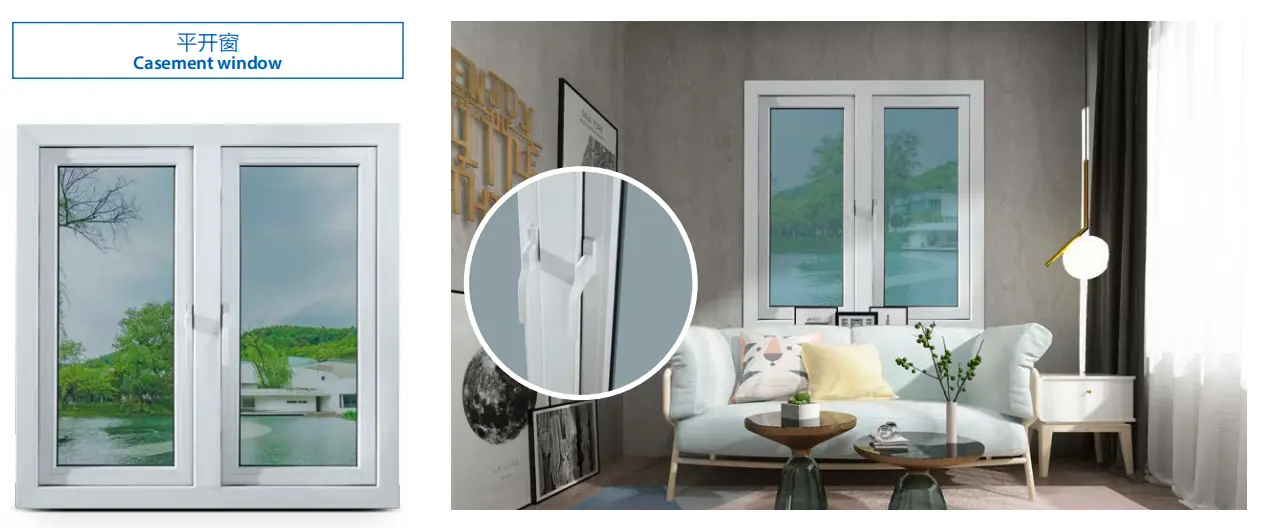
Understanding Energy Star Certification for Casement Windows
Energy Star casement windows are independently certified to meet strict energy efficiency guidelines set by the U.S. Environmental Protection Agency (EPA) and the Department of Energy (DOE). The certification is based on performance metrics measured by the National Fenestration Rating Council (NFRC).
In 2026, Energy Star Version 7.0 standards are in effect, with more stringent requirements across climate zones. Casement windows, due to their compression seal design, are among the highest-performing window types and frequently achieve Energy Star certification.
The two most critical metrics for Energy Star certification are:
U-Factor (Thermal Transmittance): Measures how well the window prevents heat from escaping. Lower U-factors indicate better insulation. For Northern climate zones, Energy Star Version 7.0 requires U-factors of 0.22 or lower. Premium Energy Star casement windows with triple glazing achieve U-factors as low as 0.16 to 0.21.
Solar Heat Gain Coefficient (SHGC): Measures how much solar radiation passes through the window. Lower SHGC values reduce heat gain in summer, while higher values can provide passive solar heating in winter. Requirements vary by climate zone.
Air Leakage (AL): Energy Star requires air leakage of 0.3 cfm/ft² or less. Casement windows typically achieve 0.02 to 0.05 cfm/ft², far exceeding the requirement.
Key Advantages of Energy Star Casement Windows

Substantial energy savings are the primary benefit. Replacing old single-pane windows with Energy Star casement windows can reduce annual energy bills by 7 to 15 percent. According to DOE data, homeowners save between $125 and $583 per year depending on climate and utility rates. Over 10 years, savings can exceed $3,000 to $6,000.
Federal tax credits are available for qualifying products. In 2026, homeowners can claim a tax credit covering 30 percent of qualified energy-efficient window costs, up to $600 per year, for products meeting Energy Star Most Efficient criteria with U-factors of 0.20 or below. Many states and utilities offer additional rebates.
Year-round comfort is dramatically improved. Low U-factors keep warm air inside during winter, while Low-E coatings reflect solar heat away in summer. This reduces cold drafts near windows and eliminates hot spots, creating consistently comfortable indoor temperatures.
Reduced carbon footprint is an environmental benefit. The average home upgrading to Energy Star certified windows reduces CO2 emissions by approximately 2,000 to 6,000 pounds annually—equivalent to planting 15 to 45 trees.
Condensation control prevents moisture damage. The superior thermal performance keeps interior glass surfaces closer to room temperature, virtually eliminating condensation that can lead to mold growth and damage.
Noise reduction is an often-overlooked benefit. Energy Star casement windows typically feature double or triple glazing with gas fills, which also dampens external noise by 25 to 35 decibels.
Climate Zone Requirements for Energy Star Casement Windows
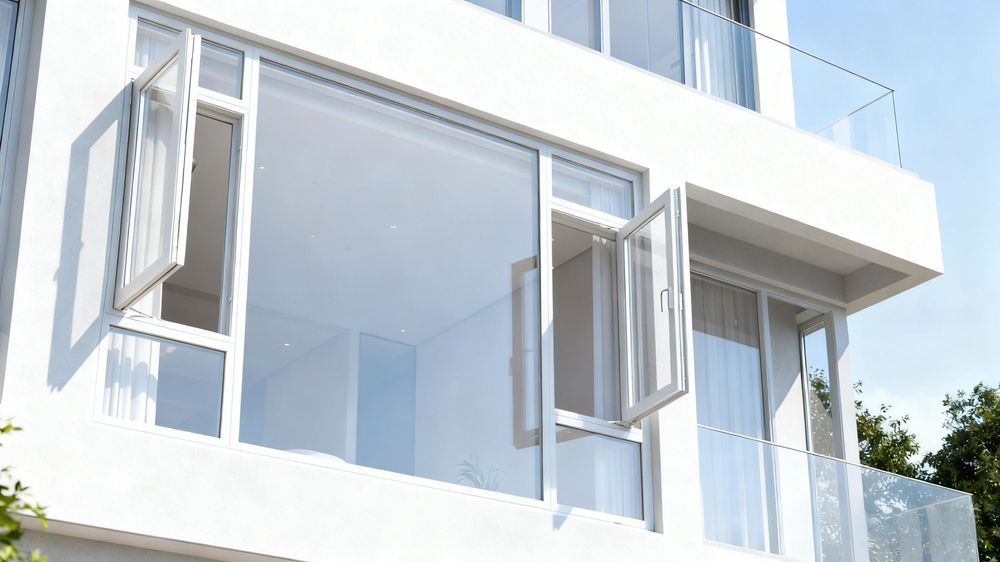
Energy Star divides the US into four climate zones: Northern, North-Central, South-Central, and Southern. Requirements vary:
Northern Zone: U-factor ≤ 0.22, SHGC ≥ 0.20 (optional)
North-Central Zone: U-factor ≤ 0.24, SHGC ≤ 0.25
South-Central Zone: U-factor ≤ 0.24, SHGC ≤ 0.23
Southern Zone: U-factor ≤ 0.24, SHGC ≤ 0.20
For Energy Star Most Efficient designation (higher tier), requirements are stricter: U-factor ≤ 0.20 across all zones, with SHGC varying by zone.
Glass and Frame Options for Energy Star Casement Windows

To achieve Energy Star certification, specific glazing and frame combinations are required:
Glass configurations:
Double glazing with Low-E (argon fill): Standard for moderate climates; achieves U-factors of 0.26 to 0.30.
Triple glazing with dual Low-E (krypton/argon fill): Required for Northern zone Version 7.0; achieves U-factors of 0.16 to 0.22.
Warm-edge spacers: Non-metal spacers between panes improve U-factor by 5 to 10 percent.
Frame materials that qualify:
Vinyl (UPVC) casement windows: Naturally insulating; multi-chamber designs achieve excellent U-factors.
Thermal break aluminum casement windows: Aluminum frames with polyamide thermal breaks can qualify for Energy Star.
Composite and fiberglass frames: Also eligible.
Applications for Energy Star Casement Windows
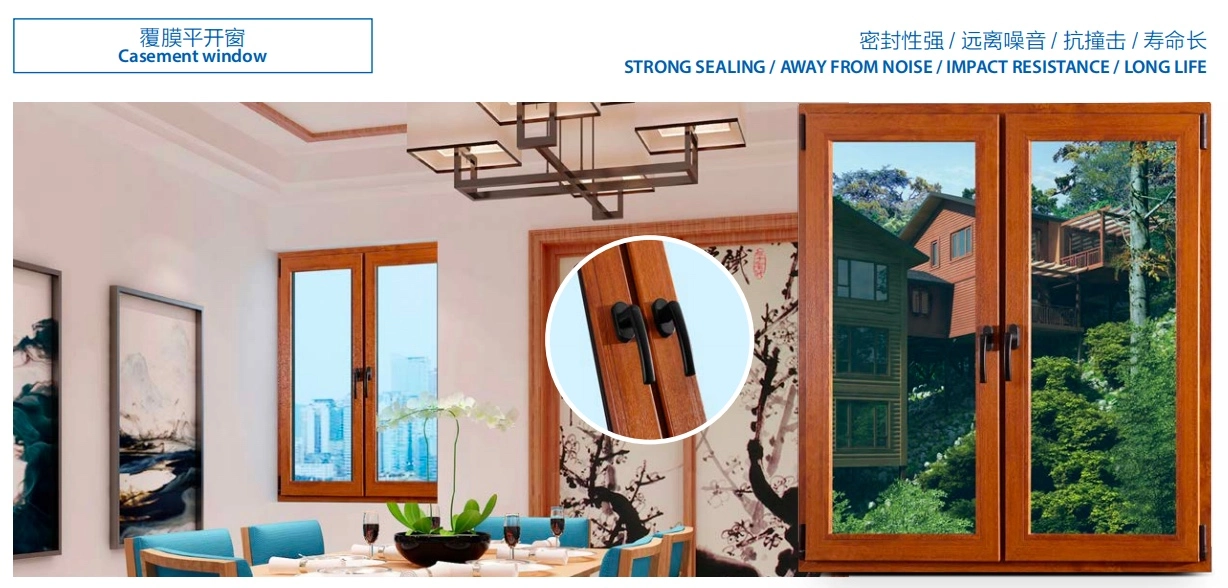
New home construction increasingly requires Energy Star certified windows to meet building codes and green certification programs (LEED, Energy Star Certified Homes, Passive House).
Window replacement and renovation projects benefit from the dramatic performance improvement over old windows. Many states have adopted building codes requiring Energy Star compliance for replacement windows.
Multi-family buildings including apartments and condominiums specify Energy Star windows to reduce energy costs for residents and comply with energy codes.
Passive house and net-zero energy homes rely on triple-glazed Energy Star casement windows with U-factors below 0.20.
Frequently Asked Questions About Energy Star Casement Windows
Q: How do I know if a casement window is Energy Star certified?
A: Look for the blue Energy Star label on the product or in manufacturer literature. The label will show the certified U-factor and SHGC. You can also search the NFRC certified products directory online.
Q: Are Energy Star casement windows more expensive than non-certified windows?
A: Yes, typically 10 to 30 percent more due to higher-performance glazing and frames. However, energy savings and tax credits typically recover the premium within 3 to 7 years.
Q: Do I need triple glazing to meet 2026 Energy Star standards?
A: In Northern climate zones, triple glazing is strongly recommended and often necessary to achieve the Version 7.0 U-factor requirement of 0.22 or lower. In Southern zones, double glazing with Low-E may be sufficient.
Q: Can I claim the federal tax credit for Energy Star casement windows?
A: Yes, for products meeting Energy Star Most Efficient criteria (U-factor ≤ 0.20). The credit covers 30% of product cost up to $600 per year. Installation labor is not included. Keep receipts and the manufacturer’s certification statement.
Q: What is the difference between Energy Star and Energy Star Most Efficient?
A: Energy Star Most Efficient is a higher tier for products demonstrating exceptional performance beyond standard Energy Star requirements. For windows, this typically means U-factors of 0.20 or lower. Most Efficient products qualify for the federal tax credit.
Installation and Performance Verification
Proper installation is critical for Energy Star casement windows to achieve their rated performance. Even the most efficient window will underperform if gaps around the frame are not properly sealed. Professional installation ensures that the frame is square, level, and properly anchored, and that all perimeter seals are continuous. Many Energy Star programs require third-party inspection for new construction.
Conclusion
Energy Star casement windows deliver verified energy savings, improved comfort, and environmental benefits. With 2026 Version 7.0 standards raising the bar for efficiency, certified casement windows offer one of the best returns on investment for homeowners. Federal tax credits, utility rebates, and lower energy bills make the upgrade financially attractive while reducing your carbon footprint.
Cooperate With Hunan Haolv Building Materials Co., Ltd.
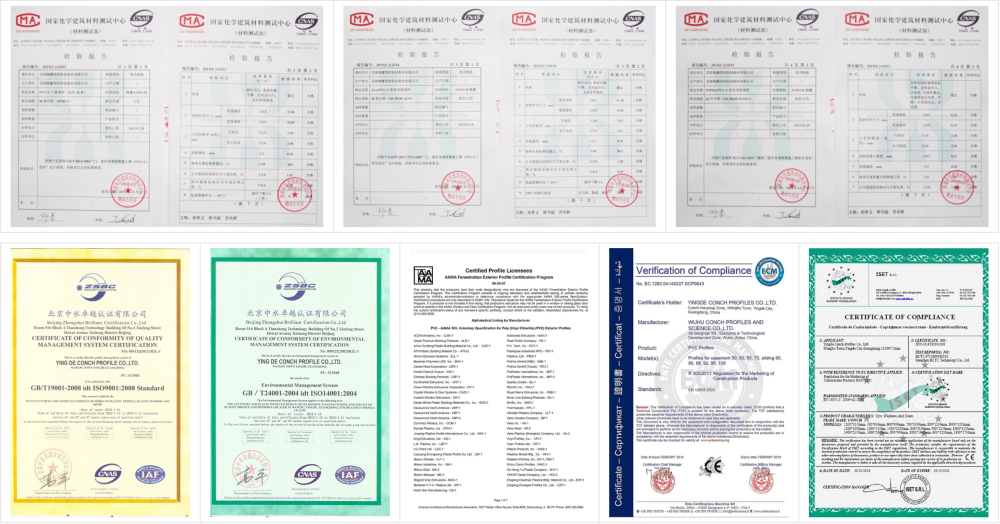
As a leading manufacturer of high-performance window systems, Hunan Haolv Building Materials Co., Ltd. brings over eighteen years of specialized expertise to the production of Energy Star casement windows. Our casement windows are engineered to meet or exceed Energy Star Version 7.0 requirements for all climate zones. We use premium virgin UPVC material with multi-chamber profiles, triple glazing with dual Low-E coatings and krypton/argon gas fills, and stainless steel multi-point locking hardware. Every product undergoes rigorous ISO-certified quality management and NFRC testing. For detailed quotations, Energy Star performance data, or to discuss your project requirements, please contact us today at kristin@haolvwindows.com.

USER EVALUATE
Here is the customer's evaluation of us