




Vinyl Slider Window The Affordable Low-Maintenance Choice for Easy Operation
For homeowners seeking a practical window that combines affordability, easy operation, and minimal upkeep, the vinyl slider window is an excellent choice. Operating horizontally on smooth tracks, these windows slide open with a gentle push, require no swing clearance, and provide unobstructed views. The vinyl construction delivers natural thermal insulation, resistance to rot and corrosion, and a clean white or colored finish that never needs painting. This comprehensive guide explores the features, benefits, and selection criteria for vinyl slider windows.

Understanding the Vinyl Slider Window
A vinyl slider window (also called a horizontal sliding vinyl window) consists of two or more sashes that slide horizontally within a frame extruded from multi-chambered UPVC (vinyl) profiles. The most common configuration includes two sashes: one fixed and one sliding. Three-track versions allow both sashes to slide or accommodate a screen.
The frame and sashes are manufactured from virgin UPVC material compounded with UV stabilizers, impact modifiers, and heat stabilizers. Multi-chambered profiles trap still air, providing natural thermal insulation with a thermal conductivity of approximately 0.16 W/mK—significantly better than aluminum. Steel reinforcement is inserted into the main chambers of the sliding sash and frame to provide structural rigidity, especially for larger sizes.
The sliding mechanism uses stainless steel or nylon roller assemblies mounted at the bottom of the moving sash. These rollers glide along a low-profile aluminum or stainless steel track. High-quality vinyl slider windows feature adjustable rollers that maintain smooth operation over decades. The fixed sash is permanently secured to the frame, while the sliding sash can be opened from either side on some designs (double-slider).
Key Advantages of Vinyl Slider Windows

Affordability is a major advantage. Vinyl slider windows typically cost 20 to 30 percent less than comparable casement windows and significantly less than wood or aluminum alternatives. The simpler hardware (no cranks or complex hinges) and efficient vinyl extrusion process keep costs low while delivering excellent performance.
Low maintenance is a standout feature. Vinyl never needs painting, sanding, or staining. It does not rot, warp, or corrode. The color is integral (for white) or co-extruded (for colors), so there is no peeling or flaking. Cleaning requires only mild soap and water. This makes vinyl slider windows ideal for rental properties, second homes, or homeowners who prefer a “fit and forget” solution.
Space-saving operation is inherent to all sliding windows. Because the sashes slide horizontally within the frame plane, they require no outward or inward swing clearance. This makes vinyl slider windows perfect for installations above kitchen counters, along narrow walkways, adjacent to patios, or in rooms where furniture placement would obstruct a swinging window.
Easy operation requires minimal effort. A gentle push slides the sash open or closed. This is particularly valuable for children, elderly residents, or anyone with limited mobility. No cranking or lifting is required. The smooth gliding action is maintained for decades with occasional lubrication.
Energy efficiency is achieved through multi-chambered vinyl profiles and double glazing. A vinyl slider window with double glazing, Low-E coating, and argon gas fill achieves U-values of 1.4 to 1.8 W/m²K. While slightly less efficient than casement windows due to the sliding seal, this still represents significant savings over old single-pane windows.
Noise reduction benefits from the multi-chambered frames and double glazing. External noise is reduced by 20 to 30 decibels, making vinyl slider windows suitable for homes in moderately noisy areas.
Wide availability of sizes and colors includes standard white, cream, beige, and popular dark colors like anthracite gray and black. Woodgrain laminates (oak, walnut) are also available for a traditional look.
Glass and Hardware Options for Vinyl Slider Windows
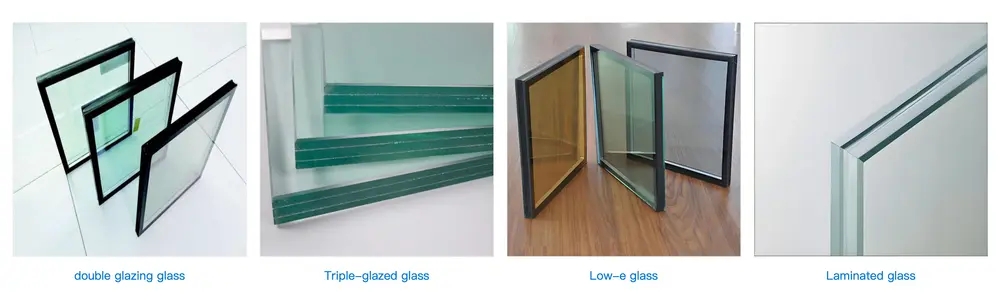
Glass configurations:
Double glazing (5mm+20A+5mm): Standard, with Low-E coating and argon gas fill.
Triple glazing (5mm+12A+5mm+12A+5mm): For colder climates or noise reduction.
Laminated glass: For security and sound reduction.
Tempered glass: Safety glazing required in many building codes.
Obscure glass: For bathrooms and privacy applications.
Hardware specifications:
Roller assemblies: Nylon or stainless steel; nylon operates more quietly, stainless steel lasts longer.
Multi-point locking: Typically 2 locking points per sliding sash; some models offer 3 points.
Flush or pull handles: Low-profile designs that do not protrude.
Anti-lift blocks: Prevent sash removal when locked.
Integrated insect screens: Retractable or sliding screens that fit flush with the frame.
Applications for Vinyl Slider Windows
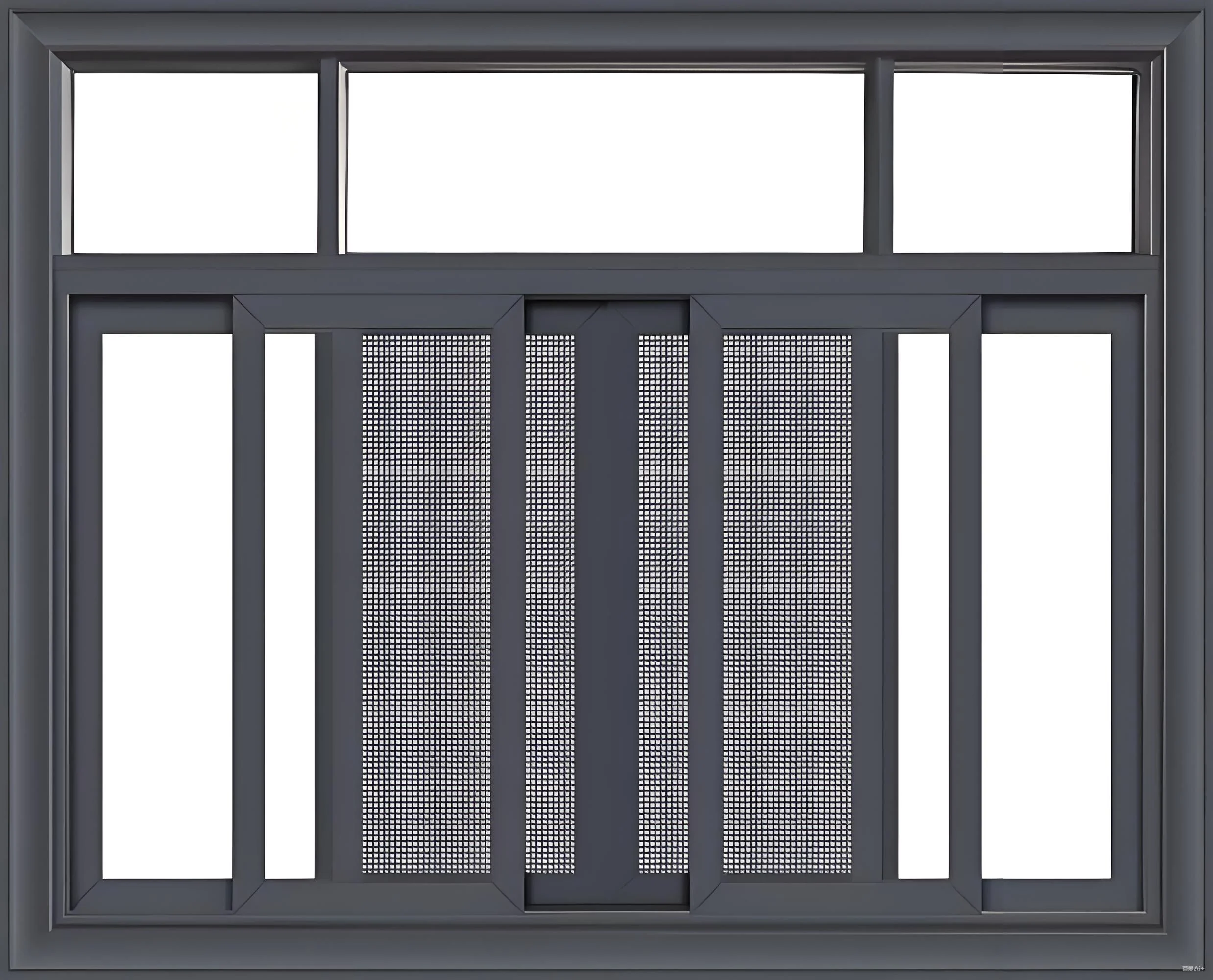
Residential homes use vinyl slider windows in living rooms, bedrooms, kitchens, and bathrooms. Their affordability makes them popular for entire home replacements.
Apartments and condominiums specify vinyl slider windows for their space-saving operation, low maintenance, and compliance with high-rise safety codes that restrict outward-opening windows.
Rental properties and multi-family housing benefit from the durability and low maintenance—tenants cannot damage the finish, and there are no cranks to break.
Commercial applications including small offices, clinics, and retail spaces use vinyl slider windows for their professional appearance and cost-effectiveness.
Frequently Asked Questions About Vinyl Slider Windows
Q: Are vinyl slider windows as energy efficient as casement windows?
A: No, casement windows have better airtightness because the sash compresses directly against the gasket. Vinyl slider windows typically achieve U-values of 1.4 to 1.8 W/m²K, compared to 1.1 to 1.6 for casements. The difference is modest and acceptable for many homeowners given the lower cost.
Q: Do vinyl slider windows require a lot of maintenance?
A: Very little. Clean frames and glass with mild soap and water. Lubricate tracks and rollers annually with silicone-based spray. The vinyl never needs painting. This is one of their biggest advantages.
Q: Can vinyl slider windows be installed in high-rise buildings?
A: Yes, they are suitable for high-rise applications. They comply with safety codes that restrict outward-opening windows. For taller buildings, specify models with steel reinforcement and higher wind load ratings (DP-40 or DP-50).
Q: Are vinyl slider windows secure?
A: Yes, modern vinyl slider windows include multi-point locking systems (typically 2 points) and anti-lift blocks. However, sliding windows are inherently less secure than casement windows because the locking mechanism is only on one side. For ground-floor installations, consider adding a secondary lock or security film on glass.
Q: What is the typical lifespan of a vinyl slider window?
A: With quality materials and proper installation, 25 to 35 years is realistic. The vinyl frame remains durable; rollers and weather seals may need replacement after 10 to 15 years. Proper lubrication extends roller life.
Installation and Long-Term Value
Professional installation is recommended for vinyl slider windows to ensure proper operation. The frame must be square, level, and properly anchored. The track must be level to allow smooth sliding. Proper flashing and sealing prevent water infiltration. Adjustable rollers should be calibrated after installation.
The long-term value of vinyl slider windows includes lower upfront cost, minimal maintenance, energy savings (compared to old windows), and improved home comfort. For budget-conscious homeowners or large replacement projects, they offer an excellent balance of cost and performance.
Conclusion
Vinyl slider windows offer an affordable, low-maintenance, and space-saving window solution for a wide range of homes and buildings. Their easy operation, durable vinyl construction, and decent energy efficiency make them a practical choice for bedrooms, living rooms, kitchens, and rental properties. While they may not achieve the ultimate airtightness of casement windows, their cost-effectiveness and simplicity are hard to beat.
Cooperate With Hunan Haolv Building Materials Co., Ltd.

As a leading manufacturer of high-performance UPVC window systems, Hunan Haolv Building Materials Co., Ltd. brings over eighteen years of specialized expertise to the production of vinyl slider windows. Our vinyl slider windows are manufactured using premium virgin UPVC material with multi-chamber profiles, steel reinforcement, stainless steel roller systems, and multi-point locking hardware. We offer double or triple glazing, Low-E coatings, any RAL color or woodgrain finish, and integrated insect screens. Every product undergoes rigorous ISO-certified quality management. For detailed quotations, pricelist information, or to discuss your specific project requirements, please contact us today at kristin@haolvwindows.com.

USER EVALUATE
Here is the customer's evaluation of us