




How Aluminum Glass Swing Door Improves Natural Light and Ambience?
Are your interior spaces feeling dark, cramped, and uninviting despite your best decorating efforts? Many homeowners and commercial property owners struggle with insufficient natural light penetration, creating gloomy environments that affect mood, productivity, and energy consumption. An aluminum glass swing door transforms these challenging spaces by maximizing daylight transmission through expansive glass panels, creating brighter atmospheres that enhance both functionality and aesthetic appeal while reducing reliance on artificial lighting throughout the day.
Understanding How Aluminum Glass Swing Doors Maximize Natural Light

The fundamental design principle behind aluminum glass swing door systems centers on maximizing transparent surface area while maintaining structural integrity and security. Unlike traditional solid doors that block light completely, these innovative entrance solutions incorporate extensive glazing that serves as transparent portals, allowing sunlight to penetrate deep into interior spaces. The slim aluminum profiles supporting the glass create minimal visual obstruction, ensuring maximum light transmission efficiency that can dramatically transform previously dark corridors, entryways, and transition spaces into bright, welcoming areas. Modern aluminum glass swing door manufacturing utilizes advanced engineering that balances strength with transparency. The 6063-T5 aluminum alloy frames provide exceptional structural support without requiring bulky profiles that would compromise the glass-to-frame ratio. This aerospace-grade material withstands significant weight while maintaining slim sightlines, typically ranging from 70mm to 80mm in profile width. The result is a door system where glass comprises the majority of the visible surface area, creating what designers call "transparency maximization" that fundamentally changes how natural light interacts with your architectural spaces. The orientation and placement of aluminum glass swing door installations significantly impact their light-enhancing capabilities. South-facing installations in the Northern Hemisphere receive abundant direct sunlight throughout most daylight hours, making them ideal candidates for maximizing natural illumination. East-facing doors capture beautiful morning light that gradually brightens interior spaces as the day begins, while west-facing installations provide afternoon and evening light that extends the natural lighting period. Even north-facing aluminum glass swing door placements contribute valuable diffused daylight that provides consistent, shadow-free illumination throughout the day without the harsh contrasts associated with direct sun exposure.
The Science Behind Glass Performance in Swing Door Applications
The glass specifications integrated into aluminum glass swing door systems directly determine their light transmission characteristics and overall performance. Standard double glazing configurations, such as the 5+20A+5 setup featuring two 5mm glass panes separated by a 20mm air cavity, provide excellent clarity while maintaining thermal efficiency. This configuration allows approximately 70-80% of visible light to pass through, depending on glass coatings and treatments applied. The air cavity between panes creates thermal insulation without significantly compromising light transmission, delivering energy efficiency alongside brightness enhancement. Advanced glazing options further optimize natural light characteristics in aluminum glass swing door installations. Low-emissivity coatings, commonly known as Low-E glass, selectively filter infrared radiation while permitting visible light wavelengths to pass through freely. This technology reduces unwanted heat gain during summer months and minimizes heat loss during winter, all while maintaining high visible light transmittance levels that preserve the door's illumination benefits. Triple glazing configurations offer even greater thermal performance for extreme climates, though they typically reduce light transmission by approximately 10-15% compared to double glazing due to the additional glass layer and air spaces.
The color and tinting options available for aluminum glass swing door glazing present important considerations for balancing light transmission with privacy, glare control, and aesthetic preferences. Clear glass maximizes light penetration, making it ideal for applications where brightness is the primary concern. Frosted or textured glass options provide privacy while still permitting substantial light transmission, typically allowing 60-75% of light through while obscuring clear views. Tinted glass reduces glare and heat gain in spaces with intense sun exposure, though it also decreases overall light transmission by 20-40% depending on tint darkness. Strategic selection of glass types allows designers to customize aluminum glass swing door performance for specific application requirements and user preferences.
Architectural Integration Strategies for Maximum Light Enhancement
Successful integration of aluminum glass swing door systems requires thoughtful consideration of surrounding architectural elements that either complement or compromise their light-enhancing capabilities. Adjacent wall colors significantly impact how effectively natural light disperses throughout interior spaces. Light-colored walls in neutral tones like white, cream, or pale gray reflect incoming sunlight, effectively multiplying the illumination provided by the aluminum glass swing door. Dark wall colors absorb light, reducing the overall brightening effect and requiring more careful planning to achieve desired illumination levels. Ceiling heights and configurations interact dramatically with aluminum glass swing door installations to determine light penetration depth. Standard 8-foot ceilings limit how far natural light travels into interior spaces, as light enters horizontally and quickly encounters upper surface boundaries. Higher ceilings, particularly those reaching 10-12 feet or more, allow light to reflect off ceiling surfaces and illuminate areas much farther from the door itself. Vaulted or cathedral ceilings provide exceptional light distribution characteristics, enabling aluminum glass swing door installations to brighten spaces extending 20-30 feet from the entrance point. Floor planning and furniture arrangement strategies maximize the benefits provided by aluminum glass swing door installations. Open floor plans without interior partition walls allow light to flow freely throughout connected spaces, creating bright environments that extend well beyond the immediate door vicinity. Strategic furniture placement avoids blocking light pathways, ensuring that sofas, shelving units, and other tall objects don't create shadow zones that diminish the door's illumination contribution. Reflective surfaces like mirrors, glass tabletops, and polished floors amplify the light-enhancing effects of aluminum glass swing door systems by redirecting and multiplying incoming daylight throughout the space.
Energy Efficiency and Cost Savings Through Natural Light Optimization

The substantial energy efficiency benefits delivered by aluminum glass swing door installations extend far beyond simple aesthetic improvements, generating measurable cost savings that justify initial investment while supporting environmental sustainability goals. Natural daylight reduces dependence on artificial lighting systems during daytime hours, directly lowering electricity consumption for illumination purposes. Commercial facilities can realize particularly dramatic savings, as lighting typically accounts for 15-20% of total energy consumption in office buildings and retail spaces. Residential applications also benefit significantly, with households potentially reducing lighting energy use by 30-50% in spaces served by properly installed aluminum glass swing door systems. The thermal performance characteristics of modern aluminum glass swing door constructions contribute additional energy savings through reduced heating and cooling requirements. Thermal break technology integrated into aluminum profiles prevents heat transfer through the frame material, addressing what historically represented a significant weakness in metal door systems. The polyamide insulating strips separating interior and exterior aluminum sections create a thermal barrier that maintains comfortable interior temperatures while minimizing HVAC energy consumption. Combined with high-performance glazing featuring Low-E coatings and appropriate air cavity widths, contemporary aluminum glass swing door systems achieve impressive U-values often comparable to insulated wall sections.
Quantifying the Financial Returns of Natural Light Integration
Property value appreciation represents another significant financial benefit associated with aluminum glass swing door installations that enhance natural light availability. Real estate market research consistently demonstrates that homes and commercial properties featuring abundant natural light command premium prices compared to similar properties with limited daylight access. The bright, open atmosphere created by strategically placed aluminum glass swing door systems makes spaces feel larger, more inviting, and more desirable to potential buyers or tenants. This perceived and actual quality improvement translates directly into higher property valuations and faster sales cycles when properties enter the market. The health and productivity benefits linked to increased natural light exposure generate indirect but substantial economic value for commercial property owners and operators. Research published in workplace environment studies indicates that employees working in naturally lit environments demonstrate 15-18% higher productivity levels compared to those relying primarily on artificial lighting. This productivity enhancement stems from improved alertness, reduced eye strain, and better circadian rhythm regulation facilitated by natural light exposure. For commercial facilities, the productivity gains enabled by aluminum glass swing door installations that flood workspaces with daylight can far exceed the initial installation costs within just a few years of operation.
Maintenance cost reductions represent an often-overlooked financial advantage of aluminum glass swing door systems compared to traditional solid door alternatives. The powder-coated aluminum frames resist corrosion, fading, and weather damage that plague painted wood and steel doors, virtually eliminating refinishing requirements throughout their service life. The durable glass panels resist scratching and maintain clarity for decades with minimal cleaning maintenance. Hardware components featuring stainless steel construction and precision engineering deliver smooth, reliable operation year after year without the adjustments, repairs, or replacements frequently required by lower-quality door systems. These long-term durability characteristics reduce total ownership costs while maintaining the door's appearance and light transmission performance throughout extended service periods.
Aesthetic Enhancement and Ambience Creation with Glass Swing Doors
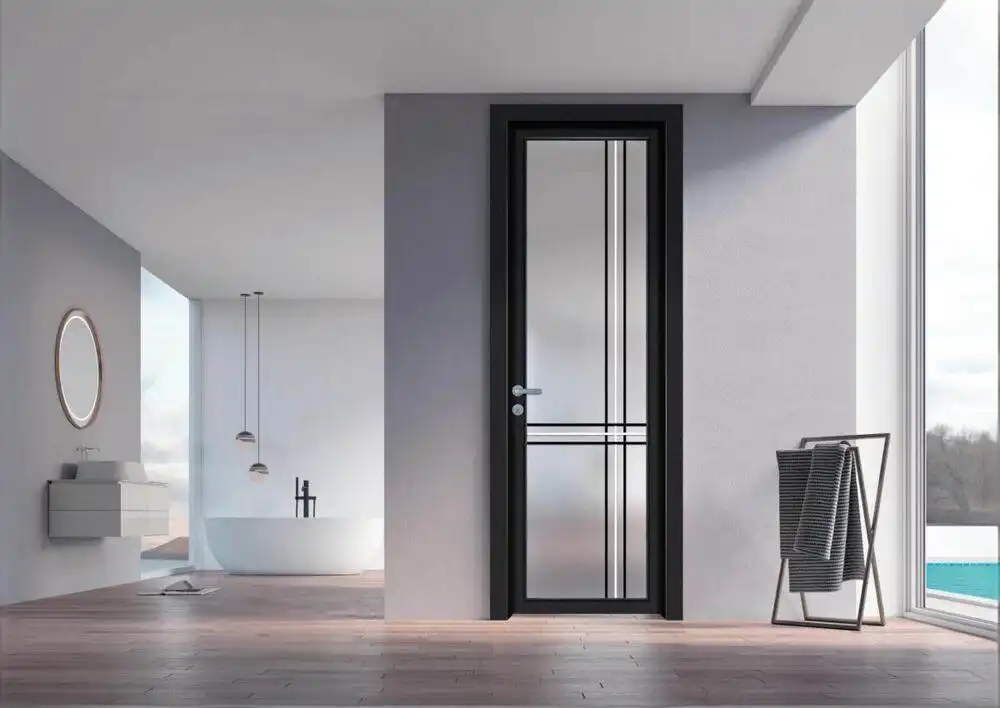
Beyond their practical illumination functions, aluminum glass swing door installations fundamentally transform architectural aesthetics by creating visual connections between spaces while maintaining functional separation. The transparency characteristic enables sight lines that extend through multiple rooms or from interior spaces to outdoor areas, generating a sense of openness and spatial continuity that solid doors cannot achieve. This visual permeability makes spaces feel larger and more connected, an especially valuable characteristic in compact urban residences, apartments, and commercial facilities where actual square footage may be limited but perceived spaciousness significantly impacts user satisfaction and comfort. The clean, modern aesthetic associated with aluminum glass swing door systems appeals to contemporary design sensibilities while remaining sufficiently neutral to complement various architectural styles. The slim aluminum profiles create crisp lines and geometric precision that harmonize beautifully with minimalist, industrial, and modern design philosophies. Simultaneously, the glass transparency and frame simplicity avoid overwhelming traditional or transitional interior designs, allowing the door to serve its function without dominating the visual landscape. This aesthetic versatility makes aluminum glass swing door systems appropriate for diverse applications ranging from luxury residential villas to professional office environments and retail establishments.
Color, Finish, and Customization Options for Design Integration
The wide range of aluminum finish options available for glass swing door systems enables precise aesthetic coordination with existing architectural elements and design schemes. Powder coating technology provides durable, long-lasting color that resists fading, chipping, and weather damage while offering virtually unlimited color possibilities. Standard options typically include classic colors like white, black, champagne gold, and various gray tones that suit most design contexts. Custom RAL color matching enables exact coordination with specific brand colors, architectural palettes, or unique design visions, ensuring the aluminum glass swing door perfectly complements its surrounding environment rather than appearing as an afterthought addition. Hardware selection represents another critical aesthetic consideration that influences the overall appearance and character of aluminum glass swing door installations. Handle styles range from minimalist lever designs with clean geometric forms to more substantial grip handles that make bold design statements. Finish options for hardware typically include polished chrome, brushed stainless steel, matte black, and antique bronze, among numerous other possibilities. The coordination between frame color, glass selection, and hardware finish creates a cohesive design package that enhances rather than detracts from the overall aesthetic vision. High-quality hardware also provides superior tactile feedback and operational smoothness that contributes to the premium feel associated with well-executed aluminum glass swing door installations.
Glass customization options extend beyond simple clear or frosted choices, offering sophisticated design possibilities that balance privacy, light transmission, and decorative impact. Frosted glass patterns can incorporate custom designs, company logos, or decorative motifs that personalize the door while maintaining its functional characteristics. Tinted glass in subtle hues adds color accents without overwhelming the space, while graduated tinting provides maximum transparency at eye level with increased privacy in lower panels. Laminated glass options offer enhanced security and sound insulation alongside their safety benefits, making them appropriate for commercial applications and high-security residential installations where protection concerns complement aesthetic considerations.
Practical Applications Across Residential and Commercial Settings

Residential applications of aluminum glass swing door systems span numerous locations throughout homes, each offering distinct benefits aligned with specific functional requirements and design goals. Main entry doors featuring extensive glazing create impressive first impressions while flooding entry foyers with welcoming natural light. The security features integrated into quality aluminum glass swing door systems, including multi-point locking mechanisms and tempered safety glass, ensure that the transparency doesn't compromise protection. Patio and garden access points benefit tremendously from glass swing door installations that blur the boundaries between indoor and outdoor living spaces, creating seamless transitions that expand usable living areas and enhance connections with nature. Interior applications of aluminum glass swing door systems within residential properties create sophisticated space divisions that maintain visual and light continuity while providing functional separation. Home offices benefit from the ability to close doors for sound privacy and concentration while remaining visually connected to household activities. Bedroom suites gain privacy when needed without feeling isolated from the rest of the home. Kitchen-to-dining transitions become elegant architectural features that permit cooking activities while maintaining social connection with dining areas. These interior applications demonstrate how aluminum glass swing door technology adapts to diverse functional requirements while consistently delivering natural light enhancement and aesthetic refinement.
Commercial Applications and Business Benefits
Office environments represent particularly advantageous applications for aluminum glass swing door systems due to the combined productivity, energy efficiency, and aesthetic benefits they deliver. Conference rooms equipped with glass swing doors maintain visual transparency that prevents the isolated, closed-off feeling associated with solid doors while providing acoustic separation when closed. Executive offices balance privacy with accessibility, allowing leaders to remain visibly present while controlling interruptions. Reception areas make powerful first impressions on clients and visitors when outfitted with elegant aluminum glass swing door installations that communicate professionalism, modernity, and attention to quality. Retail establishments leverage aluminum glass swing door systems to maximize visibility, foot traffic, and customer engagement. The transparency invites passersby to view merchandise displays and interior design elements that attract interest and encourage store entry. The smooth operation and premium appearance of quality aluminum glass swing door hardware creates positive initial impressions that set expectations for the shopping experience. Security features become especially important in retail applications, where the door must balance welcoming openness during business hours with robust protection during closed periods. Multi-point locking systems and tempered safety glass address these dual requirements effectively.
Hospitality facilities including hotels, restaurants, and event venues utilize aluminum glass swing door installations to create flowing, connected spaces that enhance guest experiences. Hotel lobby areas benefit from the elegant transitions these doors enable between reception, lounge, and dining zones. Restaurant private dining rooms gain flexibility through glass doors that can remain open during quiet periods to maintain visual connection with main dining areas, then close to create intimate private spaces for special events. The durability and low maintenance characteristics of aluminum glass swing door systems prove especially valuable in high-traffic hospitality environments where appearance must remain pristine despite constant use.
Installation, Maintenance, and Long-Term Performance Considerations

Professional installation represents a critical factor determining the long-term performance, appearance, and satisfaction delivered by aluminum glass swing door systems. The precision required for proper alignment, weather sealing, and hardware adjustment exceeds typical DIY capabilities, making qualified installation by experienced technicians an essential investment. Professional installers possess the specialized tools, knowledge, and experience necessary to ensure the door operates smoothly, seals effectively, and meets manufacturer specifications that maintain warranty coverage. The relatively modest cost of professional installation proves worthwhile when considering the expense of correcting installation errors or addressing premature failures resulting from improper setup. Pre-installation site preparation requirements vary depending on whether the aluminum glass swing door replaces an existing door or occupies a new opening in new construction or renovation projects. Existing door openings may require modification to accommodate different frame dimensions, particularly when replacing solid doors with glass swing door systems that often feature slimmer profiles and different structural support requirements. New openings must meet specific dimensional tolerances and include appropriate structural headers capable of supporting the door weight, which can reach 80-120 kilograms for large glass door assemblies. Proper rough opening preparation ensures the finished installation achieves the precise fit necessary for optimal appearance and performance.
Maintenance Requirements and Performance Preservation
The minimal maintenance requirements associated with aluminum glass swing door systems represent a significant advantage compared to wood or steel door alternatives that demand regular refinishing and rust prevention treatments. Routine maintenance primarily involves simple cleaning procedures that preserve the door's appearance and transparency without requiring special products or professional services. Frame cleaning with mild soap and water removes accumulated dirt and atmospheric pollutants, while glass cleaning follows standard window cleaning procedures using commercial glass cleaners or simple vinegar-water solutions. The powder-coated aluminum finish resists staining and requires no protective treatments beyond basic cleaning, maintaining its original appearance for decades without refinishing. Hardware maintenance focuses on ensuring smooth operation and preventing premature wear through simple lubrication procedures performed at regular intervals. Hinges benefit from light oil application once or twice annually, which prevents squeaking and maintains effortless swing operation. Lock mechanisms require occasional lubrication with graphite powder or specialized lock lubricants to ensure smooth key operation and reliable security performance. Handle mechanisms should operate without binding or excessive effort, and any developing issues should be addressed promptly through minor adjustments rather than allowing problems to worsen. These straightforward maintenance procedures preserve the premium operation and appearance that characterize quality aluminum glass swing door installations.
Weather sealing inspection and maintenance prove especially important for exterior aluminum glass swing door installations that face direct exposure to rain, wind, and temperature extremes. The weather stripping integrated into the door frame and threshold creates a continuous barrier against air and water infiltration when the door closes properly. Over time, these sealing components may compress, deteriorate, or become damaged, compromising their effectiveness and requiring replacement to maintain energy efficiency and weather protection. Regular visual inspection of weather sealing combined with simple tests like holding tissue paper near the closed door on windy days helps identify compromised seals before they create significant problems. Replacement weather stripping typically installs easily and costs very little compared to the energy waste and potential water damage that compromised seals permit.
Technical Specifications and Performance Standards

Understanding the technical specifications that define aluminum glass swing door performance helps buyers make informed selections aligned with their specific requirements and expectations. Frame construction begins with the aluminum alloy grade, with 6063-T5 representing the industry standard for architectural applications. This specific alloy formulation balances strength, corrosion resistance, workability, and surface finish characteristics in proportions optimized for door applications. The T5 temper designation indicates specific heat treatment that develops mechanical properties ideal for structural components subject to regular stress from opening and closing operations. Alternative alloys and tempers occasionally appear in lower-cost products but typically compromise long-term durability and performance consistency. Profile dimensions and configuration significantly impact both the structural performance and aesthetic appearance of aluminum glass swing door systems. Series designations like 70 Series and 80 Series refer to the frame width in millimeters, with larger dimensions generally indicating greater strength, better thermal performance, and capacity to accommodate larger or heavier glass panels. The 70 Series suits most standard residential and light commercial applications, while 80 Series systems provide additional strength for larger openings, commercial installations, or applications requiring maximum thermal performance. Profile designs incorporate multiple chambers that enhance structural rigidity and thermal insulation while maintaining slim visible sightlines that maximize glass area.
Glass Performance Characteristics and Safety Standards
The glass specifications integrated into aluminum glass swing door assemblies must satisfy multiple performance criteria encompassing safety, energy efficiency, sound insulation, and optical quality. Tempered safety glass represents the minimum acceptable standard for door applications, providing both strength and safety characteristics essential for this high-impact application. The tempering heat treatment process creates surface compression stresses that increase the glass strength approximately four times compared to standard annealed glass while causing it to fracture into small, relatively harmless granules rather than dangerous shards if breakage occurs. Building codes universally require tempered glass for door applications, making it a non-negotiable specification rather than an optional upgrade. Laminated glass options provide enhanced security and safety performance beyond standard tempered glass capabilities, making them appropriate for high-security applications or locations where forced entry resistance represents a priority concern. The laminated construction bonds two glass layers with a plastic interlayer, typically polyvinyl butyral, that holds fragments together if the glass breaks. This construction prevents the glass from being easily penetrated even after impact damage, significantly increasing the time and effort required for forced entry. The plastic interlayer also provides superior sound insulation compared to standard glass constructions, reducing noise transmission by 30-40% depending on interlayer thickness and configuration. These enhanced performance characteristics justify the cost premium laminated glass commands for appropriate applications.
Insulating glass unit construction determines the thermal performance delivered by aluminum glass swing door assemblies. The air space width between glass panes significantly influences insulating effectiveness, with 16-20mm representing optimal dimensions that balance thermal resistance with overall unit thickness. Narrower air spaces provide insufficient insulating capacity, while wider spaces permit convective air circulation that reduces thermal efficiency. The gas filling this cavity can be upgraded from standard air to argon or krypton, which provide superior insulating characteristics due to their lower thermal conductivity. Low-E coatings applied to interior glass surfaces selectively reflect infrared radiation while transmitting visible light, dramatically improving thermal performance while maintaining transparency and brightness.
Conclusion
Aluminum glass swing door installations deliver transformative improvements in natural light availability, energy efficiency, and aesthetic sophistication across residential and commercial applications. Their combination of expansive transparency, structural durability, and minimal maintenance requirements creates long-term value that justifies initial investment while enhancing daily living and working environments.
Cooperate With Hunan Haolv Building Materials Co., Ltd.

Partner with Hunan Haolv Building Materials Co., Ltd., a leading China aluminum glass swing door manufacturer with over 18 years of specialized expertise. As a trusted China aluminum glass swing door supplier, we offer comprehensive customization capabilities, one-stop product solutions, and deep material selection advantages through our CONCH partnership. Our China aluminum glass swing door factory provides wholesale aluminum glass swing door options, competitive aluminum glass swing door price structures, detailed aluminum glass swing door pricelist, and custom aluminum glass swing door quotation services. Request your bulk aluminum glass swing door inquiry and free consultation today at kristin@haolvwindows.com. Bookmark this resource for future reference when planning your next project.
References
1. Chen, J., Wang, L., & Zhang, M. (2023). "Energy Performance Analysis of Aluminum-Framed Glass Door Systems in Commercial Buildings." Journal of Building Engineering and Sustainable Development.
2. Thompson, R. & Williams, K. (2022). "Natural Daylight Optimization Through Architectural Glazing Systems." International Journal of Architectural Science and Technology.
3. Rodriguez, A., Park, S., & Kim, H. (2024). "Thermal Break Technology in Modern Aluminum Window and Door Applications." Materials Science and Engineering Quarterly.
4. Anderson, P. (2023). "The Impact of Natural Light on Indoor Environmental Quality and Human Well-being." Building and Environment Research Review.
5. Martinez, C. & Liu, Y. (2022). "Comparative Analysis of Frame Materials for High-Performance Glazed Door Systems." Construction Technology and Innovation Journal.

USER EVALUATE
Here is the customer's evaluation of us