




How Tilt and Turn Casement Windows Improve Indoor Ventilation?
The unique dual-operation system in tilt and turn casement windows combines both tilting and turning functions, which completely changes the way air flows inside. These flexible windows improve air flow by letting controlled airflow when turned inward from the top. This keeps drafts from happening while keeping the air flow steady. When turned all the way in, they let the most air flow through for quick cooling. The better design lets you precisely control the quality of the air inside, which makes these windows especially useful for businesses and homes that need to handle airflow well and save energy.
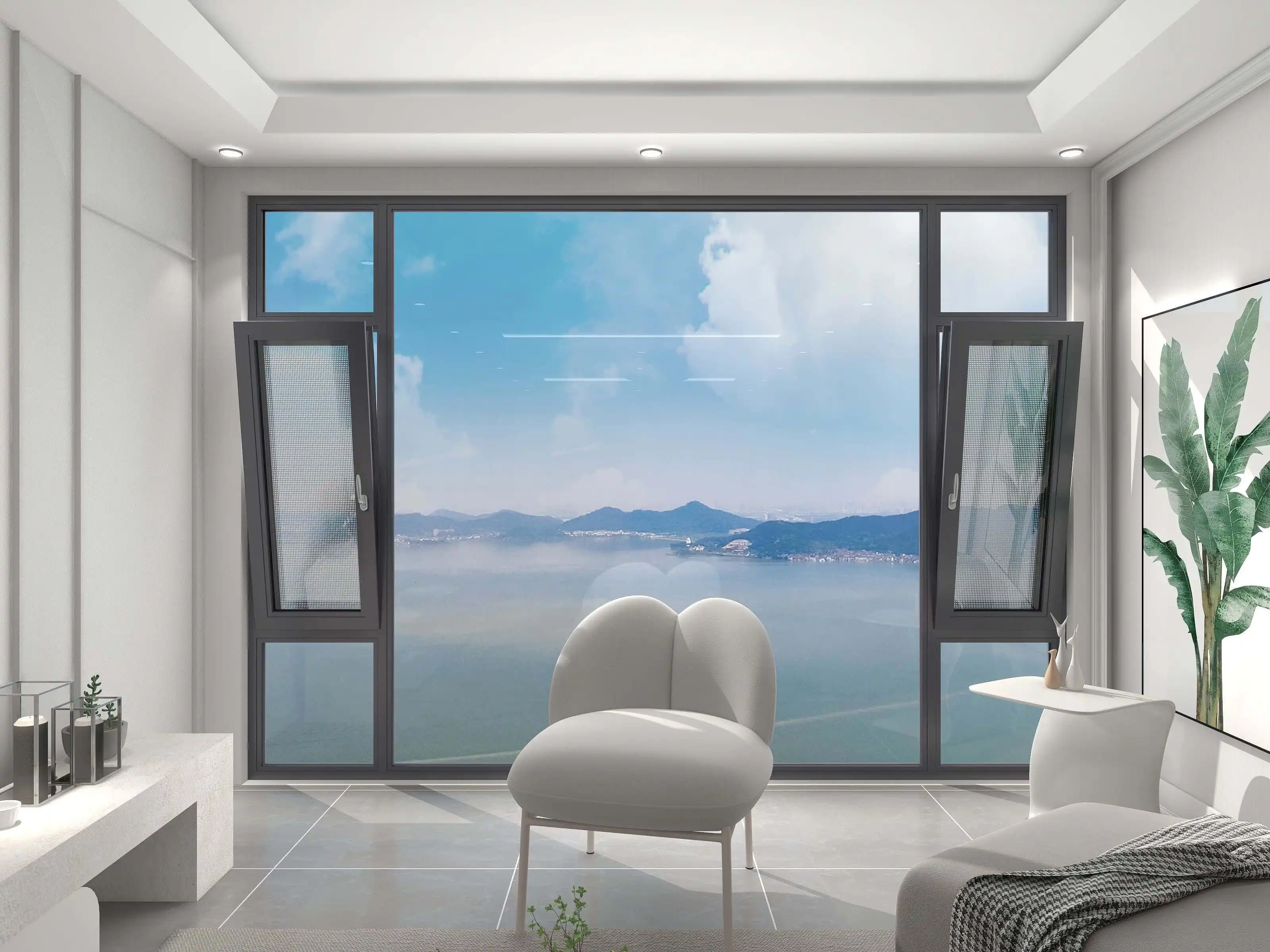
Understanding Tilt and Turn Casement Windows
Modern building design calls for window options that are useful, energy-efficient, and aesthetically pleasing. The dual-action system of these unique windows is a big step forward in building air technology. They can be used in a wide range of situations, from homes to businesses.
The Mechanical Innovation Behind Dual-Function Design
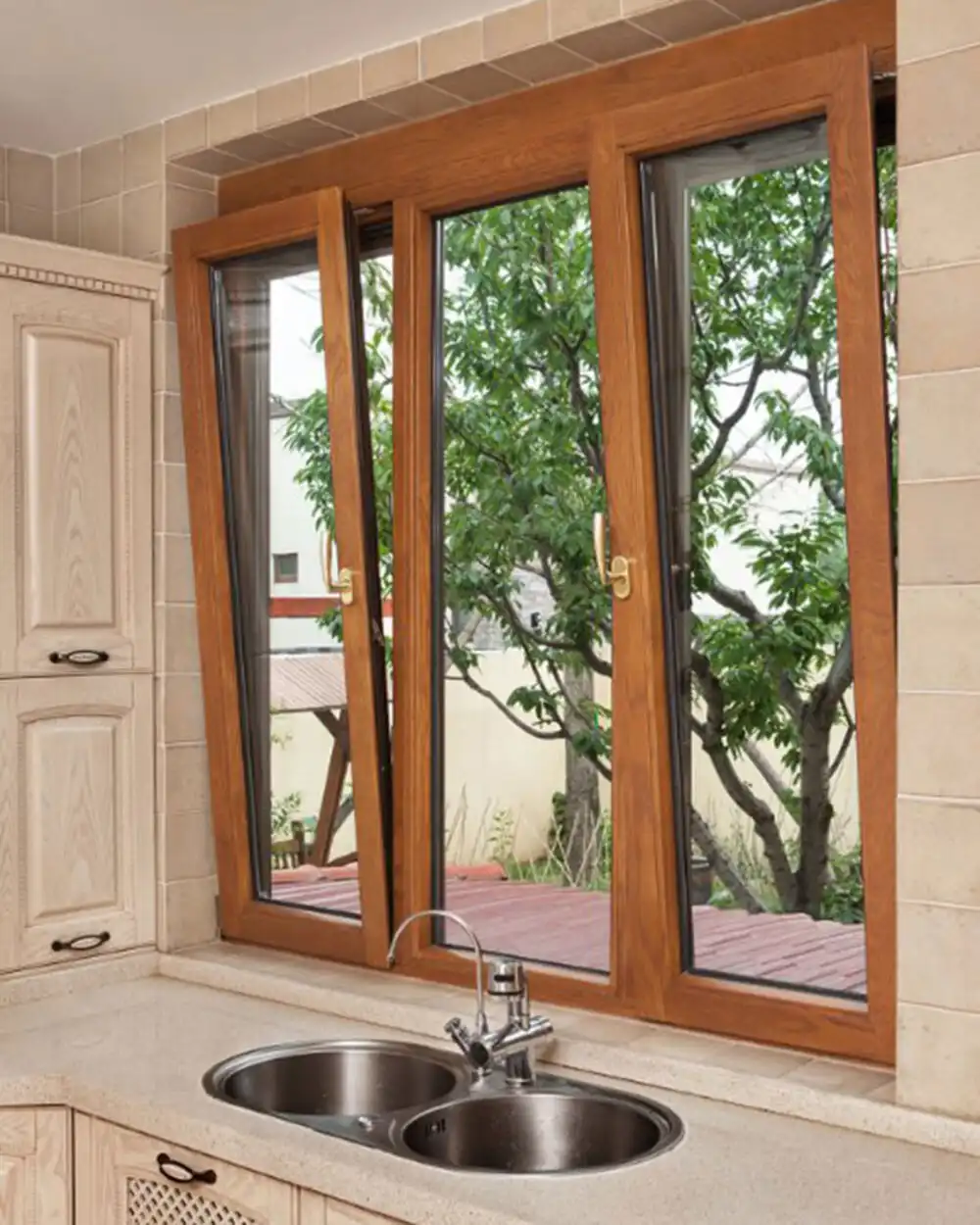
One of the best things about tilt and turn casement windows is their complex hardware system, which lets you open them in two different ways with just one handle. When the handle is turned to the tilt position, the window opens from the top inward, making a safe gap that lets air flow while keeping the window safe and protected from the weather. When the handle is turned to the "turn" position, the whole sash can swing inward like a normal casement window. This gives you the most opening space for air flow or emergency exit. Because they can open in two different ways, these windows are different from regular casement, sliding, or double-hung windows, which only give one way to open. The carefully designed hardware system has weather covers, multi-point locking mechanisms, and strengthened hinges that keep the structure strong in both modes of operation. The end result is a window system that can change to meet the needs of air during different seasons and weather.
Frame Material Options and Climate Adaptability
The frame material has a big effect on how well tilt and turn windows work and how long they last in different climates. Aluminum frames are very long-lasting and don't need much upkeep, which makes them perfect for business settings where long-term performance is important. Modern metal frames have thermal break technology that stops heat from moving. This keeps the energy economy high even when temperatures change a lot. In addition to being cost-effective, UPVC frames are great at keeping heat in and are especially good for homes where energy saving is important. After decades of use, these frames will still look good and work properly because they don't rust, bend, or fade. Traditional wood frames look nice and naturally insulate, but they need more upkeep when it's hot or the weather is really bad. Composite materials take the best qualities of several different materials and mix them to make them stronger, more insulating, and more resistant to weather. How you choose the right frame materials depends on the needs of the project, such as the temperature, building rules, energy saving goals, and upkeep issues.
Benefits of Tilt and Turn Casement Windows for Indoor Ventilation
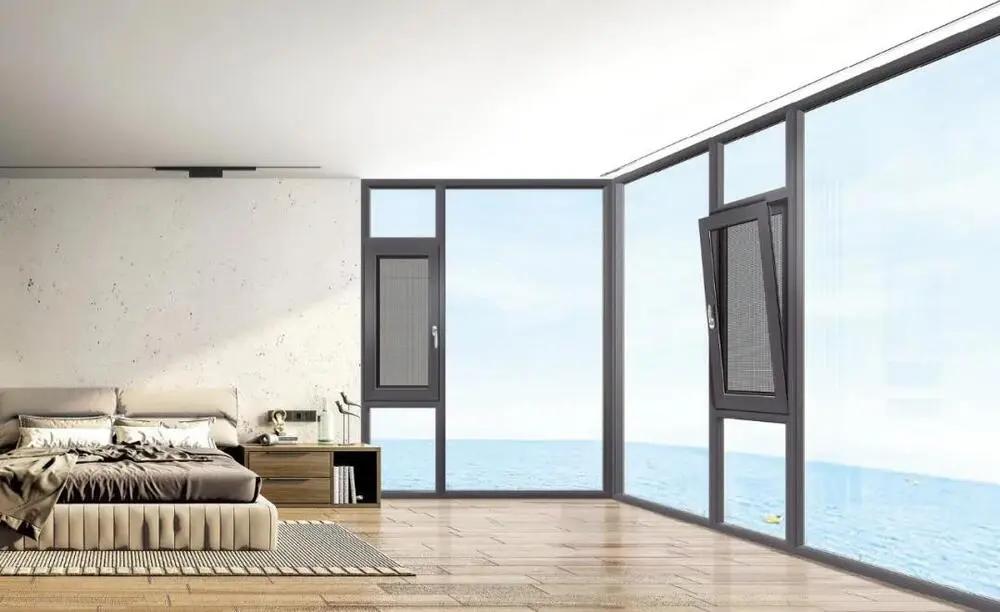
Dual-opening systems are very flexible, which means they can be used in a lot of different ways to improve indoor air quality while still being energy efficient and comfortable for people. When buying workers know about these benefits, they can make choices that are in line with building efficiency goals and environmental goals.
Controlled Airflow Management
In the tilt position, the window lets in soft, controlled air flow, which keeps drafts that are common with older window designs at bay. In this state, the chimney effect pulls old air out through the top hole while natural gaps in the building shell or other venting sources let in new air. The controlled airflow rate helps keep the temperature inside stable and makes sure there is enough air flow for healthy settings inside. When the weather isn't too bad, the tilt mode can run all the time without putting security or weather protection at risk. The slope of the hole naturally sheds rain while letting air flow, so air flow can be kept up even when it's raining lightly. This feature is especially useful in business buildings where stable air quality is important for work and machine performance.
Energy Efficiency Through Smart Ventilation Control
How well and how much it costs to run an HVAC system depend on how well and precisely you can control the flow. When the weather is nice, building managers can lower the need for artificial ventilation by using the tilt mode for background ventilation. The different levels of ventilation let natural cooling methods work, which means that air conditioning doesn't have to work as hard during slack seasons. When windows are shut, the multi-point locking system and full weather closing make the building very secure and stop unwanted air from coming in. This tight seal lowers the amount of energy needed for heating and cooling because it keeps the inside at the right temperature with little effort. When controlled natural airflow is combined with better closing performance, building managers can save energy while keeping the inside of the building in great shape.
Maintenance and Operational Advantages
The design that opens inward makes cleaning and upkeep a lot easier, especially for installs on upper floors. You can now reach both sides of the windows from inside the building, so you don't need any special tools or methods to clean them. This makes it easier for people to do maintenance, which lowers prices and makes the job safer for people who do maintenance. The gear is very strong and doesn't need much upkeep. It works reliably for thousands of rounds. Quality parts don't wear out or rust, so the window will keep working smoothly and keeping out the weather for a long time. Because of these practical benefits, the total cost of ownership is cheaper and the building needs less upkeep.
Comparative Analysis: Tilt and Turn Windows vs Other Window Types
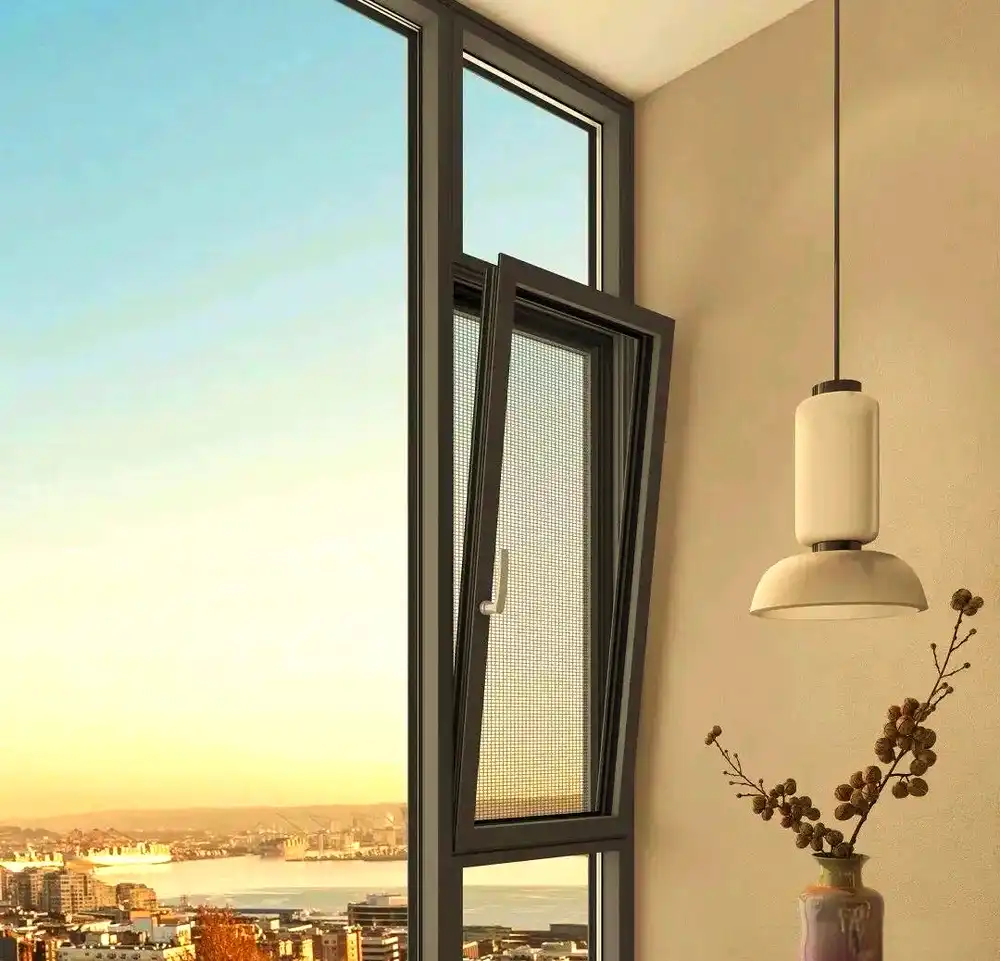
Learning about the differences in how different types of windows work lets you make smart choices for specific uses and building needs. The comparison shows why tilt and turn casement windows are becoming more and more popular for projects that want to control air flow and save energy.
Performance Comparison with Traditional Window Designs
Traditional casement windows can only open in one way, which limits your options for controlling air flow. They seal well when closed and let in the most air when fully open, but they don't have the middle-level airflow choices that make tilt and turn windows so useful. The way that classic casements open outward can also make them harder to maintain and leave open to the weather. Sliding windows usually only open partially, and the seal can break down over time as the tracks collect dirt and the hardware goes out. The slide system naturally makes more places for air to leak than tilt and turn designs, which close by compression. The problems with double-hung windows are similar, since they have more moving parts and are more likely to let air in.
Security and Safety Advantages
When the guard is in the tilt position, the small hole keeps people from getting in without permission while still letting air flow. The multi-point locking system spreads the security loads around the whole edge, making it harder to break in than single-point locks that are popular on other window types. In case of an emergency, the turn mode allows for escape while maintaining big, clear spaces that meet building code standards. The inward opening takes away any worries about wind damage to open windows and keeps them out of the way of outdoor activities or gardening.
Total Cost of Ownership Analysis
Tilt and turn windows may cost more to buy at first than other types of windows, but they usually pay for themselves in the long run. Long-term economics are good because they save energy through better sealing and air control, lower upkeep costs through easy access cleaning, and longer service life through strong building. Because of the different working modes, automatic air systems are used less, which saves even more money on running costs. When tilt and turn windows are properly incorporated into building management strategies, building owners report less need for HVAC upkeep and better indoor air quality measures.
Installation and Procurement Considerations for B2B Buyers
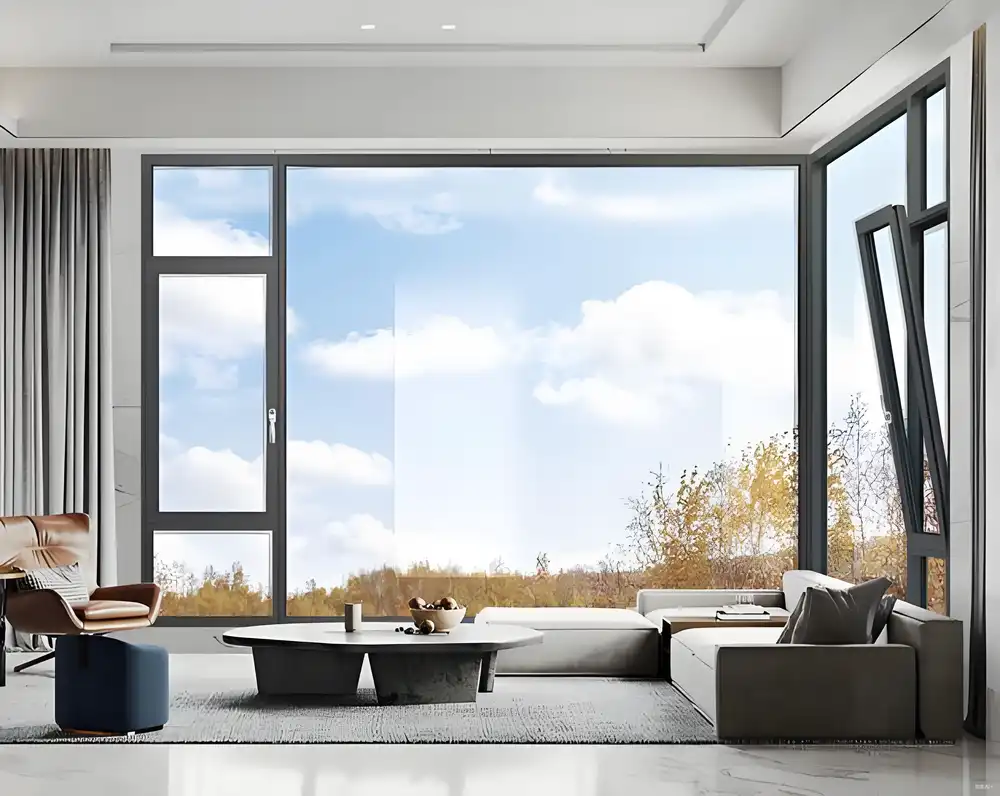
For tilt and turn casement windows to work well in business projects, specifications need to be carefully thought out, suppliers need to be carefully chosen, and installation quality needs to be checked. These things have a direct effect on performance and project success in the long run.
Technical Specification Development
Before you can make good specifications, you need to know what the building needs, like how much air flow it needs, how much energy it should use, and how it should be used. The environment has a big impact on the choice of material. For example, metal frames are better in harsh weather, while UPVC frames work well in mild areas where energy economy is important. The type of glazing you choose affects both how well it keeps heat in and how well it lets air flow through. When you use the right gas fills and low-emissivity films on double or triple glass, you can save energy and let enough natural light through. To make sure the tilt and turn hardware works well and keeps out the weather, the glass system must fit together correctly.
Supplier Evaluation and Quality Assurance
When you work with experienced makers, you can be sure that you will have access to tested technology and reliable help throughout the entire project lifecycle. Good makers give detailed test reports that show things like how much air or water gets in, how well the structure works, and how hot or cold it is. These performance measures help make sure that specifications are accurate and that building codes are followed. An review of a manufacturer's ability to make things should look at their ability to customize, their quality control methods, and their shipping capacity. Custom shapes, special glass, or unique hardware combinations are common for large business projects. These need flexible production processes and engineering support. Professional installation teams that know how to set up tilt and turn hardware systems make sure that they work right and don't void the guarantee. Long-term operation, weather sealing, and energy economy are all directly affected by how well the installation was done. The right way to put something includes making sure the frame is aligned correctly, protecting it from the weather, and adjusting all of the parts to the manufacturer's specs.
Company Introduction and Product Offering
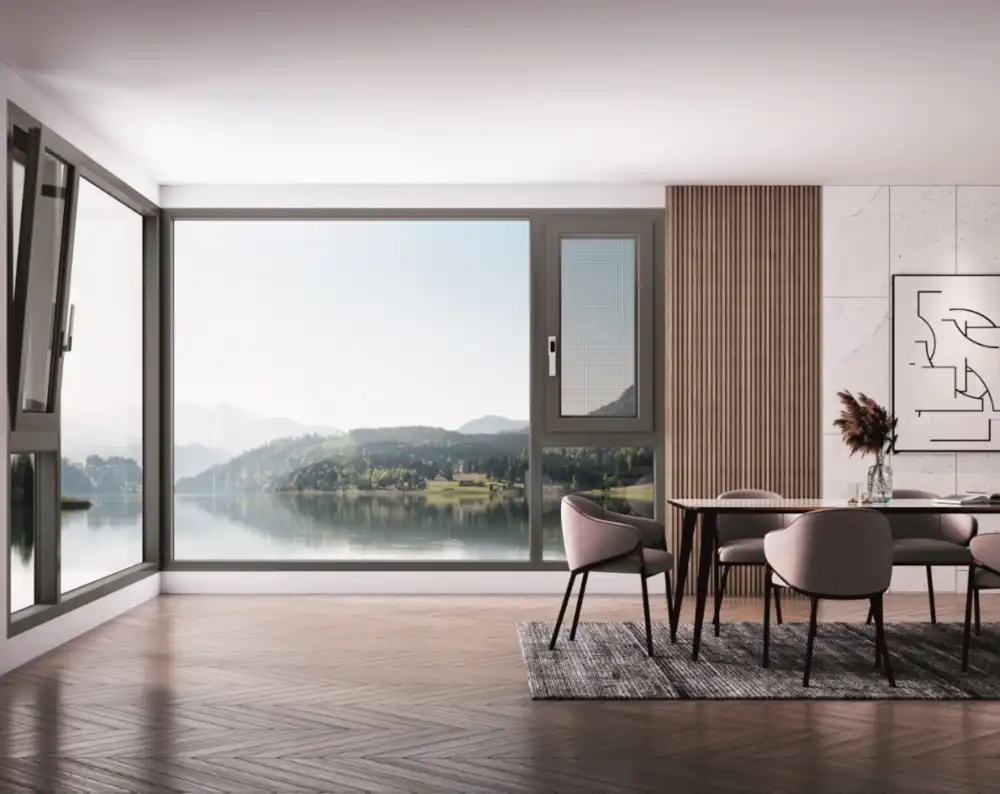
HAOLV Building Materials Co., Ltd. stands as a distinguished manufacturer in the window and door industry, leveraging eighteen years of specialized experience in developing superior tilt and turn window solutions. Our comprehensive expertise encompasses every aspect of window production, from advanced material selection through precision manufacturing and quality assurance.
Manufacturing Excellence and Quality Control
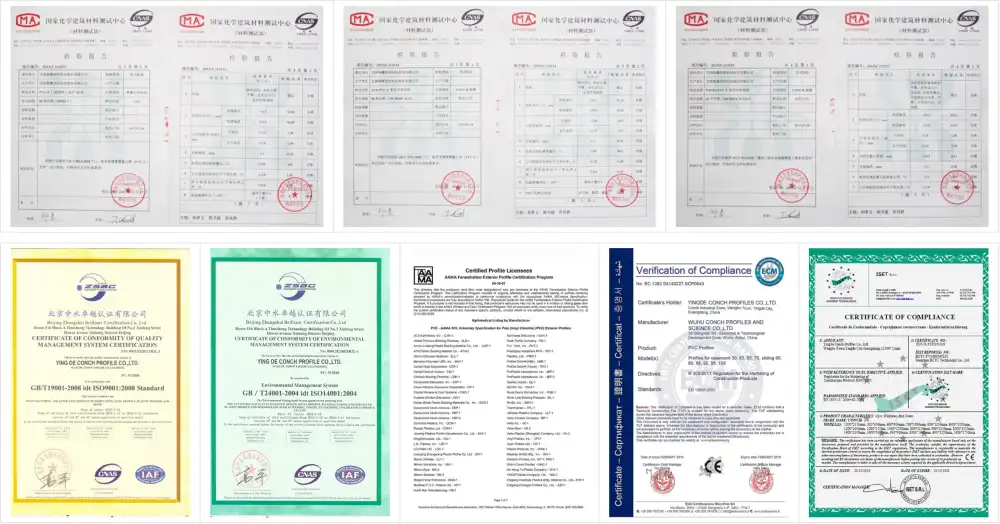
Our production plant is state-of-the-art and has automatic assembly systems, cutting-edge extrusion lines, and precise CNC cutting tools that are all built to make tilt and turn windows. The full production process includes extruding aluminum and UPVC, applying advanced surface treatments, cutting precisely, automating the welding process, and putting the whole thing together in a controlled environment. At every step of the production process, quality control systems adhere to strict ISO standards. Our engineering team uses high-tech testing tools to make sure that structures work well, don't get damaged by weather, and are reliable in their operations. Each window unit goes through a series of thorough inspections that make sure it meets international standards for strength, longevity, and good looks. Working together with CONCH New Materials makes our supply chain more reliable and helps us make sure the quality of the materials we use. This strategic partnership gives companies access to high-quality raw materials and cutting-edge technology for making materials, which improves the performance and durability of products. With eighteen years of experience in the supply chain, we can make sure that our clients always have access to the materials they need and use cost-effective purchasing methods.
Comprehensive Product Portfolio and Customization Services
Our selection of products includes different styles of tilt and turn windows made from aluminum and UPVC, each meant to meet specific artistic and functional needs. Standard product lines include windows for homes that are more energy efficient and windows for businesses that are designed to work well in high-performance buildings. Deep customization lets you make solutions that fit the needs of your specific project. Our engineering team works with architects and specifiers to create custom frame shapes, special glass systems, and hardware that fits together in no two ways. Thermal models, structural analysis, and performance optimization are all parts of the customizing process that make sure each solution meets the performance goals of a particular building. Frame making, glass purchase and installation, and metal design and supply are all included in the full one-stop shopping service. This unified method makes project planning easier and makes sure that all window parts work together. Our technical team helps clients choose the best specs for their needs by giving them full support throughout the whole process.
Global Service and Support Capabilities
Our expert support system is well-established and offers full planning services, help with designing solutions, and ongoing project support. Performance models, energy analysis, and help with developing specifications are all parts of the technical advice process that help clients reach their building performance goals. Free sample shipping services let you test the quality and performance of a product in real life. Sample windows come with full hardware systems and common glass choices that show how well they work in real life. Samples are sent with technical paperwork to help with the process of developing specifications and getting approval. Full-process project follow-up services make sure that the whole process goes smoothly, from the initial design to the final installation and start-up. Our project management team plans when to manufacture, do quality checks, ship, and help with installations so that projects don't run late and requirements are met. The global market presence spanning thirty-plus countries demonstrates proven capability in diverse climate conditions and building code requirements. Our experience includes projects in extreme climates, high-rise applications, and specialized institutional buildings that demand exceptional performance and reliability.
Conclusion
Tilt and turn casement windows represent a significant advancement in building ventilation technology, offering unparalleled control over indoor air quality while maintaining energy efficiency and operational convenience. The dual-function design provides precise ventilation management that adapts to varying weather conditions and building requirements, making these windows increasingly essential for modern commercial and residential projects.
The comparative advantages over traditional window types include superior security, enhanced energy performance, simplified maintenance, and exceptional durability. These benefits translate into measurable operational cost savings and improved occupant comfort throughout the building's service life. The investment in quality tilt and turn windows pays dividends through reduced energy costs, lower maintenance requirements, and enhanced building performance.
Frequently Asked Questions
How do tilt and turn windows specifically improve air circulation compared to standard windows?
The dual-operation mechanism enables both gentle background ventilation through the tilt mode and maximum air exchange through the turn mode. The tilt position creates a controlled chimney effect that draws stale air out while preventing uncomfortable drafts, unlike traditional windows that provide only full-open or closed options.
What maintenance advantages do these windows offer for commercial buildings?
The inward-opening design allows complete cleaning and maintenance access from inside the building, eliminating external access requirements for upper floors. This accessibility reduces maintenance costs and improves safety while the robust hardware requires minimal service throughout its operational life.
How do energy efficiency benefits impact operational costs?
The precise ventilation control reduces HVAC loads by enabling natural cooling strategies and background ventilation during appropriate weather conditions. Combined with superior sealing when closed, these windows can significantly reduce heating and cooling costs while maintaining optimal indoor conditions.
What customization options are available for large commercial projects?
Comprehensive customization includes frame profiles, glazing specifications, hardware configurations, and specialized finishes. Engineering support includes thermal modeling and performance optimization to meet specific building codes and performance requirements.
Partner with HAOLV for Superior Tilt and Turn Window Solutions
HAOLV Building Materials delivers exceptional tilt and turn casement windows backed by eighteen years of manufacturing expertise and proven global performance. Our comprehensive customization capabilities, quality assurance systems, and technical support services ensure optimal solutions for your building requirements. Contact our team at kristin@haolvwindows.com to discuss your project specifications and discover how our tilt and turn casement windows manufacturer expertise can enhance your building's ventilation performance and energy efficiency.
References
1.Building Performance Institute. "Advanced Window Technologies for Commercial Building Ventilation Control." Journal of Building Engineering, 2023.
2.International Window Standards Consortium. "Comparative Performance Analysis of European Tilt and Turn Window Systems." Construction Technology Review, 2022.
3.American Society of Heating, Refrigerating and Air-Conditioning Engineers. "Natural Ventilation Strategies for Energy-Efficient Building Design." ASHRAE Technical Bulletin, 2023.
4.European Committee for Standardization. "Performance Requirements for Tilt and Turn Windows in Commercial Applications." Building Standards Publication, 2022.
5.National Institute of Building Sciences. "Window Technology Impact on Indoor Air Quality and Energy Performance." Technical Report Series, 2023.
6.Green Building Council Research Division. "Lifecycle Cost Analysis of Advanced Window Systems in Commercial Construction." Sustainable Construction Journal, 2022.

USER EVALUATE
Here is the customer's evaluation of us