




Horizontal Sliding Window Features Every Builder Should Know
One of the most useful and effective window options offered in the modern building sector are horizontal sliding windows. With a simple system that allows one or more sashes to move horizontally along tracks within the frame, these windows provide builders great flexibility for both residential and commercial applications. They are perfect for situations where conventional outward-opening windows would be difficult because of their basic design, which does away with the requirement for outside clearance space. Contemporary horizontal sliding windows give the improved performance metrics of energy efficiency, weather resistance, and operational life that builders want for their projects by fusing cutting-edge engineering with visual appeal.
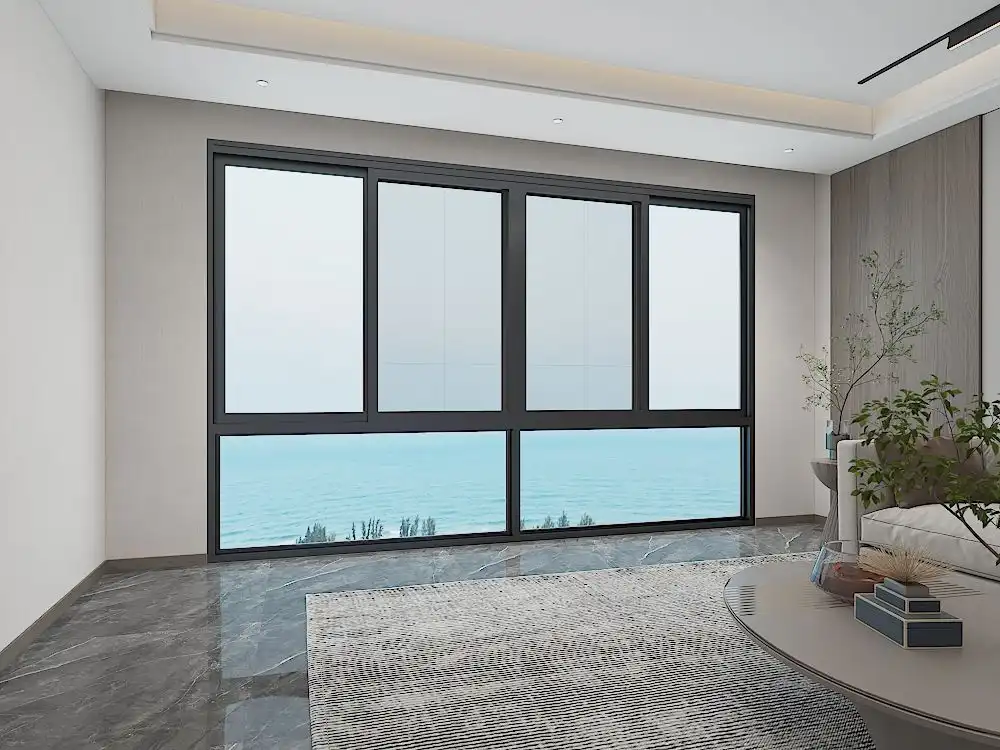
Understanding Horizontal Sliding Window Mechanism and Design Features
Precision-made tracks and rollers are the main technical component of sliding window systems, ensuring seamless, uncomplicated operation for the duration of the window's life. When compared to single-point locking systems, high-quality horizontal sliding windows greatly improve safety and energy efficiency by using multi-point locking mechanisms that disperse security and weatherproofing along the whole frame perimeter.
Material Composition and Structural Integrity
Modern sliding windows maximize durability and performance by using cutting-edge materials. Outstanding strength-to-weight ratios and improved resistance to thermal expansion and contraction are features of aluminum frames. Because of its inherent resistance to corrosion, aluminum is especially well-suited for coastal settings where exposure to salt air is a problem to other materials. With multi-chamber frame designs that provide efficient thermal breaks, UPVC (unplasticized polyvinyl chloride) substitutes offer exceptional thermal insulation qualities. By retaining air within the frame structure, these chambers lessen heat transmission and raise overall energy efficiency ratings. Additionally, UPVC frames reduce long-term care needs by doing away with the necessity for frequent painting or staining.
Glazing Technology and Energy Performance
Multiple glass layers with specific coatings that resist infrared radiation while preserving visible light transmission are used in modern glazing systems for sliding windows. When compared to ordinary glazing, low-emissivity (Low-E) coatings may lower heat transmission by up to 30%, which has a direct effect on building energy consumption and occupant comfort. Argon or krypton gas fills, which provide better insulation than air-filled areas, are often found in the spaces between glass panes. These inert gases are crucial for energy-conscious construction projects since they lower convective heat transfer and raise the window's overall thermal performance rating.
Advantages and Performance Metrics of Horizontal Sliding Windows
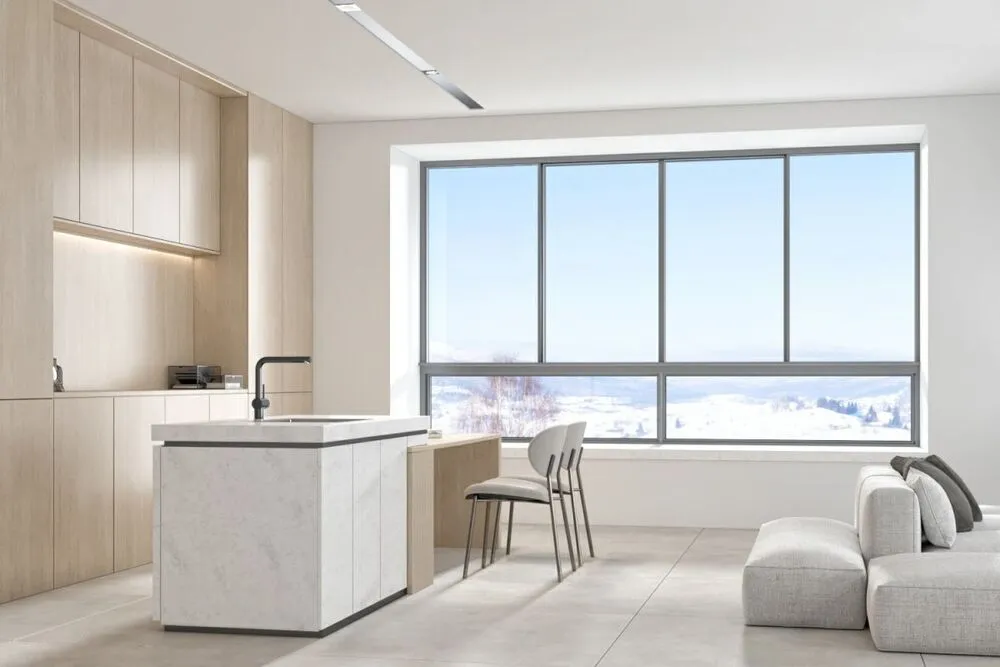
Sliding windows deliver compelling advantages that make them attractive to builders working across diverse project types and budget constraints. Their space-efficient design eliminates exterior swing clearance requirements, enabling installation in locations where casement or awning windows would interfere with walkways, landscaping, or adjacent structures.
Operational Benefits and User Experience
Users of all ages and physical capacities will find the horizontal operating mechanism's straightforward functioning appealing. These windows are accessible to senior persons and anyone with restricted mobility because of their smooth sliding movement, which takes little effort to operate. This simplicity of use results in a longer operating lifetime and less wear on hardware components. Because of the secured track system and high-quality hardware components, maintenance needs are kept to a minimum. It usually takes just routine track cleaning and sporadic moving part lubrication to keep performance at its best for decades. Long-term ownership expenses and building management overhead are decreased by this low-maintenance feature.
Comparative Performance Analysis
Horizontal sliding windows provide clear benefits in some applications when compared to other window styles. Sliding windows function completely within their frame envelope, in contrast to casement windows, which need external clearance space. In metropolitan settings where building setbacks restrict the amount of available outside space, this feature is quite helpful. Because just one sash slides at a time, horizontal sliding windows usually provide greater unobstructed viewing areas than double-hung windows. Because both glass surfaces are still accessible from the inside, the horizontal orientation also makes cleaning access for upper-floor installations simpler. Well-designed sliding windows are often preferred over older window types based on energy efficiency measures. When fitted and adjusted correctly, advanced weatherstripping systems and compression seals provide several barriers against air infiltration, achieving air leakage rates that are on par with or better than those of fixed windows.
Procurement Considerations: Selecting and Buying Horizontal Sliding Windows
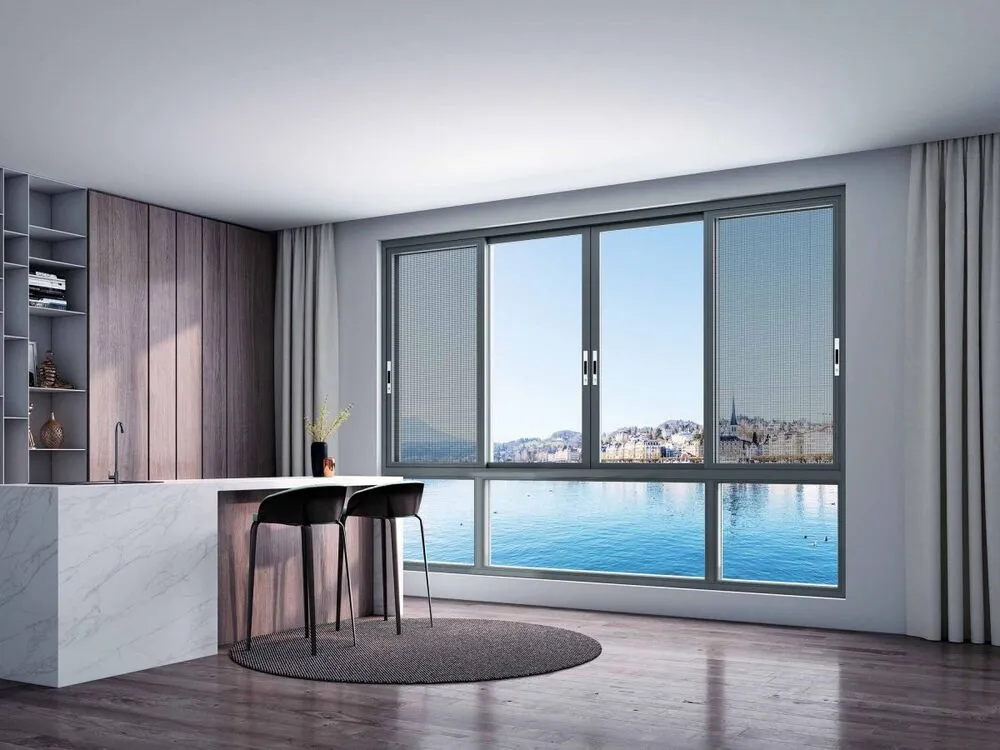
Successful procurement of sliding windows requires careful evaluation of project-specific requirements, including climate conditions, architectural design constraints, and long-term performance expectations. Material selection becomes critical in determining both initial costs and lifecycle value.
Material Selection Criteria
In commercial applications where dimensional stability and structural strength are more important than thermal performance, aluminum frames perform very well. The material is perfect for curtain wall applications and commercial storefronts because of its inherent strength, which permits greater window sizes without sacrificing structural integrity. In residential applications where energy efficiency directly affects utility bills and occupant comfort, UPVC frames usually provide higher thermal performance. When combined with high-performance glazing systems, the material's reduced thermal conductivity minimizes heat transmission through the frame, resulting in exceptional overall window performance.
Customization Capabilities and Project Integration
Architects and builders may choose windows that smoothly integrate with project requirements thanks to the wide range of customisation choices offered by modern manufacturers. While size flexibility allows for non-standard opening dimensions without sacrificing performance, color matching possibilities enable frame treatments to compliment building facades. Different handle types, locking systems, and security features are examples of hardware alternatives that may be customized to meet the practical and aesthetic needs of a project. Multi-point locking systems preserve the smooth functioning that characterizes high-quality sliding windows while offering increased security. For projects needing many windows with comparable specs, bulk purchase agreements can result in considerable cost savings. Generally speaking, manufacturers provide bulk pricing tiers that lower prices per unit while guaranteeing constant quality and delivery dates across whole projects.
Top Brands and Reliable Suppliers for Horizontal Sliding Windows
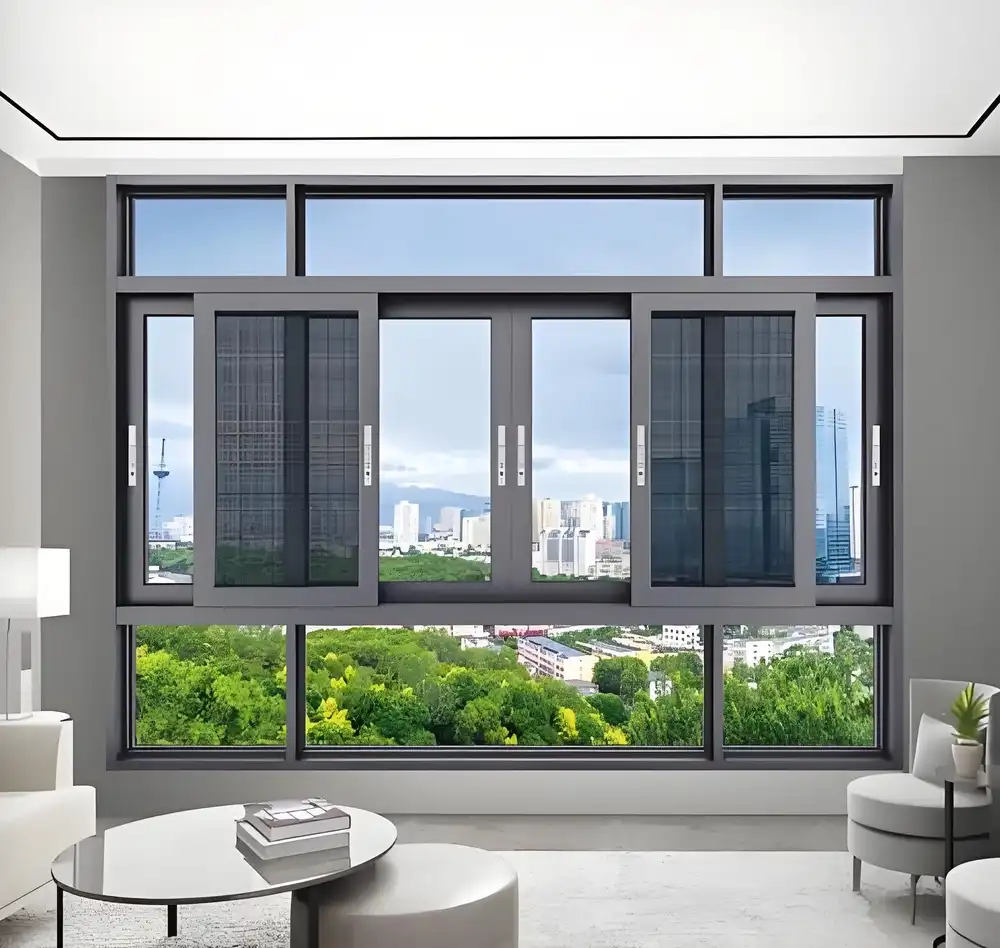
The Horizontal Sliding Window market includes several established manufacturers with proven track records in delivering quality products and reliable service support. Evaluating potential suppliers requires consideration of manufacturing capabilities, quality control processes, and after-sales support infrastructure.
Supplier Evaluation Framework
A supplier's ability to fulfill project deadlines while maintaining constant quality standards is shown by their manufacturing capacity and technological investments. Confidence in product dependability and dimensional precision is offered by automated manufacturing equipment and quality management certifications. Delivery times and logistical costs may be greatly impacted by geographic proximity to project sites. When compared to far-off alternatives, suppliers with well-established distribution networks or local production facilities can offer more affordable prices and quicker delivery times. Manufacturer trust in product quality and dedication to customer satisfaction are shown in warranty terms and technical support availability. Project risk and long-term ownership issues are decreased by comprehensive warranty coverage that covers both materials and installation assistance.
HAOLV Building Materials: Advanced Sliding Window Solutions
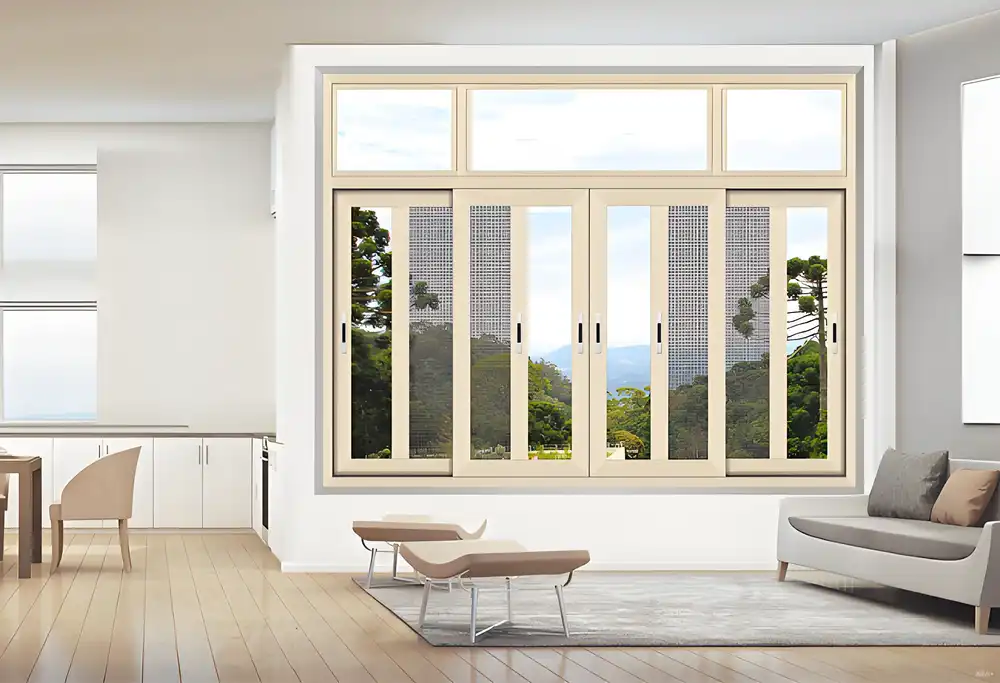
HAOLV Building Materials Co., Ltd. brings eighteen years of specialized expertise in manufacturing premium aluminum and UPVC sliding windows that meet the demanding requirements of modern construction projects. Our state-of-the-art production facilities integrate advanced extrusion lines, precision CNC cutting equipment, and automated assembly systems to deliver consistent quality and efficient production capabilities.
Comprehensive Product Portfolio
With adjustable frame materials, glass choices, and hardware combinations, our sliding window product range is suitable for both home and commercial installations. Every window is subjected to stringent quality control procedures that surpass global norms, guaranteeing dependable performance in a range of climatic circumstances and architectural applications. Our supply chain dependability and material quality assurance are strengthened by our collaboration with CONCH New Materials. This partnership guarantees access to high-quality raw materials while maintaining low pricing policies that benefit our global clientele in 30 different nations.
Value-Added Services and Technical Support
Architects, builders, and procurement specialists may choose the best window options for particular project needs with the help of HAOLV's extensive technical consultancy services. Our engineering team provides free solution design services that combine budgetary restraints, aesthetic preferences, and performance needs. Frame fabrication, glass selection, and hardware coordination are all included in our one-stop service approach, which streamlines the procurement process while guaranteeing component compatibility and performance optimization. Before committing to bigger purchases, free sample shipping services allow for a hands-on assessment of product compatibility and quality. Throughout the project lifespan, from the creation of the original specifications to the completion of installation and any continuing maintenance needs, the 24-hour customer service promise guarantees rapid assistance. This all-inclusive support system creates enduring relationships with customers all around the globe.
Conclusion
For a variety of project applications, horizontal sliding windows provide builders the best possible balance of cost-effectiveness, aesthetic appeal, and practicality. They are especially appealing for contemporary building projects that prioritize both occupant comfort and operational efficiency because of their space-efficient operation, low maintenance needs, and superior energy performance. Choosing high-quality items from reputable producers that provide thorough technical assistance and dependable delivery performance is essential for effective deployment. Sliding windows with cutting-edge engineering and materials will continue to gain market popularity among discriminating architects and builders as building standards place a greater emphasis on accessibility and energy efficiency.
FAQ: Common Questions About Horizontal Sliding Windows
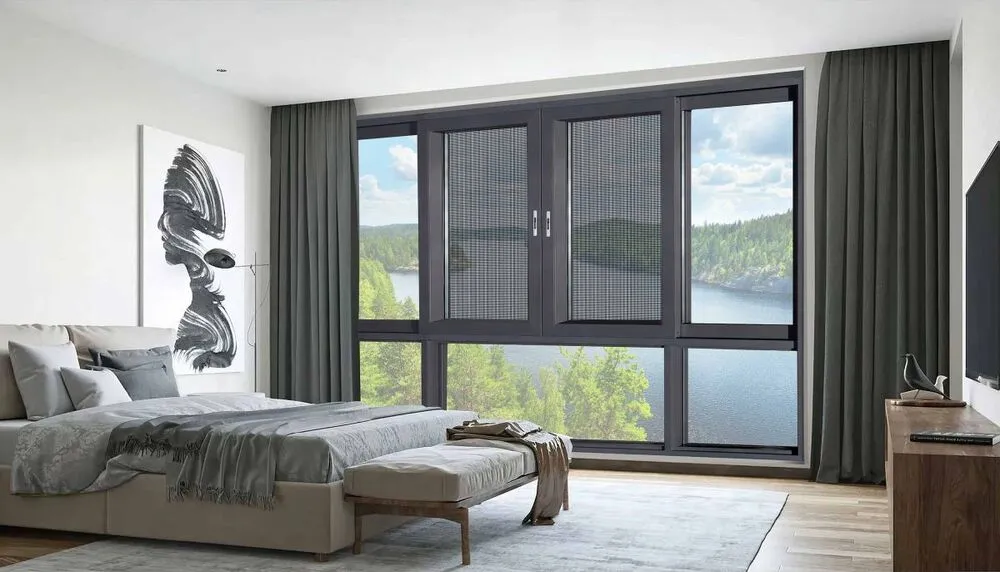
What energy efficiency ratings can I expect from modern horizontal sliding windows?
Modern horizontal sliding windows with advanced glazing systems and quality frame materials typically achieve U-values between 0.20-0.35, significantly outperforming older window technologies. Multi-chamber UPVC frames combined with Low-E glazing and gas fills can achieve even better thermal performance ratings.
Which frame material provides the best value for commercial applications?
Aluminum frames generally offer superior value in commercial applications due to their strength, durability, and ability to accommodate larger glazing areas. The material's dimensional stability and low maintenance requirements make it cost-effective over the building's operational lifespan.
How do lead times vary for custom sliding window orders?
Standard customization options typically require 3-4 weeks for production and delivery, while complex custom configurations may extend lead times to 6-8 weeks. Early specification and ordering help ensure project schedule compliance.
What security features are available for sliding windows?
Modern sliding windows offer multi-point locking systems, laminated security glazing, and reinforced frames that provide excellent security performance. Additional options include keyed locks and security bars for enhanced protection levels.
Partner with HAOLV for Premium Horizontal Sliding Window Solutions
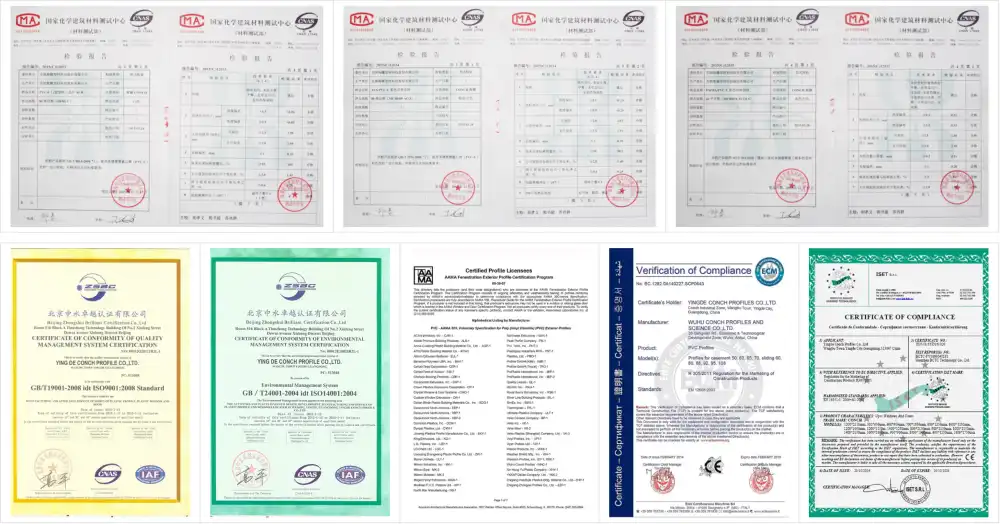
HAOLV Building Materials stands ready to support your next project with superior horizontal sliding window solutions backed by eighteen years of manufacturing excellence and global market experience. Our comprehensive product portfolio, advanced customization capabilities, and commitment to quality assurance make us the ideal horizontal sliding window supplier for builders seeking reliable performance and competitive value. Contact our technical team at kristin@haolvwindows.com to explore how our expertise can enhance your project outcomes through tailored window solutions and professional support services.
References
1. American Architectural Manufacturers Association (AAMA). "Performance Standards for Sliding Windows in Commercial Applications." Technical Publication Series, 2023.
2. Building Performance Institute. "Energy Efficiency Analysis of Window Systems in North American Construction." Research Report on Thermal Performance Metrics, 2022.
3. International Code Council. "Window Installation and Performance Requirements for Modern Building Construction." Building Code Reference Manual, 2023.
4. National Association of Home Builders (NAHB). "Window Selection Guide for Residential Construction Projects." Builder's Technical Resource Series, 2022.
5. Fenestration and Glazing Industry Alliance (FGIA). "Sliding Window Design and Engineering Standards." Industry Best Practices Manual, 2023.
6. Construction Specifications Institute (CSI). "Window and Door Specification Guidelines for Commercial Buildings." Technical Documentation Standards, 2022.

USER EVALUATE
Here is the customer's evaluation of us