




OEM Six‑Track Sliding Window Solutions for Builders & Developers
Picture this: You're standing in a newly completed luxury residential complex, and the developer is frustrated because traditional windows limit their design possibilities. They need expansive openings that don't compromise structural integrity or energy efficiency. This is where Six-Track Sliding Window systems revolutionize modern construction projects. As builders and developers face increasing demands for panoramic views, flexible ventilation, and space optimization, the six-track configuration emerges as the ultimate solution that balances functionality, aesthetics, and performance standards.

Understanding Six-Track Sliding Window Architecture for Large-Scale Projects
The Six-Track Sliding Window represents a breakthrough in fenestration engineering designed specifically for builders and developers who refuse to compromise on quality or versatility. Unlike conventional two or three-track systems, this advanced configuration features six independent tracks that allow unprecedented flexibility in panel arrangement and opening combinations. Each track operates autonomously, enabling you to create custom ventilation patterns that respond to your project's unique requirements. When you're developing multi-unit residential buildings, commercial complexes, or luxury villas, this system provides the adaptability that modern architecture demands.
Engineering Excellence Behind Multi-Track Systems
The structural foundation of Six-Track Sliding Window systems relies on premium 6063-T5 high-strength aluminum alloy profiles that deliver exceptional durability without adding excessive weight to your building's load calculations. This specific alloy composition undergoes thermal treatment processes that enhance its mechanical properties, creating frames that resist warping, corrosion, and structural degradation even in harsh coastal or industrial environments. For developers working on projects with 20-year or 30-year performance guarantees, this material selection becomes critical to long-term project success and reduced maintenance costs. The track configuration itself represents sophisticated engineering that balances smooth operation with robust structural support. Each of the six tracks features precision-machined channels that accommodate heavy-duty roller assemblies, allowing panels weighing up to 150 kilograms to glide effortlessly with minimal user force. The spacing between tracks is calculated to prevent panel interference while maximizing the effective glass area, ensuring your clients receive unobstructed views without sacrificing operational reliability. This attention to engineering detail translates directly into reduced callback rates and enhanced customer satisfaction across your development portfolio.
Customization Capabilities for Diverse Building Applications
Builders and developers working with Six-Track Sliding Window systems gain access to extensive customization options that align with various architectural visions and budget considerations. The system is available in three primary series configurations: the 90 Series for standard residential applications where cost-efficiency meets performance standards, the 100 Series offering enhanced strength for larger openings in mid-rise developments, and the 120 Series delivering maximum durability for high-traffic commercial projects and luxury installations. Each series maintains the same six-track functionality while adjusting frame dimensions and reinforcement strategies to match specific structural requirements. Color and finish selections extend beyond basic powder-coating options to include wood-grain transfers, anodized finishes, and custom RAL color matching that ensures seamless integration with your project's overall design language. For developers managing multiple buildings within a single development, this consistency in aesthetic presentation creates cohesive visual appeal that enhances property values and marketability. The finish durability is equally important, with coating systems that resist UV degradation, scratching, and chemical exposure from cleaning products or environmental pollutants.
Advanced Glazing Technologies for Energy Performance

Glass selection profoundly impacts both the initial construction budget and the long-term operational costs that ultimately determine your project's competitiveness in the market. Six-Track Sliding Window systems accommodate various glazing configurations, from standard double-glazing assemblies to advanced triple-glazed units with Low-E coatings and argon gas fills. For builders targeting green building certifications or meeting stringent energy codes, the ability to specify high-performance glazing within the same frame system eliminates the need for costly system changes during the approval process.
Double and Triple Glazing Configurations
Standard double-glazing options typically feature 5mm glass panes separated by 12mm or 20mm air spaces, creating insulated glazing units that significantly reduce thermal transfer compared to single-pane installations. The 5+20A+5mm configuration provides enhanced thermal performance suitable for projects in moderate climates or buildings where HVAC efficiency directly impacts tenant comfort and operational costs. For developers in regions with extreme temperature variations, triple-glazing assemblies using 5+9A+5+9A+5mm configurations deliver superior insulation values that justify the incremental cost through reduced heating and cooling loads. The glass specifications extend beyond thickness to include tempering requirements, lamination for safety applications, and specialized coatings that address specific performance criteria. Low-E coatings reflect infrared radiation while allowing visible light transmission, creating bright interior spaces that maintain thermal comfort without excessive solar heat gain. For commercial developments where glare control matters, you can specify tinted or reflective glass options that reduce direct sunlight penetration while preserving exterior views. These technical specifications should be evaluated against your project's orientation, local climate data, and tenant expectations to optimize both comfort and cost-effectiveness.
Acoustic Performance for Urban Development
Noise pollution presents significant challenges for residential and hospitality projects located in urban centers, near transportation corridors, or adjacent to commercial districts. Six-Track Sliding Window systems with properly specified acoustic glazing can achieve Sound Transmission Class ratings that transform otherwise unusable spaces into premium living or working environments. Laminated glass assemblies featuring polyvinyl butyral interlayers effectively dampen sound waves across multiple frequencies, with performance improvements of 5-10 decibels compared to standard glazing configurations. For mixed-use developments where residential units occupy floors above retail or entertainment venues, acoustic performance becomes a critical factor in tenant retention and property reputation. The six-track configuration itself contributes to noise reduction through multiple sealing points that create air gaps between interior and exterior environments. When combined with specialized acoustic seals and proper installation techniques, these systems can meet or exceed requirements for buildings near airports, railways, or busy highways without requiring secondary window installations that compromise interior aesthetics.
Operational Mechanisms and Hardware Integration

The smoothness and longevity of Six-Track Sliding Window operation depends entirely on the quality of mechanical components and their proper integration into the frame assembly. Premium roller systems utilize precision ball bearings encased in corrosion-resistant housings that maintain smooth performance through hundreds of thousands of operation cycles. For developers concerned about long-term maintenance costs and tenant complaints, investing in superior hardware components reduces service calls and extends the operational lifespan of the entire window assembly.
Heavy-Duty Rolling Systems
Each sliding panel requires multiple roller assemblies strategically positioned to distribute weight evenly across the track system and prevent binding or uneven wear patterns. The roller diameter, bearing type, and mounting configuration must be matched to the panel weight and expected usage frequency. Residential applications typically specify rollers rated for 100,000 cycles, while commercial installations in high-traffic areas require industrial-grade components rated for 500,000 cycles or more. This distinction directly impacts component selection and project specifications that developers must communicate clearly to manufacturers during the procurement process. The track material itself requires careful consideration beyond aesthetic appearance. Stainless steel tracks provide maximum durability and corrosion resistance for coastal projects or industrial environments, while anodized aluminum tracks offer excellent performance at reduced weight and cost for standard applications. Some manufacturers incorporate wear-resistant coatings or replaceable track inserts that extend system life without requiring complete frame replacement. For large-scale developments where maintenance logistics and costs accumulate significantly over time, these technical details warrant thorough evaluation during product selection.
Weather Sealing and Thermal Bridging Prevention
Effective weather sealing represents one of the most critical performance characteristics that separate premium Six-Track Sliding Window systems from budget alternatives. Multi-point sealing strategies incorporate compression seals at panel perimeters, brush seals at track interfaces, and fin seals that deflect wind-driven rain away from vulnerable joints. The sealing system must maintain elasticity and compression set resistance across temperature ranges from -40°C to +80°C to ensure consistent performance in diverse climates without requiring frequent maintenance or replacement. Thermal bridging occurs when conductive materials create pathways for heat transfer that bypass insulating glazing units, reducing overall window performance and potentially causing condensation issues. Advanced Six-Track Sliding Window designs incorporate thermal breaks within aluminum profiles, using polyamide strips or insulating foam to interrupt heat flow paths between interior and exterior surfaces. For energy-conscious developers targeting passive house standards or net-zero performance, understanding and specifying proper thermal break technology becomes essential to achieving project goals without compromising structural integrity or operational reliability.
Installation Considerations for Construction Efficiency
Successful Six-Track Sliding Window installation requires coordination between architectural design, structural engineering, and installation teams to ensure proper performance and warranty compliance. The window rough opening must accommodate frame dimensions with appropriate clearance for shimming and adjustment while maintaining structural support around the perimeter. For multi-story buildings, installation sequencing affects construction schedules and weather protection strategies that impact overall project timelines and costs.
Structural Integration and Load Transfer
Large Six-Track Sliding Window assemblies create significant point loads that must be properly transferred to the building structure through header beams, jamb reinforcements, and foundation connections. The engineering team should calculate wind loads, seismic forces, and dead loads specific to the window size and location to ensure adequate structural support without over-engineering that adds unnecessary cost. For curtain wall applications where the window system becomes part of the building envelope, coordination with facade engineers ensures proper integration with waterproofing membranes, air barriers, and thermal insulation layers. The installation methodology varies significantly between new construction and retrofit projects, with each scenario presenting unique challenges that affect labor costs and project schedules. New construction allows for precise rough opening preparation and optimal coordination with other trades, while retrofit installations must accommodate existing conditions that may require custom adaptations or supplementary structural modifications. Developers should clearly specify installation responsibilities, warranty requirements, and quality control procedures in construction documents to prevent disputes and ensure consistent results across multiple building phases.
Quality Assurance and Performance Testing

Reputable Six-Track Sliding Window manufacturers implement comprehensive quality control procedures throughout the production process, from raw material verification to final assembly inspection. For builders and developers, understanding these quality systems and requesting verification documentation protects project investments and reduces liability exposure from premature failures or performance deficiencies. International standards including GB/T 8478-2020 for aluminum alloy doors and windows provide benchmarks for evaluating product specifications and manufacturing capabilities.
Factory Testing and Certification Requirements
Factory testing programs should include structural performance verification, air infiltration testing, water penetration resistance, thermal transmission measurements, and acoustic performance validation. These tests simulate real-world conditions and extreme scenarios that windows will encounter during their service life, providing objective data that supports product claims and specifications. Developers should request certified test reports that document specific performance values rather than accepting generic marketing claims that may not reflect actual product capabilities. Third-party certification programs including ENERGY STAR, NFRC ratings, and local building code compliance certifications provide additional assurance that products meet recognized industry standards. For projects requiring LEED certification or other green building credentials, these certifications streamline the documentation process and provide credibility with design reviewers and building officials. The availability of certified test data and performance ratings should be a primary consideration during product evaluation and supplier selection to avoid costly substitutions or performance issues discovered during construction or commissioning phases.
Cost Analysis and Value Proposition
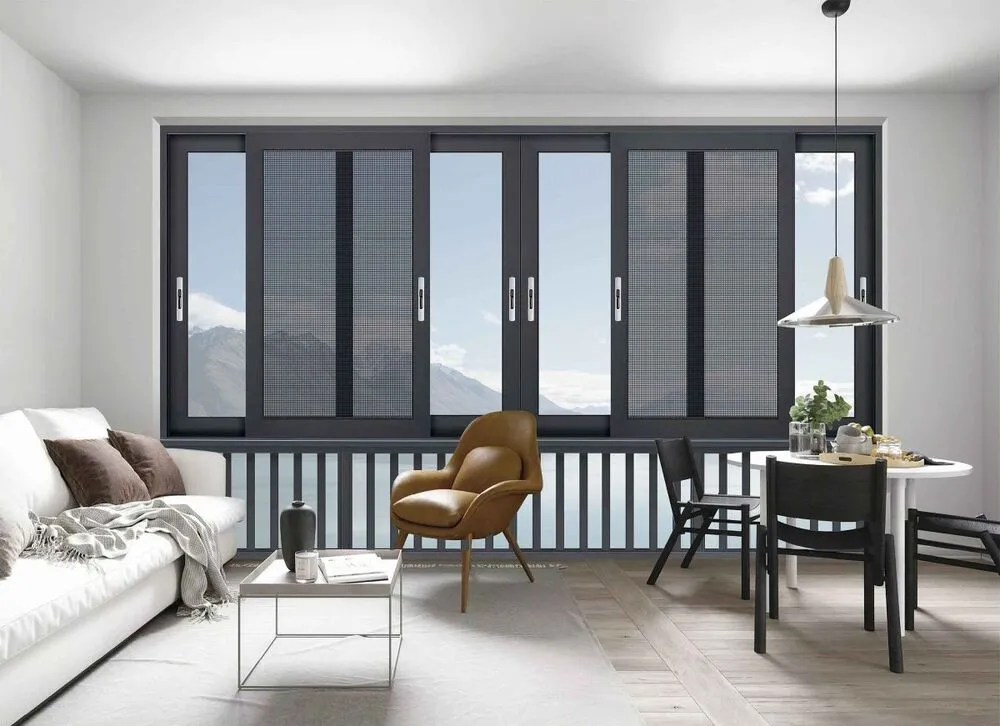
Six-Track Sliding Window systems represent significant initial investments compared to conventional two-track or casement window alternatives, making comprehensive cost analysis essential for developers evaluating product options. The total cost of ownership extends beyond initial purchase and installation expenses to include maintenance requirements, energy performance impacts, and long-term durability that affects property values and marketability. For projects where window systems represent 8-12% of total construction costs, optimizing this investment delivers measurable returns across multiple performance metrics.
Initial Investment Versus Long-Term Returns
Premium Six-Track Sliding Window systems command price premiums of 20-35% compared to standard sliding window products, reflecting superior materials, advanced hardware, and extensive customization capabilities. However, this incremental investment yields tangible benefits including reduced maintenance costs, lower energy consumption, enhanced tenant satisfaction, and improved property resale values. For developers constructing rental properties or commercial buildings, the ability to command higher lease rates justified by superior amenities and reduced operational costs provides compelling financial justification for premium window systems. Energy modeling studies demonstrate that high-performance windows can reduce HVAC loads by 15-25% in residential buildings and 10-20% in commercial structures, translating to substantial utility cost savings over the building's operational life. When combined with reduced maintenance requirements and extended component lifespans, the total cost of ownership for premium Six-Track Sliding Window systems often proves competitive with budget alternatives within 7-12 years of installation. Developers should conduct project-specific financial analysis that accounts for local energy costs, climate conditions, and target market expectations to accurately assess value propositions.
Conclusion
Six-Track Sliding Window systems deliver unmatched versatility and performance for builders and developers demanding superior functionality without compromising aesthetics or energy efficiency. These advanced multi-track configurations combine engineering excellence with extensive customization capabilities that address diverse project requirements across residential, commercial, and luxury applications.
Cooperate With Hunan Haolv Building Materials Co., Ltd.
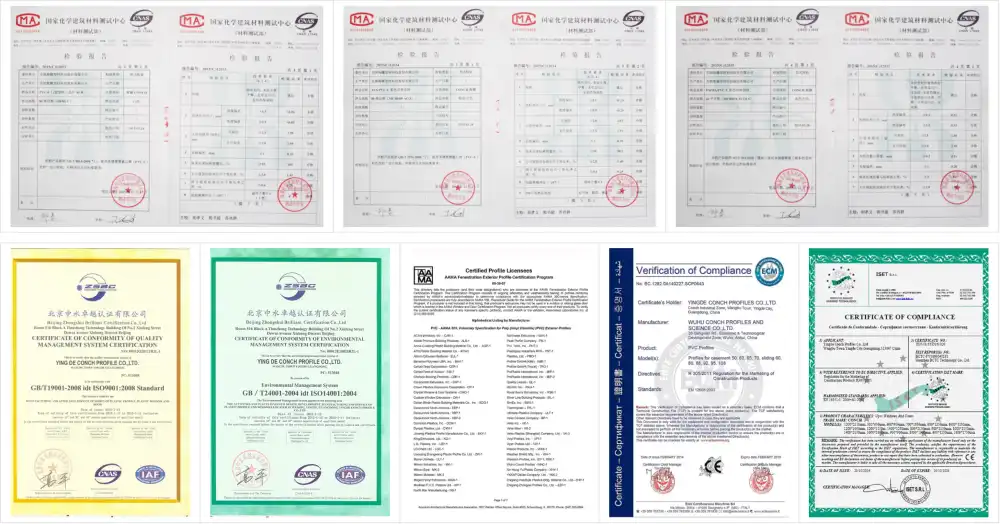
Ready to elevate your next project with premium Six-Track Sliding Window solutions? Hunan Haolv Building Materials Co., Ltd. brings 18 years of manufacturing expertise specifically in aluminum and UPVC window and door systems. As a leading China Six-Track Sliding Window factory, China Six-Track Sliding Window supplier, and trusted China Six-Track Sliding Window manufacturer, we offer comprehensive wholesale Six-Track Sliding Window options with competitive Six-Track Sliding Window quotation pricing. Our Bulk Six-Track Sliding Window capabilities ensure efficient delivery for large-scale developments, while our transparent Six-Track Sliding Window price structures and detailed Six-Track Sliding Window Pricelist support accurate project budgeting. We specialize in Customized Six-Track Sliding Window solutions tailored to your exact specifications, backed by our advanced production facilities featuring CNC machining centers, automated assembly systems, and rigorous ISO-certified quality control. Our partnership with CONCH New Materials ensures premium raw materials, while our comprehensive services include customized engineering support, one-stop product sourcing, free technical consultation, solution design assistance, sample shipping, and full-process project follow-up. Contact our team today at kristin@haolvwindows.com to request detailed product specifications, performance test reports, and project-specific quotations that demonstrate the exceptional value and reliability that have earned client trust across 30+ countries worldwide. Save this resource for future reference as you plan your upcoming developments.
References
1. "Aluminum Windows and Doors: Design Guide for Commercial Buildings" by Building Envelope Design Institute, 2023
2. "Fenestration Performance Standards and Testing Methodologies" by National Fenestration Rating Council Technical Committee, 2024
3. "Energy Efficient Window Systems for Modern Construction" by American Institute of Architects Research Department, 2024
4. "Structural Integration of Large-Scale Sliding Window Systems" by International Association of Building Envelope Specialists, 2023
5. "Glazing Technologies and Thermal Performance in Contemporary Architecture" by Glass Association Technical Standards Committee, 2025

USER EVALUATE
Here is the customer's evaluation of us