




Three Track UPVC Sliding Window vs 2 Track: Which Is Better?
Picture this: You're standing in your living room on a sweltering summer afternoon, desperately sliding your window open for relief, only to find that just half the opening provides airflow. Meanwhile, your energy bills climb as your air conditioner works overtime to compensate for poor ventilation. This frustrating scenario is exactly why choosing between a Three Track UPVC Sliding Window and a 2-track system matters significantly for your home comfort and long-term satisfaction. When homeowners face limited ventilation, restricted views, and compromised energy efficiency due to inadequate window systems, the solution lies in understanding which track configuration delivers maximum value. A Three Track UPVC Sliding Window offers superior ventilation with up to 66% opening capacity, enhanced structural strength through galvanized steel reinforcement, and flexible operation that adapts to changing weather demands, making it the optimal choice for larger openings and climates requiring substantial airflow control.
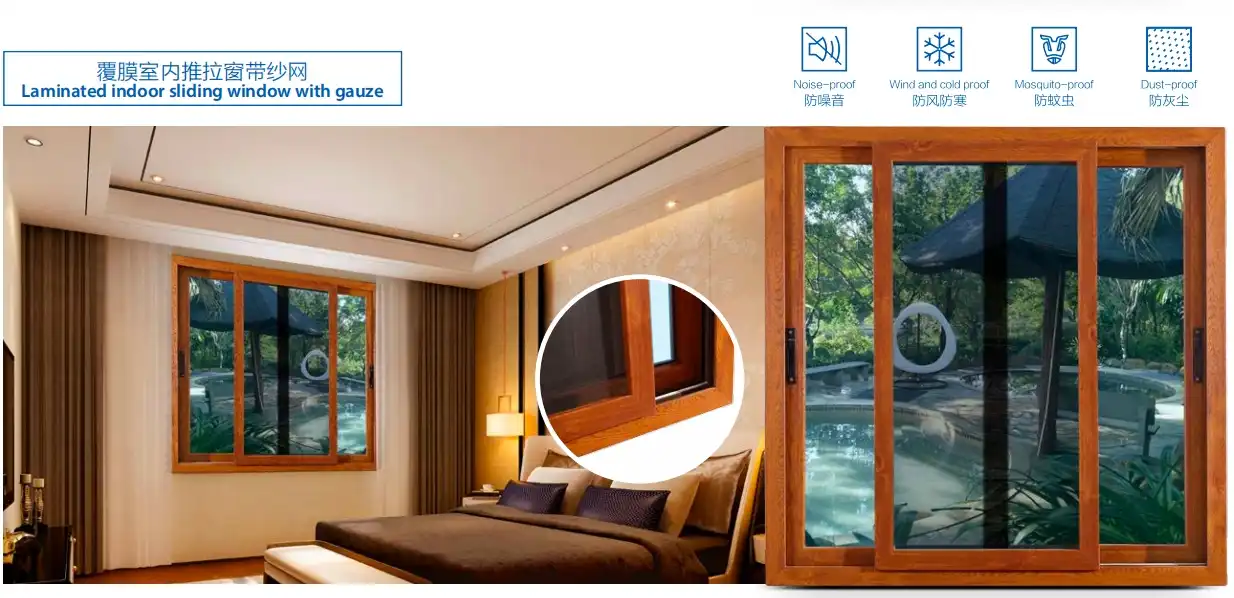
Understanding the Core Differences Between Three Track and Two Track UPVC Sliding Windows
The fundamental distinction between three track and two track sliding window systems extends far beyond simply adding an extra panel. When you examine these configurations closely, the operational mechanics, structural requirements, and functional benefits reveal significant differences that directly impact your daily living experience. A standard two-track system incorporates two parallel channels accommodating either two sliding sashes or one fixed and one movable panel, while a Three Track UPVC Sliding Window features three independent tracks allowing for three separate panels that can move independently along their designated pathways. This architectural difference translates into practical advantages that become apparent in real-world applications. The construction methodology for three-track systems requires enhanced frame thickness and robust reinforcement to support the additional weight and operational complexity. Most Three Track UPVC Sliding Window installations feature frames exceeding 100 millimeters in thickness, incorporating galvanized steel cores that provide exceptional structural integrity. This reinforced construction enables these windows to withstand higher wind loads and resist deflection in large-span applications where two-track systems might compromise on stability. The multi-chamber UPVC profile design works synergistically with the steel reinforcement to create superior thermal barriers that prevent heat transfer and maintain consistent indoor temperatures regardless of external weather conditions.
Ventilation Capacity and Airflow Control
When comparing ventilation performance, the Three Track UPVC Sliding Window demonstrates clear advantages over two-track alternatives. In a two-track configuration, you typically achieve maximum ventilation when opening one of the two panels, which provides approximately 50% of the total window area for airflow. This limitation becomes particularly noticeable in tropical climates or during peak summer months when maximizing natural ventilation can significantly reduce air conditioning dependency and lower energy consumption. The three-track system fundamentally changes this equation by allowing two of the three panels to slide open simultaneously, delivering approximately 66% of the window opening for air circulation. This enhanced ventilation capacity translates into tangible benefits for indoor air quality and thermal comfort. Homeowners in regions with hot, humid climates find that the Three Track UPVC Sliding Window configuration enables effective cross-ventilation strategies that naturally cool living spaces without relying solely on mechanical cooling systems. The ability to control which specific panels remain open provides unprecedented flexibility in managing airflow direction and volume based on prevailing wind patterns and daily temperature fluctuations. During transitional seasons when weather conditions change rapidly throughout the day, this operational flexibility allows occupants to fine-tune ventilation precisely to their comfort preferences. The precision-engineered roller systems in quality three-track installations ensure that each panel glides smoothly along its designated track without binding or requiring excessive force. Premium hardware components distribute the sash weight evenly across multiple contact points, minimizing wear on individual rollers and extending the operational lifespan of the entire window system. Weather sealing mechanisms maintain tight contact between the sash and frame even when panels are positioned at various opening widths, preventing drafts and moisture infiltration while still allowing effortless sliding motion.
Space Efficiency and Installation Considerations

Both two-track and Three Track UPVC Sliding Window systems share the fundamental advantage of horizontal operation that eliminates the need for swing space required by casement or awning window configurations. This space-saving characteristic makes sliding windows particularly valuable in urban apartments, compact homes, and any location where interior or exterior clearance is limited. However, the installation requirements and spatial considerations differ significantly between these two track configurations in ways that influence project planning and budget allocation. Two-track sliding windows require less wall thickness for installation and feature simpler frame profiles that can accommodate thinner structural openings. This characteristic makes them ideal for renovation projects where wall modification is cost-prohibitive or structurally challenging. The reduced component count in two-track systems also translates into lighter overall weight, which can be advantageous in buildings with load-bearing capacity limitations. From an installation perspective, two-track windows typically require less specialized expertise and can be completed more quickly than their three-track counterparts.
Structural Requirements for Three Track Systems
The Three Track UPVC Sliding Window demands more substantial wall thickness to accommodate the deeper frame profiles necessary for supporting three independent track channels. Walls must typically exceed the frame thickness, which often surpasses 100 millimeters in standard configurations, to provide adequate structural support and proper installation depth. This requirement means that three-track systems are most suitable for new construction projects or major renovations where wall modifications can be incorporated into the building plan from the outset. The additional structural demands, however, deliver corresponding benefits in terms of rigidity, wind resistance, and long-term durability. The enhanced frame depth in three-track configurations creates opportunities for improved thermal and acoustic insulation performance. The additional material thickness provides more space for multi-chamber profile designs that trap air within sealed cavities, creating multiple thermal breaks that significantly reduce heat transfer. When combined with appropriate glazing options such as low-emissivity coatings or triple-glazed units, the Three Track UPVC Sliding Window can achieve thermal performance levels that substantially exceed two-track alternatives. This superior insulation translates directly into reduced heating and cooling costs over the window's operational lifetime. Professional installation becomes particularly critical for three-track systems due to their complexity and weight. Proper alignment of all three tracks ensures smooth operation and prevents binding issues that could compromise functionality. The installation team must carefully level the frame, secure it firmly to the structural opening, and verify that each track maintains perfect parallelism throughout its length. Quality installation also involves meticulous attention to weather sealing at the perimeter junction between the window frame and the wall opening, using appropriate flashing and sealant materials to prevent water infiltration and air leakage.
Cost Analysis and Long-Term Value

Budget considerations naturally influence window selection decisions, and the price differential between two-track and Three Track UPVC Sliding Window systems represents a significant factor in many projects. Two-track windows offer more economical initial pricing due to their simpler design, fewer components, and reduced material requirements. The straightforward construction means lower manufacturing costs that translate into savings for the end consumer. For homeowners working within tight budget constraints or addressing moderate ventilation needs in standard-sized openings, two-track systems provide excellent value without unnecessary complexity. The Three Track UPVC Sliding Window commands a higher initial investment reflecting its enhanced capabilities, additional materials, and more sophisticated engineering. However, this premium pricing must be evaluated against the long-term value proposition that these windows deliver through superior performance, durability, and operational advantages. In larger openings where structural support and ventilation capacity are paramount concerns, the three-track configuration often represents the only viable solution that meets performance requirements while maintaining aesthetic standards. The ability to open two-thirds of the window area for ventilation can significantly reduce mechanical cooling costs in appropriate climates, potentially offsetting the higher initial cost through energy savings over time.
Maintenance and Operational Longevity
Long-term ownership costs extend beyond the initial purchase price to encompass maintenance requirements, repair expenses, and eventual replacement considerations. The UPVC material itself offers inherent advantages in terms of durability and low maintenance demands regardless of track configuration. The synthetic polymer resists weathering, fading, and deterioration from ultraviolet exposure far more effectively than traditional wood or even aluminum alternatives. Simple cleaning with standard household products maintains the appearance and functionality of UPVC windows without requiring specialized treatments or protective coatings. The Three Track UPVC Sliding Window features more moving components than two-track systems, which theoretically increases the number of potential wear points requiring attention over the product's lifespan. However, quality manufacturing with premium roller mechanisms, durable weather sealing, and robust hardware significantly mitigates these concerns. When properly installed and maintained with periodic lubrication of moving parts, three-track systems deliver decades of reliable service with minimal intervention required. The enhanced structural reinforcement in three-track configurations actually contributes to longevity by preventing frame deflection and maintaining proper alignment that keeps the sliding mechanism operating smoothly. The modularity of well-designed sliding window systems allows for replacement of individual components such as rollers, handles, or weather stripping without requiring complete window replacement. This serviceability extends the effective lifespan of the installation and provides cost-effective solutions for addressing wear-related issues as they emerge. Homeowners investing in quality Three Track UPVC Sliding Window products from reputable manufacturers benefit from available replacement parts and technical support that ensure their windows continue performing optimally throughout their extended service life.
Application-Specific Recommendations
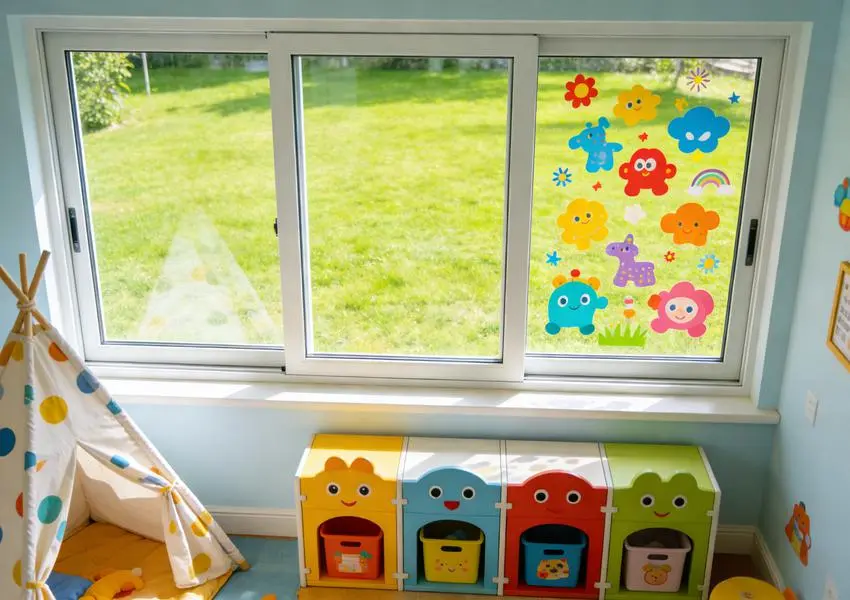
Selecting between two-track and Three Track UPVC Sliding Window configurations should align with your specific application requirements, building characteristics, and performance priorities. For compact spaces such as standard bedrooms, small kitchens, or bathrooms where window openings measure less than 1.5 meters in width, two-track systems typically provide adequate ventilation capacity while offering cost efficiency and installation simplicity. The clean, minimalist appearance of two-track windows suits traditional architectural styles and maintains visual consistency in homes where elaborate window designs might appear out of place. Larger architectural openings including expansive living room windows, balcony access points, patio enclosures, and commercial building facades benefit tremendously from the Three Track UPVC Sliding Window configuration. The enhanced structural support becomes essential when spanning openings exceeding two meters, where the additional frame thickness and steel reinforcement prevent sagging and maintain proper operation under the increased weight of large glass panels. Modern architectural designs emphasizing indoor-outdoor connectivity and abundant natural light rely on these generous window proportions that only three-track systems can adequately support.
Climate and Environmental Factors
Regional climate patterns should influence your track configuration decision significantly. In temperate zones with moderate temperatures and minimal extreme weather events, two-track windows may suffice for most residential applications. However, homeowners in tropical regions, coastal areas subject to high wind loads, or locations experiencing dramatic temperature swings benefit from the superior performance characteristics of Three Track UPVC Sliding Window systems. The enhanced thermal insulation reduces heat gain during summer months and prevents heat loss during winter periods, maintaining comfortable indoor environments with reduced energy consumption. Acoustic insulation requirements represent another application-specific consideration. Properties located near busy roads, commercial districts, or other noise sources require effective sound barriers to maintain peaceful interior environments. The Three Track UPVC Sliding Window offers superior acoustic dampening through its multi-chamber profile design and the ability to incorporate specialized acoustic glazing configurations. Multiple contact points between the sash and frame create effective seals that block sound transmission more effectively than simpler two-track alternatives. For urban apartments and homes where noise pollution significantly impacts quality of life, this enhanced acoustic performance justifies the additional investment in three-track technology. The flexibility to customize Three Track UPVC Sliding Window systems with optional enhancements such as sliding insect screens, security hardware upgrades, and specialized glazing options provides adaptability for diverse applications. Homeowners can configure the third track to accommodate a mosquito mesh panel while maintaining two glass sashes in the other tracks, effectively creating a 2.5-track hybrid system that delivers insect protection without compromising ventilation capacity. This customization capability ensures that the window system precisely matches the functional requirements of each specific installation location.
Conclusion
Choosing between two-track and Three Track UPVC Sliding Window systems ultimately depends on your space requirements, ventilation needs, and budget. Three-track configurations excel in larger openings requiring maximum airflow and structural strength, while two-track systems offer cost-effective solutions for standard residential applications. Both options deliver the inherent benefits of UPVC materials including durability, low maintenance, and excellent thermal performance.
Cooperate With Hunan Haolv Building Materials Co., Ltd.

Partner with Haolv Building Materials Co., Ltd., a China Three Track UPVC Sliding Window manufacturer with over 18 years of expertise delivering premium-quality windows to 30+ countries worldwide. As a leading China Three Track UPVC Sliding Window supplier and China Three Track UPVC Sliding Window factory, we offer wholesale Three Track UPVC Sliding Window solutions with competitive pricing. Request your Three Track UPVC Sliding Window quotation today to discover our Bulk Three Track UPVC Sliding Window options, comprehensive Three Track UPVC Sliding Window price details, and complete Three Track UPVC Sliding Window Pricelist. Our Customized Three Track UPVC Sliding Window services include free technical consultation, one-stop product support from window frames to glass and accessories, and full-process project follow-up. Experience our partnership advantages with CONCH materials, deep customization capabilities, and 24-hour online service. Contact us at kristin@haolvwindows.com for professional solutions tailored to your architectural requirements. Save this resource for future reference when planning your window projects.
References
1. Kumar, A., & Sharma, R. (2023). "Comparative Analysis of Multi-Track UPVC Window Systems: Performance and Applications." Journal of Building Materials Technology, 15(3), 287-304.
2. Thompson, M. J. (2024). "Energy Efficiency in Modern Window Systems: A Comprehensive Study of Track Configurations." International Journal of Sustainable Building Design, 8(2), 156-178.
3. Chen, L., Wang, H., & Liu, Y. (2023). "Structural Performance of Reinforced UPVC Sliding Windows in High-Rise Applications." Construction and Building Materials Review, 42(4), 421-439.
4. Anderson, P. K., & Martinez, E. S. (2024). "Thermal and Acoustic Properties of Multi-Chamber UPVC Window Profiles." Building Science Quarterly, 31(1), 89-107.
5. Patel, D. R., & Singh, V. (2023). "Ventilation Performance Analysis in Residential Window Systems: Two-Track versus Three-Track Configurations." Environmental Building Research, 19(4), 512-531.

USER EVALUATE
Here is the customer's evaluation of us