




Outdoor Pavilion Roof Types: Metal, Wood, or Polycarbonate
Choosing the wrong roof material for your outdoor pavilion can lead to costly repairs, weather damage, and disappointing aesthetics that fail to match your vision. Whether you're planning a backyard retreat or a commercial entertainment space, understanding the differences between metal, wood, and polycarbonate roofing is essential for making an informed decision. This comprehensive guide explores each material's unique characteristics, helping you select the perfect Outdoor Pavilion roof that balances durability, beauty, and functionality for your specific needs.
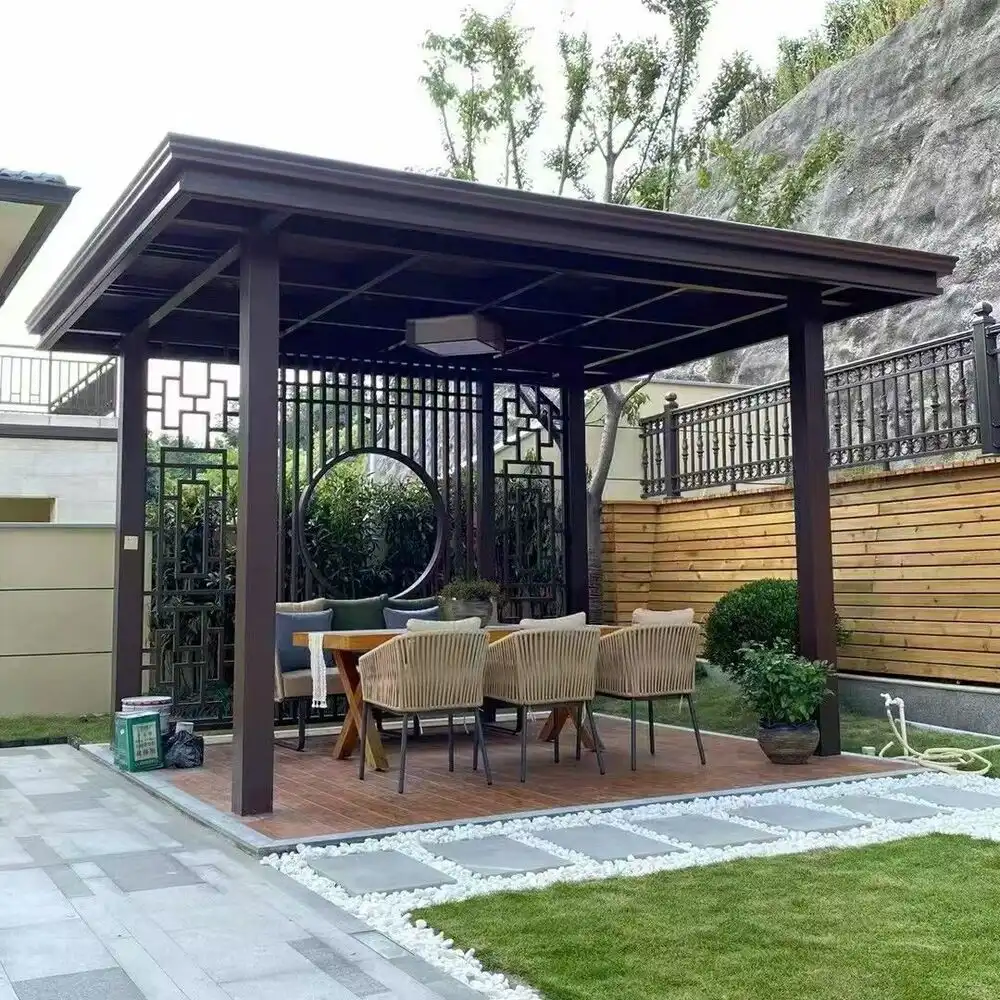
Understanding Outdoor Pavilion Roofing Materials
When planning your Outdoor Pavilion project, the roofing material you select fundamentally determines both the structure's longevity and its performance in your local climate. Each roofing option brings distinct advantages and considerations that directly impact your investment's value over time. Metal roofing systems have gained tremendous popularity in recent years due to their exceptional durability and modern aesthetic appeal. These roofs typically utilize aluminum or galvanized steel, offering superior resistance to rust, corrosion, and weather-related deterioration. The longevity of metal roofing often exceeds thirty years with minimal maintenance requirements, making it an economically sound choice for permanent Outdoor Pavilion installations. Metal roofs excel at shedding water quickly, preventing moisture accumulation that can lead to structural problems. Additionally, metal surfaces reflect solar radiation effectively, which helps maintain comfortable temperatures underneath the structure during hot summer months.
Wood roofing represents the traditional choice for Outdoor Pavilion construction, bringing natural warmth and timeless elegance to any outdoor space. Cedar, redwood, and pressure-treated pine remain the most popular wood options, each offering unique grain patterns and natural insulation properties. Wood roofs create a rustic, inviting atmosphere that seamlessly integrates with garden landscapes and natural surroundings. The material provides excellent insulation, helping to moderate temperature fluctuations beneath the pavilion. However, wood roofing demands more attentive maintenance compared to other materials, requiring regular staining, sealing, and inspection to prevent rot, insect damage, and weathering. Despite these maintenance requirements, many homeowners prize wood for its authentic appearance and the way it ages gracefully when properly cared for. Polycarbonate roofing has emerged as an innovative solution for Outdoor Pavilion designs, offering remarkable versatility and practical benefits. These lightweight synthetic panels transmit natural light while blocking harmful UV radiation, creating bright, welcoming spaces without excessive heat buildup. Polycarbonate materials demonstrate impressive impact resistance, withstanding hail, falling branches, and other impacts that might damage traditional roofing. The panels are significantly lighter than glass or metal alternatives, reducing structural load requirements and simplifying installation processes. Modern polycarbonate products come in various transparency levels and colors, allowing customization to achieve specific lighting effects and aesthetic preferences. While polycarbonate may gradually yellow over extended periods, high-quality panels typically maintain their appearance for at least ten to fifteen years before showing noticeable degradation.
Metal Roofing for Outdoor Pavilions
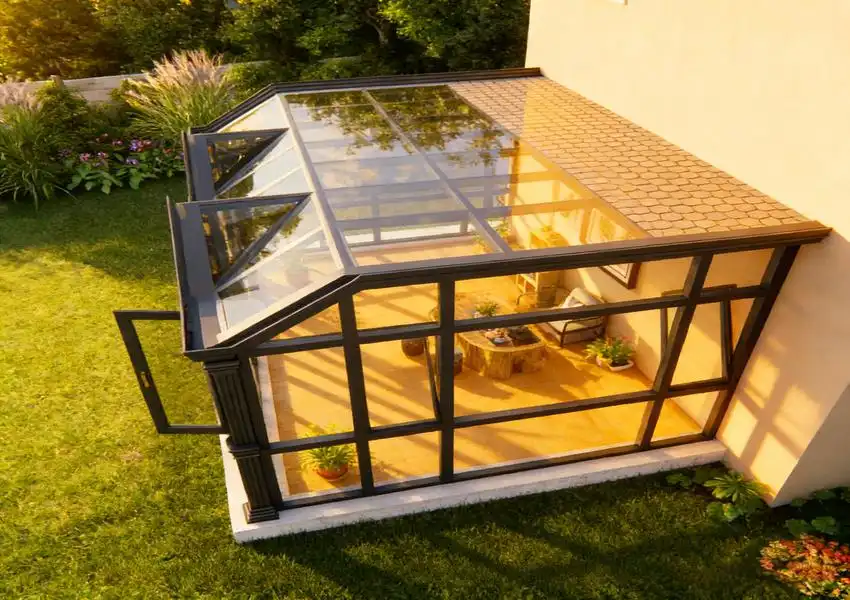
Advantages of Metal Pavilion Roofs
Metal roofing systems deliver unmatched durability for Outdoor Pavilion applications, particularly in regions experiencing harsh weather conditions. The inherent strength of aluminum and steel construction allows these roofs to withstand high winds, heavy snow loads, and intense storms without sustaining damage. Unlike organic materials, metal roofing remains impervious to rot, mold, insect infestation, and decay, eliminating common maintenance headaches associated with wood structures. The non-combustible nature of metal provides enhanced fire safety, an important consideration for properties in wildfire-prone areas or those with strict building codes. Metal roofs require remarkably little upkeep beyond occasional cleaning to remove accumulated debris and dirt. The material's smooth surface prevents moss and algae growth that can compromise other roofing types. From an environmental perspective, metal roofing is highly sustainable, being fully recyclable at the end of its service life. Many metal roofing products incorporate recycled content, appealing to environmentally conscious property owners seeking green building solutions for their Outdoor Pavilion projects.
Design Considerations for Metal Roofs
The aesthetic flexibility of metal roofing allows for diverse architectural expressions in Outdoor Pavilion design. Contemporary metal roofs are available in numerous profiles, including standing seam, corrugated, and ribbed patterns, each creating distinct visual effects. Color options extend far beyond traditional metallic finishes, with powder-coated systems offering virtually unlimited palette choices to complement existing structures or landscaping themes. Metal roofing performs exceptionally well on various roof slopes, adapting to both steep pitches and low-slope applications with appropriate installation techniques. The material's inherent rigidity allows for longer spans between supports, enabling more open, unobstructed spaces beneath the pavilion. When designing an Outdoor Pavilion with metal roofing, consideration must be given to thermal expansion and contraction, which requires proper fastening systems that accommodate material movement. Acoustic properties also warrant attention, as metal surfaces can amplify rain noise, though this can be mitigated through insulation layers or by embracing the natural sound as part of the outdoor experience.
Installation and Maintenance Requirements
Professional installation of metal roofing on an Outdoor Pavilion ensures optimal performance and longevity of the investment. The process typically involves securing horizontal purlins across rafters, to which metal panels attach using specialized fasteners designed to prevent water infiltration while allowing for thermal movement. Proper overlap between panels and careful sealing at joints prevent leaks and extend the roof's service life. Unlike asphalt shingle applications, metal roofing often does not require solid decking, reducing material costs and installation time. The lightweight nature of metal panels simplifies handling during installation, though care must be taken to prevent scratching or denting the finished surfaces. Maintenance requirements for metal-roofed Outdoor Pavilions remain minimal throughout the structure's lifetime. Annual inspections should check for loose fasteners, damaged panels, and accumulated debris that might retain moisture or block drainage paths. Cleaning typically involves simple rinsing with water to remove dirt, leaves, and organic material. In coastal environments or areas with industrial pollution, more frequent cleaning may be necessary to prevent corrosive buildup on metal surfaces.
Wood Roofing for Traditional Outdoor Pavilions
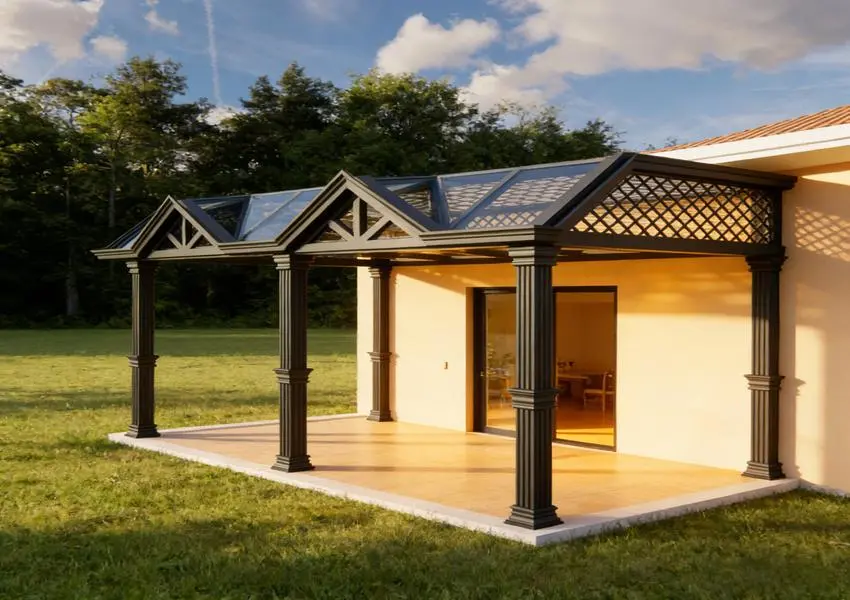
Classic Appeal and Natural Integration
Wood roofing brings unparalleled warmth and character to Outdoor Pavilion structures, creating inviting spaces that feel organically connected to their surroundings. The natural grain patterns, color variations, and texture of wood create visual interest that synthetic materials struggle to replicate authentically. Cedar roofing, particularly western red cedar, offers natural resistance to decay and insect damage due to oils present in the wood, making it a preferred choice for premium pavilion projects. Pressure-treated pine provides a more economical alternative while still delivering respectable durability when properly maintained. Wood roofs naturally insulate the space below, moderating temperature extremes and creating comfortable environments even during hot afternoons. The material's ability to absorb and release moisture helps regulate humidity levels beneath the Outdoor Pavilion, contributing to overall comfort. As wood ages and weathers, it develops a distinguished silver-gray patina that many property owners find aesthetically pleasing, adding character and a sense of permanence to the structure. This natural aging process allows wooden pavilions to mature gracefully, becoming more integrated with their landscape settings over time.
Maintenance and Longevity Factors
Preserving the beauty and structural integrity of wood-roofed Outdoor Pavilions requires consistent maintenance attention throughout the structure's lifetime. Regular application of water-repellent sealers or stains protects wood surfaces from moisture penetration, which causes warping, splitting, and rot. Most wood preservation experts recommend reapplying protective treatments every two to three years, depending on local climate conditions and sun exposure intensity. Inspection routines should identify early signs of insect activity, checking for small holes, sawdust accumulation, or visible insect presence that indicates infestation requiring immediate treatment. Wood roofs in humid climates face additional challenges from mold and mildew growth, necessitating periodic cleaning with appropriate fungicidal solutions. Despite these maintenance requirements, properly cared for wood roofing can serve an Outdoor Pavilion reliably for twenty to thirty years or more. The key to longevity lies in preventing water accumulation on horizontal surfaces and ensuring adequate ventilation that allows wood components to dry thoroughly after rain events. Property owners who embrace the maintenance commitment are rewarded with roofing that develops unique character while maintaining structural soundness.
Wood Species Selection and Treatment
Selecting the appropriate wood species for your Outdoor Pavilion roof directly impacts both aesthetic outcomes and long-term performance expectations. Western red cedar stands as the premium choice, offering exceptional natural resistance to decay, insects, and dimensional instability caused by moisture fluctuations. Cedar's beautiful reddish-brown color and straight grain make it highly desirable for high-end residential applications where appearance matters as much as performance. Redwood provides similar benefits to cedar, with natural tannins that resist rot and a distinctive rich color that many find appealing. Pressure-treated pine represents the most economical option, utilizing chemical preservatives forced deep into the wood fibers to enhance resistance against decay and insect damage. Modern pressure treatment processes have evolved significantly, with newer formulations proving less corrosive to metal fasteners and less harmful to surrounding vegetation. When specifying wood for Outdoor Pavilion roofing, consideration must be given to proper grading, with clear grades offering superior appearance while accepting some natural characteristics like small knots and minor grain variations. The wood should be properly dried and acclimated to local humidity conditions before installation to minimize subsequent warping and movement.
Polycarbonate Roofing Solutions
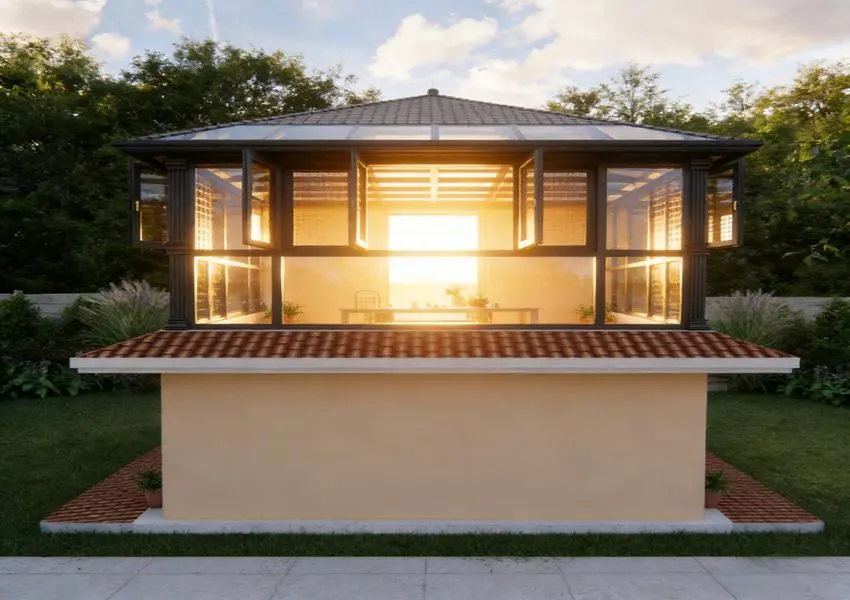
Benefits of Polycarbonate Panels
Polycarbonate roofing revolutionizes Outdoor Pavilion design by combining strength, light transmission, and weather resistance in a remarkably lightweight package. These synthetic panels permit abundant natural light to flood the space below while simultaneously blocking up to ninety-nine percent of harmful ultraviolet radiation, protecting both people and furnishings from sun damage. The impact resistance of polycarbonate surpasses glass by significant margins, with some formulations rated to withstand impacts that would shatter conventional glazing materials. This durability makes polycarbonate an excellent choice for areas prone to hail storms or where falling branches pose concerns. The lightweight nature of polycarbonate panels substantially reduces structural loading compared to glass or heavy roofing materials, potentially allowing for more economical framing systems in Outdoor Pavilion construction. Installation proves straightforward, with panels easily cut to size using standard tools and secured with simple fastening systems. Polycarbonate's thermal insulation properties help moderate temperature extremes, keeping pavilion spaces cooler in summer and warmer during cooler seasons. The material's flexibility allows for curved roof applications, enabling creative architectural expressions impossible with rigid materials.
Design Flexibility and Light Control
The versatility of polycarbonate roofing enables diverse design approaches for Outdoor Pavilion projects across residential and commercial applications. Manufacturers offer polycarbonate in various transparency levels, from crystal-clear panels that maximize light transmission to heavily tinted or opaque options providing greater shade and privacy. Multi-wall polycarbonate sheets feature internal ribbing that enhances rigidity while improving thermal performance compared to single-layer alternatives. These hollow-core designs trap air within the panel structure, creating effective insulation barriers that make Outdoor Pavilions comfortable across seasons. Color options extend beyond neutral tones to include bronze, blue, green, and other tints that can complement architectural themes or landscape palettes. The ability to mix different panel types within a single roof allows for customized lighting zones, perhaps combining clear sections for stargazing with tinted areas over dining spaces that benefit from reduced glare. When designing polycarbonate-roofed Outdoor Pavilions, attention to panel orientation ensures proper water drainage and prevents moisture accumulation in multi-wall cavities. Proper edge sealing and expansion allowances accommodate thermal movement while maintaining weathertight integrity throughout changing seasons.
Installation Best Practices
Successful polycarbonate roof installation on an Outdoor Pavilion demands attention to manufacturer specifications and best practices that ensure long-term performance. The substrate must provide adequate support at appropriate intervals, with purlin spacing determined by panel thickness, span direction, and anticipated load conditions including snow and wind. Proper fastener selection proves critical, utilizing fasteners with oversized holes and weather-sealing washers that accommodate panel expansion while preventing water intrusion. Thermal expansion of polycarbonate exceeds that of most building materials, requiring sufficient edge clearance and special attention to fastening patterns that allow movement without causing panel distortion or cracking. UV-protective films or coatings must face outward toward sun exposure, as installing panels incorrectly leads to rapid degradation and premature yellowing. Sealing systems between panels should permit drainage of any condensation while blocking insects and debris from entering multi-wall panel cavities. Professional installers understand the importance of avoiding over-tightening fasteners, which can crack panels or create stress concentrations leading to failure. Maintenance of polycarbonate-roofed Outdoor Pavilions involves periodic cleaning with mild soap solutions and soft cloths, avoiding abrasive cleaners or tools that scratch protective coatings. With proper installation and care, quality polycarbonate roofing delivers ten to fifteen years of reliable performance before considering replacement.
Comparing Roof Materials for Your Outdoor Pavilion
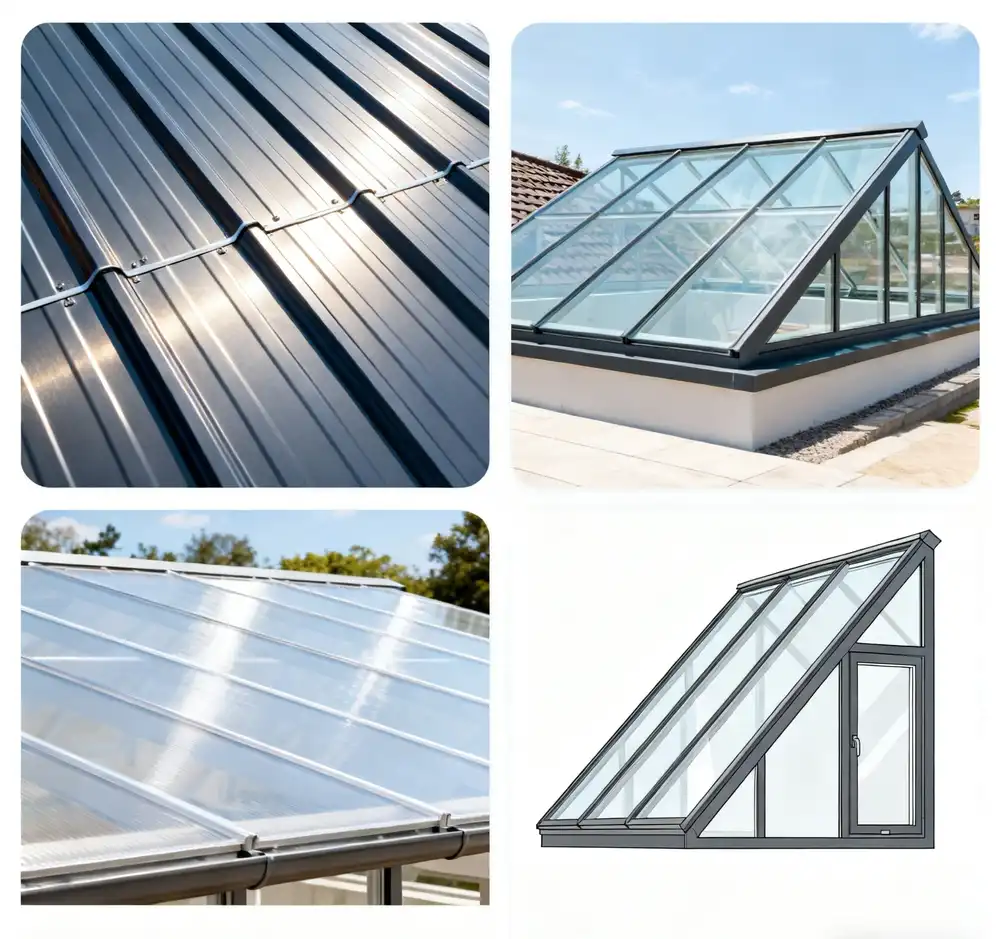
When evaluating roofing options for your Outdoor Pavilion project, several critical factors beyond initial cost influence the best choice for your specific situation. Climate considerations play a fundamental role, with metal roofing excelling in high-wind coastal areas, wood performing admirably in moderate climates with regular maintenance, and polycarbonate thriving where natural light and UV protection are priorities. Budget constraints extend beyond purchase price to encompass long-term maintenance costs and expected replacement intervals. Metal roofing commands higher upfront investment but minimal ongoing expenses, while wood requires lower initial outlays offset by regular maintenance expenditures. Polycarbonate falls in the middle range initially with moderate maintenance needs over its service life. Aesthetic preferences vary widely among property owners, with some gravitating toward wood's natural warmth, others appreciating metal's contemporary lines, and many embracing polycarbonate's light-filled ambiance. Structural capabilities of your Outdoor Pavilion framework may limit certain options, as heavy materials like some metal systems or thick wood decking require more robust support than lightweight polycarbonate alternatives.
Intended usage patterns influence optimal roofing selection, with dining areas benefiting from polycarbonate's natural light while entertainment spaces might prioritize metal's superior acoustics for music systems. Energy efficiency considerations favor metal and polycarbonate options that reflect heat and provide insulation, reducing cooling needs for adjacent interior spaces. Local building codes and homeowner association regulations sometimes restrict material choices or color options, necessitating verification before finalizing design decisions for your Outdoor Pavilion. The installation timeline may affect material selection, with metal and polycarbonate systems typically installing faster than traditional wood applications requiring extensive carpentry work. Environmental impact considerations increasingly influence material choices, with recyclable metal and sustainably harvested wood appealing to eco-conscious property owners, while petroleum-based polycarbonate raises different sustainability questions. Ultimately, the ideal roofing material for your Outdoor Pavilion emerges from carefully weighing these multiple factors against your specific priorities, site conditions, and long-term expectations for the structure's performance and appearance.
Conclusion
Selecting the right roofing material for your Outdoor Pavilion ultimately depends on balancing durability, aesthetics, maintenance requirements, and budget considerations. Metal roofs deliver exceptional longevity and weather resistance, wood provides timeless natural beauty, and polycarbonate offers innovative light transmission with modern performance. Understanding each material's unique characteristics empowers you to make the optimal choice for creating your perfect outdoor living space that will serve beautifully for years to come.
Cooperate With Hunan Haolv Building Materials Co., Ltd.
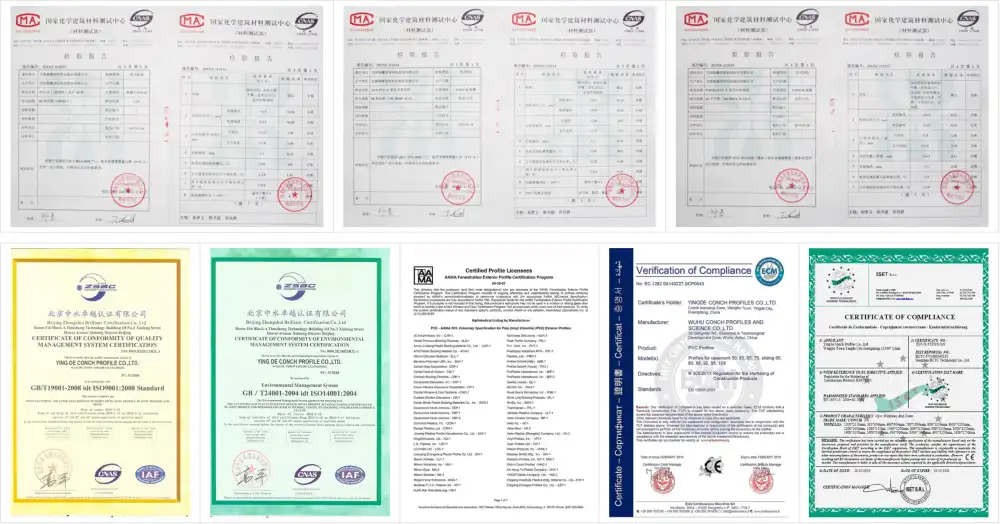
Transform your outdoor space with Haolv Building Materials Co., Ltd., your trusted China Outdoor Pavilion manufacturer with over 18 years of manufacturing expertise. As a leading China Outdoor Pavilion supplier and China Outdoor Pavilion factory, we specialize in premium aluminum and UPVC outdoor structures backed by ISO-certified quality standards. Our comprehensive product range enables one-stop shopping from window frames to glass and accessories, while our deep customization capabilities ensure your Outdoor Pavilion perfectly matches your vision. Request your wholesale Outdoor Pavilion quotation today and discover competitive Outdoor Pavilion prices through our detailed Outdoor Pavilion pricelist. We offer customized Outdoor Pavilion solutions tailored to residential and commercial applications, supported by free technical consultation, solution design services, and sample shipping. Our bulk Outdoor Pavilion options serve projects worldwide with efficient logistics and 24-hour customer support. Contact us at kristin@haolvwindows.com to discuss your requirements and experience the quality that has earned trust from clients across 30+ countries. Save this page for easy reference whenever you're ready to create your dream outdoor living space.
References
1. "Architectural Metal Roofing Systems: Design and Installation Guide" - Metal Construction Association Technical Standards Committee
2. "Wood Frame Construction Manual for One- and Two-Family Dwellings" - American Wood Council Engineering Department
3. "Polycarbonate Sheet Products: Properties and Applications in Construction" - Society of Plastics Engineers Building Materials Division
4. "Outdoor Structures: Planning, Design, and Construction" - National Association of Home Builders Research Center
5. "Weather-Resistant Building Materials: Comparative Performance Analysis" - American Society for Testing and Materials Standards Development

USER EVALUATE
Here is the customer's evaluation of us