




Outward Opening Casement Window The Complete Guide to Superior Ventilation and Weather Protection
When selecting windows for a home or building, the choice between inward and outward opening configurations has significant implications for space utilization, weather performance, and everyday convenience. The outward opening casement window has emerged as a preferred solution for many applications, particularly in regions with high rainfall, coastal areas, and buildings where interior space is at a premium. By swinging outward from the building, these windows maximize usable interior space while providing exceptional protection against wind-driven rain and creating effective natural ventilation. This comprehensive guide explores the design features, performance advantages, and selection criteria for outward opening casement windows.

Understanding the Outward Opening Casement Window
An outward opening casement window is a hinged window where the sash swings away from the building exterior. The hinges are mounted on the side of the frame, typically on the left or right side, allowing the sash to open outward at angles ranging from a few degrees for controlled ventilation to fully open (typically 90 degrees) for maximum airflow. The operating mechanism uses a crank handle or lever that engages a series of gears and arms to push the sash outward and pull it closed with compression against the frame gasket.
The frame and sash are constructed from high-grade materials—typically aluminum, UPVC, or timber—with multi-chambered profiles for thermal insulation. For modern applications, outward opening casement windows are almost universally equipped with thermal break technology (in aluminum frames) or multi-chambered designs (in UPVC) to achieve excellent energy efficiency. The outward opening design is particularly well-suited for areas where interior space is constrained, such as above kitchen counters, behind furniture, or in narrow rooms where inward-swinging windows would create obstacles.
The sealing mechanism is critical to performance. When closed, the sash compresses against a continuous EPDM or silicone gasket around the frame perimeter, creating an exceptionally tight seal. This compression seal, combined with multi-point locking systems (typically 3 to 7 locking points), provides superior resistance to air infiltration, water penetration, and forced entry compared to sliding or single-hung windows.
Key Advantages of Outward Opening Casement Windows
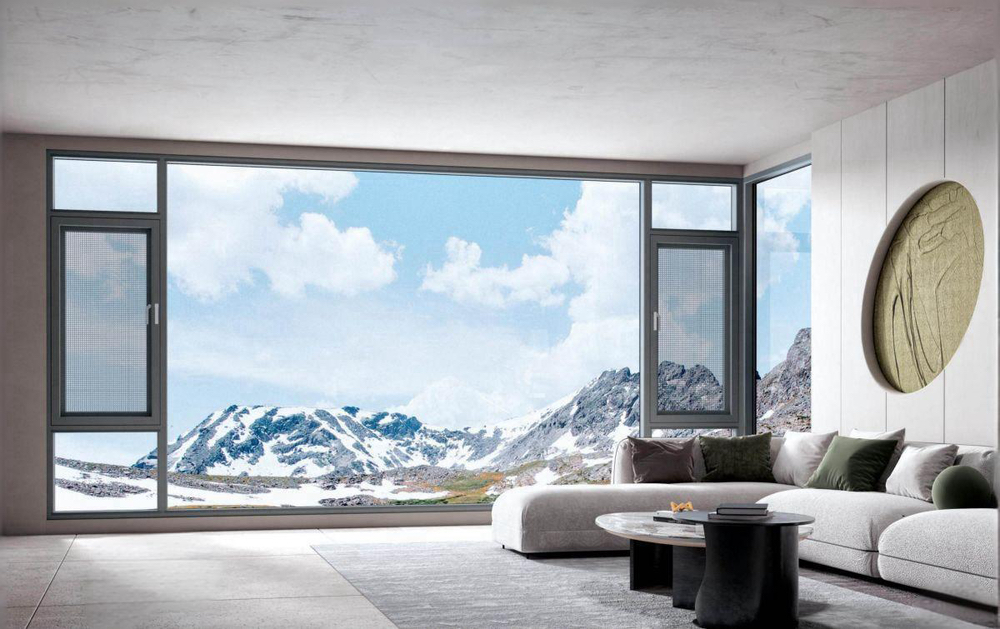
Superior space efficiency is the most immediate advantage of the outward opening casement window. Because the sash opens outward, it consumes no interior space. This is invaluable in rooms with limited floor area, such as small bedrooms, bathrooms, or hallways. It also allows furniture placement directly beneath or adjacent to windows without obstructing operation—a significant benefit in living rooms, kitchens, and home offices.
Exceptional weather protection is engineered into the outward opening design. When wind-driven rain strikes an outward opening casement window, the wind pressure actually pushes the sash more tightly against the frame gasket, improving the seal. This is the opposite of inward opening windows, where wind pressure can force the sash away from the seal, potentially allowing water infiltration. High-quality outward opening casement windows achieve water tightness ratings of Level 6 (△P ≥ 700 Pa) or higher, making them ideal for coastal areas and regions with heavy rainfall.
Effective natural ventilation is achieved because the outward opening sash acts as a scoop, directing fresh air into the room. When partially opened, the angled sash creates pressure differentials that draw air through the opening, providing excellent airflow even in calm conditions. For cross-ventilation, outward opening windows on opposite walls can be positioned to capture prevailing winds and channel them through the interior.
Superior airtightness is inherent to the casement design. The sash compresses directly against the frame gasket, creating a seal that sliding windows cannot match. Outward opening casement windows typically achieve air tightness ratings of Level 8 (q1 ≤ 0.5 cfm/ft²) or higher, significantly reducing drafts and uncontrolled air infiltration.
Enhanced security is achieved through the combination of the outward opening design and multi-point locking systems. The hinges are located on the exterior side, making them inaccessible from inside. High-quality outward opening casement windows feature stainless steel multi-point locks (typically 3 to 7 locking points) that engage keepers along the frame, creating a secure barrier. Anti-pick and anti-drill lock cylinders are standard on premium models.
Excellent thermal insulation is achieved through thermal break profiles (aluminum) or multi-chambered designs (UPVC), combined with double or triple glazing. Low-E coatings and argon or krypton gas fills between panes further enhance energy efficiency. Outward opening casement windows can achieve U-values as low as 0.9 to 1.6 W/m²K, comparable to the best fixed windows.
Easy cleaning from inside is possible with most outward opening designs. Many models feature hinges that allow the sash to be swung fully open (up to 180 degrees) or detached for cleaning, making exterior glass surfaces accessible from inside the building—a significant advantage for multi-story applications.
Glass and Hardware Options for Outward Opening Casement Windows

Glass configurations significantly impact energy efficiency, safety, and acoustic performance:
Double glazing (5mm+20A+5mm): Standard for most climates, with Low-E coating and argon gas fill achieving U-values around 1.6 W/m²K.
Triple glazing (5mm+12A+5mm+12A+5mm): Recommended for extreme climates or noise-sensitive environments, achieving U-values below 1.0 W/m²K.
Laminated glass: Incorporates a PVB interlayer for enhanced security and sound reduction; holds together if broken.
Tempered glass: Safety glazing required in many building codes; breaks into small, harmless pieces.
Low-E coatings: Multiple tiers available for different climate conditions.
Hardware specifications distinguish premium outward opening casement windows:
Crank handles: Smooth-operating mechanisms with corrosion-resistant gears; some models feature folding handles for a cleaner appearance.
Multi-point locking systems: Typically 3 to 7 locking points with stainless steel components; integrated into the crank mechanism on many models.
Stainless steel friction hinges: Allow smooth operation and hold the sash at desired positions; rated for 20,000+ cycles.
Restrictors and safety stays: Limit opening angles for child safety or high-wind conditions; can be disengaged for cleaning.
Integrated insect screens: Retractable or removable screens that fit flush with the frame, allowing ventilation without pests.
Applications for Outward Opening Casement Windows
Residential homes benefit from outward opening casement windows in:
Kitchens: Where windows above countertops or sinks would be obstructed by inward-opening sashes.
Bathrooms: Where interior space is limited and privacy is required.
Bedrooms: Where furniture placement may block inward-opening windows.
Living rooms: Where unobstructed interior space is desired for furniture arrangement.
Coastal and high-wind areas specifically benefit from outward opening casement windows because wind pressure improves the weather seal. They are ideal for properties within 5 miles of the coast where wind-driven rain is common.
High-rise buildings and apartments often specify outward opening casement windows because they comply with safety codes that restrict inward-opening windows (which could be blocked by interior objects) and because they provide superior wind resistance. Design pressures of DP-50 (2,400 Pa) or higher are achievable.
Commercial applications including offices, hotels, and retail spaces use outward opening casement windows for their clean exterior appearance, ease of operation, and weather resistance.
Renovation projects frequently replace old inward-opening or sliding windows with outward opening casement windows to gain interior space and improve weather performance.
Frequently Asked Questions About Outward Opening Casement Windows
Q: Can outward opening casement windows be installed in high-rise buildings?
A: Yes, they are well-suited for high-rise applications. They can be engineered to withstand wind pressures exceeding DP-50 (2,400 Pa), and they comply with safety codes since they do not project into interior walkways.
Q: How do outward opening casement windows perform in wind-driven rain?
A: Exceptionally well. The wind pressure actually pushes the sash more tightly against the frame gasket, improving the seal. Quality outward opening casement windows achieve water tightness ratings of Level 6 or higher (△P ≥ 700 Pa).
Q: Are outward opening casement windows energy efficient?
A: Yes, very much so. With thermal break profiles (aluminum) or multi-chambered designs (UPVC) combined with double or triple glazing, they achieve U-values as low as 0.9 to 1.6 W/m²K.
Q: How do I clean the exterior glass of an outward opening casement window?
A: Most outward opening casement windows feature hinges that allow the sash to swing fully open (up to 180 degrees) or detach for cleaning, making exterior glass accessible from inside. This is a significant advantage over fixed windows or inward-opening designs.
Q: Are outward opening casement windows secure?
A: Yes, when properly specified. High-quality models feature multi-point locking systems (3 to 7 points), stainless steel hardware, anti-pick and anti-drill lock cylinders, and hinges designed to resist tampering.
Installation Considerations
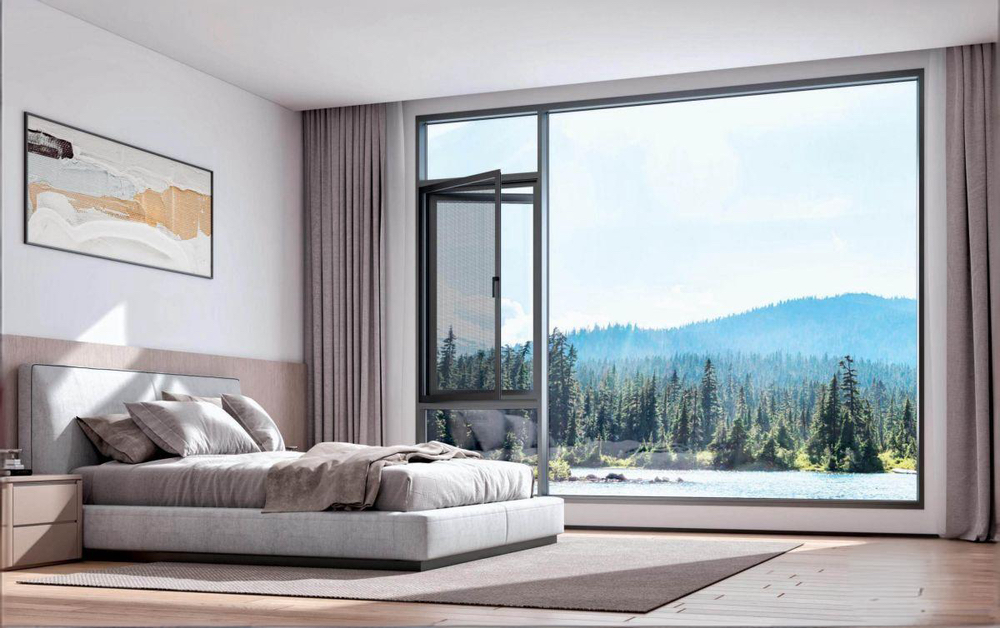
Professional installation is essential for outward opening casement windows to perform as intended. The frame must be properly anchored to withstand wind loads, and the opening must be correctly prepared with flashing and sealing to prevent water infiltration around the frame. The sill must be sloped to direct water away from the building. For high-rise or coastal installations, additional anchoring and corrosion-resistant fasteners are recommended.
Conclusion
Outward opening casement windows offer a compelling combination of space efficiency, weather protection, ventilation control, and security. Their ability to resist wind-driven rain while consuming no interior space makes them particularly valuable for coastal areas, high-rise buildings, and rooms with space constraints. With modern materials and hardware, these windows deliver reliable performance, energy efficiency, and decades of service life.
Cooperate With Hunan Haolv Building Materials Co., Ltd.
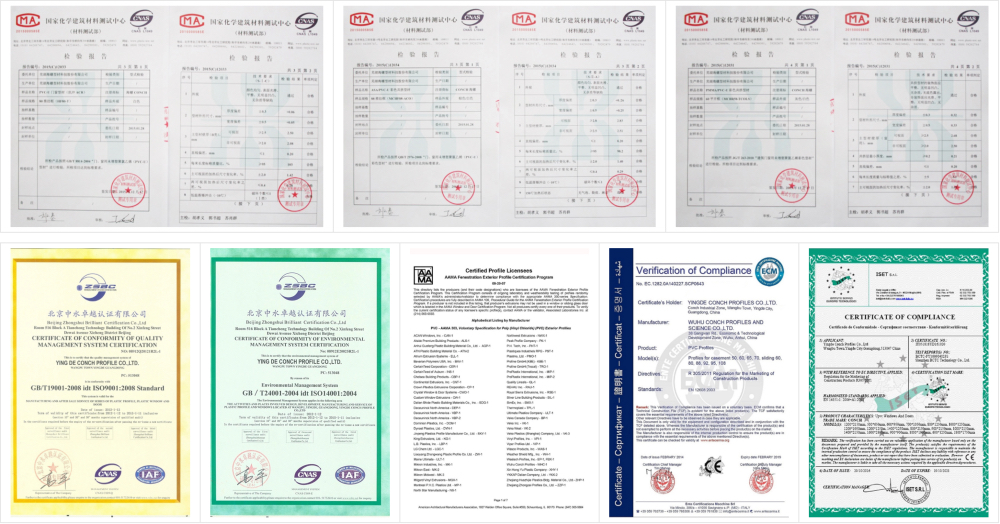
As a leading manufacturer of high-performance window systems, Hunan Haolv Building Materials Co., Ltd. brings over eighteen years of specialized expertise to the production of outward opening casement windows. Our outward opening casement windows are crafted from premium 6063-T5 aluminium alloy with thermal break technology or high-grade UPVC with multi-chamber profiles. We offer comprehensive customization services including double or triple glazing, Low-E coatings, any RAL color finish, multi-point locking systems, and integrated insect screens. Every product undergoes rigorous ISO-certified quality management from raw material selection through final inspection. For detailed quotations, pricelist information, or to discuss your specific project requirements, please contact us today at kristin@haolvwindows.com.

USER EVALUATE
Here is the customer's evaluation of us