




PVC Corner Window vs Vinyl Corner Window: What’s the Difference?
When planning your window replacement project, you've probably encountered both PVC corner windows and vinyl corner windows in your research. Are they different products requiring separate evaluations? This confusion leads many homeowners and contractors to second-guess their window selections, potentially delaying important renovation projects. The truth is simpler than most suppliers admit: PVC corner windows and vinyl corner windows are essentially the same product, both manufactured from unplasticized polyvinyl chloride (uPVC). Understanding this fundamental similarity while recognizing the quality variations between manufacturers empowers you to focus on what truly matters when selecting corner windows for your residential or commercial building project.
Understanding the Material: PVC and Vinyl Are the Same
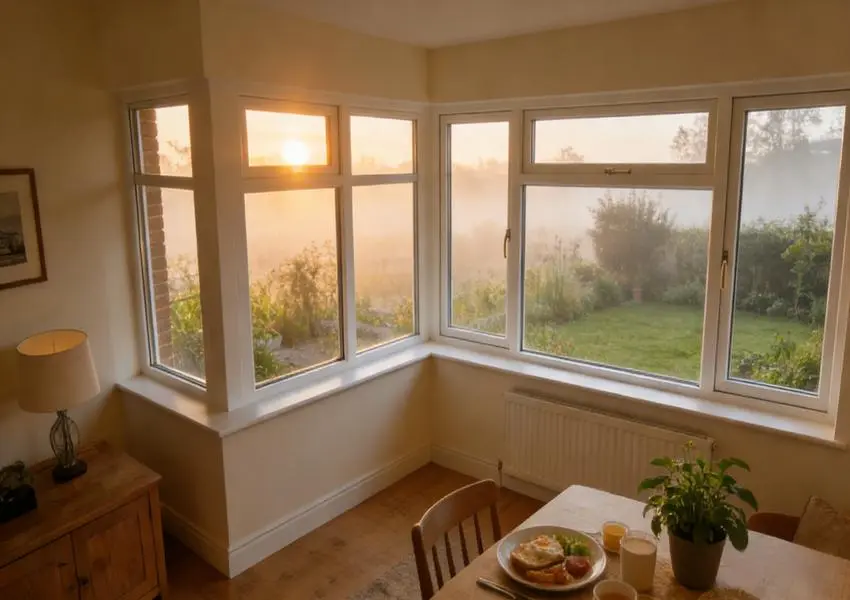
The terminology confusion surrounding PVC Corner Window products stems from regional naming preferences rather than material differences. Polyvinyl chloride serves as the base material for both products, but the window industry specifically uses unplasticized polyvinyl chloride, creating a rigid, durable framing material. North American manufacturers typically market these products as vinyl windows, while European suppliers and some premium brands prefer the uPVC or PVC designation to emphasize the technical specifications of their formulations. The manufacturing process transforms raw polyvinyl chloride compounds through extrusion, creating hollow multi-chamber profiles that trap air for superior thermal performance. These chambers form the backbone of corner window energy efficiency, preventing heat transfer while maintaining structural integrity. Premium manufacturers like Haolv Building Materials enhance this basic structure with steel reinforcement in critical stress points, particularly important for corner window assemblies where two frame sections meet at precise angles. This reinforcement ensures the corner maintains its architectural lines without sagging or warping over decades of use. Material quality varies significantly between manufacturers despite using chemically similar base compounds. The specific formulation of stabilizers, UV inhibitors, and impact modifiers determines how well a PVC Corner Window performs in challenging climates. High-quality profiles resist thermal expansion better than budget alternatives, maintaining tight seals around glazing units throughout temperature cycles. Haolv Building Materials sources profiles meeting GB/T 8478-2020 standards, ensuring consistent material performance across our entire corner window product range. This attention to material specifications translates directly into longer service life and reduced maintenance requirements for building owners.
Corner Window Design Considerations
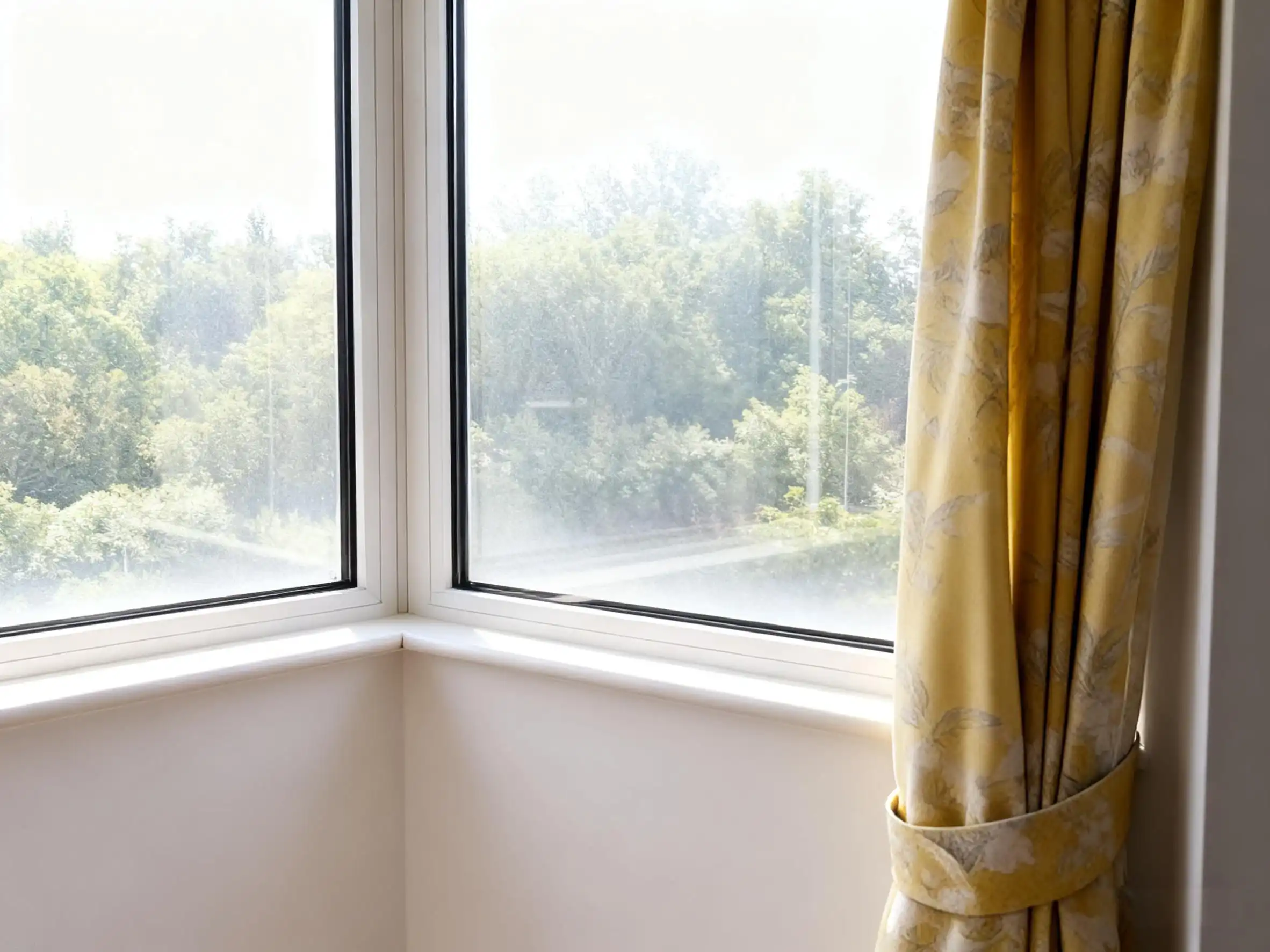
Corner window configurations present unique engineering challenges compared to standard window installations. The junction point where two window frames meet at a right angle creates potential thermal bridging if not properly designed. Premium PVC Corner Window systems eliminate visible mullions at the corner intersection, using specially engineered corner posts that maintain structural integrity while creating unobstructed panoramic views. This seamless design approach distinguishes quality corner windows from simple adjacent window installations that merely position two standard units side by side. Structural reinforcement becomes critical in corner window assemblies bearing glass loads from two directions simultaneously. Haolv Building Materials incorporates steel reinforcement within the uPVC profiles at all corner connection points, distributing loads evenly across the assembly. This engineering approach prevents the sagging common in undersized corner window systems, maintaining precise alignment of operating sashes throughout the window's service life. The reinforcement strategy also allows larger glazing panels, maximizing daylight penetration and views without compromising weather performance or security. Thermal performance at corner connections requires careful attention to prevent energy loss at the junction point. Multi-chamber profile designs extend through corner posts, maintaining continuous air barriers around the entire window perimeter. Advanced corner window systems from manufacturers like Haolv feature corner posts with identical thermal characteristics to straight frame sections, eliminating cold spots visible on infrared scans of inferior assemblies. This consistent thermal performance keeps interior glass surfaces warmer in winter, reducing condensation risk and improving occupant comfort near corner window installations.
Glass Configuration Options
Glass selection dramatically impacts PVC Corner Window performance and appearance. Standard double glazing configurations using 5mm glass panels separated by 18mm air spaces provide baseline thermal and acoustic performance suitable for most residential applications. However, corner installations often benefit from enhanced glazing specifications due to increased glass area and exposure to solar radiation from multiple orientations. Low-emissivity coatings reduce radiant heat transfer, particularly valuable on corner windows with western or southern exposure where solar heat gain can overwhelm cooling systems. Triple glazing configurations offer maximum thermal performance for corner window installations in extreme climates. The additional glass layer and air space increase the insulation value substantially, though adding weight that requires robust frame reinforcement. Haolv Building Materials engineers our 100 Series profiles specifically for triple glazing applications, incorporating reinforcement schedules that support the additional load without deflection. Laminated glass options provide enhanced security and sound dampening, replacing the inner glass panel with two glass layers bonded around a plastic interlayer that holds glass fragments together if breakage occurs. Specialty glass treatments expand PVC Corner Window functionality beyond basic weatherproofing. Tinted glass reduces solar heat gain and glare while maintaining views, valuable for corner installations facing bright exposures. Reflective coatings create privacy without curtains or blinds, useful for corner windows overlooking neighboring properties. Haolv Building Materials works with glazing suppliers to specify appropriate glass configurations for each project's orientation, climate zone, and performance priorities, ensuring corner window assemblies deliver optimal comfort and efficiency.
Manufacturing Quality Differences
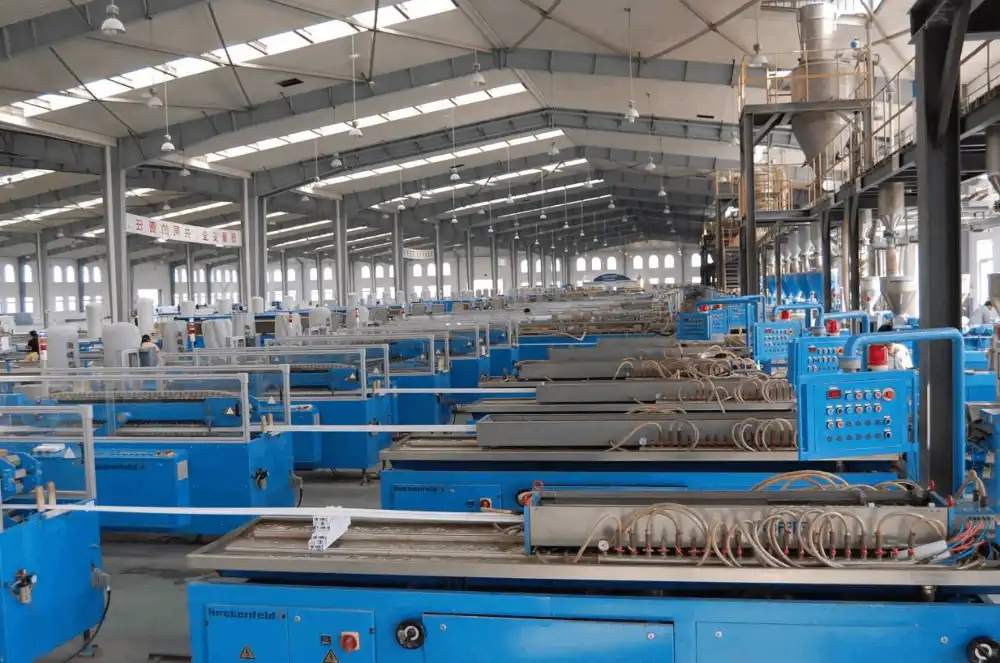
Manufacturing precision separates exceptional corner window products from commodity alternatives despite using similar base materials. The extrusion process creating uPVC profiles must maintain tight dimensional tolerances, ensuring frame components align perfectly during assembly. Variations of even one millimeter can create gaps compromising weather resistance and thermal performance. Haolv Building Materials operates CNC-controlled extrusion lines monitoring profile dimensions continuously, maintaining specifications throughout production runs. This consistency allows our assembly technicians to create corner connections fitting together precisely without gaps or misalignment. Welding technology joins frame corners, fusing uPVC sections into monolithic assemblies stronger than mechanically fastened joints. Automated welding equipment maintains precise temperatures and pressures, creating consistent welds throughout production. Manual welding introduces variability that compromises corner strength and weather resistance. After welding, corner cleaning equipment removes excess material, leaving smooth joints ready for finishing. Haolv's automated corner cleaning systems create uniform appearances across all corner window assemblies, eliminating the inconsistent results common with manual finishing methods. Quality control processes verify that each PVC Corner Window assembly meets performance specifications before shipping. Testing protocols check operating hardware function, weather seal compression, and corner joint strength. Haolv Building Materials subjects random production samples to accelerated weathering tests, simulating years of exposure to verify long-term durability. This comprehensive testing approach identifies potential issues before products reach construction sites, protecting our reputation and your project schedule. Lesser manufacturers skip these verification steps, shipping products that may fail prematurely under normal service conditions.
Surface Treatment and Finishing
Surface treatment protects uPVC profiles from environmental degradation while providing aesthetic appeal. Basic white profiles require only careful extrusion and quality raw materials to maintain appearance through decades of service. Colored profiles demand additional processing steps applying pigmented cap stocks or specialized coatings that resist fading under UV exposure. Dark colors particularly challenge PVC Corner Window manufacturers, as absorbed solar radiation raises surface temperatures potentially causing warping in inferior formulations. Wood grain finishes replicate natural timber aesthetics without maintenance requirements, popular for corner windows in traditional architectural styles. These finishes apply textured films to extruded profiles through heat and pressure, creating realistic wood appearances in various species patterns. Haolv Building Materials offers wood grain options in our corner window product lines, allowing architects to specify contemporary uPVC performance with classic visual appeal. The laminated films resist peeling and fading better than painted finishes, maintaining appearance without periodic refinishing. Coextruded cap stock technology represents the premium approach to colored uPVC profiles. This process extrudes a thin layer of specially formulated, UV-stabilized material over the structural profile during manufacturing, creating integral color that cannot peel or delaminate. Cap stock formulations include heat-reflective compounds allowing darker colors without the thermal expansion problems plaguing painted or basic colored profiles. This technology enables PVC Corner Window products in sophisticated color palettes previously unavailable in uPVC systems, expanding design possibilities for contemporary projects.
Installation and Performance Factors
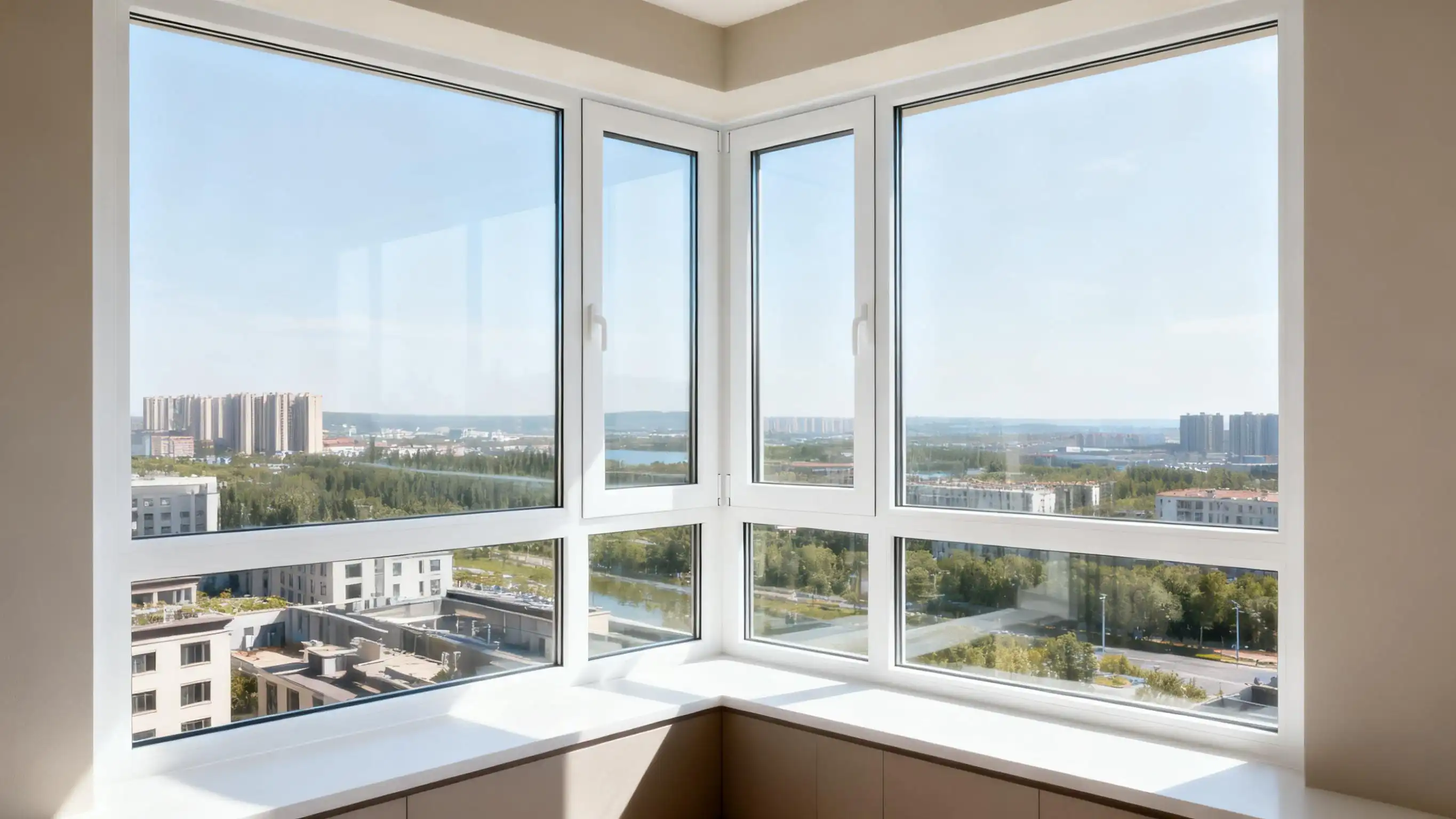
Proper installation determines whether premium corner window products deliver their designed performance. The window-to-wall connection requires careful attention to maintain the thermal envelope while supporting structural loads. Shims position the frame level and plumb within the rough opening, critical for corner assemblies where misalignment prevents sashes from operating properly. After positioning, expanding foam sealant fills gaps between the frame and rough opening, creating an air seal preventing infiltration around the installation perimeter. Exterior flashing integration protects the window installation from water penetration. Self-adhering membrane flashings seal the rough opening before window installation, overlapping with wall weather barriers to direct any infiltrating water back exterior. Head flashing extends over the window frame, shedding water away from the vulnerable joint at the frame top. Haolv Building Materials provides installation guides detailing proper flashing sequences for our PVC Corner Window products, ensuring installers understand critical waterproofing steps protecting their installations. Following these guidelines prevents the premature failures common when installation shortcuts compromise properly engineered window assemblies. Long-term performance depends on periodic maintenance despite uPVC's reputation for being maintenance-free. Annual inspections verify that weather stripping remains intact and operating hardware functions smoothly. Lubricating hinges and locking mechanisms with appropriate products prevents premature wear, while cleaning tracks removes debris that can interfere with sash operation. Haolv's corner window assemblies require minimal maintenance compared to alternative materials, but attention to these simple tasks ensures decades of trouble-free service. Our technical support team provides maintenance schedules helping building managers preserve their investment in premium corner window installations.
Energy Efficiency and Sustainability
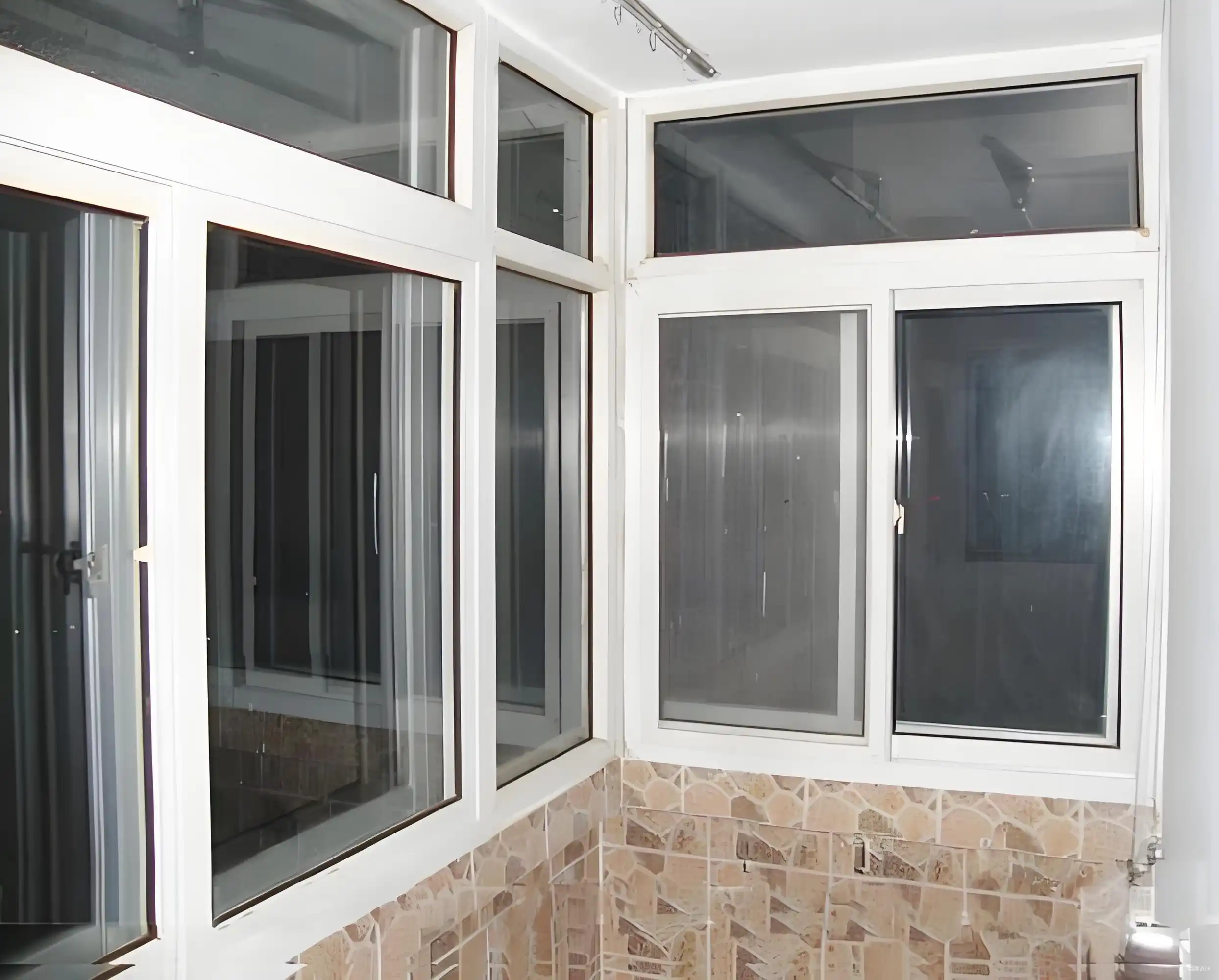
Energy performance has become central to corner window selection as building codes tighten thermal requirements. U-factor measurements quantify heat transfer through window assemblies, with lower numbers indicating better insulation. Quality PVC Corner Window systems achieve U-factors between 0.25 and 0.30 with standard double glazing, meeting or exceeding requirements in most climate zones. Enhanced glazing configurations push performance below 0.20, approaching wall insulation values while maintaining transparency. This thermal performance reduces heating and cooling loads, lowering utility costs and environmental impact throughout the building's service life. Solar heat gain coefficients measure how much solar radiation passes through glazing, important for managing cooling loads and occupant comfort. Corner windows facing multiple orientations require careful attention to solar heat gain, as excessive admission can overwhelm air conditioning systems during summer months. Low-emissivity coatings selectively filter solar radiation, admitting visible light while reflecting infrared wavelengths that carry heat energy. Haolv Building Materials works with clients to specify appropriate solar heat gain coefficients for each orientation, balancing daylight access with thermal comfort and energy efficiency. Sustainability considerations extend beyond operational energy consumption to embodied carbon and end-of-life recycling. uPVC manufacturing requires less energy than aluminum extrusion, reducing carbon emissions associated with PVC Corner Window production. The material's durability means corner window assemblies remain in service for decades, avoiding the replacement cycles required with less robust alternatives. At the end of their service life, uPVC profiles are recyclable, with specialized processors separating glass, hardware, and polymer components for reuse. Haolv Building Materials supports circular economy principles, designing corner window systems for eventual disassembly and material recovery.
Conclusion
PVC corner windows and vinyl corner windows represent the same product category, manufactured from unplasticized polyvinyl chloride with variations in quality rather than fundamental material differences. Success comes from selecting manufacturers demonstrating consistent material quality, precise fabrication, and comprehensive technical support throughout your project.
Cooperate With Hunan Haolv Building Materials Co., Ltd.
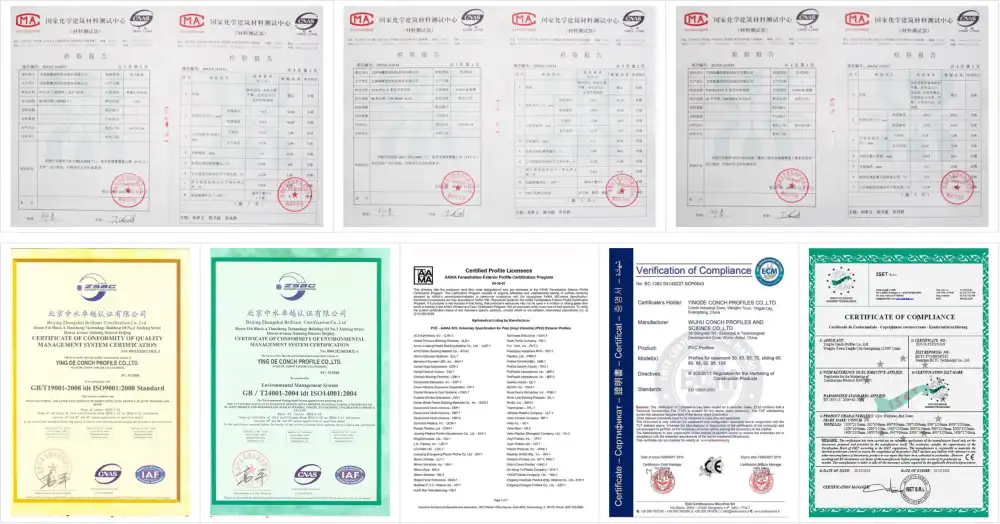
Partner with a China PVC Corner Window manufacturer delivering exceptional value through proven expertise. As a leading China PVC Corner Window supplier and China PVC Corner Window factory, Haolv Building Materials combines 18 years of manufacturing excellence with advanced production capabilities. Our wholesale PVC Corner Window options include comprehensive customization serving residential, commercial, and hospitality projects worldwide. Request your PVC Corner Window quotation today to discover competitive PVC Corner Window price structures reflecting our efficient operations. Our Bulk PVC Corner Window capabilities support projects of any scale, while our PVC Corner Window Pricelist provides transparent pricing for budget planning. Every Customized PVC Corner Window reflects our commitment to precision engineering and quality assurance. Contact kristin@haolvwindows.com for technical consultation, complimentary samples, and project-specific solutions backed by our global logistics network and 24-hour customer support. Transform your architectural vision with corner window systems delivering lasting performance and distinctive aesthetic appeal.
References
1. National Fenestration Rating Council. Energy Performance Ratings for Windows, Doors, and Skylights. NFRC Certification Program Standards.
2. American Architectural Manufacturers Association. Vinyl Window and Door Profile Specifications. AAMA Standards and Guidelines for Window Manufacturing.
3. Smith, Robert J. Modern Window Engineering: Materials and Performance. Building Science Press.
4. International Building Code. Energy Efficiency Requirements for Fenestration Products. ICC Building Codes and Standards.
5. Wilson, Alex. Green Building Materials: A Guide to Product Selection and Specification. Environmental Building News.

USER EVALUATE
Here is the customer's evaluation of us