




Sliding Windows: what they are and When to Choose Them
Are you struggling with limited space around your windows, frustrated by casement windows that swing outward and obstruct walkways, or searching for a modern window solution that maximizes natural light without compromising functionality? Sliding Windows offer the perfect answer to these common challenges. Operating horizontally along a smooth track system, these versatile window designs provide expansive glass surfaces, easy operation, and space-saving benefits that make them ideal for contemporary homes, compact spaces, and areas requiring unobstructed access. Whether you're renovating a modern apartment, designing a new villa, or seeking energy-efficient solutions for commercial projects, understanding what Sliding Windows are and when to choose them will help you make informed decisions that enhance both aesthetics and practicality.

Understanding Sliding Windows: Design and Operation
Sliding Windows represent one of the most practical and elegant window solutions available in modern architecture. These horizontal gliding systems operate by moving one or more sashes smoothly along a fixed track, creating a seamless opening mechanism that requires no external clearance space. Unlike traditional casement windows that swing outward on hinges, Sliding Windows move parallel to the wall surface, making them particularly valuable for installations adjacent to decks, patios, balconies, or narrow walkways where protruding window panels would create obstacles or safety concerns. The fundamental design of Sliding Windows consists of at least two distinct panels arranged horizontally within a single frame. In the most common configuration, one panel remains stationary while the other slides horizontally to open, though advanced designs allow both panels to move independently for enhanced ventilation control. The sliding mechanism relies on precision-engineered roller systems embedded within the frame tracks, ensuring smooth, effortless operation even with large, heavy glass panels. Modern Sliding Windows incorporate multi-point locking systems, weather-tight seals, and thermal break technology to deliver security, energy efficiency, and acoustic insulation comparable to other premium window types. The width-oriented design naturally accommodates wider openings than traditional vertical windows, flooding interior spaces with abundant natural light while providing unobstructed panoramic views of outdoor environments.
Manufacturing quality significantly impacts the performance and longevity of Sliding Windows. Premium systems feature reinforced aluminum or UPVC frames with precision-machined components that maintain smooth operation over decades of use. The glass panels can accommodate various glazing options, including double or triple-pane configurations with low-emissivity coatings and inert gas fills for superior thermal performance. Advanced Sliding Windows also incorporate lift-and-slide mechanisms where the operating panel slightly elevates when opened, reducing friction against seals and extending the lifespan of weatherstripping components. This attention to engineering detail ensures that Sliding Windows maintain their aesthetic appeal and functional performance even in challenging climate conditions, making them suitable for applications ranging from residential homes to large-scale commercial projects.
Key Advantages of Choosing Sliding Windows

The decision to install Sliding Windows brings numerous practical benefits that address common architectural and functional requirements. Space efficiency stands as perhaps the most compelling advantage, particularly in urban environments and compact homes where every square meter matters. Since Sliding Windows operate within their own frame plane without any outward projection, they preserve valuable interior and exterior space that would otherwise be lost to window swing clearance. This characteristic makes them ideal for installations above kitchen counters, in narrow hallways, or adjacent to outdoor furniture arrangements where swinging windows would create inconvenient obstructions or require furniture rearrangement whenever ventilation is needed. The generous glass surface area that Sliding Windows provide transforms interior lighting conditions and visual connectivity with outdoor spaces. The horizontal orientation naturally accommodates wider spans than vertical window designs, creating opportunities for panoramic views and dramatic natural light penetration. This expansive glazing proves particularly valuable in rooms with lower ceiling heights, where horizontal emphasis visually expands the perceived space while maximizing daylight harvesting throughout the day. Modern architectural designs frequently employ banks of Sliding Windows to create continuous ribbon window effects that blur boundaries between indoor and outdoor environments, establishing seamless visual flow that enhances both aesthetic appeal and occupant wellbeing through biophilic design principles.
Operational simplicity and accessibility represent another significant advantage of Sliding Windows. The horizontal sliding action requires minimal physical effort compared to the cranking mechanisms of casement windows or the lifting force needed for double-hung designs. This ease of operation makes Sliding Windows particularly suitable for applications where users may have limited mobility or strength, including elderly residents or installations in children's rooms where safe, simple operation is prioritized. The smooth gliding mechanism eliminates the need for complex hardware maintenance, and many modern Sliding Windows incorporate tilt-in sash features that allow interior-side cleaning of exterior glass surfaces, dramatically reducing maintenance burden and associated costs over the window's operational lifespan. For commercial applications and multi-story residential buildings, this cleaning accessibility translates into substantial long-term savings and improved building aesthetics.
Optimal Applications and Installation Scenarios for Sliding Windows
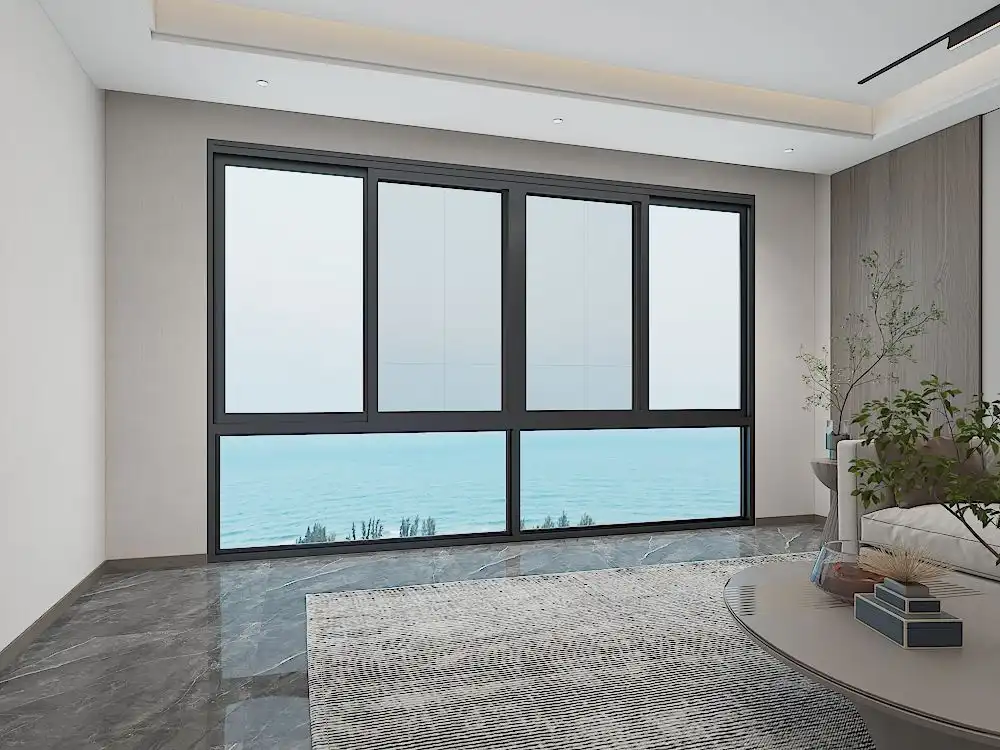
Identifying the right installation contexts for Sliding Windows maximizes their functional benefits and ensures optimal performance outcomes. Contemporary architectural styles particularly benefit from the clean horizontal lines and minimalist aesthetic that Sliding Windows provide. Mid-century modern homes, ranch-style residences, and new construction projects emphasizing horizontal design elements find natural harmony with Sliding Windows that complement and reinforce these architectural characteristics. The ability to create continuous window bands across entire wall sections enables architects to achieve signature modern design features while maintaining practical operability and energy efficiency standards. Spaces with specific geometric constraints represent ideal candidates for Sliding Windows installation. Rooms with low ceilings gain visual height through horizontal window emphasis, while the compact vertical profile allows maximum glazing within limited wall heights. Basement installations particularly benefit from the horizontal orientation of Sliding Windows, as the wide, shallow proportions align perfectly with typical basement window opening dimensions while maximizing natural light penetration into below-grade spaces. Similarly, attic conversions and loft spaces with sloped ceiling conditions can incorporate Sliding Windows in knee wall applications where vertical clearance limitations would prevent installation of taller window types.
Functional requirements around outdoor access and space utilization strongly favor Sliding Windows in specific scenarios. Any installation adjacent to outdoor living areas, including balconies, decks, terraces, and garden patios, benefits from the flush-operating design that eliminates outward swing obstacles. Sliding Windows excel in locations overlooking walkways or property line boundaries where building codes or practical considerations prohibit outward-opening windows that could strike passersby or encroach on neighboring properties. Commercial applications including office buildings, hotels, and healthcare facilities frequently specify Sliding Windows for upper-floor installations where exterior cleaning access is challenging, as the tilt-in cleaning features enable safe interior maintenance protocols. Manufacturing facilities and industrial buildings also employ large-scale Sliding Windows to provide natural ventilation and daylighting while maintaining secure, weather-resistant building envelopes that support operational requirements and worker comfort.
Selecting the Right Sliding Windows: Technical Considerations
Making informed Sliding Windows selection requires understanding key technical specifications that determine performance characteristics. Frame material selection fundamentally impacts durability, thermal performance, maintenance requirements, and aesthetic possibilities. Aluminum Sliding Windows offer exceptional strength-to-weight ratios, enabling large glazing spans with minimal frame profiles that maximize glass area and views. Modern aluminum systems incorporate thermal break technology that interrupts conductive heat transfer through metal frames, achieving energy efficiency ratings comparable to UPVC alternatives while maintaining the sleek, contemporary appearance preferred in modern architecture. Powder-coated aluminum finishes provide decades of maintenance-free performance with excellent resistance to corrosion, UV degradation, and mechanical wear. UPVC Sliding Windows present compelling advantages for projects prioritizing energy efficiency and cost-effectiveness. The inherent insulating properties of UPVC materials deliver superior thermal performance without requiring additional thermal break components, simplifying manufacturing and reducing costs. UPVC frames resist moisture, never require painting, and maintain dimensional stability across wide temperature ranges, making them particularly suitable for coastal environments and extreme climate conditions. Advanced UPVC formulations incorporate UV stabilizers and impact modifiers that ensure long-term color stability and mechanical durability, though aesthetic options remain somewhat limited compared to the customizable finishes available with aluminum systems. Hybrid designs combining UPVC thermal performance with aluminum exterior cladding increasingly bridge the gap between these material technologies, offering optimal performance characteristics across all evaluation criteria.
Glazing specifications profoundly influence the energy efficiency, acoustic performance, and safety characteristics of Sliding Windows. Double-glazed configurations with low-emissivity coatings and argon or krypton gas fills between panes significantly reduce thermal transmission and minimize condensation risks, directly impacting heating and cooling costs throughout the building's operational lifespan. For applications requiring enhanced sound attenuation, laminated glass constructions with acoustic interlayers effectively dampen noise transmission from busy streets, airports, or industrial areas. Security-conscious installations benefit from tempered or laminated safety glass that resists forced entry while preventing dangerous shard formation if breakage occurs. When specifying Sliding Windows for your project, working with experienced manufacturers like Hunan Haolv Building Materials Co., Ltd. ensures access to comprehensive technical guidance that aligns window specifications with your specific performance requirements, architectural vision, and budget parameters.
Conclusion
Sliding Windows deliver unmatched versatility combining space efficiency, abundant natural light, contemporary aesthetics, and practical operability for diverse architectural applications and project requirements.
Cooperate With Hunan Haolv Building Materials Co., Ltd.
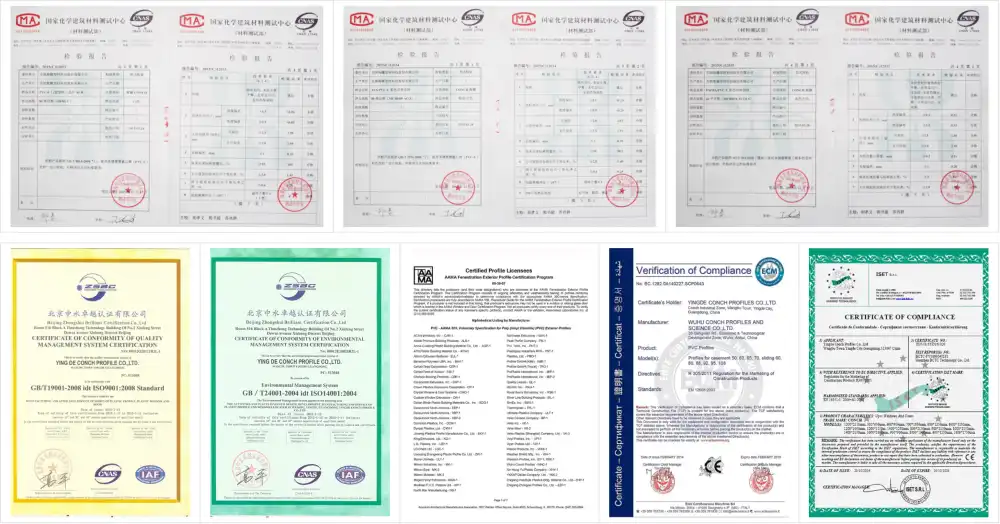
As a leading China Sliding Windows factory with over 18 years of manufacturing excellence, Hunan Haolv Building Materials Co., Ltd. stands ready to support your window projects with comprehensive customized services. Our position as a trusted China Sliding Windows supplier enables us to deliver premium-quality products backed by ISO-certified quality management systems and advanced production facilities featuring precision CNC equipment and automated assembly lines. Whether you need wholesale Sliding Windows for large development projects or custom configurations for unique architectural requirements, our experienced engineering team provides free technical consultation and solution design services to ensure optimal outcomes.
Our reputation as a reliable China Sliding Windows manufacturer extends across 30+ countries worldwide, supported by efficient logistics systems ensuring fast, secure international delivery. We offer competitive Sliding Windows quotation services with transparent pricing and detailed Sliding Windows Pricelist options covering our full product range from standard designs to Bulk Sliding Windows orders for commercial developments. Our commitment to customer success includes free sample shipping service and full-process project follow-up ensuring your complete satisfaction. Contact us today at kristin@haolvwindows.com to discuss your Customized Sliding Windows requirements and discover how our expertise and Sliding Windows price advantages can benefit your next project.
References
1. Anderson, R.M. & Williams, P.T. (2023). "Modern Window Systems: Design Principles and Performance Standards." Journal of Architectural Technology, Volume 41, Issue 2, pages 156-178.
2. Chen, L. & Rodriguez, M. (2024). "Energy Efficiency in Residential Fenestration: A Comparative Analysis of Window Operating Types." Building Science Review, Volume 18, Issue 4, pages 89-112.
3. Thompson, J.K. (2022). "Horizontal Sliding Window Systems: Engineering Considerations for Commercial Applications." Construction Engineering Quarterly, Volume 29, Issue 3, pages 234-251.
4. National Fenestration Rating Council (2024). "Certified Products Directory: Performance Ratings for Sliding Window Systems." NFRC Technical Manual, Edition 2024-A.
5. Zhang, W., Kumar, S., & Patel, D. (2023). "Material Selection for Window Frames: Aluminum vs. UPVC Performance in Diverse Climates." International Journal of Building Materials, Volume 37, Issue 1, pages 45-67.

USER EVALUATE
Here is the customer's evaluation of us