




What are the three types of sliding windows?
Are you struggling to choose the right window solution for your home or commercial space? Picture this: you're renovating your living room and want maximum natural light without sacrificing floor space, but traditional windows just won't cut it. The answer lies in understanding the three types of Sliding Windows—single slider, double slider, and three-panel (tri-sash) slider windows—each offering unique benefits for ventilation, views, and space efficiency. Whether you're building a new home, upgrading existing windows, or working on a commercial project, selecting the right Sliding Windows type can transform your space while improving functionality and energy efficiency.

Understanding the Three Main Types of Sliding Windows
Sliding Windows have revolutionized modern architecture by offering homeowners and builders a perfect combination of simplicity, functionality, and aesthetic appeal. Unlike traditional casement or double-hung windows that swing outward or move vertically, Sliding Windows operate horizontally along a track system, making them ideal for spaces where outward projection would be impractical. The three primary types of Sliding Windows each serve distinct purposes and cater to different spatial requirements and design preferences.

Single Slider Windows: The Cost-Effective Solution
Single slider windows represent the most straightforward and economical option among Sliding Windows configurations. This design features one fixed pane and one movable sash that glides horizontally across the frame. The simplicity of this mechanism makes single slider windows incredibly easy to operate and maintain, requiring minimal hardware and offering reliable long-term performance. The fixed pane provides a stable, unobstructed view, while the movable section allows for controlled ventilation when needed. This type is particularly popular in residential applications where budget considerations are important without compromising on quality or functionality. The operational simplicity of single slider windows translates into several practical advantages for homeowners and property managers. Because only one panel moves, there are fewer mechanical components that can wear out over time, resulting in lower maintenance requirements and extended lifespan. The fixed pane can be positioned on either the left or right side depending on the specific needs of the room and the direction of prevailing winds, allowing for customized airflow patterns. Single slider Sliding Windows are commonly installed in bedrooms, kitchens, and smaller living spaces where adequate ventilation is needed but full opening capability is not essential. The streamlined design also makes these windows easier to clean from the interior, as the movable sash can often be tilted inward for maintenance access.
Double Slider Windows: Enhanced Ventilation and Flexibility
Double slider windows elevate the functionality of Sliding Windows by incorporating two independently movable sashes within a single frame. This configuration allows both panels to slide horizontally, providing homeowners with superior control over ventilation and airflow throughout their living spaces. The ability to open either side of the window or both simultaneously makes double slider windows exceptionally versatile, accommodating changing weather conditions and personal comfort preferences throughout different seasons. This type has become increasingly popular in modern residential and commercial construction due to its balanced combination of practicality and contemporary aesthetics. The dual-operation capability of double slider Sliding Windows offers distinct advantages in larger rooms where cross-ventilation is beneficial for air quality and temperature regulation. Kitchens and bathrooms particularly benefit from this window type, as the flexible opening options allow for quick moisture evacuation and odor removal while maintaining privacy and security. The symmetrical design of double slider windows also creates a more balanced visual appearance on building facades, contributing to architectural harmony in both residential and commercial applications. From a maintenance perspective, having two movable sashes means both sides can typically be accessed for cleaning without requiring external ladders or specialized equipment, making routine upkeep safer and more convenient for property owners.
Three-Panel (Tri-Sash) Slider Windows: Panoramic Views and Maximum Light
Three-panel slider windows, also known as tri-sash or triple slider configurations, represent the premium option among Sliding Windows designs. This sophisticated arrangement typically features a large fixed center pane flanked by two movable sashes on either side, creating an expansive glass surface that maximizes natural light penetration and provides stunning panoramic views of the surrounding landscape. The substantial fixed central panel serves as a picture window, eliminating any visual obstruction in the primary sightline, while the operational side panels offer versatile ventilation options to suit different environmental conditions and user preferences. The architectural impact of three-panel Sliding Windows cannot be overstated, particularly in spaces designed to showcase outdoor vistas or connect interior living areas with gardens, patios, or scenic surroundings. Living rooms, great rooms, and master bedrooms are ideal locations for tri-sash slider installations, where the combination of abundant natural light and uninterrupted views creates an enhanced sense of spaciousness and connection to nature. The large glass area also contributes to passive solar heating in cooler months, potentially reducing energy costs when combined with appropriate glazing technologies. Commercial applications such as hotel lobbies, restaurant dining areas, and office conference rooms frequently specify three-panel Sliding Windows to create impressive visual statements while maintaining practical ventilation capabilities. The ability to open ventilation from either side of the fixed center panel provides balanced airflow distribution, particularly valuable in larger rooms where air circulation might otherwise be uneven.

Material Considerations for Sliding Windows Performance
The performance, durability, and aesthetic qualities of Sliding Windows depend significantly on the frame materials selected during specification and procurement. Modern manufacturing technologies have advanced considerably, offering diverse material options that cater to different climatic conditions, architectural styles, and budget parameters. Understanding the characteristics of available materials enables architects, contractors, and property owners to make informed decisions that balance initial investment with long-term performance and maintenance requirements.
Aluminum Sliding Windows: Superior Strength and Modern Aesthetics

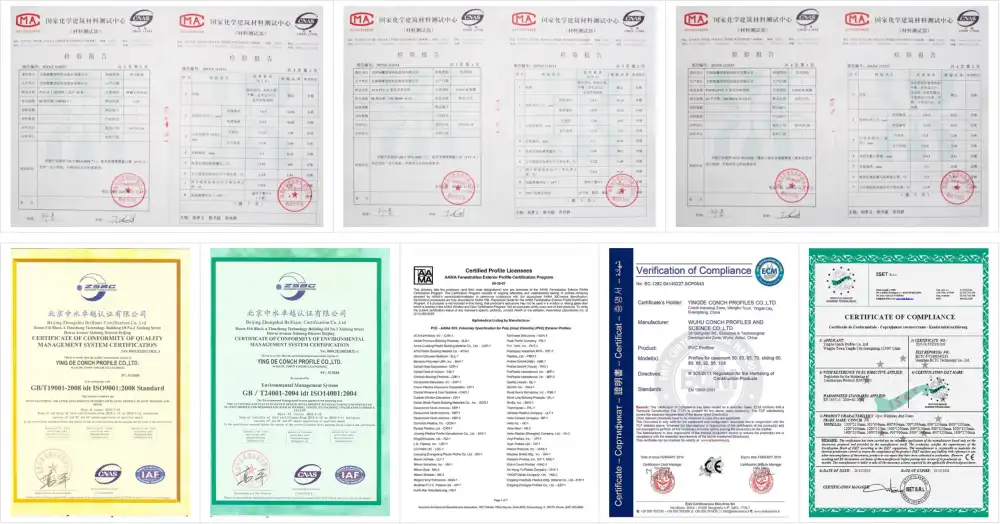
Aluminum has emerged as the premium material choice for Sliding Windows in contemporary construction projects, particularly where structural integrity, longevity, and sleek design profiles are paramount. The inherent strength of aluminum allows for slimmer frame profiles compared to other materials, maximizing the glass-to-frame ratio and enhancing natural light transmission while maintaining structural integrity even in large window configurations. Modern aluminum extrusion technologies enable the creation of thermally broken frame systems that address historical concerns about heat conductivity, incorporating polyamide barriers that significantly improve thermal performance and energy efficiency. At Hunan Haolv Building Materials Co., Ltd., we specialize in manufacturing high-quality aluminum Sliding Windows using advanced extrusion lines and precision engineering processes. Our aluminum frames undergo comprehensive surface treatments including anodizing and powder coating, which not only enhance aesthetic appeal through diverse color and finish options but also provide exceptional resistance to corrosion, UV degradation, and environmental weathering. This makes aluminum Sliding Windows particularly suitable for coastal environments, high-humidity regions, and areas with significant temperature fluctuations. The dimensional stability of aluminum ensures that window operations remain smooth and reliable throughout decades of service, with minimal risk of warping, swelling, or deterioration that can affect other frame materials. Our ISO-certified manufacturing processes guarantee that every aluminum Sliding Windows product meets international standards for structural performance, weather resistance, and operational longevity.
UPVC Sliding Windows: Energy Efficiency and Low Maintenance
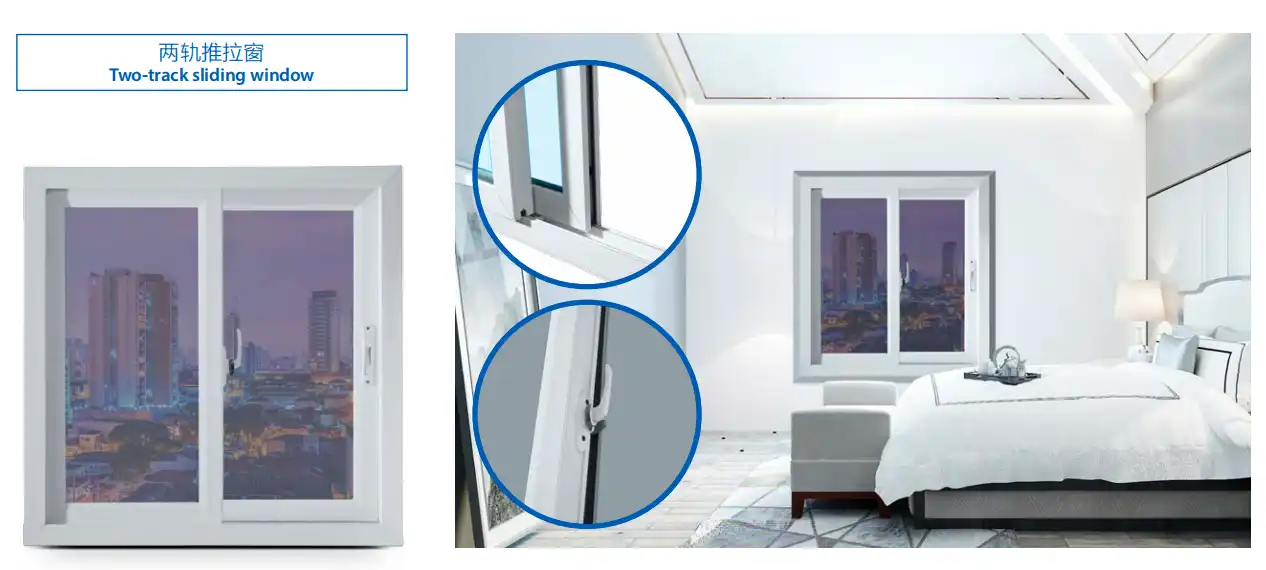
UPVC (Unplasticized Polyvinyl Chloride) represents an increasingly popular material choice for Sliding Windows, particularly in residential applications where energy efficiency, low maintenance requirements, and cost-effectiveness are primary considerations. The cellular structure of UPVC provides excellent thermal insulation properties, helping to reduce heat transfer between interior and exterior environments and contributing to lower heating and cooling costs throughout the year. Unlike painted wood or metal frames, UPVC Sliding Windows never require repainting, sealing, or intensive maintenance treatments, maintaining their appearance and functionality with simple periodic cleaning using mild detergents and water. The manufacturing versatility of UPVC allows for the creation of Sliding Windows in various color options, including woodgrain finishes that replicate the appearance of traditional timber frames without the associated maintenance burdens. Modern UPVC formulations incorporate UV stabilizers and impact modifiers that ensure long-term color retention and structural integrity even under prolonged exposure to intense sunlight and temperature extremes. At Hunan Haolv Building Materials Co., Ltd., our UPVC Sliding Windows production utilizes state-of-the-art extrusion technology and multi-chamber profile designs that optimize thermal performance while maintaining the structural strength necessary for reliable long-term operation. The fusion-welded corner joints in our UPVC frames create seamless, weathertight assemblies that eliminate potential infiltration points for air and water, contributing to superior energy performance and interior comfort throughout all seasons.
Installation Applications and Design Considerations
Selecting the appropriate type of Sliding Windows for specific applications requires careful consideration of multiple factors including room function, spatial constraints, architectural style, climate conditions, and performance requirements. Understanding how different window types interact with various building spaces enables designers and property owners to optimize natural light, ventilation, views, and energy efficiency while complementing overall architectural aesthetics and supporting occupant comfort and wellbeing.
Residential Applications: Enhancing Home Comfort and Value
In residential construction and renovation projects, Sliding Windows have become increasingly favored for their ability to seamlessly integrate functionality with contemporary design sensibilities. Single slider configurations work exceptionally well in bedrooms and secondary living spaces, providing reliable ventilation and natural light without requiring excessive wall space or complex operating mechanisms. The simplicity of operation makes these windows particularly appropriate for children's rooms, guest bedrooms, and home offices where ease of use and safety are important considerations. Double slider Sliding Windows are frequently specified for kitchen installations, particularly above countertops and sinks where reaching across work surfaces to operate outward-swinging windows would be inconvenient or unsafe. Three-panel slider Sliding Windows create dramatic focal points in great rooms, master bedroom suites, and home entertainment spaces, where the expansive glass surfaces frame outdoor views and flood interiors with natural light that enhances spatial perception and creates uplifting living environments. In villa and high-end residential projects, custom-sized tri-sash Sliding Windows can span entire walls, effectively dissolving boundaries between interior and exterior spaces and extending living areas into surrounding gardens, terraces, and landscape features. The horizontal orientation of Sliding Windows naturally complements modern architectural styles characterized by clean lines and minimalist detailing, though appropriate sizing and proportion can successfully integrate these windows into traditional and transitional home designs as well.
Commercial Applications: Performance in Demanding Environments
Commercial buildings present unique challenges and opportunities for Sliding Windows implementation, requiring products that combine aesthetic appeal with enhanced durability, security, and maintainability to serve diverse user populations over extended service lives. Office buildings, particularly in contemporary corporate campuses and creative workplace environments, increasingly specify large-format Sliding Windows to maximize daylight penetration, support occupant wellbeing, and reduce artificial lighting energy consumption. The substantial glass areas achievable with three-panel slider configurations help create bright, engaging work environments that promote productivity and employee satisfaction while contributing to green building certification requirements. Retail and hospitality applications leverage Sliding Windows to create transparent, inviting facades that showcase interior spaces and merchandise while facilitating natural ventilation during moderate weather conditions. Restaurant dining areas, hotel lobbies, and resort guest rooms benefit from the panoramic views and abundant natural light that large Sliding Windows provide, enhancing guest experiences and supporting premium positioning in competitive markets. At Hunan Haolv Building Materials Co., Ltd., we manufacture commercial-grade Sliding Windows with reinforced frame structures, commercial-grade hardware, and enhanced security features that meet the demanding performance requirements of multi-family residential buildings, institutional facilities, and commercial complexes. Our products have been successfully exported to over thirty countries worldwide, serving diverse climatic zones and architectural traditions with consistently excellent performance and customer satisfaction.
Performance Features and Technical Specifications

Modern Sliding Windows incorporate sophisticated engineering solutions that address energy efficiency, weather resistance, acoustic performance, and operational durability. Understanding these technical aspects enables specification of products that meet specific performance criteria while balancing investment costs with long-term operational benefits and maintenance considerations. The integration of advanced glazing technologies, precision-manufactured frame systems, and high-quality hardware components creates Sliding Windows products that deliver reliable performance throughout decades of service in diverse environmental conditions.
Energy Efficiency and Thermal Performance
Contemporary Sliding Windows achieve impressive energy efficiency through the combination of thermally optimized frame designs and advanced glazing technologies. Multi-chamber frame profiles in both aluminum and UPVC systems create multiple barriers to heat transfer, effectively reducing thermal bridging and improving overall window insulation values. When combined with low-emissivity glass coatings, argon or krypton gas fills, and multiple glazing layers, modern Sliding Windows can achieve U-values and Solar Heat Gain Coefficients that meet or exceed stringent energy code requirements in various climate zones. The improved thermal performance translates directly into reduced heating and cooling loads, lowering operational energy costs and contributing to environmental sustainability objectives. At Hunan Haolv Building Materials Co., Ltd., our engineering team carefully optimizes frame geometry and material composition to maximize thermal resistance while maintaining structural strength and aesthetic appeal. The precision manufacturing processes in our facility, including CNC machining and automated assembly systems, ensure consistent quality and tight dimensional tolerances that are essential for achieving specified energy performance targets. Our strict quality control procedures verify thermal performance through laboratory testing that simulates real-world conditions, ensuring that installed Sliding Windows will deliver the energy savings and comfort improvements that designers and building owners expect throughout the service life of the building.
Weather Resistance and Durability
Effective weather resistance represents a fundamental performance requirement for Sliding Windows in any climate, protecting building interiors from water infiltration, air leakage, and wind-driven precipitation while maintaining structural integrity under environmental loading. Modern Sliding Windows incorporate sophisticated weather-stripping systems featuring compression seals, brush seals, and drainage systems that work in concert to manage water and prevent infiltration even during severe weather events. The multi-point locking mechanisms specified in quality Sliding Windows not only enhance security but also compress weather seals uniformly across the entire perimeter, creating consistent weathertight performance that prevents drafts and moisture problems. Our manufacturing facility at Hunan Haolv Building Materials Co., Ltd. maintains rigorous quality assurance protocols throughout every production stage, from raw material selection through final inspection and testing. Surface treatment processes for aluminum frames include comprehensive cleaning, etching, anodizing, and powder coating sequences that create durable, weather-resistant finishes capable of withstanding decades of exposure to harsh environmental conditions including salt spray, industrial pollutants, and intense UV radiation. Corner welding and assembly processes utilize automated equipment that ensures consistent joint quality and structural integrity across all products. Our UPVC Sliding Windows undergo fusion welding at corner joints, creating molecularly bonded assemblies that eliminate mechanical fasteners and potential water infiltration paths. This attention to manufacturing quality and material selection has earned Hunan Haolv Building Materials Co., Ltd. a solid reputation throughout global markets, with products successfully performing in climates ranging from tropical coastal regions to cold continental environments.
Conclusion
Understanding the three types of Sliding Windows—single slider, double slider, and three-panel configurations—empowers architects, builders, and homeowners to select optimal window solutions that balance functionality, aesthetics, and budget considerations for any project requirement.
Cooperate With Hunan Haolv Building Materials Co., Ltd.
Ready to source premium Sliding Windows for your next project? Hunan Haolv Building Materials Co., Ltd. stands as your trusted China Sliding Windows factory, China Sliding Windows supplier, and China Sliding Windows manufacturer with eighteen years of expertise. Whether you need wholesale Sliding Windows, a detailed Sliding Windows quotation, bulk Sliding Windows orders, competitive Sliding Windows price information, a comprehensive Sliding Windows pricelist, or fully customized Sliding Windows solutions, our team provides one-stop support from free technical consultation and solution design to sample shipping and full project follow-up. Contact us at kristin@haolvwindows.com today!
References
1. "Sliding Window Design and Performance Standards" - National Fenestration Rating Council (NFRC), Technical Committee on Window Systems
2. "Energy Efficient Window Technologies for Residential Applications" - Department of Energy, Building Technologies Office
3. "Architectural Glazing Systems: Materials, Design, and Installation" - American Architectural Manufacturers Association (AAMA)
4. "Thermal Performance of Window Systems in Various Climate Zones" - ASHRAE Technical Committee, Fenestration Research Division
5. "Modern Aluminum Extrusion Technologies for Building Components" - Aluminum Association, Building and Construction Division

USER EVALUATE
Here is the customer's evaluation of us