




Thermal Break Aluminum Profiles: Key Advantages in Cold Climates
Picture this: it's the middle of winter, your heating system runs constantly, yet cold drafts still seep through your window frames. Ice crystals form on the inside glass, condensation pools on sills, and your energy bills skyrocket. This frustrating scenario affects millions of property owners in cold climate regions every year. The culprit? Traditional aluminum window frames that act as thermal highways, conducting precious heat straight outdoors. Thermal Break Aluminum Profiles offer a proven engineering solution to eliminate thermal bridging, dramatically reduce energy waste, and maintain comfortable indoor temperatures even when exterior conditions plunge below freezing. Understanding how these advanced profile systems work and why they outperform conventional alternatives becomes essential for anyone planning construction or renovation projects in regions experiencing harsh winters.
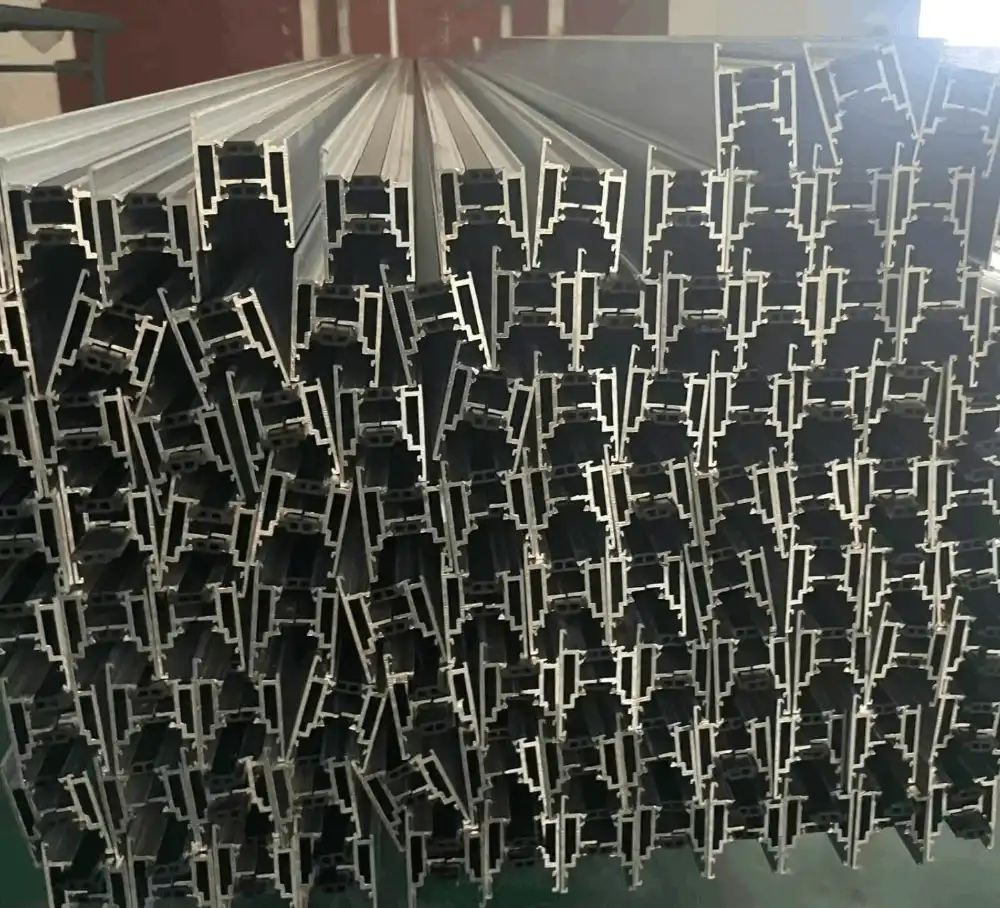
Understanding Thermal Break Technology in Cold Climate Applications
Cold climate environments present unique challenges that demand specialized building solutions. When exterior temperatures drop significantly below interior comfort levels, traditional aluminum frames create continuous thermal bridges that facilitate massive heat loss. The aluminum's high thermal conductivity essentially transforms window and door frames into cold spots that radiate uncomfortable chill into living spaces while simultaneously driving heating costs upward. Thermal Break Aluminum Profiles address this fundamental problem through intelligent engineering design. These profiles incorporate a polyamide thermal barrier strip strategically positioned between interior and exterior aluminum sections. Polyamide materials exhibit thermal conductivity approximately 500 times lower than aluminum, effectively interrupting the conductive heat transfer pathway. This separation creates distinct thermal zones within the profile system, ensuring interior frame surfaces maintain temperatures much closer to room conditions rather than mimicking harsh outdoor cold.
How Thermal Barriers Prevent Heat Loss in Freezing Conditions?
The thermal break mechanism functions as a sophisticated insulation system integrated directly into the frame structure. High-performance Thermal Break Aluminum Profiles utilize polyamide strips reinforced with glass fiber, achieving both excellent insulation properties and structural integrity necessary to maintain frame stability under mechanical loads. The width and configuration of these thermal barriers significantly influences overall thermal performance, with wider break zones generally delivering superior insulation values. In cold climate applications, properly engineered thermal break systems can reduce frame heat loss by approximately 30 to 50 percent compared to non-thermally broken alternatives. This dramatic improvement translates directly into lower heating demands throughout winter months. Properties in northern regions utilizing Thermal Break Aluminum Profiles report measurable reductions in annual heating costs, with payback periods for the initial investment typically ranging from three to seven years depending on local energy prices and climate severity. Beyond simple heat retention, thermal barriers fundamentally alter the temperature distribution across frame cross-sections. Without thermal breaks, interior frame surfaces in cold weather frequently drop below the dew point temperature of indoor air, creating conditions where moisture condenses and potentially freezes on the aluminum. Thermal Break Aluminum Profiles maintain interior surface temperatures above critical condensation thresholds, preventing moisture accumulation that leads to mold growth, finish deterioration, and structural damage over time.
Superior Condensation Control in Extreme Cold
Condensation management represents one of the most critical performance factors for window and door systems in cold climates. When warm, moisture-laden indoor air contacts cold frame surfaces, water vapor transitions to liquid state, accumulating on aluminum components. In severe cases, this moisture freezes, creating ice buildup that damages seals, corrodes hardware, and compromises operational functionality. Thermal Break Aluminum Profiles dramatically improve condensation resistance through their ability to maintain warmer interior surface temperatures. The polyamide thermal barrier effectively decouples interior and exterior frame sections thermally, preventing exterior cold from penetrating to interior surfaces. Industry testing demonstrates that quality thermal break systems can elevate interior frame surface temperatures by 10 to 15 degrees Celsius compared to non-broken profiles under identical conditions, fundamentally changing the condensation dynamics. For commercial buildings, hospitals, schools, and residential properties in cold regions, this condensation control delivers substantial practical benefits. Reduced moisture accumulation means lower maintenance requirements, extended service life for frame components, improved indoor air quality by preventing mold development, and enhanced occupant comfort by eliminating cold, damp frame surfaces. Properties utilizing Thermal Break Aluminum Profiles experience fewer warranty claims and service calls related to condensation issues, representing significant lifecycle cost advantages beyond initial energy savings.
Structural Performance and Durability in Harsh Winter Environments

Cold climate applications subject building components to extreme thermal cycling, with temperature differentials between interior and exterior sometimes exceeding 50 degrees Celsius. These conditions generate substantial thermal expansion and contraction forces within frame assemblies. Thermal Break Aluminum Profiles must withstand these stresses while maintaining dimensional stability, weathertight sealing, and operational performance across decades of service. High-quality Thermal Break Aluminum Profiles utilize premium aluminum alloys specifically selected for cold weather performance. Alloys such as 6063-T5, 6063-T6, and 6061-T6 provide excellent strength characteristics, superior corrosion resistance, and thermal expansion coefficients carefully matched to polyamide thermal break materials. This engineering compatibility ensures that thermal cycling does not generate excessive differential movement that could compromise frame integrity or create gaps in weathersealing systems.
Precision Extrusion Manufacturing for Consistent Quality
Manufacturing excellence directly impacts thermal break system performance in demanding cold climate conditions. Haolv Building Materials Co., Ltd. employs state-of-the-art precision extrusion technology to produce Thermal Break Aluminum Profiles with exceptionally tight dimensional tolerances. Advanced CNC cutting equipment and automated assembly systems ensure consistent cross-sectional geometry, proper thermal break positioning, and precise corner fabrication essential for maintaining weathertight performance when temperatures plummet. The extrusion process for quality thermal break profiles requires sophisticated tooling and process control. Aluminum sections must achieve specified wall thicknesses, cavity dimensions, and surface finishes while accommodating channels that will receive thermal break inserts. After extrusion and surface treatment, specialized knurling or rolling processes create mechanical interlocks within aluminum cavities before polyamide thermal barriers are inserted under controlled pressure and temperature conditions. This mechanical assembly method, commonly called the "roll-in" or "pour-and-debridge" technique, creates permanent bonds between aluminum and polyamide components capable of withstanding thermal stresses, structural loads, and aging effects encountered during decades of cold climate service. Haolv's manufacturing facilities incorporate rigorous quality control protocols at every production stage, from raw material verification through final inspection, ensuring every Thermal Break Aluminum Profile meets international standards including GB/T 5237.1-2017 specifications for thermally broken aluminum alloy building profiles.
Corrosion Resistance for Long-Term Reliability
Cold climate environments frequently combine low temperatures with aggressive corrosion promoters including road salts, de-icing chemicals, and freeze-thaw cycling that accelerates material degradation. Aluminum naturally forms a protective oxide layer that provides excellent corrosion resistance, but surface treatments significantly enhance this inherent durability for long-term performance in harsh conditions. Thermal Break Aluminum Profiles benefit from various surface finishing options that protect against corrosion while delivering aesthetic appeal. Anodizing creates controlled oxide layers that substantially increase corrosion resistance, abrasion resistance, and color stability. Powder coating applies durable polymer finishes in virtually unlimited color options while providing additional barrier protection against environmental attack. Both finishing methods prove highly effective in cold climate applications, with selection depending on specific aesthetic preferences, budget considerations, and expected service conditions. The aluminum alloys utilized in quality Thermal Break Aluminum Profiles demonstrate exceptional resistance to corrosion across temperature ranges from extreme cold through moderate heat. This stability ensures that frame systems maintain structural integrity, appearance quality, and operational performance throughout extended service lives exceeding 40 to 50 years in properly maintained installations. For property owners in cold regions, this durability translates into reduced lifecycle costs, minimal maintenance requirements, and sustained performance that protects building envelope integrity year after year.
Energy Efficiency and Thermal Performance Metrics

Quantifying thermal performance provides essential data for comparing different frame systems and evaluating potential energy savings. Industry standards define several key metrics that characterize how effectively window and door assemblies resist heat flow. Understanding these measurements helps architects, builders, and property owners make informed decisions when selecting Thermal Break Aluminum Profiles for cold climate applications. The U-value, or thermal transmittance coefficient, measures how readily heat flows through a complete window or door assembly, expressed in watts per square meter per degree Kelvin (W/m²·K) or British thermal units per hour per square foot per degree Fahrenheit (Btu/hr·ft²·°F). Lower U-values indicate better insulation performance, with high-performance Thermal Break Aluminum Profiles achieving whole-window U-values between 0.8 to 1.2 W/m²·K when combined with appropriate glazing systems.
Calculating Real-World Energy Savings
Cold climate properties experience the most dramatic energy savings from thermal break technology because the large temperature differential between interior and exterior amplifies the impact of reduced heat loss. A typical residential window utilizing standard aluminum frames might exhibit a U-value around 3.5 to 4.0 W/m²·K, while the same opening fitted with quality Thermal Break Aluminum Profiles and insulated glazing achieves values near 1.0 W/m²·K or better, representing a 70 to 75 percent reduction in heat loss through the window assembly. For a medium-sized home in a northern climate with approximately 30 square meters of window area, this improvement can reduce annual heating energy consumption by 3,000 to 5,000 kilowatt-hours or equivalent thermal energy from other fuel sources. At typical energy costs, property owners realize savings of several hundred dollars annually, with the cumulative savings over a 20-year period substantially exceeding the incremental cost of specifying Thermal Break Aluminum Profiles rather than conventional alternatives. Commercial and institutional buildings experience even more significant benefits due to larger window areas and longer heating seasons. Office buildings, schools, hospitals, and retail facilities in cold regions that upgrade to Thermal Break Aluminum Profiles during renovations or new construction report energy cost reductions ranging from 15 to 30 percent of total heating expenses. These savings contribute directly to improved operating budgets while simultaneously reducing carbon emissions associated with building heating, supporting both financial and environmental objectives.
Integration with High-Performance Glazing Systems
Thermal break frames deliver maximum performance when paired with appropriate glazing technologies. Cold climate applications typically benefit from double or triple glazing configurations featuring low-emissivity coatings, inert gas fills, and insulated spacer systems. The frame's thermal break works synergistically with insulated glass units to minimize heat loss across the entire window assembly, eliminating weak thermal links in the building envelope. Haolv Building Materials Co., Ltd. engineers Thermal Break Aluminum Profiles to accommodate various glazing configurations, from standard double-pane units through advanced triple-glazed systems incorporating argon or krypton gas fills. The profile designs feature adequate glazing pocket depths, proper drainage provisions, and compatible sealing systems that maintain weathertight integrity while supporting the weight and thermal movement characteristics of insulated glass units. This design flexibility ensures optimal performance across diverse cold climate applications from residential homes through commercial high-rise construction. When selecting complete window systems for cold climates, architects and specifiers should evaluate whole-assembly performance rather than focusing solely on glass or frame components in isolation. Quality Thermal Break Aluminum Profiles contribute substantially to overall thermal resistance, particularly at frame perimeters where thermal bridging traditionally creates problematic heat loss pathways. Comprehensive thermal modeling and testing verify that properly engineered thermal break systems deliver predicted energy performance in real-world installation conditions.
Design Flexibility and Architectural Applications

Modern architecture increasingly demands building envelope systems that combine superior technical performance with aesthetic versatility and design freedom. Thermal Break Aluminum Profiles excel in this regard, offering exceptional structural properties that enable slender sightlines and expansive glazing while maintaining the thermal performance essential for cold climate applications. The high strength-to-weight ratio characteristic of aluminum allows frame members to support large glass areas without requiring bulky profiles that obstruct views or compromise architectural intent. Residential applications benefit from the clean, contemporary appearance that Thermal Break Aluminum Profiles provide. Homeowners in cold regions can achieve floor-to-ceiling glazing, oversized sliding doors, and expansive window walls that maximize natural light and outdoor views while maintaining comfortable interior temperatures and manageable heating costs. The thermal break technology ensures these dramatic design features perform efficiently rather than becoming energy liabilities as they might with conventional aluminum framing systems.
Customization Options for Unique Project Requirements
Every construction project presents specific design requirements, performance objectives, and aesthetic preferences. Haolv Building Materials Co., Ltd. offers extensive customization capabilities for Thermal Break Aluminum Profiles, working closely with architects, builders, and fabricators to develop solutions precisely matching project needs. Custom extrusion profiles can incorporate specialized glazing pockets, hardware mounting details, and unique cross-sectional geometries while maintaining thermal break integrity and structural performance. Surface finishing options provide virtually unlimited aesthetic possibilities. Anodizing delivers durable, low-maintenance finishes in metallic tones including silver, bronze, champagne, and black, with various surface textures from bright polished through matte and brushed effects. Powder coating enables color matching to any architectural specification, including custom RAL colors, woodgrain textures, and special effect finishes. The ability to specify different finishes on interior and exterior profile surfaces allows designers to coordinate frame appearance with distinct interior and exterior architectural themes. For particularly demanding cold climate applications, dual thermal break configurations provide enhanced insulation performance. These advanced profile designs incorporate two polyamide barriers separated by an air cavity within the frame cross-section, achieving U-values approaching those of high-performance PVC or fiberglass systems while retaining aluminum's superior strength, rigidity, and slender profile capabilities. Haolv's engineering team assists specifiers in evaluating whether dual thermal break designs provide cost-effective performance improvements for specific project conditions and energy goals.
Installation Considerations for Cold Weather Performance
Proper installation practices critically influence the real-world performance of Thermal Break Aluminum Profiles in cold climate applications. Even the highest-quality frame systems will underperform if installation details compromise weathersealing, structural anchoring, or thermal continuity at frame-to-wall junctions. Professional fabrication and installation ensure that thermal break advantages translate into actual energy savings and condensation control in completed buildings. Frame-to-wall connection details deserve particular attention in cold climates. Thermal breaks within the frame profiles must connect to continuous insulation layers in surrounding wall assemblies to prevent thermal bridging at perimeter transitions. Proper flashing, sealant application, and insulation detailing at these junctions maintain the building envelope's overall thermal integrity. Installation teams should follow manufacturer specifications and industry best practices including AAMA (American Architectural Manufacturers Association) installation standards to achieve warranted performance levels. Haolv Building Materials Co., Ltd. provides comprehensive technical support including installation guidelines, detail drawings, and on-site consultation services to ensure Thermal Break Aluminum Profiles perform as engineered. This support proves particularly valuable for projects in extreme cold climate regions where installation challenges intensify and performance requirements become most demanding. The company's 18 years of manufacturing experience translates into practical installation knowledge that helps builders avoid common pitfalls and achieve optimal results.
Conclusion
Thermal Break Aluminum Profiles represent the proven solution for combining aluminum's structural advantages with the superior thermal performance essential for cold climate building applications, delivering measurable energy savings, condensation control, and long-term durability that traditional frame systems simply cannot match.
Cooperate With Hunan Haolv Building Materials Co., Ltd.
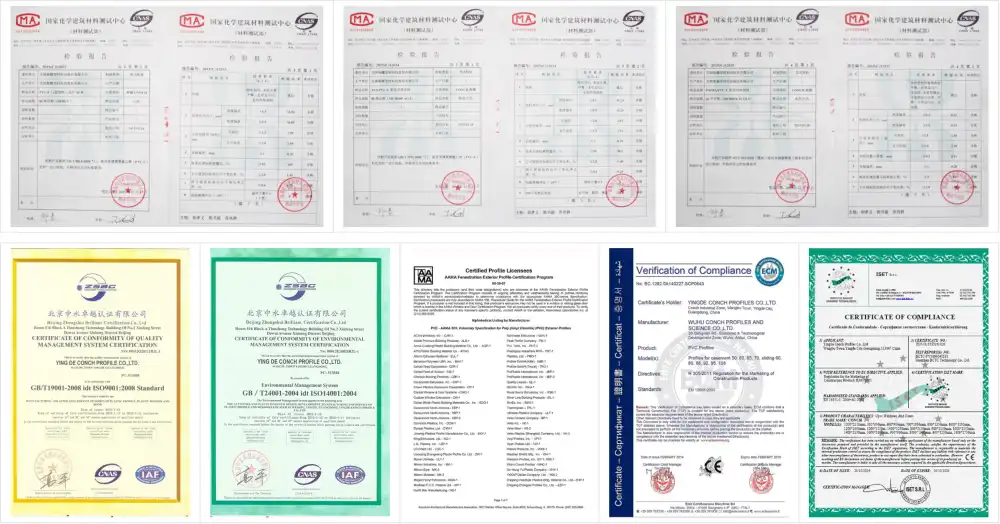
Partner with Hunan Haolv Building Materials Co., Ltd., a trusted China Thermal Break Aluminum Profiles manufacturer with over 18 years of specialized expertise in producing high-performance aluminum and UPVC window and door systems. As a leading China Thermal Break Aluminum Profiles factory and China Thermal Break Aluminum Profiles supplier, we deliver comprehensive solutions from precision-engineered wholesale Thermal Break Aluminum Profiles through complete window and door assemblies. Our advanced manufacturing facilities integrate automated extrusion lines, CNC machining centers, and rigorous ISO-certified quality control systems ensuring every Customized Thermal Break Aluminum Profiles order meets international standards. Request your Thermal Break Aluminum Profiles quotation today to discover competitive Thermal Break Aluminum Profiles price options and access our detailed Thermal Break Aluminum Profiles Pricelist. We provide Bulk Thermal Break Aluminum Profiles supply with efficient global logistics to 30+ countries, complemented by free technical consultation, solution design services, complimentary sample shipping, and dedicated project support throughout your construction timeline. Contact us at kristin@haolvwindows.com to discuss your specific requirements and experience the quality difference that eighteen years of manufacturing excellence delivers.
References
1. Anderson, K. & Thompson, R. (2023). "Thermal Performance of Aluminum Window Systems in Cold Climates." Journal of Building Envelope Design, Vol. 15, Issue 3, pp. 127-145.
2. European Aluminum Association. (2022). "Thermal Break Technology: Engineering Guidelines for Energy-Efficient Building Envelopes." Technical Report Series, Brussels.
3. Morrison, J., Chen, L., & Patel, S. (2024). "Comparative Analysis of Frame Materials for High-Performance Windows in Northern Regions." International Journal of Sustainable Construction, Vol. 28, No. 2, pp. 203-228.
4. National Fenestration Rating Council. (2023). "Certified Products Directory: Thermal Transmittance Values for Aluminum Frame Systems." NFRC Technical Document 400-2023.
5. Williams, D. & Schmidt, H. (2022). "Condensation Control in Cold Climate Architecture: Material Selection and Design Strategies." Building Science Review, Vol. 41, pp. 78-96.

USER EVALUATE
Here is the customer's evaluation of us