




Where to Use Multipanel Sliding Glass Doors in Commercial Spaces?
Commercial property owners face a persistent challenge when trying to maximize natural light while maintaining energy efficiency and creating flexible spaces. Traditional door systems consume valuable floor space and limit design possibilities. Multipanel sliding glass doors solve these issues by offering expansive openings that seamlessly connect interior and exterior areas, enhance visual appeal, and improve space functionality. These innovative systems transform how businesses utilize their commercial environments, creating impressive focal points that attract clients while delivering practical benefits that improve daily operations and reduce long-term costs.

Why Multipanel Sliding Glass Doors Are Essential for Modern Commercial Design?
The architectural landscape has shifted dramatically toward transparency and connectivity in commercial spaces. Businesses increasingly recognize that physical environments directly impact employee productivity, customer experience, and brand perception. Multipanel sliding glass doors address these demands by creating walls of movable glass that blur boundaries between indoor and outdoor areas. Unlike conventional door systems that require swing clearance, these doors operate horizontally along precision-engineered tracks, preserving valuable square footage for furniture, displays, or circulation pathways. The construction quality of these systems determines their performance over decades of commercial use. Premium multipanel sliding glass doors feature heavy-duty roller mechanisms that glide effortlessly even when panels reach considerable dimensions. The 6063-T5 aluminum alloy frames provide exceptional strength while resisting corrosion and weathering. Advanced weatherstripping systems with multiple sealing layers protect against wind-driven rain, dust infiltration, and air leakage. This robust construction ensures reliable operation in high-traffic commercial environments where doors may cycle open and closed dozens of times daily. Energy performance represents another critical consideration for commercial applications. Modern glazing technologies incorporated into multipanel sliding glass doors significantly reduce heating and cooling costs. Double glazing configurations with Low-E coatings and argon gas fills achieve impressive insulation values while maintaining optical clarity. Triple glazing systems deliver even greater thermal performance for climates with extreme temperature variations. The tight sealing mechanisms prevent conditioned air from escaping, allowing HVAC systems to operate more efficiently throughout the year. Many commercial clients report measurable utility savings within months of installation.
Commercial Applications Where Multipanel Sliding Glass Doors Excel
Office environments benefit tremendously from the flexibility these systems provide. Modern workplace design emphasizes collaborative spaces that can transform based on immediate needs. Installing multipanel sliding glass doors between conference rooms and adjacent areas creates expandable meeting venues. When opened, these doors convert separate rooms into large gathering spaces for company events or training sessions. When closed, they provide acoustic privacy for confidential discussions while maintaining visual connection that prevents isolated departmental silos. The slim aluminum profiles maximize glass area, allowing natural light to penetrate deep into interior office zones where windows might not reach. Executive suites and private offices also incorporate these door systems to achieve sophisticated aesthetics while maintaining practical functionality. Floor-to-ceiling glass panels create an impression of openness and transparency that aligns with contemporary management philosophies. Yet the doors close completely when privacy becomes necessary, providing sound attenuation that protects sensitive conversations. Custom finish options in powder-coated colors allow precise coordination with corporate branding and interior design schemes. Hardware selections range from minimalist handles to elaborate multi-point locking systems depending on security requirements.
Hospitality Venues Transformed by Sliding Glass Door Systems
Hotels and resorts have discovered that multipanel sliding glass doors dramatically enhance guest experiences. Lobby areas featuring these expansive systems create memorable first impressions that distinguish properties from competitors. When weather permits, the doors open completely to merge indoor registration areas with outdoor courtyards or pool decks, establishing a resort ambiance that encourages longer stays and positive reviews. During inclement weather, the doors remain closed while still providing unobstructed views of landscaped grounds. Restaurant and bar facilities within hotels particularly benefit from the versatility these doors provide. Establishments can reconfigure their layouts seasonally, opening walls completely during pleasant weather to create indoor-outdoor dining experiences that command premium pricing. The smooth operation ensures staff can adjust configurations quickly during service hours without disrupting guests. The weather-resistant construction withstands exposure to outdoor elements on one side while maintaining climate-controlled comfort on the interior. This dual functionality extends usable square footage without requiring permanent structural modifications. Conference and event spaces equipped with multipanel sliding glass doors offer meeting planners unprecedented flexibility. A single ballroom can subdivide into multiple breakout rooms using interior glass partitions, then expand back into one massive venue by opening all panels. Natural light floods these spaces through floor-to-ceiling glass, reducing dependence on artificial lighting and creating more appealing environments for extended events. The professional appearance of quality aluminum frames and smooth operation reflects positively on the facility's overall management and attention to detail.
Retail Environments Enhanced Through Strategic Glass Door Placement
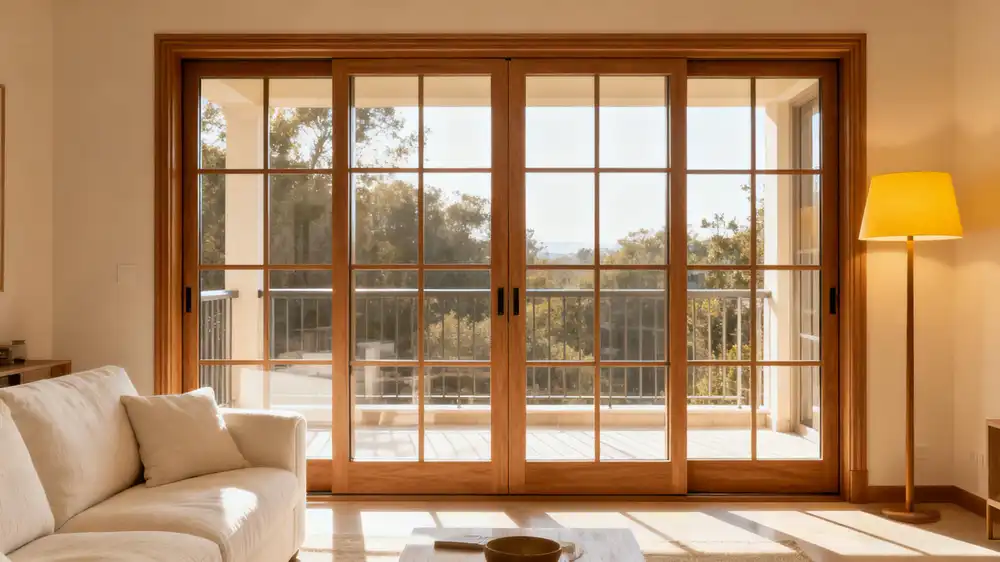
Shopping centers and individual retail stores increasingly incorporate multipanel sliding glass doors to create dynamic customer experiences. Storefront applications allow complete opening of facade walls during peak traffic periods, eliminating psychological barriers that might prevent browsers from entering. The expansive openings invite pedestrian traffic while maintaining security through rapid closing capability when stores close. Retail analytics consistently demonstrate that open storefronts generate significantly higher foot traffic compared to traditional single-entry configurations. Luxury boutiques and high-end showrooms use these systems to establish an exclusive ambiance while facilitating merchandise flow. Large panels can open to temporarily extend the sales floor into exterior pedestrian areas for special events or seasonal promotions. The slim frame profiles provide maximum visibility for window displays without obstructing sightlines to featured products. Custom glass options including tinted, Low-E, or laminated configurations control solar heat gain while protecting sensitive merchandise from UV damage. Mall common areas benefit from installing multipanel sliding glass doors between indoor circulation spaces and outdoor courtyards or dining terraces. Shopping center management can quickly adapt configurations based on weather conditions, time of day, or special events. During comfortable weather, opening these large systems improves air quality through natural ventilation while reducing mechanical cooling costs. The impressive visual impact of large moving glass walls creates Instagram-worthy moments that enhance social media marketing efforts.
Healthcare Facilities Utilizing Advanced Door Technology
Medical office buildings and outpatient facilities increasingly specify multipanel sliding glass doors for areas where accessibility and infection control intersect with design quality. Therapy departments including physical rehabilitation centers install these systems between treatment areas and healing gardens. Patients benefit from natural views and fresh air access that research consistently links to improved recovery outcomes. The wide clear openings accommodate patients using wheelchairs, walkers, or other assistive devices without requiring multiple door operations. Medical office suites designed around patient-centered care models incorporate glass door systems to create calming, residential-like atmospheres. Waiting areas that open onto private outdoor courtyards reduce anxiety and crowding perception. The systems maintain security through locking mechanisms while providing emergency egress capability that meets building code requirements. The ease of cleaning smooth aluminum and glass surfaces supports infection prevention protocols critical in healthcare environments.
Technical Specifications That Define Quality Commercial Systems

Professional specifiers evaluating multipanel sliding glass doors for commercial projects must understand the technical parameters that separate adequate products from superior solutions. Frame depth and wall thickness directly correlate with structural integrity and thermal performance. The 90 Series configuration with lighter frame profiles suits interior applications and moderate residential use. The 100 Series provides enhanced strength appropriate for standard commercial installations with regular traffic. The 120 Series represents the heavy-duty solution engineered for high-traffic commercial environments, large panel dimensions, and demanding performance requirements. Glazing specifications must match the specific climate zone and building energy codes applicable to each project location. The 5+12A+5 double glazing configuration provides baseline performance suitable for moderate climates. The 5+20A+5 variation increases the air space between panes, improving thermal resistance for regions with greater temperature extremes. Triple glazing systems using 5+9A+5+9A+5 configurations deliver maximum insulation values essential for severely cold climates or buildings pursuing aggressive sustainability certifications. Laminated glass options enhance security and sound control for locations near busy streets or in high-crime areas. Hardware components determine operational smoothness and longevity under commercial use conditions. Premium roller assemblies incorporate stainless steel precision bearings that maintain smooth operation through thousands of cycles. Adjustable rollers allow fine-tuning of panel alignment as buildings settle over time. Multi-point locking systems distribute force across multiple engagement points, enhancing security while preventing panel warping. Keyed locks provide access control where required, while push-pull handles in various designs accommodate different aesthetic preferences and accessibility requirements.
Installation Considerations for Commercial Applications
Successful multipanel sliding glass door installations require careful coordination between multiple trades. Structural openings must achieve precise dimensions and proper squareness to ensure smooth panel operation. Waterproofing details around perimeter frames become critical in exterior applications where wind-driven rain might penetrate compromised seals. Flashing integration with adjacent wall systems prevents moisture infiltration that could damage interior finishes or structural components. Floor preparation deserves particular attention in commercial installations. The threshold track must mount to a perfectly level substrate to prevent binding or uneven roller wear. Drainage provisions should route any water that bypasses exterior seals safely to building exteriors. Interior floor finishes must coordinate with sill heights, often requiring transitions that meet accessibility standards while maintaining aesthetic continuity. Electrical coordination becomes necessary when motorized operation or integrated security systems form part of the door specification. Building code compliance varies significantly between jurisdictions and occupancy types. Commercial installations must satisfy requirements for egress capacity, fire ratings, wind load resistance, and energy performance. Impact-resistant glazing becomes mandatory in hurricane-prone coastal regions. Tempered or laminated glass specifications apply based on panel dimensions and proximity to floor levels. Professional design teams familiar with local code requirements prevent costly modifications during permitting or inspection phases.
Maintenance Requirements That Preserve Long-Term Performance
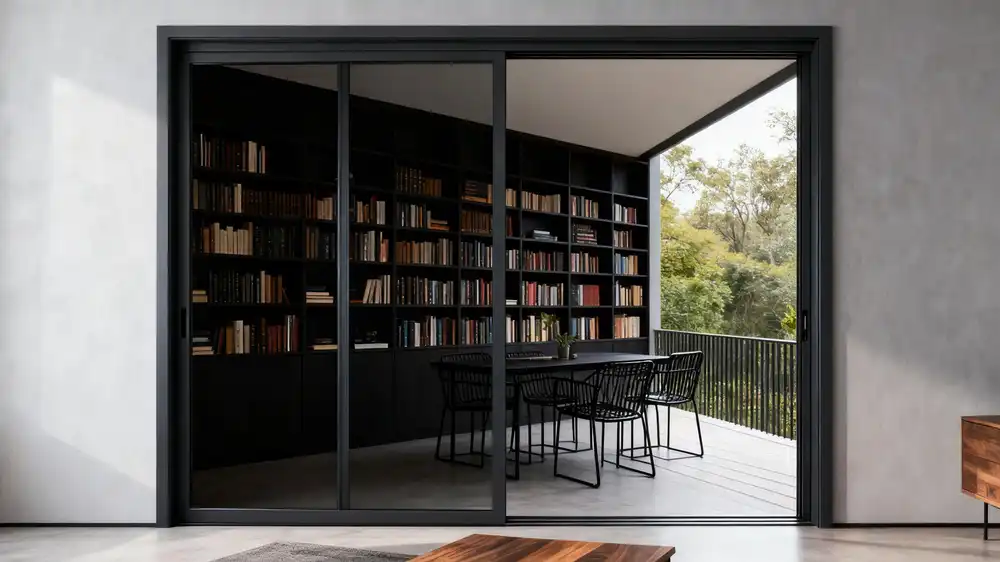
Commercial property managers must understand the maintenance protocols that extend multipanel sliding glass doors service life while preserving smooth operation. Regular cleaning represents the most frequent maintenance task. Washing glass surfaces with appropriate cleaners removes environmental contaminants that can etch glazing over time. Frame cleaning prevents dirt accumulation in tracks where debris might interfere with roller movement. Frequency depends on location, with urban or coastal sites requiring more frequent attention than protected suburban environments. Roller and track maintenance determines whether doors continue gliding smoothly or develop binding that frustrates users. Periodic inspection identifies roller wear before it progresses to the point where replacement becomes urgent. Some commercial specifications include annual service contracts where specialized technicians perform systematic checks of all moving components. Track cleaning removes accumulated dirt and debris that increases rolling resistance. Proper lubrication of roller bearings and locking mechanisms using manufacturer-approved products prevents premature wear and ensures consistent operation. Weatherstripping inspection and replacement maintains the environmental seal that controls energy costs and occupant comfort. Compression seals gradually lose resilience through repeated compression cycles and ultraviolet exposure. Replacement intervals typically range from five to ten years depending on climate severity and operational frequency. The relatively simple replacement procedure involves removing old seals and pressing new components into frame channels. Maintaining effective seals prevents the dramatic energy losses that occur when gaps develop around door perimeters.
Conclusion
Multipanel sliding glass doors deliver transformative benefits across diverse commercial applications by maximizing space efficiency, natural light, and design flexibility while maintaining energy performance and operational reliability through decades of service.
Cooperate With Hunan Haolv Building Materials Co., Ltd.
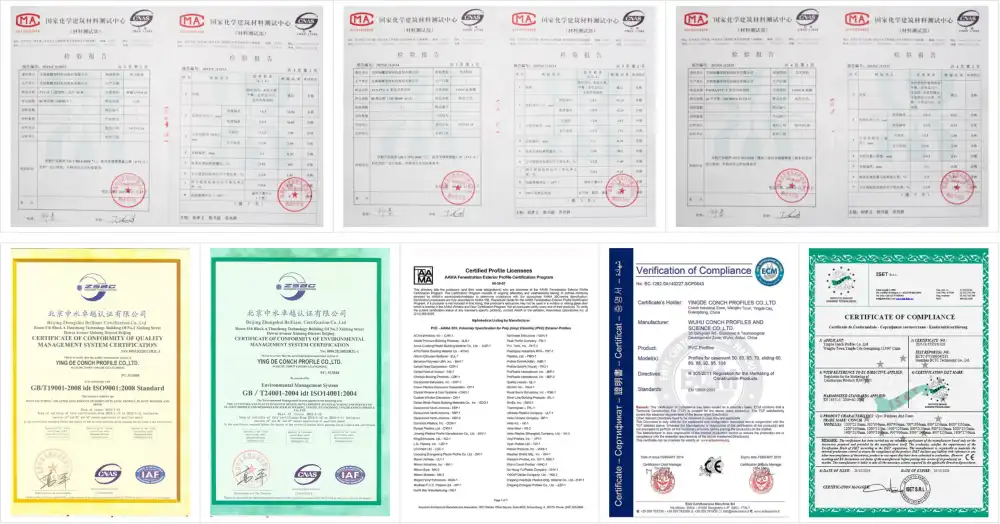
Partner with a China multipanel sliding glass doors manufacturer backed by 18 years of expertise. Hunan Haolv Building Materials Co., Ltd. operates advanced production facilities equipped with precision CNC cutting, automated assembly systems, and comprehensive testing equipment ensuring every wholesale multipanel sliding glass doors order meets international standards. Our multipanel sliding glass doors factory produces customized solutions including 90, 100, and 120 Series configurations with complete glazing options. As a leading China multipanel sliding glass doors supplier, we provide bulk multipanel sliding glass doors with competitive pricing through efficient logistics serving 30+ countries. Request your multipanel sliding glass doors quotation and detailed multipanel sliding glass doors pricelist today. Our engineering team delivers free technical consultation and customized multipanel sliding glass doors solutions. Experience 24-hour online support throughout your project. Contact kristin@haolvwindows.com for your multipanel sliding glass doors price inquiry and discover why global clients trust our ISO-certified quality management.
References
1. Smith, J. & Thompson, R. (2023). "Commercial Glass Systems: Design and Performance Standards." Journal of Architectural Technology, Volume 45, Issue 3.
2. Anderson, M. (2024). "Energy Efficient Building Envelopes: Modern Glass Door Technologies." Green Building Research Institute.
3. Williams, C., Davis, L., & Martinez, E. (2023). "Aluminum Extrusion Systems for Contemporary Architecture." International Journal of Building Materials Science.
4. Peterson, K. (2024). "Commercial Door Hardware: Durability and Life Cycle Performance." Architectural Hardware Federation Technical Report.
5. Roberts, D. & Chang, H. (2023). "Thermal Performance of Multi-Panel Glass Systems in Commercial Buildings." Energy Efficiency in Construction Quarterly, Volume 18.

USER EVALUATE
Here is the customer's evaluation of us