




Thermal Break Casement Window The High-Performance Choice for Energy-Conscious Homes
When it comes to reducing energy bills and improving indoor comfort, few window types perform as well as the thermal break casement window. Combining the superior sealing of a casement design with the thermal efficiency of a polyamide insulating barrier, these windows eliminate the heat loss that plagues standard aluminium frames. This comprehensive guide explores the engineering, benefits, and selection criteria for thermal break casement windows.
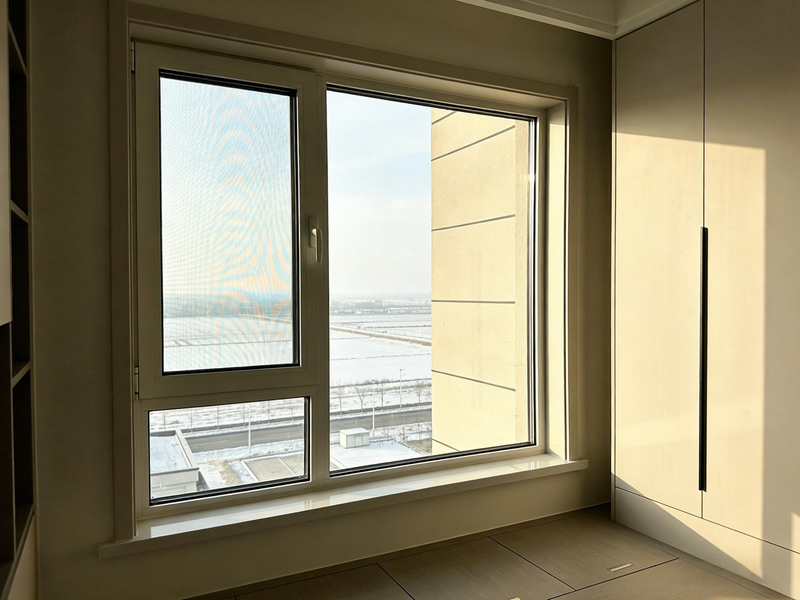
Understanding the Thermal Break Casement Window
A thermal break casement window is a hinged window where the aluminium frame is divided into interior and exterior sections separated by a polyamide strip (the thermal break). This strip, typically 20mm to 40mm wide, has very low thermal conductivity and prevents heat from passing through the metal frame.
The frame and sash are extruded from high‑grade 6063‑T5 or 6061‑T6 aluminium alloy, known for its strength and corrosion resistance. The thermal break is inserted during manufacturing, creating a composite profile that combines aluminium’s structural advantages with the insulation of polyamide. Without a thermal break, standard aluminium windows can achieve U‑values of 5.0 W/m²K or higher, leading to condensation and high energy costs.
When closed, the sash compresses against a continuous EPDM gasket, creating an exceptionally airtight seal. Multi‑point locking systems (3–7 locking points) pull the sash tight against the frame, further improving thermal performance. The casement design allows the window to swing outward (or inward), providing excellent ventilation control.
Modern thermal break casement windows can be double or triple glazed with Low‑E coatings and argon gas fills, achieving whole‑window U‑values as low as 1.2–1.8 W/m²K – comparable to high‑end UPVC windows.
Key Advantages of Thermal Break Casement Windows
Exceptional energy efficiency is the primary benefit. A thermal break casement window can reduce heating and cooling costs by 20–30% compared to non‑thermal aluminium windows. The polyamide strip blocks thermal bridging, keeping warm air inside during winter and hot air outside during summer.
Condensation resistance is dramatically improved. Without a thermal break, the interior aluminium surface can become cold enough to cause moisture condensation, leading to mould growth and damage to surrounding walls. Thermal break profiles keep the interior surface closer to room temperature, virtually eliminating condensation.
Structural strength with slim profiles. Aluminium’s high strength‑to‑weight ratio allows very narrow frame widths (as slim as 50–70mm visible frame), maximising glass area for unobstructed views. Unlike UPVC, aluminium does not require bulky profiles for large spans.
Superior weather sealing. The casement design’s compression seal outperforms sliding or single‑hung windows. Air infiltration ratings of 0.05 cfm/ft² or lower are achievable, along with water resistance to 700 Pa or higher.
Durability and low maintenance. Aluminium does not rot, warp, rust, or corrode. Powder‑coated finishes (any RAL colour) resist UV fading and require only occasional cleaning with mild soap and water. The frames will not swell or crack like timber.
Enhanced security. Multi‑point locking systems engage stainless steel keepers at multiple points around the frame. The casement design offers no leverage for forced entry on the hinge side. Laminated or tempered glass adds further protection.
Acoustic insulation. The tight compression seal and double/triple glazing reduce external noise by 30–40 dB, making these windows ideal for homes near airports, highways, or city centres.
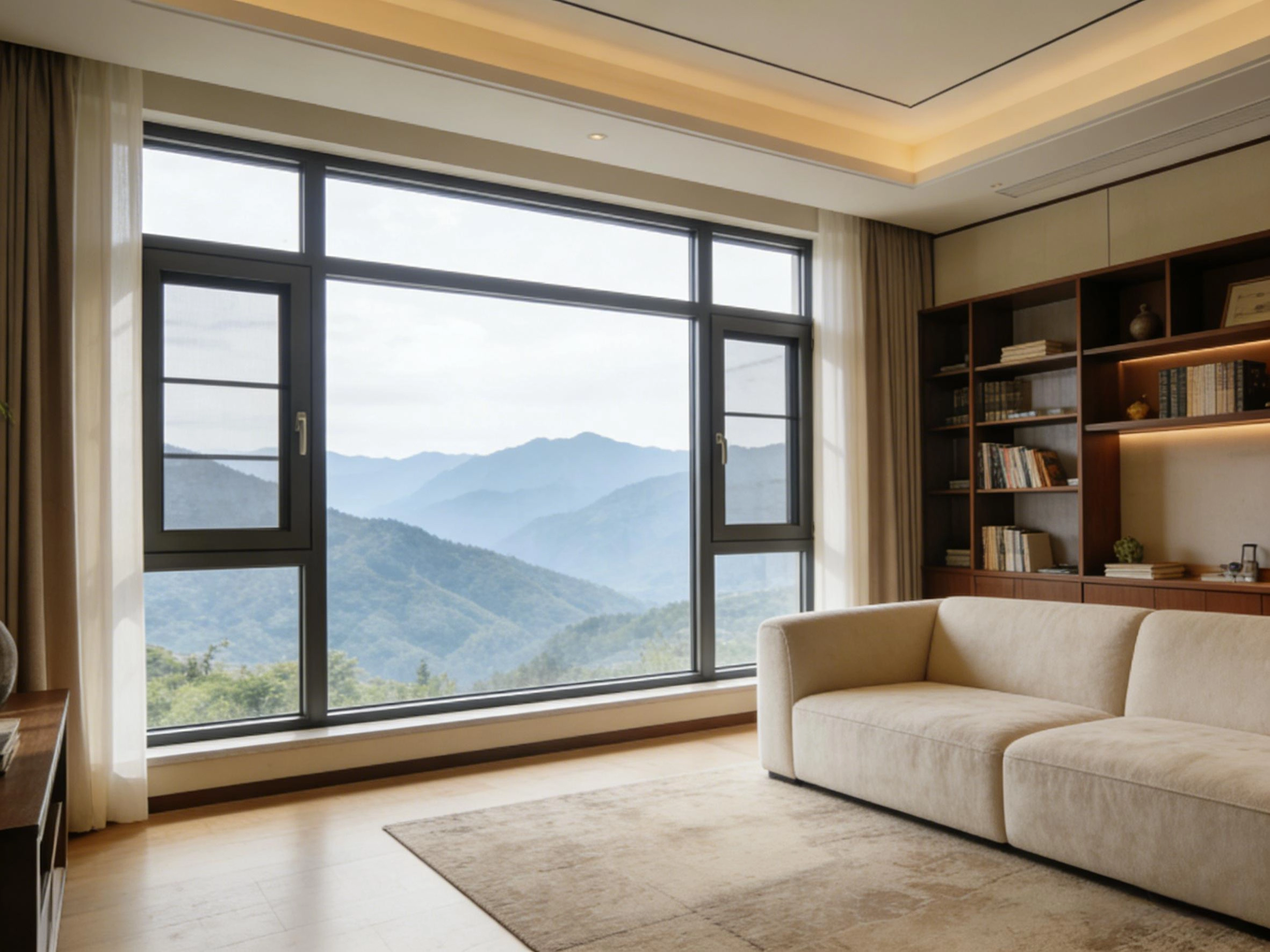
Glass and Hardware Options for Thermal Break Casement Windows
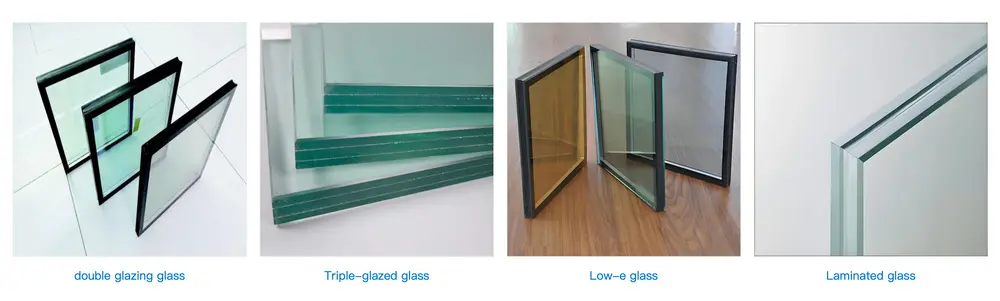
Glass configurations:
Double glazing (5mm+20A+5mm): Standard Low‑E + argon; typical U‑value ~1.6 W/m²K.
Triple glazing (5mm+12A+5mm+12A+5mm): For cold climates or noise reduction; U‑value <1.0 W/m²K.
Laminated glass: PVB interlayer for security and sound reduction.
Tempered glass: Safety glazing required in many codes.
Hardware specifications:
Stainless steel friction hinges: Adjustable, rated for 20,000+ cycles.
Multi‑point locking: 3–7 locking points, stainless steel cams and keepers.
Crank handles: Corrosion‑resistant gears; folding handle options.
Restrictors: For child safety or high‑wind conditions.
Integrated insect screens: Retractable.
Applications for Thermal Break Casement Windows
Residential homes – living rooms, bedrooms, kitchens, and especially for south‑facing elevations where solar heat gain is high.
Commercial buildings – offices, hotels, healthcare facilities – where energy codes demand low U‑values.
High‑rise and coastal buildings – aluminium’s strength and corrosion resistance make it ideal for wind‑prone and salt‑spray environments.
Passive house and net‑zero projects – with triple glazing, these windows meet stringent passive house requirements.
Frequently Asked Questions About Thermal Break Casement Windows
Q: How much more expensive are thermal break casement windows compared to non‑thermal aluminium?
A: Typically 20–40% more, due to the polyamide strip and more complex extrusion. However, energy savings usually recover the extra cost within 3–7 years, and they eliminate condensation problems.
Q: Can thermal break casement windows be used in coastal areas?
A: Yes. Aluminium is highly resistant to salt spray corrosion, especially with marine‑grade powder coating. Use stainless steel hardware for maximum durability.
Q: What U‑values can I expect?
A: With double glazing, typical whole‑window U‑values are 1.2–1.8 W/m²K. With triple glazing and warm‑edge spacers, values below 1.0 W/m²K are achievable.
Q: Do thermal break casement windows require special maintenance?
A: No. Clean frames and glass with mild soap and water. Lubricate hinges and locks annually with silicone spray. The powder‑coated finish never needs painting.
Q: What is the typical lifespan?
A: 40–50 years for the aluminium frame. Hardware and weather seals may need replacement after 15–20 years. The thermal break polyamide strip lasts the life of the window.
Installation and Long‑Term Value
Professional installation is critical. The frame must be square, level, and properly anchored to withstand wind loads. Correct flashing and sealing prevent water infiltration. The hinges must be aligned to ensure uniform gasket compression.
Long‑term value includes lower energy bills, no condensation damage, zero painting, enhanced security, and increased property value. For climates with extreme temperatures, the investment pays for itself many times over.
Conclusion
Thermal break casement windows offer the perfect balance of energy efficiency, durability, and slim aesthetics. By eliminating thermal bridging, they keep homes comfortable year‑round while reducing carbon footprint. For any project where performance matters, they are the gold standard.
Cooperate With Hunan Haolv Building Materials Co., Ltd.
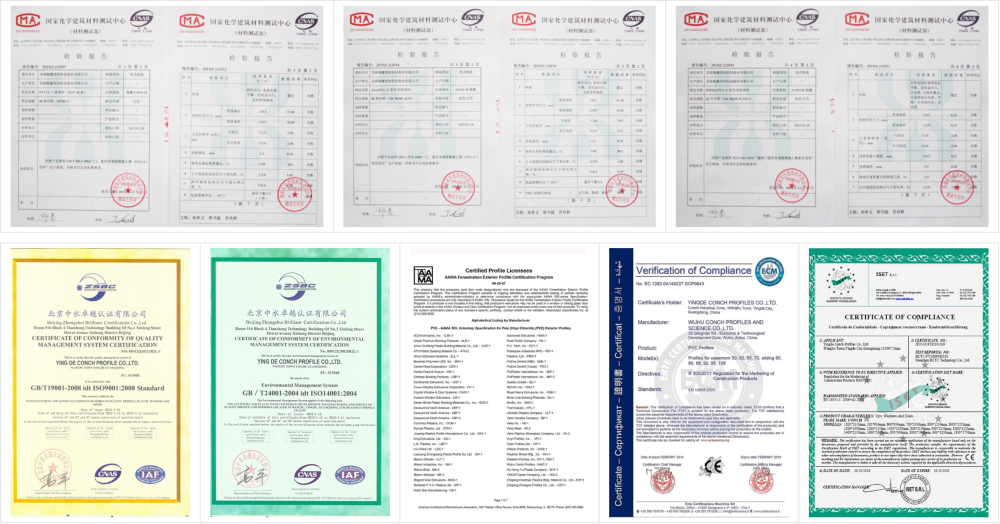
As a leading manufacturer of high‑performance aluminium window systems, Hunan Haolv Building Materials Co., Ltd. brings over eighteen years of specialized expertise to the production of thermal break casement windows. Our windows are crafted from premium 6063‑T5 aluminium alloy with 30mm polyamide thermal breaks, multi‑chamber profiles, and stainless steel multi‑point locking hardware. We offer double or triple glazing, Low‑E coatings, any RAL color finish, and electric opening options. Every product undergoes rigorous ISO‑certified quality management. For detailed quotations, pricelist information, or to discuss your specific project requirements, please contact us today at kristin@haolvwindows.com.

USER EVALUATE
Here is the customer's evaluation of us