




Thermal Break Casement Windows Your Complete Guide to Performance and Benefits
For homeowners and builders seeking optimal energy efficiency without compromising on ventilation or aesthetics, thermal break casement windowsrepresent a superior choice. Unlike standard aluminum windows that conduct heat readily, these advanced systems incorporate a polyamide insulating barrier that dramatically reduces thermal transfer. This engineering innovation transforms the casement window—already prized for its excellent sealing and ventilation—into a high-performance building component that lowers energy bills, enhances indoor comfort, and meets the most stringent building codes. This comprehensive guide explores everything you need to know about thermal break casement windows, from how they work to selecting the right configuration for your project.

Understanding Thermal Break Casement Windows: Design and Engineering
A thermal break casement window combines two critical technologies: the casement operating mechanism and thermal break frame construction. The casement design features a sash hinged on the side that swings outward (or inward), creating an exceptionally tight seal when closed due to compression against a continuous gasket. This design inherently provides superior air and water tightness compared to sliding or single-hung windows.
The defining feature, however, is the thermal break. In traditional aluminum frames, heat flows freely through the metal, creating a thermal bridge that undermines insulation. A thermal break casement window interrupts this path by inserting a polyamide strip—a rigid plastic with very low thermal conductivity—between the interior and exterior aluminum sections. This strip, typically 20mm to 40mm wide, effectively separates the warm indoor frame from the cold outdoor frame, preventing condensation, reducing heat loss in winter, and minimizing heat gain in summer.
The aluminum profiles used are typically 6063-T5 or 6061-T6 alloys, chosen for their strength, corrosion resistance, and extrudability. Multi-chamber designs further enhance thermal performance by trapping air within the frame. High-quality thermal break casement windows also incorporate EPDM or silicone gaskets, stainless steel multi-point locking hardware, and precision-machined hinge systems that maintain alignment over decades of use.
Key Performance Advantages of Thermal Break Casement Windows
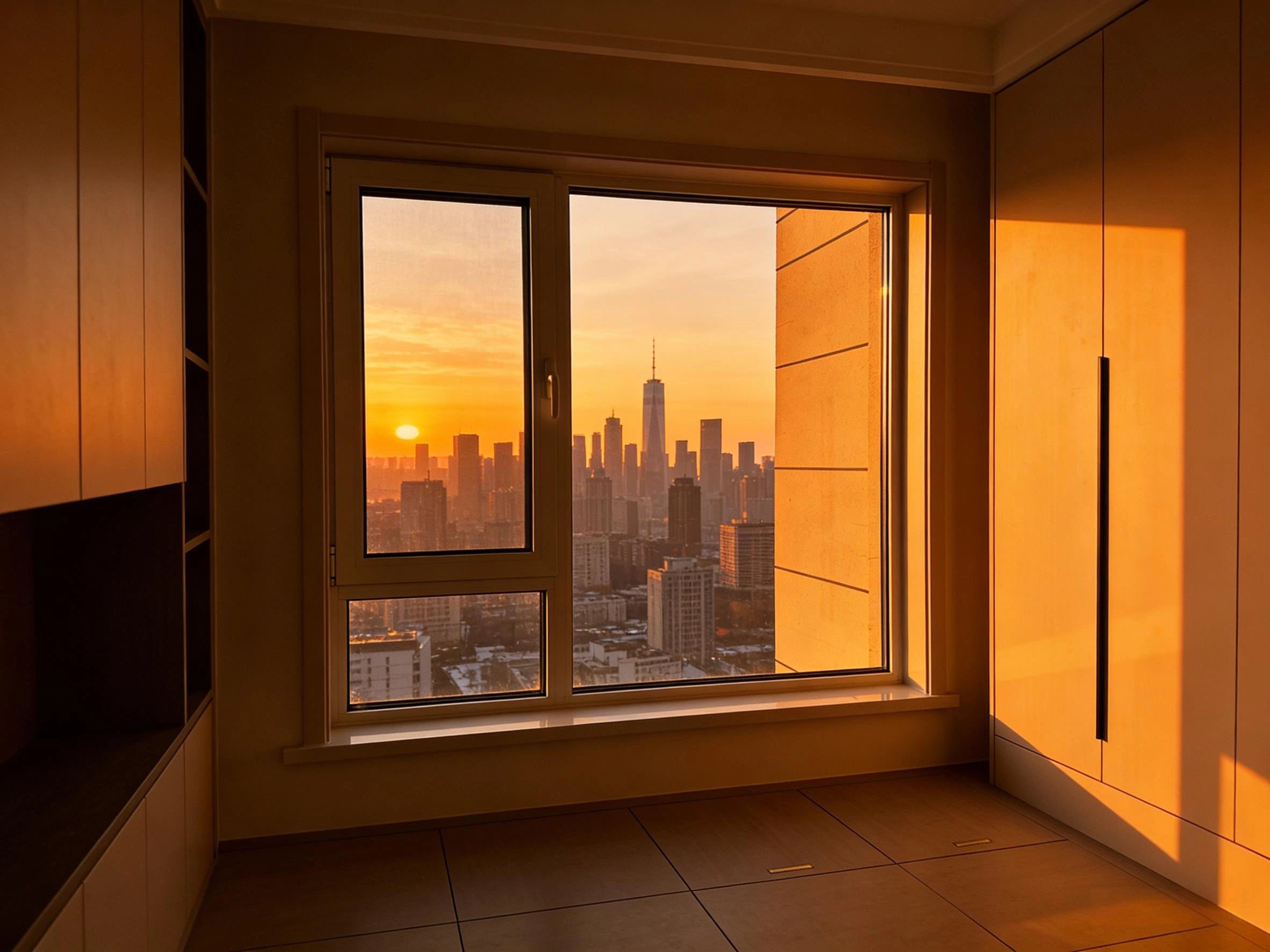
Exceptional energy efficiency is the primary benefit. A well-designed thermal break casement window can achieve U-values as low as 1.2 to 1.8 W/m²K, depending on glazing and profile specifications. This compares favorably to standard non-thermal aluminum windows that often exceed 5.0 W/m²K. The energy savings are substantial: heating and cooling costs can be reduced by 20-30% in climate zones with significant temperature variations.
Condensation resistance is another critical advantage. Without a thermal break, cold outdoor temperatures make the interior aluminum surface cold enough to cause moisture condensation, leading to mold growth and potential damage to surrounding walls. The thermal break keeps the interior frame surface closer to room temperature, virtually eliminating condensation issues.
Structural strength and durability remain hallmarks of aluminum construction. Unlike UPVC frames that require steel reinforcement for larger spans, aluminum profiles maintain their rigidity even in large sash sizes. A thermal break casement window can safely accommodate glass panels weighing 100kg or more, allowing for expansive views with slim frame profiles.
Superior weather sealing comes from the casement design itself. When closed, the sash compresses against the frame gasket, creating a seal that sliding systems cannot match. Air infiltration ratings of 0.05 cfm/ft² or lower are achievable, along with water penetration resistance meeting or exceeding ASTM E1105 standards.
Acoustic insulation benefits from the tight seal and multi-chambered frames. Double or triple glazing combined with thermal break profiles can reduce external noise by 30-40 decibels, making these windows excellent for properties near airports, highways, or urban centers.
Security is enhanced by multi-point locking mechanisms (typically 3 to 7 locking points) that engage stainless steel keepers along the frame. The casement sash is hinged on one side, making forced entry significantly more difficult than with sliding windows.
Glass and Hardware Options for Thermal Break Casement Windows

The performance of any thermal break casement window depends heavily on glazing selection and hardware quality.
Glass configurations can be customized to meet specific energy, acoustic, and safety goals:
Double glazing (5mm+20A+5mm): Standard for most climates, with argon gas fill and Low-E coating achieving U-values around 1.6 W/m²K.
Triple glazing (5mm+12A+5mm+12A+5mm): Ideal for extreme cold or noise-sensitive environments, achieving U-values below 1.0 W/m²K.
Low-E coatings: Multiple tiers available (single, double, or triple silver) offering different balances of solar heat gain coefficient and visible light transmission.
Laminated glass: With PVB interlayer for security, UV protection, and enhanced sound reduction.
Tempered glass: Safety glazing required in many building codes; breaks into small, harmless pieces.
Hardware specifications distinguish premium windows:
Stainless steel friction stays: Allow smooth opening and hold the sash at desired angles; tested for 20,000+ cycles.
Multi-point locking handles: Integrated with mushroom-shaped cams that compress the sash against the frame for airtight sealing.
Concealed hinges: For a clean, minimalist appearance; available with adjustment features to maintain alignment over time.
Electric opening mechanisms: For hard-to-reach installations or integration with home automation systems.
Applications for Thermal Break Casement Windows

The versatility of thermal break casement windows makes them suitable for diverse settings.
Residential homes benefit from the combination of energy savings, security, and ventilation. They are ideal for living rooms, bedrooms, and kitchens where controlled airflow and noise reduction are valued.
Commercial buildings including offices, hotels, and healthcare facilities specify these windows for their durability, low maintenance, and compliance with energy codes such as LEED and BREEAM.
Passive house and net-zero energy projects often require windows with U-values below 0.8 W/m²K. Triple-glazed thermal break casement windows with warm-edge spacers meet these demanding specifications.
Coastal and high-rise applications benefit from aluminum’s corrosion resistance and structural strength. Thermal break casement windows can be engineered to withstand wind pressures exceeding 3,000 Pa (equivalent to Category 5 hurricane conditions).
Frequently Asked Questions About Thermal Break Casement Windows
Q: How much more expensive are thermal break casement windows compared to non-thermal aluminum windows?
A: Typically 20-40% higher upfront cost, but the energy savings usually recover the difference within 3-7 years, depending on local energy prices and climate.
Q: Can thermal break casement windows be installed in existing homes?
A: Yes, they can be custom-manufactured to fit existing openings. Professional installation is recommended to ensure proper sealing and anchoring.
Q: Do thermal break casement windows require special maintenance?
A: No, maintenance is similar to standard aluminum windows. Regular cleaning of frames and glass, occasional lubrication of hinges and locks, and periodic inspection of gaskets are sufficient.
Q: What is the typical lifespan of a thermal break casement window?
A: With quality materials and proper installation, 30 to 50 years is realistic. The aluminum frame itself can last indefinitely; gaskets and hardware may need replacement after 15-20 years.
Q: Are thermal break casement windows suitable for all climates?
A: Yes, they perform well in both hot and cold climates. In hot climates, Low-E coatings can be specified to reflect solar heat; in cold climates, triple glazing provides additional insulation.
Installation and Long-Term Value
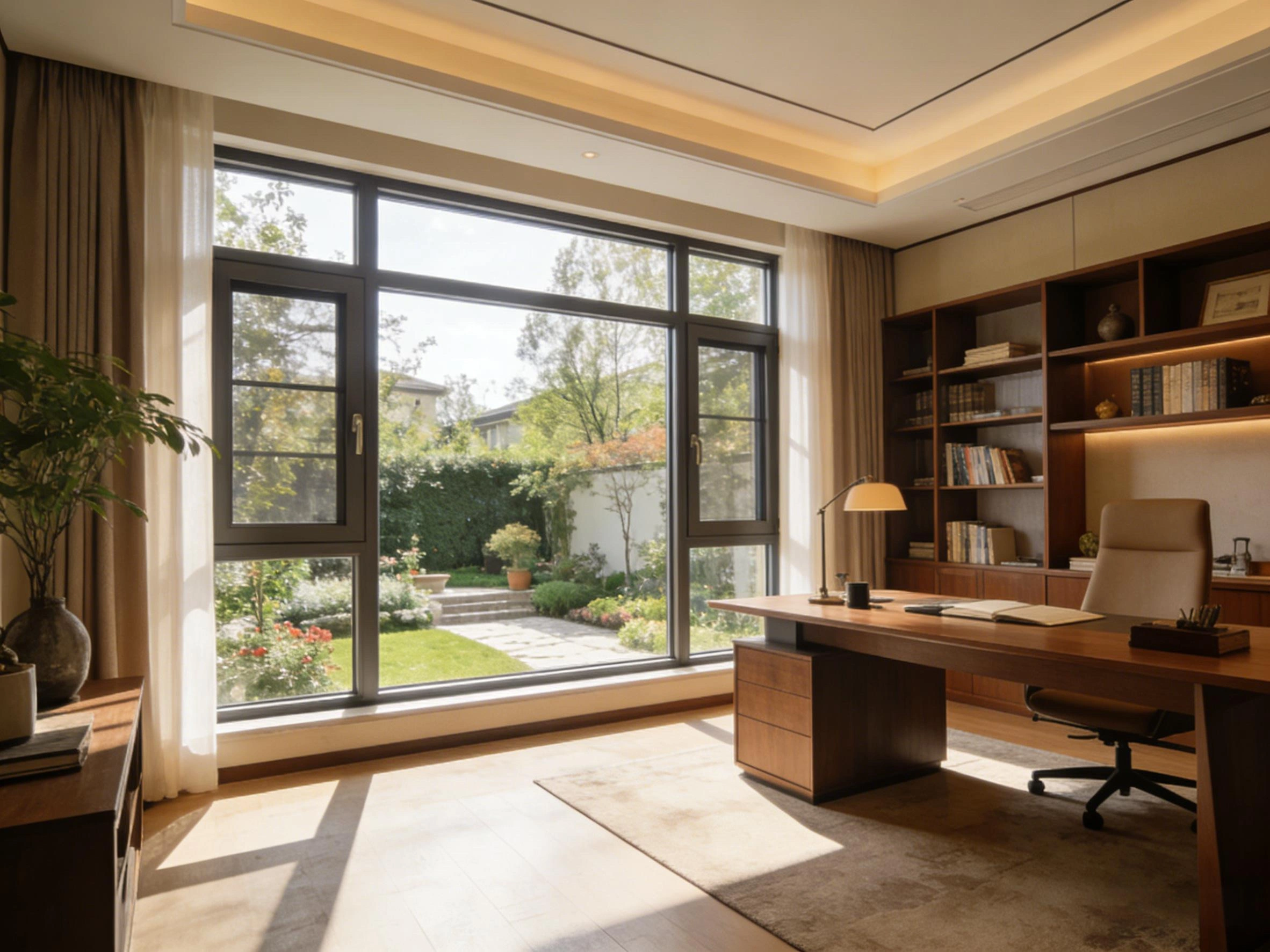
Proper installation is critical to realizing the full benefits of thermal break casement windows. The frame must be square, level, and adequately anchored to resist wind loads. Correct flashing and sealing prevent water infiltration, which is a common cause of premature failure. Professional installers understand the importance of compression seals and proper drainage.
For property owners, the long-term value of investing in thermal break casement windows extends beyond energy savings. Increased property value, enhanced comfort, reduced noise, and improved security contribute to a compelling return on investment. With proper care, these windows will perform reliably for decades.
Conclusion
Thermal break casement windows offer an unmatched combination of energy efficiency, structural strength, weather sealing, and design versatility. By incorporating a polyamide insulating barrier within aluminum frames, they eliminate thermal bridging while preserving the durability and slim profiles that make aluminum windows appealing. Whether for new construction, renovation, or commercial development, these windows deliver lasting value and superior performance.
Cooperate With Hunan Haolv Building Materials Co., Ltd.
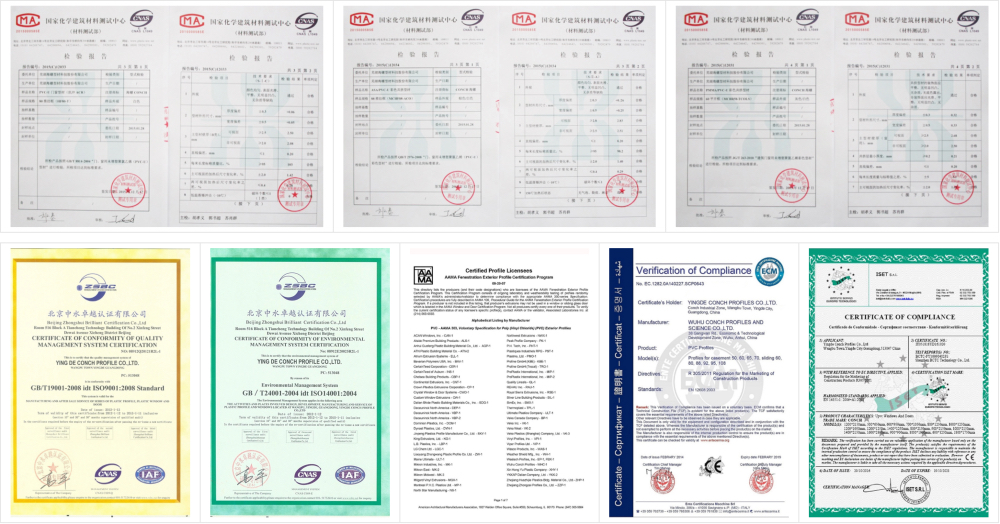
As a leading manufacturer of high-performance window systems, Hunan Haolv Building Materials Co., Ltd. brings over eighteen years of specialized expertise to the production of thermal break casement windows. Our windows are crafted from premium 6063-T5 aluminum alloy with 30mm polyamide thermal break strips, multi-chamber profiles, and stainless steel hardware. We offer comprehensive customization services including double or triple glazing, Low-E coatings, any RAL color finish, and electric opening options. Every product undergoes rigorous ISO-certified quality management. For detailed quotations, pricelist information, or to discuss your specific project requirements, please contact us today at kristin@haolvwindows.com.

USER EVALUATE
Here is the customer's evaluation of us