




Things you should know about the uPVC profiles
Are your windows failing to keep out noise, heat, or moisture? Do you worry about durability, maintenance costs, and energy bills? Choosing the wrong window profile can lead to years of frustration and unnecessary expenses. Understanding UPVC Profiles is essential for anyone considering window and door replacements or new construction projects. This comprehensive guide will walk you through everything you need to know about UPVC Profiles, from their composition and benefits to quality checks and applications, helping you make informed decisions that protect your investment and enhance your property's performance.

What Are UPVC Profiles and Why They Matter?
UPVC Profiles are the structural framework components made from unplasticized polyvinyl chloride that form the backbone of modern windows and doors. These profiles begin as plastic powder that is heated and injected into molds to create long strips of precisely engineered sections. The material itself is a rigid, durable form of PVC that has not been softened with plasticizers, making it exceptionally strong and weather-resistant. Understanding UPVC Profiles means recognizing that they consist of multiple chambers within the frame structure, which serve critical functions for thermal insulation and structural integrity. The manufacturing process of UPVC Profiles involves careful blending of PVC resin with stabilizers, impact modifiers, and additives to create sections that maintain dimensional accuracy and color consistency. These profiles are then cut, welded, and assembled with hardware components to produce complete window and door systems. The multi-chamber design is particularly important because it traps air within the frame, creating barriers that prevent heat transfer and improve energy efficiency. For residential buildings, commercial complexes, and modern office spaces, UPVC Profiles provide the foundation for windows and doors that must withstand diverse climates while delivering superior performance. The significance of UPVC Profiles extends beyond basic functionality. These components determine how well your windows will insulate your space, how long they will last without requiring replacement, and how much maintenance they will demand over their lifetime. With over 18 years of manufacturing expertise in the building materials industry, professionals understand that the quality of UPVC Profiles directly impacts overall window performance, affecting everything from sound insulation to fire resistance and pest prevention.

Key Benefits of UPVC Window Profiles for Modern Construction
Exceptional Durability and Low Maintenance Requirements
UPVC Profiles offer remarkable durability because the material does not rot, rust, or corrode like traditional alternatives such as wood and aluminum. This non-corrosive property means that windows and doors manufactured with quality UPVC Profiles can last for decades without structural degradation. Unlike timber windows that require regular treating, painting, and protection against moisture damage, UPVC Profiles maintain their integrity with minimal intervention. The material's cellular structure resists warping even in extreme temperatures, making these profiles ideal for diverse climate conditions from tropical heat to freezing cold. Maintenance requirements for UPVC Profiles are remarkably simple compared to other materials. A periodic wipe with a damp cloth is typically sufficient to keep these profiles looking new, eliminating the need for repainting or refinishing over time. This low maintenance characteristic translates directly into cost savings for property owners, as there are no recurring expenses for surface treatments or protective coatings. Advanced manufacturing facilities equipped with precision CNC cutting machines and automated assembly systems ensure that UPVC Profiles maintain consistent quality standards, with every product meeting international benchmarks for strength and longevity.
Superior Energy Efficiency and Thermal Insulation
The multi-chamber design of UPVC Profiles creates an effective thermal barrier that significantly reduces energy consumption in buildings. These chambers trap air within the frame, and since air is a poor conductor of heat, this design prevents thermal transfer between interior and exterior environments. The thermal efficiency of UPVC Profiles is measured by U-values, where lower numbers indicate better insulation performance. Quality profiles with five, six, or seven chambers can achieve excellent U-values, helping maintain comfortable indoor temperatures while reducing heating and cooling costs. For property owners concerned about rising energy expenses, UPVC Profiles represent a smart investment that delivers ongoing savings. The material itself is naturally a poor heat conductor, which complements the chamber design to create comprehensive insulation. When combined with appropriate glazing options, UPVC window profiles can achieve remarkable energy efficiency ratings that meet or exceed modern building codes. Production facilities using state-of-the-art extrusion lines and surface treatment processes ensure that each profile maintains precise dimensions and tight tolerances, which are critical for achieving optimal thermal performance when windows and doors are installed.
Sound Insulation and Acoustic Performance
UPVC Profiles contribute significantly to sound insulation in residential and commercial buildings. The multi-chamber structure not only provides thermal benefits but also helps dampen sound transmission through the window frame. When properly sealed with high-quality rubber strips and accessories during installation, UPVC window profiles create effective barriers against external noise pollution. This acoustic performance is particularly valuable in urban environments where traffic noise, construction activity, and other environmental sounds can disrupt comfort and productivity. The sound insulation capability of UPVC Profiles depends on several factors including chamber configuration, wall thickness, and the quality of sealing components used during assembly. While glass typically occupies approximately eighty percent of a window's area and plays the primary role in acoustic performance, the frame profile must also contribute to overall sound reduction. Quality manufacturers ensure that their UPVC Profiles are designed with proper sealing channels and drainage paths that prevent air leakage, which is essential for maintaining acoustic integrity. Advanced welding equipment and corner crimping machines used in modern production facilities create seamless joints that eliminate potential sound transmission points.

How to Identify High-Quality UPVC Profiles?
Understanding Profile Composition and Weight Considerations
The composition of UPVC Profiles directly impacts their quality and performance characteristics. High-quality profiles use optimal ratios of PVC resin, calcium carbonate, stabilizers, and other additives to achieve the right balance of strength, rigidity, and workability. A common misconception is that heavier UPVC Profiles indicate superior quality, but the opposite is often true. Calcium carbonate has significantly higher density than PVC resin, meaning profiles with excessive calcium content will be heavier but also more brittle and prone to cracking or breaking under stress. Manufacturers committed to quality use appropriate calcium ratios to provide necessary rigidity without compromising flexibility and impact resistance. When comparing UPVC Profiles from different suppliers, examining weight specifications for identical dimensions can reveal important information about material composition. Profiles that are significantly heavier than industry standards may contain excess calcium added to reduce manufacturing costs, since calcium is approximately ten times less expensive than PVC resin. This cost-cutting approach ultimately produces inferior products that fail to meet performance expectations over time. Quality UPVC Profiles should also be lead-free and manufactured using environmentally responsible processes. Advanced production facilities employ galvanized technology and precise temperature controls during extrusion to ensure consistent material properties throughout each profile section. With comprehensive testing equipment and skilled engineering teams, reputable manufacturers verify that their UPVC window profiles meet international standards before products reach the market. ISO-certified quality management systems ensure that every production stage, from raw material selection to final inspection, adheres to strict protocols that guarantee reliability and performance.
Checking for Certifications and Performance Ratings
Reliable UPVC Profiles come with certifications that verify compliance with recognized standards for structural integrity, fire resistance, and environmental safety. When evaluating profiles, look for ratings that confirm resistance to cracking, flaking, and UV degradation. Flame-resistant rated profiles provide additional safety by preventing fire propagation in the event of exposure to flames. UV-resistant formulations typically contain titanium dioxide at approximately two and a half percent concentration, which prevents discoloration and yellowing that can occur with prolonged sun exposure. The best UPVC window profiles also carry certifications for impact resistance, weatherability, and dimensional stability. These ratings confirm that profiles have undergone rigorous testing under various conditions including extreme temperatures, humidity cycles, and mechanical stress. Manufacturers with over 18 years of industry experience understand the importance of comprehensive quality assurance and maintain relationships with international standards organizations to ensure their products meet evolving requirements. Certificates from recognized testing laboratories provide objective evidence that UPVC Profiles will perform as specified in real-world applications. Beyond basic certifications, quality profiles should meet specific performance criteria for strength, insulation, and longevity. Angular strength ratings exceeding three thousand Newtons indicate robust corner joints that will maintain structural integrity under operational stresses. Tolerances for finished dimensions should be within plus or minus two millimeters to ensure proper fit and function when windows and doors are assembled. Advanced manufacturing equipment including automatic welding machines and precision cutting systems enable consistent achievement of these tight specifications across large production volumes.

UPVC Profile Types and Design Options
Standard Profile Configurations
UPVC Profiles are available in three main aesthetic configurations that suit different architectural styles and design preferences. Ovolo profiles feature sculptured frames with rounded edges that create a traditional, timeless appearance ideal for period properties and buildings where classical aesthetics are desired. These profiles work particularly well on rounded building structures and accommodate decorative finishes that enhance visual appeal. Chamfered profiles present a more contemporary look with lean structures, flat edges, and clean lines that complement modern architectural designs. This profile type is less decorative but offers excellent functionality and represents the most commonly specified option for UPVC windows and doors. Flush profiles deliver the most streamlined appearance with sash sections that sit level with the external frame when closed, creating smooth, even contours across the entire window surface. This design provides sleek lines that appeal to minimalist sensibilities while maintaining all the functional benefits of multi-chamber UPVC construction. Each profile type is available in various dimensions and chamber configurations to accommodate different performance requirements and installation specifications. Manufacturers offering comprehensive product ranges provide customers with flexibility to match UPVC Profiles to specific architectural requirements while maintaining consistent quality standards across all design variations.
Customization and Color Options
Modern UPVC Profiles extend far beyond traditional white finishes to include extensive color palettes and surface treatments. Wood-effect laminates applied through advanced lamination technology allow profiles to mimic the rich textures and appearance of natural timber while retaining all the durability and low-maintenance benefits of UPVC material. Popular wood finishes include Golden Oak, Walnut, Dark Oak, and Mahogany, each offering distinct visual character that complements various design schemes. These laminates are manufactured using German-engineered materials and applied with specialized adhesive systems that ensure long-lasting adhesion without peeling or fading. Contemporary color options provide alternatives for modern design aesthetics, with choices including Anthracite Grey, Chartwell Green, metallic silver, and bold dark tones that create striking visual statements. Advanced color UPVC Profiles use PUR hot melt technology to fuse laminates permanently to the base material, creating finishes that withstand UV radiation and extreme weather without degradation. With warranty periods extending to twenty years for premium finishes, these colored profiles deliver sustained aesthetic appeal without requiring refinishing or maintenance. The availability of diverse color options allows architects and property owners to coordinate window and door frames with overall building design schemes while benefiting from the superior performance characteristics of UPVC material.

Applications and Installation Considerations
UPVC Profiles serve diverse applications across residential, commercial, and specialized building types. In residential construction, these profiles provide excellent solutions for casement windows, sliding windows, and folding bi-fold doors that must balance aesthetics, functionality, and energy efficiency. Commercial complexes benefit from UPVC window profiles in applications ranging from office spaces to retail environments where durability and low maintenance are essential. Specialized applications include sunrooms and conservatories where large glazed areas require profiles with excellent structural stability and thermal performance, as well as greenhouse installations where moisture resistance and UV stability are critical requirements. Successful installation of UPVC Profiles requires careful attention to dimensional accuracy and proper sealing techniques. Even high-quality profiles will underperform if measurements are incorrect or if gaps exist around frame perimeters after installation. Professional fabricators understand that UPVC window profiles must be cut with precision using CNC machining centers and joined with automatic welding equipment to achieve the tight tolerances necessary for optimal performance. Drainage channels within profile designs must remain clear to prevent water accumulation that could compromise seals or create moisture problems. Hardware installation requires proper positioning and secure fastening to ensure smooth operation and long-term reliability. With over 18 years of manufacturing expertise and advanced production capabilities including precision cutting and automated assembly equipment, professional manufacturers provide UPVC Profiles engineered for straightforward installation and dependable performance. Products undergo strict quality control at every stage, from material selection through final inspection, ensuring that profiles arriving at project sites meet international standards for dimensions, strength, and finish quality. This comprehensive approach to manufacturing excellence supports successful installations across diverse applications and climate conditions worldwide.

Conclusion
UPVC Profiles represent a superior choice for modern window and door systems, offering exceptional durability, energy efficiency, sound insulation, and aesthetic versatility. Understanding profile composition, quality indicators, and design options enables informed decisions that deliver long-term value and performance for any building project.
Cooperate With Hunan Haolv Building Materials Co., Ltd.
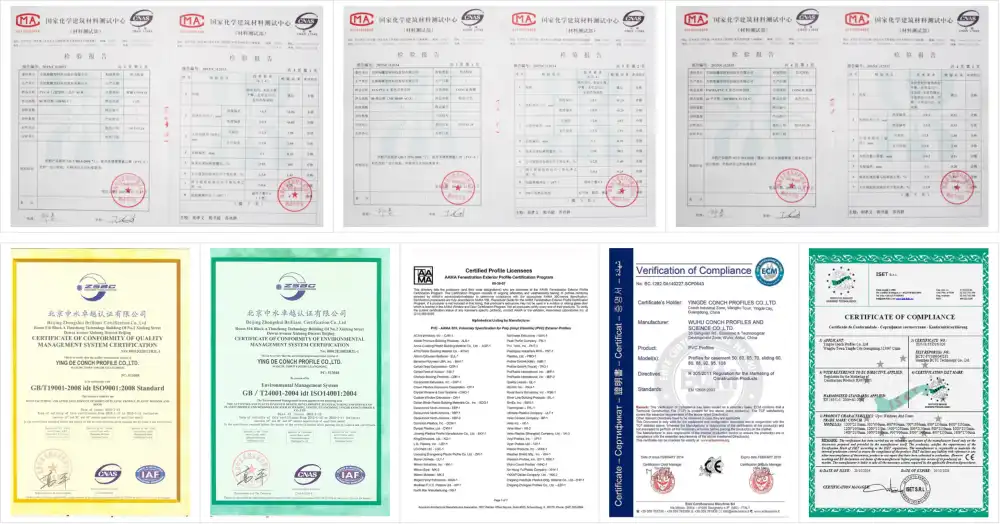
Looking for a trusted China UPVC Profiles manufacturer with proven expertise? Hunan Haolv Building Materials Co., Ltd. brings over 18 years of specialized experience in aluminum and UPVC windows and doors, serving as a reliable China UPVC Profiles supplier and China UPVC Profiles factory with global reach. Our advanced production facilities deliver wholesale UPVC Profiles with consistent quality, competitive UPVC Profiles price, and comprehensive customization capabilities. Whether you need Bulk UPVC Profiles for large projects, Customized UPVC Profiles tailored to specifications, or detailed UPVC Profiles quotation and UPVC Profiles Pricelist information, we provide one-stop solutions backed by ISO-certified quality systems and 24-hour customer support. Contact us at kristin@haolvwindows.com for expert consultation, free sample shipping, and full project support. Save this article for reference whenever window and door decisions arise.
References
1. Building Research Establishment. "Performance Specifications for uPVC Window Systems." BRE Publications, 2023.
2. International Organization for Standardization. "ISO 4211: Furniture - Tests for the Determination of Strength and Durability - Part 2: Upright Storage Units." ISO Standards Catalogue, 2022.
3. National Fenestration Rating Council. "Technical Guidelines for Energy Performance Ratings of Fenestration Products." NFRC Certification Program, 2024.
4. Plastics Industry Association. "Unplasticized Polyvinyl Chloride: Material Properties and Applications in Construction." Technical Standards Committee, 2023.
5. Window and Door Manufacturers Association. "Installation Standards for Vinyl Windows and Doors." WDMA Industry Standards, 2024.

USER EVALUATE
Here is the customer's evaluation of us