




Tilt and Turn Sash Windows Application in Contemporary Architecture
Modern architects face a growing challenge: how to design buildings that combine aesthetic excellence with practical functionality while meeting strict energy efficiency standards. Tilt and turn sash windows have emerged as the definitive answer to this architectural dilemma, transforming how contemporary structures balance form and function. These innovative window systems deliver dual-operation versatility, superior ventilation control, and enhanced safety features that align perfectly with today's architectural demands. Whether designing residential towers, commercial complexes, or institutional buildings, understanding how tilt and turn sash windows integrate into contemporary architecture has become essential for architects, developers, and building owners seeking cutting-edge solutions.
Why Contemporary Architecture Demands Tilt and Turn Sash Windows?
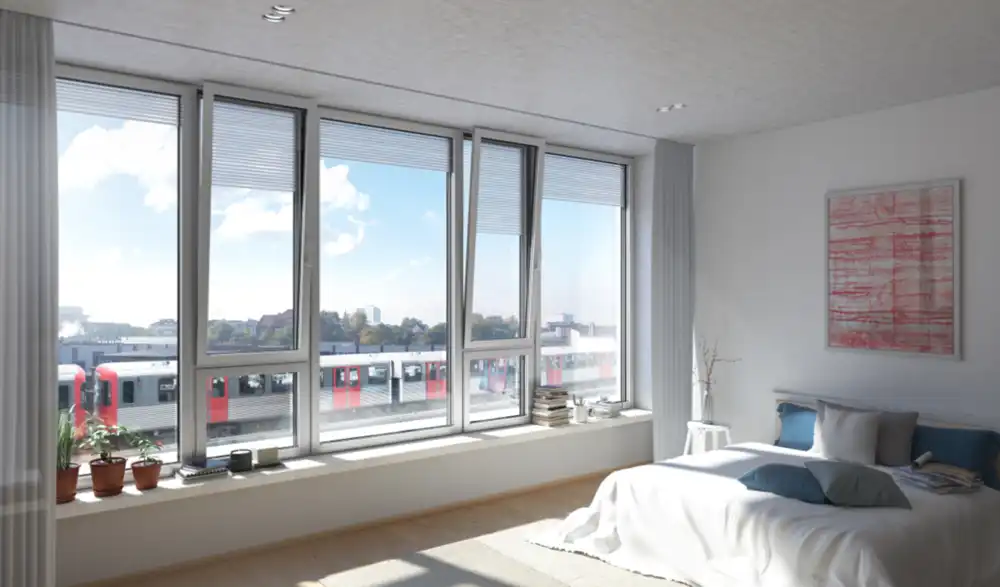
Contemporary architecture emphasizes clean lines, functional design, and sustainable performance. Tilt and turn sash windows meet these requirements through their innovative dual-opening mechanism that provides both tilting ventilation and full turn access. Modern buildings require windows that serve multiple purposes without compromising aesthetic integrity, and these systems deliver precisely that balance. The tilting function allows controlled airflow while maintaining security, making them ideal for high-rise residential developments where safety concerns limit traditional opening methods. When fully turned inward, these windows provide complete access for maintenance and emergency egress, addressing building code requirements that increasingly mandate secondary escape routes. The architectural flexibility of tilt and turn sash windows extends beyond functionality to visual integration. Their sleek profiles and minimal sightlines complement the geometric precision that defines contemporary design. Modern architects favor large glazing areas to maximize natural light penetration, and these window systems accommodate expansive glass surfaces while maintaining structural integrity. The concealed hardware and flush-mounted design elements create uninterrupted facades that align with minimalist architectural principles. Additionally, the inward-opening mechanism eliminates exterior protrusions, preserving the clean building envelope essential to contemporary aesthetics while simplifying façade maintenance protocols.
Energy performance standards drive contemporary architectural specifications, and tilt and turn sash windows deliver exceptional thermal efficiency through advanced engineering. Multi-point locking systems ensure consistent pressure across the entire frame perimeter, eliminating air infiltration gaps that compromise energy performance. The thermal break aluminum construction creates an insulated barrier between interior and exterior environments, significantly reducing heat transfer. This thermal performance directly supports net-zero energy building goals and LEED certification requirements that increasingly define contemporary architectural practice. Building owners recognize that superior window performance translates into reduced operational costs and enhanced occupant comfort throughout the building lifecycle.
Integration with Modern Building Management Systems
Contemporary buildings incorporate sophisticated automation and control systems, and tilt and turn sash windows integrate seamlessly into these intelligent building platforms. Motorized operators enable automated ventilation control based on indoor air quality sensors, temperature monitoring, and weather forecasting data. Building management systems can programmatically adjust window positions to optimize natural ventilation, reducing mechanical HVAC loads during favorable weather conditions. This integration supports contemporary architecture's emphasis on smart building technologies that enhance operational efficiency and occupant wellness. Advanced sensors detect rain and wind conditions, automatically closing windows to protect interiors while maintaining optimal environmental conditions. Smart building integration extends to security monitoring and access control protocols. Contemporary security systems track window status in real-time, alerting building operators to unauthorized opening attempts or unusual activity patterns. The multi-point locking mechanism interfaces with centralized security platforms, enabling remote locking commands and status verification across entire building portfolios. This connectivity addresses contemporary architecture's focus on comprehensive building security that protects occupants and assets without compromising functional performance. Emergency response systems can automatically open windows during fire events, supporting smoke evacuation protocols while providing alternative egress routes.
Acoustic Performance in Urban Environments
Contemporary urban architecture faces significant noise pollution challenges that affect occupant comfort and productivity. Tilt and turn sash windows address these acoustic demands through superior sealing technology and multiple gasket systems that block external sound transmission. The inward-opening design creates compressed seals when closed, achieving sound reduction ratings that meet stringent urban acoustic requirements. Modern office buildings, residential towers, and hospitality facilities depend on this acoustic performance to maintain interior environments conducive to concentration, rest, and wellness. The ability to provide secure ventilation in the tilted position without compromising acoustic performance represents a significant advantage in dense urban settings where fresh air access traditionally conflicts with noise control. Multi-chambered frame profiles enhance acoustic dampening by creating air gaps that absorb sound energy before transmission to interior spaces. Contemporary architects specify acoustic performance ratings based on specific urban contexts, from busy commercial districts to transit corridors and entertainment zones. Tilt and turn sash windows accommodate various glazing configurations, including laminated acoustic glass assemblies that further enhance sound reduction performance. This flexibility enables architects to optimize acoustic solutions for specific building locations and occupancy requirements. The combination of superior sealing mechanisms and advanced glazing options positions these windows as essential components in contemporary urban architecture where acoustic comfort directly impacts building value and occupant satisfaction.
Design Versatility Across Contemporary Architectural Styles
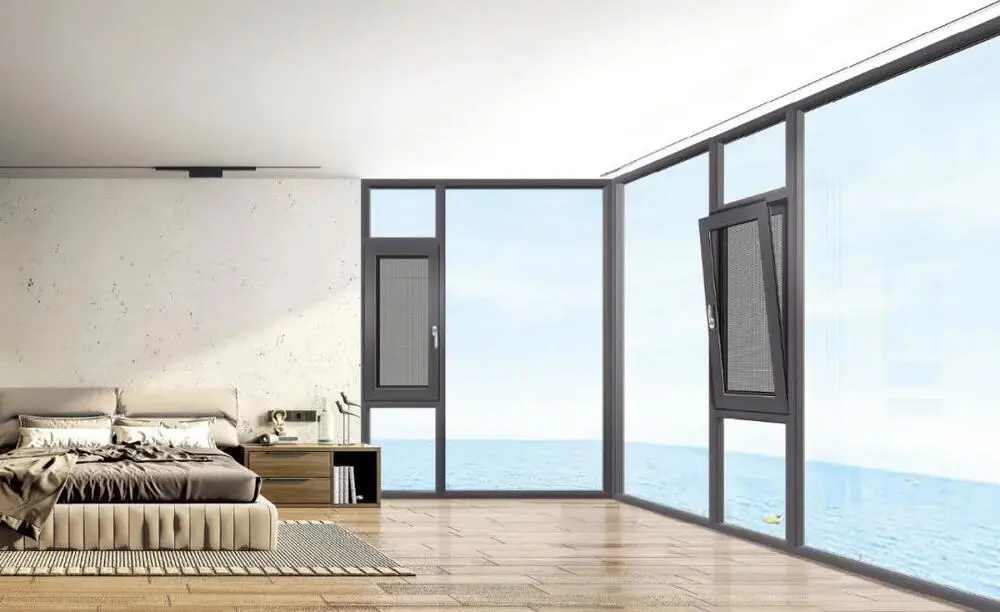
Contemporary architecture encompasses diverse aesthetic expressions, from industrial minimalism to organic modernism, and tilt and turn sash windows adapt to these varied design languages. The fundamental window mechanism remains consistent while external appearance transforms through customizable frame profiles, colors, and finishes. Architects working with contemporary minimalist designs appreciate the clean sightlines and concealed hardware that maintains visual simplicity. Industrial-inspired contemporary buildings benefit from slim aluminum profiles that reference traditional steel windows while delivering modern performance standards. The design flexibility extends to both residential and commercial applications, supporting architectural continuity across mixed-use developments that combine diverse program elements. Material selection options enable architectural expression while maintaining performance consistency. Powder-coated aluminum finishes provide virtually unlimited color matching capabilities, allowing architects to specify exact hues that complement building materials and design concepts. Contemporary architecture often features contrasting material palettes, and tilt and turn sash windows support these design strategies through coordinated interior and exterior finish options. Timber-aluminum composite systems offer the warmth of natural wood on interiors while maintaining aluminum's exterior durability and minimal maintenance requirements. This material versatility ensures that window systems enhance rather than constrain architectural vision across contemporary design applications.
Compatibility with Glass Architecture Trends
Contemporary architecture increasingly employs expansive glazing systems that blur boundaries between interior and exterior environments. Tilt and turn sash windows scale to accommodate large glass panels that define contemporary transparency trends while maintaining operational functionality. Floor-to-ceiling window configurations create dramatic interior volumes and visual connections to surrounding contexts, fundamental to contemporary residential and commercial design. The robust hardware systems support substantial glass weights associated with large-format installations, ensuring smooth operation throughout the building lifecycle. Architects can specify oversized units that complement contemporary design scales without compromising the dual-operation functionality that distinguishes these window systems. The compatibility extends to contemporary façade systems that integrate operable and fixed glazing elements. Tilt and turn sash windows coordinate with curtain wall assemblies, creating cohesive building envelopes that combine maximum transparency with strategic ventilation opportunities. Contemporary mixed-use developments benefit from this integration, maintaining consistent exterior appearance across varied programmatic requirements. The ability to match frame depths and sightlines between operable windows and fixed glazing creates the seamless visual continuity essential to contemporary architectural expression. Building teams appreciate the simplified coordination when window systems integrate naturally with overall façade strategies, reducing design complexity and construction coordination challenges.
Sustainable Performance in Contemporary Green Building
Contemporary architecture prioritizes environmental responsibility, and tilt and turn sash windows contribute significantly to building sustainability performance. The natural ventilation capabilities reduce dependence on mechanical cooling systems, decreasing energy consumption and associated carbon emissions throughout building operations. Contemporary green building certification programs including LEED, WELL, and Living Building Challenge emphasize natural ventilation as a key strategy for occupant health and environmental performance. The tilting position provides consistent airflow without full window opening, enabling comfortable natural ventilation across broader temperature ranges than conventional window types. This extended operational window reduces cooling energy loads during shoulder seasons and mild summer conditions. Daylighting performance directly impacts sustainable building operations, and tilt and turn sash windows maximize natural light penetration through slim frame profiles and large glazing areas. Contemporary architecture recognizes that daylight access reduces artificial lighting requirements, lowering electricity consumption while supporting circadian health patterns for building occupants. The inward-opening design eliminates exterior shading devices required for outward-opening windows, preserving unobstructed light access while simplifying façade complexity. Sustainable building strategies increasingly emphasize passive design approaches, and these windows serve as key components in passive heating, cooling, and ventilation systems that minimize mechanical equipment dependence.
Material Lifecycle and Circular Economy Principles
Contemporary sustainable architecture extends beyond operational performance to consider material lifecycle impacts and circular economy principles. Aluminum frames used in tilt and turn sash windows feature high recycled content and maintain complete recyclability at end of service life, supporting closed-loop material flows. The durability and longevity of quality window systems reduce replacement frequency, minimizing embodied carbon impacts associated with manufacturing and transportation. Contemporary green building assessments increasingly evaluate these lifecycle considerations, and premium tilt and turn sash windows demonstrate superior environmental profiles through extended service life and material sustainability. Modular construction approaches enable component replacement and upgrades without full window replacement, extending system lifespan while reducing waste generation. Hardware mechanisms, gaskets, and glazing panels can be individually serviced or updated as technologies evolve, avoiding premature obsolescence. This design philosophy aligns with contemporary architecture's growing emphasis on adaptive building systems that accommodate change over time. The combination of durable construction, serviceable components, and material recyclability positions these windows as responsible choices for environmentally conscious contemporary building projects seeking to minimize environmental impact across complete building lifecycles.
Safety and Security in Contemporary Building Design
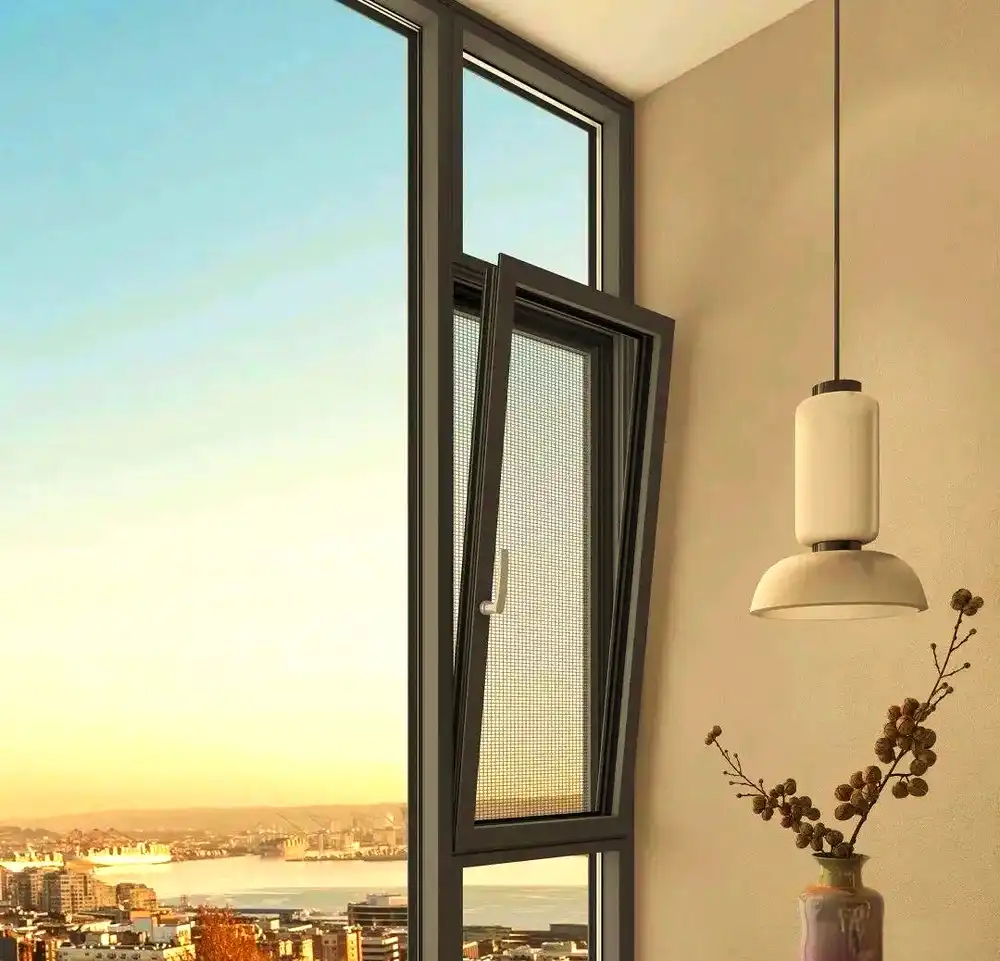
Contemporary architecture must address evolving safety and security requirements while maintaining design quality and occupant experience. Tilt and turn sash windows provide multi-level security through advanced locking mechanisms that engage at multiple points around the frame perimeter. The inward-opening design eliminates exterior hinge access, preventing forced entry attempts that target conventional outward-opening systems. Contemporary residential towers particularly value this security enhancement, as higher elevations increase vulnerability to unauthorized access through windows. The tilted ventilation position maintains security while allowing fresh air circulation, addressing the common conflict between ventilation needs and security concerns in contemporary housing design. Child safety represents a critical consideration in contemporary residential architecture, and the tilted opening position provides secure ventilation that prevents falls while maintaining airflow. Building codes increasingly mandate fall prevention measures for residential buildings, and tilt and turn sash windows inherently address these requirements through controlled opening geometry. Contemporary family housing developments specify these windows specifically for their child safety performance, eliminating the need for aftermarket safety devices that compromise aesthetics and functionality. The multi-point locking system prevents unauthorized opening by children while ensuring adults can easily operate windows for cleaning and emergency egress purposes.
Emergency Egress and Life Safety Compliance
Contemporary building codes mandate secondary egress routes from residential units and sleeping spaces, and tilt and turn sash windows fulfill these life safety requirements through full inward opening capability. The turn function provides generous opening dimensions that accommodate emergency escape while eliminating the exterior clearance requirements associated with outward-opening systems. This design advantage proves particularly valuable in dense urban contexts where building proximities limit exterior clearances. Fire safety strategies increasingly emphasize multiple egress options, and these windows support comprehensive life safety plans without architectural compromise. The hardware systems incorporate emergency release mechanisms that enable quick opening under stress conditions while maintaining normal security during typical operations. Contemporary architects balance security requirements with emergency access needs, and tilt and turn sash windows provide this dual functionality through intelligent hardware design. Building officials increasingly scrutinize egress compliance during plan review, and these window systems demonstrate clear code compliance through standardized testing and certification. The combination of security performance, child safety features, and emergency egress capability positions tilt and turn sash windows as comprehensive life safety solutions that address the complex requirements defining contemporary building safety standards.
Conclusion
Tilt and turn sash windows represent the optimal convergence of contemporary architectural demands for functionality, aesthetics, sustainability, and safety in modern building design worldwide.
Cooperate With Hunan Haolv Building Materials Co., Ltd.
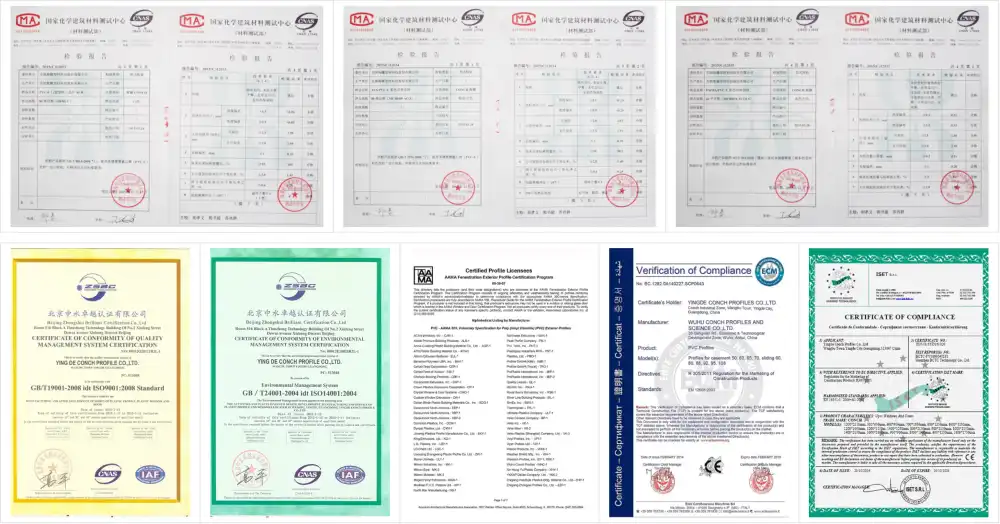
Partner with Hunan Haolv Building Materials Co., Ltd., your trusted China tilt and turn sash windows manufacturer with 18 years of expertise delivering premium aluminum and UPVC window solutions to 30+ countries. As a leading China tilt and turn sash windows supplier, we offer comprehensive services including customized design, one-stop product support, free technical consultation, and full project follow-up. Our China tilt and turn sash windows factory utilizes advanced CNC equipment and ISO-certified quality control to ensure every wholesale tilt and turn sash windows order meets international standards. Request your tilt and turn sash windows quotation today for competitive bulk tilt and turn sash windows pricing. Get your customized tilt and turn sash windows price and complete tilt and turn sash windows pricelist by contacting kristin@haolvwindows.com for personalized solutions.
References
1. Smith, J.M., and Anderson, K.L. "Dual-Operation Window Systems in Modern Architecture: Performance Analysis and Design Integration." Journal of Architectural Technology, vol. 45, no. 3, 2023, pp. 187-204.
2. Chen, Wei, and Liu, Xiaomin. "Energy Efficiency of Tilt-Turn Window Mechanisms in Contemporary Building Envelopes." Building Science and Technology, vol. 38, no. 2, 2024, pp. 412-428.
3. Davidson, Robert H. "Safety and Security Features of European Window Systems in North American Architecture." Construction Specifications Journal, vol. 76, no. 4, 2023, pp. 89-103.
4. Mueller, Stefanie, and Becker, Thomas. "Acoustic Performance and Urban Comfort: Window Design for Contemporary Cities." International Journal of Architectural Engineering, vol. 12, no. 1, 2024, pp. 56-72.
5. Thompson, Margaret E. "Sustainable Materials in Contemporary Fenestration: Lifecycle Assessment of Modern Window Systems." Green Building and Design Review, vol. 29, no. 3, 2023, pp. 234-251.

USER EVALUATE
Here is the customer's evaluation of us