




Top 5 Questions to Ask Before Ordering a 90 Degree Corner Window
Picture this: you're planning your dream home renovation, excited about creating those spectacular panoramic views you've always wanted, but then reality hits—you're staring at corner spaces wondering if a 90 Degree Corner Window will actually work for your project, whether it can withstand your climate, or if the installation will become a costly nightmare. You're not alone in this uncertainty. Many homeowners and architects face these exact concerns when considering corner window installations. This comprehensive guide answers the top five critical questions you must ask before ordering a 90 Degree Corner Window, helping you make an informed decision that transforms your space while avoiding expensive mistakes. From structural requirements to customization options, energy efficiency standards to long-term performance guarantees, we'll walk you through every essential consideration that separates a successful corner window project from a problematic one.
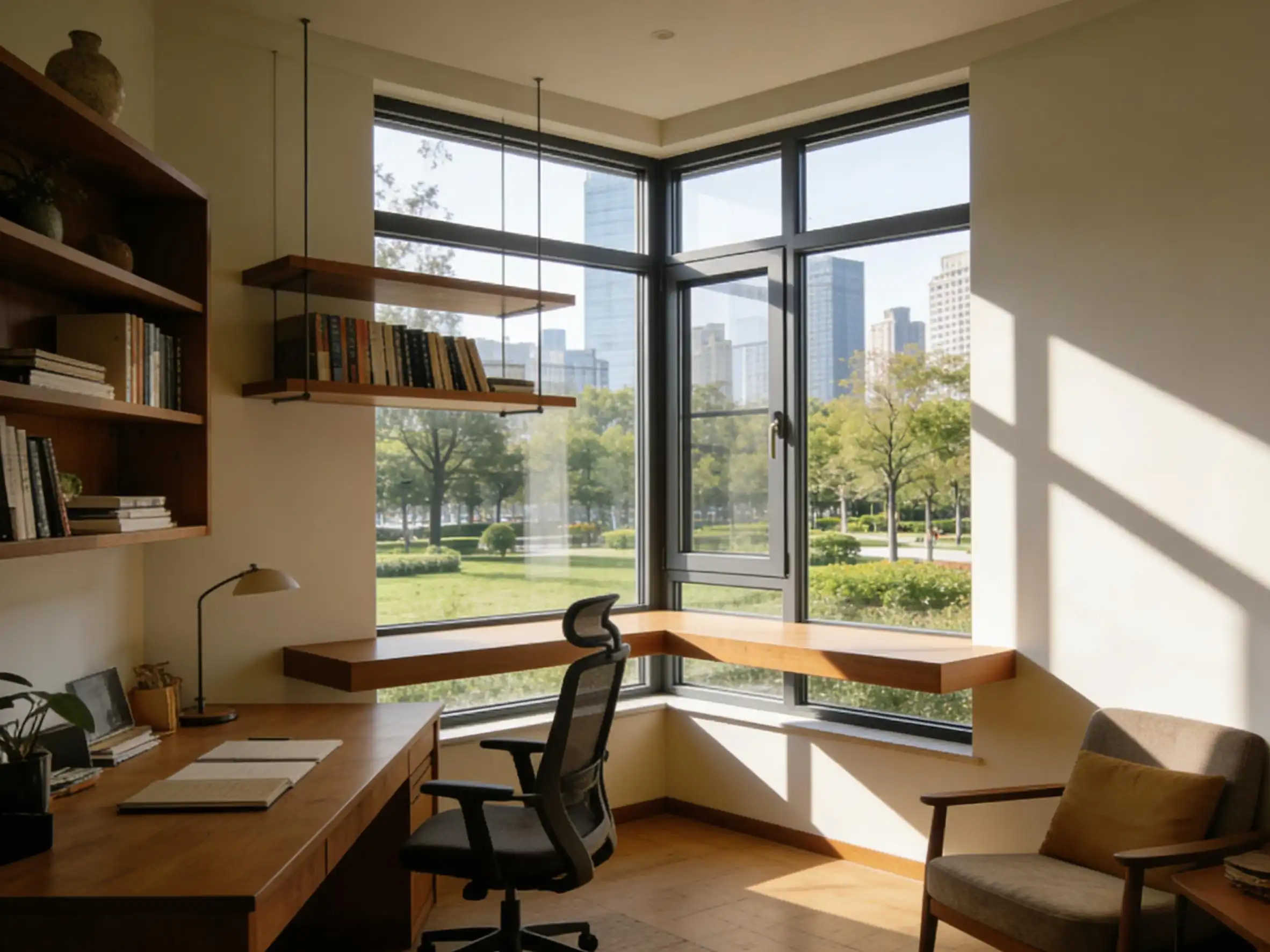
What Structural Requirements Does My Building Need for a 90 Degree Corner Window?
Understanding the structural demands of a 90 Degree Corner Window installation is perhaps the most critical question you must address before placing your order. Unlike traditional windows that sit within a single wall plane, corner windows span two walls meeting at a right angle, creating unique engineering challenges that require careful planning and proper structural support.
Load-Bearing Considerations and Frame Reinforcement
Corner window installations fundamentally alter your building's corner structure, which traditionally serves as a major load-bearing element. When you remove this corner to install a 90 Degree Corner Window, the building's weight distribution changes significantly. The window system itself must compensate for this structural role while maintaining the building's integrity. Modern corner windows address this through precision-engineered aluminum frames constructed from 6063-T5 aluminum alloy, which provides exceptional strength-to-weight ratios. The reinforced framing system distributes loads effectively across the window assembly, ensuring the corner maintains its structural function. Professional manufacturers utilize specialized corner connection hardware that creates rigid 90-degree joints capable of supporting the building loads that would normally transfer through a solid corner post. This reinforced framing approach allows the window to serve both aesthetic and structural purposes simultaneously. Building codes in most jurisdictions require engineering calculations to verify that the corner window system can adequately support anticipated loads, including dead loads from the structure above, live loads from building occupancy, and environmental loads from wind and seismic activity. Your contractor should work with a structural engineer to ensure the 90 Degree Corner Window specification meets all local building code requirements for your specific application.
Foundation and Opening Preparation Requirements
Before a 90 Degree Corner Window can be successfully installed, the corner opening must be properly prepared with adequate structural support systems. This typically involves installing a structural header or beam above the window opening to carry loads around the window rather than through it. The header size and type depend on several factors including the span of the opening, the loads being supported, and the building materials used in your structure. For larger corner window installations, steel or engineered lumber headers may be necessary to span the opening safely. The rough opening dimensions must be precisely calculated and executed to ensure proper window fit and performance. Additionally, the foundation and sill conditions at the base of the corner window require careful attention, as this area must support the window weight while providing a weathertight seal. Proper flashing installation at the corner junction is absolutely essential to prevent water infiltration, which represents one of the most common failure points in corner window installations. The wall framing on both sides of the corner must be reinforced with king studs and jack studs to transfer loads effectively around the opening to the header above and foundation below.
Can a 90 Degree Corner Window Meet My Climate's Energy Efficiency Standards?
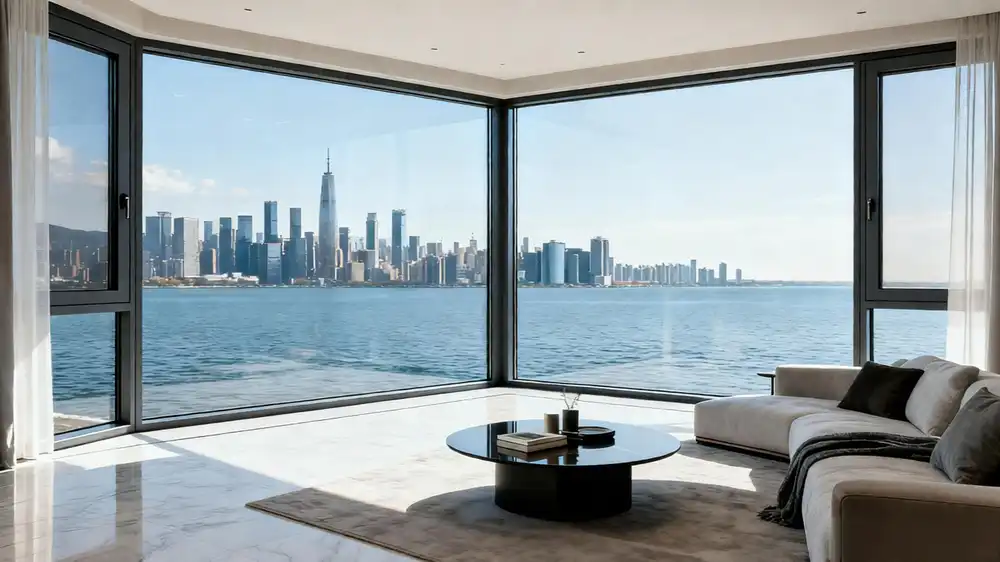
Energy performance represents a major consideration when evaluating any window system, and 90 Degree Corner Windows present unique challenges in this regard due to their large glass areas and complex corner junction details. However, modern manufacturing techniques and advanced glazing technologies have made it entirely possible for corner windows to meet and even exceed stringent energy codes.
Advanced Glazing Systems and Thermal Performance
The glazing specification you select for your 90 Degree Corner Window dramatically impacts its energy efficiency and your long-term comfort and operating costs. Standard double glazing with a 5+16A+5 configuration (5mm glass, 16mm air space, 5mm glass) provides baseline insulation performance suitable for moderate climates. However, for enhanced energy efficiency, you should consider upgrading to low-emissivity (Low-E) glass coatings, which reflect infrared energy while allowing visible light transmission. These specialized coatings can reduce heat transfer through the window by up to 50% compared to standard glass. For even better performance in extreme climates, triple glazing configurations add a third pane of glass with additional insulating air spaces, providing superior thermal resistance. The gas fill between panes also affects performance—argon gas filling improves insulation compared to standard air fills, while krypton gas offers even better performance in thinner cavity spaces. The thermal performance of your 90 Degree Corner Window depends not just on the glass but on the entire system, including frame conductivity and edge seal performance. Quality aluminum frames incorporate thermal breaks—insulating material separating interior and exterior aluminum components—that prevent thermal bridging where heat would otherwise conduct through the metal frame. When properly specified with thermally broken frames and high-performance glazing, a 90 Degree Corner Window can achieve U-values competitive with standard windows, ensuring your investment meets energy code requirements while providing comfort and efficiency.
Corner Junction Weatherproofing and Air Sealing
The corner junction where two window units meet at 90 degrees represents the most challenging area for maintaining energy efficiency and weather resistance. This critical detail determines whether your corner window will perform as intended or become a source of air leakage, water infiltration, and energy loss. Professional manufacturers address this challenge through precision-engineered corner connection systems that create seamless, weathertight joints. The corner post or structural mullion must be carefully sealed with appropriate weatherproofing materials including structural silicone, closed-cell foam, and exterior sealants designed for window applications. The glass panes should align in the same plane at the corner to eliminate offset areas where air could infiltrate. Advanced corner window designs can eliminate the corner post entirely, creating glass-to-glass corners that maximize views while maintaining weathertightness through specialized structural silicone glazing techniques. However, these postless designs require expert installation and careful detailing to ensure long-term performance. Regardless of whether your 90 Degree Corner Window includes a corner post or features a glass-to-glass design, the installation must incorporate proper flashing systems that direct water away from the building while allowing any moisture that does penetrate to drain and dry. Multi-layered weatherproofing approaches using both primary and secondary seals provide redundancy that protects against weather-related failures over the window's service life.
What Customization Options Are Available for My 90 Degree Corner Window?
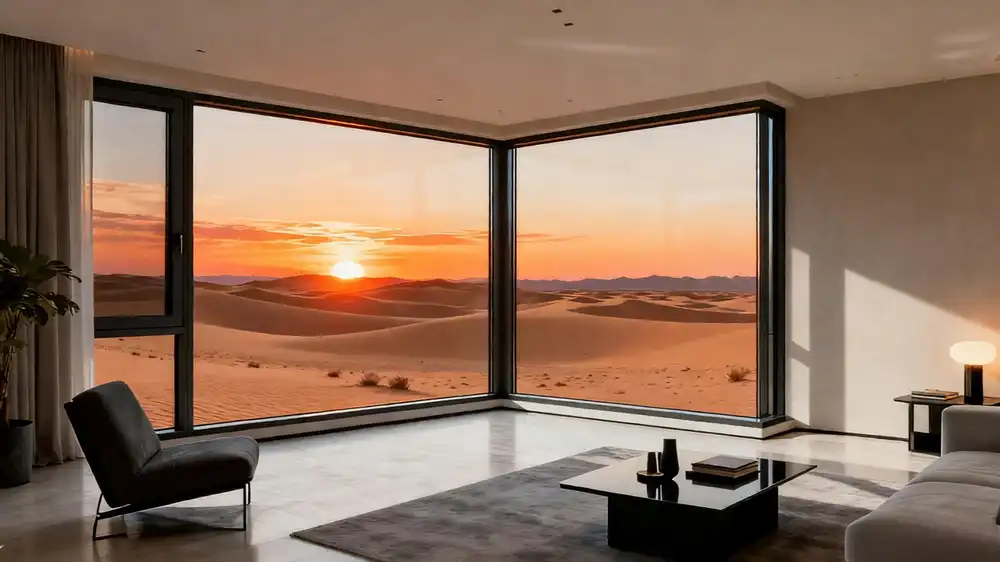
One of the most attractive aspects of ordering a 90 Degree Corner Window is the extensive customization possibilities that allow you to tailor the window precisely to your architectural vision and functional requirements. Understanding the full range of available options helps you create a corner window solution that perfectly matches your project needs.
Glass Configuration and Performance Options
Beyond basic double or triple glazing, modern 90 Degree Corner Window systems offer numerous glass performance options to address specific needs. Laminated glass provides enhanced security and safety by incorporating a plastic interlayer between glass panes that holds fragments together if the glass breaks, making forced entry more difficult while also improving sound insulation. This option proves particularly valuable in ground-floor applications or areas where security concerns exist. Tinted or reflective glass coatings reduce solar heat gain and glare, making them ideal for corner windows facing intense sun exposure. These coatings come in various tints and reflectivities to balance view preservation with solar control. Impact-resistant glass meeting hurricane or severe weather codes provides protection in storm-prone regions, with specifications typically requiring compliance with specific impact testing standards. For privacy applications, obscure or textured glass options allow natural light transmission while limiting clear views, useful in bathrooms or areas adjacent to neighboring properties. You can also specify different glass types for different sections of your corner window—for example, using clear glass for view areas and obscure glass for privacy zones. The glass thickness can be customized based on size requirements and performance needs, with larger spans requiring thicker glass to maintain structural integrity and prevent excessive deflection.
Frame Finishes, Hardware, and Operational Configurations
The appearance and functionality of your 90 Degree Corner Window depends significantly on frame finish, hardware selection, and operational choices. Powder coating provides durable, attractive finishes in a wide color range including popular options like white, champagne gold, and dark gray, with custom color matching available to coordinate with your architectural palette. The powder coating process creates a hard, protective finish that resists chipping, fading, and weathering far better than conventional paint. Anodized finishes offer an alternative for aluminum frames, providing excellent corrosion resistance and a distinctive metallic appearance. Regarding hardware, you can choose from various handle styles, lock mechanisms, and hinge systems to match both aesthetic preferences and functional requirements. For operational corner windows like casement configurations, the swing direction, opening angles, and operator types can be specified to suit your space and ventilation needs. Fixed corner windows eliminate operational hardware entirely for the cleanest appearance and maximum glass area. You might also incorporate operable insect screens into casement sections, with options for standard rectangular screens or custom-shaped screens that match unique window geometries. The combination of finish, hardware, and operational choices allows you to create a 90 Degree Corner Window that functions exactly as needed while complementing your overall design intent.
How Long Will Installation Take and What Does the Process Involve?
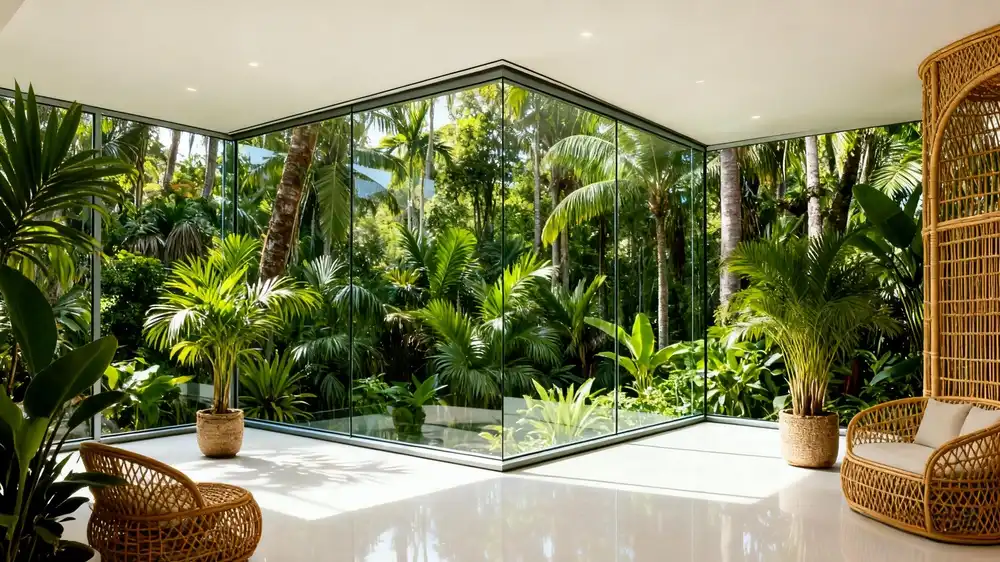
Understanding the installation timeline and process for a 90 Degree Corner Window helps you plan your project schedule realistically and prepare your space appropriately for this significant renovation or construction activity.
Pre-Installation Planning and Site Preparation
Successful corner window installation begins well before the window arrives on site, with thorough planning and preparation that addresses both structural and logistical considerations. Your contractor should conduct detailed site measurements to verify that the ordered 90 Degree Corner Window will fit properly within the prepared opening. These measurements must account for the rough opening dimensions, plumb and level conditions, and any irregularities in the existing structure that might affect installation. For replacement applications where you're removing existing windows or a solid corner, the demolition phase requires careful execution to avoid damaging surrounding finishes or structural elements. Load-bearing supports must be temporarily installed before removing the existing corner structure to maintain building stability during the work. The rough opening preparation includes installing the structural header system, reinforcing jack studs, and ensuring the opening is properly squared, plumb, and level. Any discrepancies in these critical dimensions can compromise the window's fit, operation, and long-term performance. Waterproofing preparation begins with applying appropriate weather-resistant barriers to the rough opening perimeter, with special attention to corner details where two walls intersect. Sill pans or flashing systems should be installed before the window to direct any water that penetrates past the window to the exterior rather than into the wall cavity. The installation team should verify that adequate access exists for bringing the window units to the installation location, as corner windows can be large and awkward to maneuver through existing openings or up to upper floors.
Installation Sequence and Quality Control
The actual installation of a 90 Degree Corner Window typically follows a careful sequence designed to ensure proper alignment, weatherproofing, and performance. For multi-piece corner window systems, the individual window units are positioned and temporarily secured in sequence, starting with one side and then adding the adjoining perpendicular unit. The corner connection hardware or structural mullion must be precisely aligned to create the proper 90-degree angle and maintain both units in the same plane. Installers use shims and temporary braces to hold components in exact position while checking for level, plumb, and proper alignment. Once positioned correctly, the window units are permanently fastened to the structure using appropriate fasteners spaced according to manufacturer specifications. These fasteners must penetrate into solid structural framing, not just finish materials, to provide adequate support for wind loads and operational forces. After mechanical fastening, the critical weatherproofing steps begin, including applying expanding foam insulation in gaps between the window frame and rough opening, installing backer rods and sealant at all exterior perimeter joints, and carefully sealing the corner junction with structural silicone or other specified sealants. Interior finishing includes installing trim or casing around the window perimeter to cover the rough opening edges and provide a finished appearance. The installation team should conduct operational checks if the window includes operable sections, verifying smooth operation, proper locking, and correct weatherstripping contact. A final inspection ensures all weatherproofing details are complete and the window meets quality standards before project completion. The entire installation process for a typical residential 90 Degree Corner Window generally requires one to three days depending on project complexity, though commercial or especially large installations may take longer.
What Warranty and Long-Term Support Does the Manufacturer Provide?
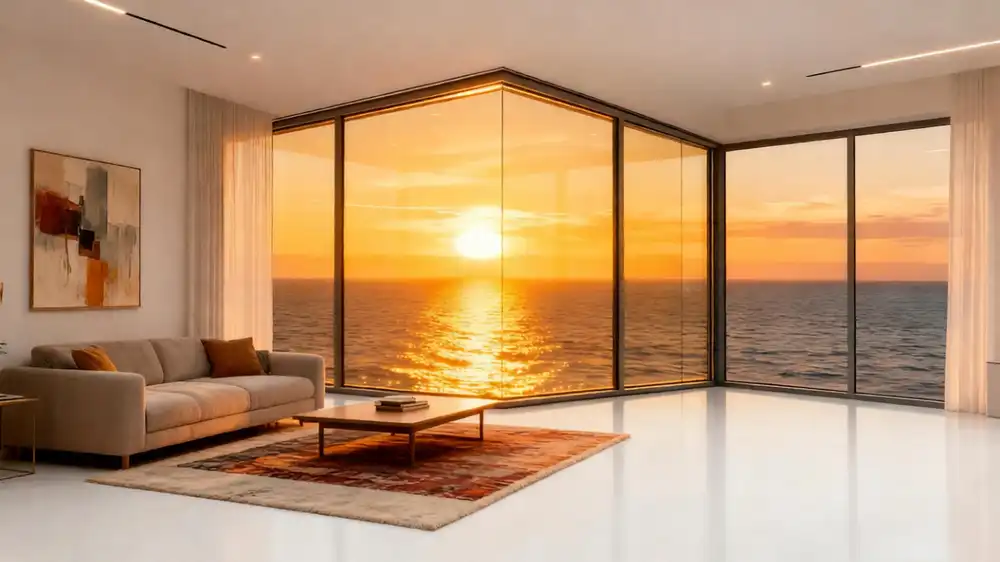
The warranty and support offered with your 90 Degree Corner Window can be just as important as the product specifications themselves, providing protection for your investment and ensuring you have recourse if problems develop.
Comprehensive Warranty Coverage
Quality manufacturers stand behind their products with comprehensive warranty programs covering various aspects of window performance and longevity. Material and manufacturing defect warranties typically cover a substantial period, often ten years or more for structural components and hardware. These warranties should protect against defects in materials, workmanship, and finish quality, including issues like aluminum frame corrosion, seal failure, hardware malfunction, or finish deterioration. Glass seal failure represents one of the most common long-term window problems, occurring when the perimeter seal on insulated glass units fails, allowing moisture to enter between panes and causing permanent fogging or condensation. Reputable manufacturers warranty against seal failure for extended periods, often five to ten years, and will replace failed glass units when defects occur during the warranty period. Some manufacturers also offer performance warranties guaranteeing that the 90 Degree Corner Window will meet specified air infiltration, water penetration, and structural performance standards for a defined period. When evaluating warranty coverage, carefully review what is and is not included, as exclusions might apply for certain types of damage, improper installation, or lack of maintenance. Warranty transferability can add value if you sell your property, though some manufacturers limit transferred warranties to shorter periods or more restrictive terms than the original coverage. The warranty should clearly state the procedure for making claims, including documentation requirements and whether the manufacturer will cover labor costs for repairs or replacements, not just parts. A strong warranty backed by an established manufacturer with a track record of honoring warranty claims provides valuable peace of mind for your significant investment in a 90 Degree Corner Window.
Technical Support and After-Sales Service
Beyond warranty coverage, the level of technical support and service provided by your window supplier and manufacturer significantly impacts your long-term satisfaction. Before ordering, evaluate the manufacturer's reputation for responsiveness and customer service through reviews and references from previous customers. Quality manufacturers provide technical support throughout the project lifecycle, starting with pre-purchase consultation to help you select the optimal configuration and specifications for your application. During installation, technical support should be available to answer questions and address any issues installers encounter. After installation, the manufacturer should provide maintenance guidance and support to help you care for your 90 Degree Corner Window properly, maximizing its longevity and performance. This includes recommendations for cleaning products and techniques, hardware lubrication schedules, weatherstripping replacement intervals, and inspection procedures to catch potential problems early. If problems do develop, responsive service makes all the difference in resolving issues quickly and satisfactorily. Manufacturers with dedicated service departments, readily available replacement parts, and networks of qualified service providers offer significant advantages over those with limited support infrastructure. For commercial or high-profile projects, some manufacturers offer extended service agreements or preventive maintenance programs that provide regular inspections and maintenance to ensure continued optimal performance. The availability of 24-hour online service and direct communication channels with knowledgeable support staff provides valuable assurance that help is available when you need it.
Conclusion
Ordering a 90 Degree Corner Window requires careful consideration of structural requirements, energy performance, customization options, installation processes, and warranty support to ensure success.
Cooperate With Hunan Haolv Building Materials Co., Ltd.
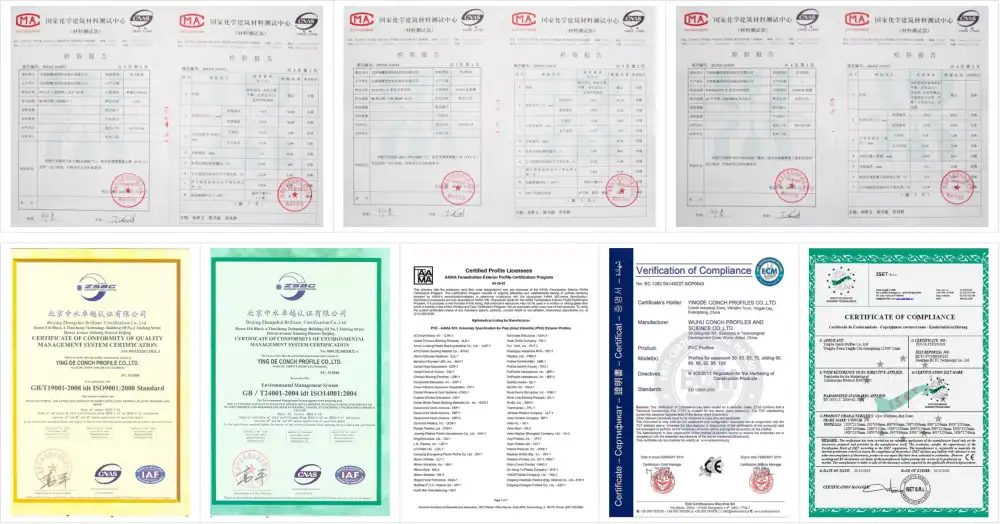
Ready to transform your architectural vision into reality? As a leading China 90 Degree Corner Window manufacturer with over 18 years of expertise, Haolv Building Materials delivers exceptional quality from our advanced production facilities equipped with precision CNC machining, automated welding, and comprehensive testing equipment. We offer one-stop customized solutions including free technical consultation, detailed design support, and complete project follow-up services. Our partnership with Conch New Materials ensures premium material quality, while our global presence serving 30+ countries demonstrates proven reliability. Whether you need wholesale 90 Degree Corner Window solutions, customized configurations, or competitive pricing including bulk 90 Degree Corner Window orders, our 24-hour support team is ready to provide your 90 Degree Corner Window quotation and detailed pricelist. As your trusted China 90 Degree Corner Window supplier and factory, we transform standard corner spaces into extraordinary architectural features. Contact us today at kristin@haolvwindows.com to discuss your project requirements and discover how our engineering expertise, quality assurance, and comprehensive service deliver unmatched value for residential, commercial, and modern architectural applications worldwide.
References
1. National Fenestration Rating Council. "Certified Products Directory: Energy Performance Ratings for Windows and Doors." NFRC Technical Standards.
2. American Architectural Manufacturers Association. "AAMA 101 Voluntary Specification for Aluminum Prime Windows and Sliding Glass Doors." AAMA Standards Division.
3. International Building Code. "Chapter 24: Glass and Glazing - Structural Requirements and Safety Standards for Window Systems." International Code Council.
4. Lstiburek, Joseph W. "Water Management in Building Envelope Design." Building Science Corporation Technical Publication.
5. Carmody, John; Selkowitz, Stephen; Lee, Eleanor S.; Arasteh, Dariush. "Window Systems for High-Performance Buildings." Norton & Company Architectural Press.

USER EVALUATE
Here is the customer's evaluation of us