




UPVC Sliding Patio Doors Benefits: Space Saving & Natural Light
Picture this: you're standing in your living room, frustrated because your traditional hinged patio doors demand so much clearance that you can't place your furniture where you want it. Meanwhile, your space feels darker than it should, and your energy bills keep climbing. These common homeowner challenges have a modern solution. UPVC Sliding Patio Doors transform cramped, dim interiors into bright, functional spaces without sacrificing square footage. By combining intelligent space-saving design with expansive glass panels, these innovative door systems maximize natural light penetration while eliminating the swing clearance problem that plagues conventional doors. The result? A home that feels larger, brighter, and more connected to outdoor spaces.

Why UPVC Sliding Patio Doors Are the Smart Choice for Modern Homes?
Modern homeowners face constant pressure to maximize every inch of living space while maintaining comfort and reducing energy consumption. UPVC Sliding Patio Doors address these challenges through engineering excellence and thoughtful design. Unlike traditional hinged doors that require dedicated clearance zones for operation, sliding mechanisms operate within their own track system, freeing up valuable floor space for furniture placement and traffic flow. This fundamental design advantage makes them particularly valuable in urban homes, apartments, and compact living environments where space optimization directly impacts quality of life.
Space-Saving Design That Maximizes Your Living Area
The most immediate benefit of UPVC Sliding Patio Doors becomes apparent the moment you understand their operational mechanics. Traditional patio doors swing inward or outward, creating dead zones where furniture cannot be placed without interfering with door operation. This limitation forces homeowners to arrange rooms around door function rather than optimal comfort or aesthetics. Sliding doors eliminate this constraint entirely. The panels glide horizontally along precision-engineered tracks, requiring zero additional clearance beyond the door frame itself. This means you can position sofas, dining tables, plant stands, and decorative elements right up to the door threshold without compromising access to your outdoor spaces. The space liberation extends beyond simple furniture placement. In smaller rooms, the absence of swing clearance requirements can effectively increase usable floor space by fifteen to twenty percent. For a typical twelve-foot-wide patio opening, traditional French doors might claim an additional thirty to forty square feet when fully opened, whereas UPVC Sliding Patio Doors reclaim that entire area for permanent use. This recovered space translates directly into enhanced room functionality, whether you're creating a reading nook, expanding your dining area, or simply achieving better traffic flow during gatherings. The slim profile construction of modern UPVC frames further amplifies this benefit by minimizing the visual and physical footprint of the door system itself.
Natural Light Optimization Through Expansive Glazing
Natural light profoundly impacts human wellbeing, mood regulation, and perceived spatial volume. UPVC Sliding Patio Doors excel at capturing and channeling daylight into interior spaces through their generous glass-to-frame ratios. Modern manufacturing techniques allow for slim, steel-reinforced UPVC profiles that support remarkably large glass panels without compromising structural integrity. These expansive glazing surfaces act as transparent walls, flooding rooms with sunlight throughout the day and creating visual connections between indoor and outdoor environments that conventional windows cannot match. The psychological and practical benefits of enhanced natural light penetration extend far beyond aesthetics. Spaces illuminated by abundant daylight feel larger, more inviting, and more connected to natural circadian rhythms. Homeowners consistently report improved mood and productivity in rooms featuring UPVC Sliding Patio Doors compared to spaces relying primarily on artificial lighting. The economic advantages prove equally compelling when reduced daytime lighting needs translate into measurable energy savings. During peak sunlight hours, rooms with properly positioned sliding patio doors may require little to no supplementary lighting, directly reducing electricity consumption while creating more comfortable, naturally illuminated living environments that better support human health and daily activities.
Energy Efficiency Benefits of UPVC Sliding Patio Doors

Contemporary UPVC Sliding Patio Doors represent sophisticated thermal management systems disguised as simple architectural elements. The multi-chamber profile construction inherent to quality UPVC extrusions creates numerous air pockets within the frame material itself. These chambers function as thermal barriers, dramatically reducing heat transfer between interior and exterior environments. When combined with steel reinforcement for structural rigidity and advanced glazing options, these doors achieve thermal performance metrics that rival or exceed traditional wall construction, effectively turning what might seem like vulnerable openings into thermally efficient building envelope components.
Superior Insulation Performance in All Seasons
The thermal efficiency advantages of UPVC Sliding Patio Doors manifest differently across seasonal temperature extremes, but the benefits remain constant year-round. During winter months, the multi-chamber profiles work in concert with double or triple glazing to prevent interior heat from escaping through the door system. The UPVC material itself possesses inherently low thermal conductivity compared to aluminum or steel alternatives, meaning the frame simply doesn't transfer cold from outside surfaces to interior spaces. This characteristic becomes particularly valuable at the interface points where glass meets frame, traditionally weak spots in door thermal performance where condensation and heat loss concentrate. Summer performance proves equally impressive through the same mechanisms operating in reverse. The insulating properties that retain heat during cold months prevent exterior heat from penetrating interior spaces during warm weather. Modern low-emissivity glass coatings further enhance this protection by reflecting infrared radiation while allowing visible light transmission, effectively filtering heat while maintaining brightness. Homeowners in climates with significant seasonal temperature variations report that rooms featuring UPVC Sliding Patio Doors maintain more stable temperatures with less HVAC system intervention, translating directly into reduced energy consumption and lower utility costs. The steel-reinforced frame construction ensures these thermal performance characteristics remain consistent throughout the door's operational lifetime, as UPVC maintains dimensional stability across temperature fluctuations that might cause warping or degradation in alternative materials.
Weatherproofing and Draft Prevention Technology
Effective weatherproofing extends beyond simple water exclusion to encompass comprehensive protection against air infiltration, moisture penetration, and acoustic transmission. Quality UPVC Sliding Patio Doors incorporate multiple sealing layers strategically positioned throughout the door assembly. Primary seals at the overlap between sliding panels prevent direct air and water passage, while secondary compression seals at frame interfaces ensure complete closure when panels reach their closed position. This redundant sealing architecture provides fail-safe protection even as individual seal components experience normal wear over years of operation. The engineering sophistication becomes apparent when examining how these systems handle real-world weather challenges. During wind-driven rain events, the overlapping panel design combined with drainage channels built into the track system ensures water flows away from interior spaces rather than pooling or penetrating through vulnerable joints. The tight sealing also dramatically reduces outside noise transmission, particularly valuable for homes facing busy streets, commercial areas, or other urban noise sources. Residents consistently report that closing their UPVC Sliding Patio Doors creates an immediate and noticeable reduction in ambient noise levels, transforming outdoor soundscapes into distant background murmurs. This acoustic performance combines with thermal efficiency to create genuinely comfortable interior environments protected from external conditions without sacrificing visual connection or natural light access through the expansive glazing surfaces.
Design Versatility and Customization Options for UPVC Sliding Patio Doors

Modern manufacturing capabilities transform UPVC Sliding Patio Doors from standardized products into highly customizable architectural elements capable of complementing virtually any design aesthetic. The inherent moldability of UPVC allows manufacturers to create profiles in diverse configurations, from minimalist contemporary designs with ultra-slim sightlines to more traditional proportions that harmonize with period architecture. This design flexibility extends to surface finishes, where advanced foiling technologies can replicate the appearance of natural wood grain, metallic finishes, or custom color specifications while maintaining all the performance advantages of the underlying UPVC material.
Frame Profiles and Glazing Configurations
Selecting appropriate frame profiles represents a critical decision point that impacts both aesthetic integration and functional performance. Standard residential applications typically employ 70-series profiles that balance thermal performance, structural capability, and cost-effectiveness for most climate zones and opening sizes. These profiles incorporate sufficient chamber divisions and wall thickness to achieve excellent insulation values while supporting glass panels up to standard residential scales. For more demanding applications, 90-series profiles offer enhanced insulation values through additional chambers and increased material thickness, making them ideal for homes in extreme climates or for homeowners prioritizing maximum energy efficiency regardless of incremental cost differences. Glazing selection proves equally important for optimizing door performance to specific requirements. Double glazing configurations with 5+18A+5mm or 5+20A+5mm specifications provide excellent thermal and acoustic performance for most applications, with the larger air gap in the latter option delivering marginally better insulation values. Triple glazing represents the premium choice for maximum energy efficiency, incorporating three glass panes with two insulating air spaces to achieve thermal performance approaching opaque wall values. Low-emissivity coatings applied to glass surfaces enhance performance further by reflecting specific wavelengths while maintaining transparency, and laminated glass options add security benefits through shatter-resistant construction that holds fragments together even if broken. These technical specifications directly impact long-term energy costs, interior comfort levels, and security characteristics, making informed selection crucial for achieving optimal results from your UPVC Sliding Patio Doors investment.
Color and Finish Choices for Aesthetic Integration
Color selection extends beyond simple aesthetic preference to encompass considerations of maintenance requirements, thermal performance, and architectural context. Classic white remains the most popular choice for UPVC Sliding Patio Doors, offering timeless elegance that complements virtually any interior design scheme while reflecting solar heat to minimize summer heat gain. The neutral palette creates bright, clean visual transitions between interior and exterior spaces while requiring minimal maintenance to preserve appearance over decades of service. Dark brown and anthracite gray options provide sophisticated alternatives that create dramatic visual statements and harmonize particularly well with contemporary architecture and natural material palettes common in modern design trends. Wood grain finishes represent perhaps the most versatile customization option, delivering authentic timber aesthetics without the maintenance burden and durability limitations of natural wood. Advanced foiling technologies now produce remarkably convincing replications of oak, walnut, mahogany, and other hardwood species, complete with realistic grain patterns and subtle color variations that capture the organic character of natural materials. These finishes can be applied to exterior surfaces only, creating traditional wood appearances from outside while maintaining practical white interiors for maximum light reflection, or used consistently across all visible surfaces for unified aesthetic presentation. The underlying UPVC substrate ensures these decorative finishes never require refinishing, repainting, or protective treatments, maintaining their appearance through simple periodic cleaning throughout their operational lifetime while delivering the low-maintenance benefits that make UPVC such a practical material choice for residential applications.
Operational Benefits and Long-Term Value of UPVC Sliding Patio Doors

The daily experience of using UPVC Sliding Patio Doors reveals practical advantages that extend far beyond their obvious space-saving and light-enhancing capabilities. Modern engineering has refined sliding mechanisms to deliver smooth, effortless operation that remains consistent throughout the product lifecycle. Quality hardware systems feature precision-machined rollers and tracks designed to handle thousands of operational cycles without degradation, ensuring the door opens and closes as smoothly in year fifteen as during initial installation. This operational reliability becomes particularly valuable for households where patio access occurs multiple times daily, as consistent performance eliminates the frustration and maintenance associated with binding, sticking, or difficult-to-operate door systems.
Maintenance Requirements and Durability Characteristics
UPVC material properties fundamentally alter the maintenance equation compared to traditional door materials. Unlike timber doors that require regular painting, staining, and treatment to prevent rot, insect damage, and weathering degradation, UPVC maintains its appearance and performance with minimal intervention. The material itself remains chemically stable when exposed to moisture, temperature variations, and ultraviolet radiation that rapidly degrade untreated wood and can corrode metal components. This inherent stability means UPVC Sliding Patio Doors will not swell, warp, crack, or split regardless of weather conditions or neglect, maintaining precise fit and operational characteristics throughout decades of service without the periodic refinishing cycles that traditional materials demand. Routine maintenance consists primarily of simple cleaning and occasional hardware lubrication. Washing the frames and glass panels with basic household cleaners and water several times yearly maintains appearance while preventing dirt accumulation in track channels that might impede smooth operation. Annual inspection and light lubrication of the sliding mechanism rollers ensures continued smooth operation, a task requiring perhaps fifteen minutes and commonly available lubricant products. The sealed drainage channels typically remain self-clearing during normal use but benefit from occasional flushing to prevent debris accumulation. This minimal maintenance requirement translates directly into reduced lifetime ownership costs while eliminating the time burden and disruption associated with maintaining traditional door materials. The steel reinforcement within the UPVC profiles ensures structural rigidity remains constant even as the door ages, preventing the sagging and misalignment issues that commonly develop in doors constructed from materials that lose dimensional stability over time.
Security Features and Hardware Options
Security considerations rightfully concern homeowners when specifying large glazed openings like patio doors. Modern UPVC Sliding Patio Doors address these concerns through multiple integrated security features that work together to resist forced entry. Multi-point locking systems engage at several locations simultaneously when the door locks, distributing resistance across the entire panel rather than concentrating force at a single vulnerable point. These systems typically incorporate hook locks that physically interlock with frame-mounted receivers, creating connections that resist prying and lifting attempts. The steel-reinforced frame construction provides rigid resistance points that prevent the flexing and deformation that might otherwise allow lock bypass through frame manipulation. The large glass panels themselves represent potential vulnerability points addressed through specification of laminated or toughened safety glass. Laminated configurations bond two glass sheets together with a tough plastic interlayer that holds fragments together even if the glass breaks, making penetration difficult and time-consuming while preventing dangerous shard scatter. Toughened glass undergoes heat treatment that dramatically increases impact resistance while ensuring any breakage produces small, relatively harmless fragments rather than large dangerous shards. These glazing specifications combine with quality locking hardware to create security performance that equals or exceeds conventional door systems despite the sliding mechanism and expansive glazing. Optional security features including keyed locks, anti-lift devices, and reinforced track systems provide additional protection for homeowners with specific security requirements or heightened concerns about residential security in their location.
Applications and Installation Considerations for UPVC Sliding Patio Doors

UPVC Sliding Patio Doors demonstrate remarkable versatility across diverse architectural contexts and functional requirements. Residential applications range from modest suburban homes seeking improved access to modest backyard spaces through to luxury properties where expansive door systems create dramatic connections between interior living areas and elaborate outdoor entertainment spaces. The consistent thermal performance, security characteristics, and operational reliability make these doors equally appropriate for primary patio access, secondary garden doors, balcony connections in multi-story residences, and terrace openings that facilitate seamless indoor-outdoor lifestyle transitions increasingly valued in contemporary residential design.
Residential Installation Applications and Benefits
Primary living spaces represent the most common and arguably most impactful application for UPVC Sliding Patio Doors. Installation in family rooms, living rooms, and open-plan kitchen-dining areas transforms these spaces into naturally illuminated environments with direct outdoor access. The combination of abundant natural light, visual connection to exterior landscapes, and effortless transition to patios or gardens fundamentally changes how families use and experience these rooms. Social gatherings naturally expand beyond interior confines when hosts can simply slide doors open to incorporate outdoor spaces, while daily living benefits from the psychological and health advantages of natural light exposure and visual connection to nature. Bedroom suites increasingly incorporate UPVC Sliding Patio Doors as homeowners prioritize wake-up experiences bathed in natural morning light and direct access to private balconies or terraces. Master bedroom installations create hotel-like luxury experiences where the boundary between interior rest spaces and exterior sitting areas blurs through expansive glazing and seamless transitions. Ground floor bedroom installations provide elderly residents or those with mobility challenges with level-threshold access to gardens without navigating steps or maneuvering through conventional hinged doors that require coordination and clearance space. The superior acoustic insulation characteristics prove particularly valuable in bedroom applications where external noise would otherwise disturb rest, with closed UPVC Sliding Patio Doors effectively filtering urban soundscapes to maintain peaceful interior environments conducive to quality sleep.
Commercial Applications and Specialized Requirements
Commercial and institutional settings benefit from UPVC Sliding Patio Doors characteristics that prove equally valuable in non-residential contexts. Office buildings utilize these systems to create executive spaces with impressive outdoor terraces or to provide employee break areas with direct access to landscaped courtyards that support wellness initiatives. The professional appearance combined with energy efficiency directly supports corporate sustainability goals while the minimal maintenance requirements reduce facility management burdens and costs. Retail environments employ sliding patio doors to create open storefronts that blur interior-exterior boundaries during favorable weather, inviting pedestrian traffic while maintaining the option to close completely for security and climate control during off hours or inclement weather. Healthcare facilities represent particularly demanding applications where UPVC Sliding Patio Doors deliver specific performance advantages. The smooth, quiet operation avoids the door slam noise that disturbs patients while the level threshold options accommodate wheelchair access and patient transport equipment movement. The superior thermal performance maintains precise temperature control critical for patient comfort and medical equipment operation, while the abundant natural light supports healing processes and reduces the institutional atmosphere common in medical environments. The easy cleaning and maintenance characteristics align with healthcare hygiene requirements while the durable construction withstands high-frequency use common in facilities operating around the clock. Senior living communities particularly benefit from the accessibility features and natural light exposure that supports circadian rhythm regulation and mood enhancement in elderly residents.
Technical Specifications and Performance Standards

Understanding the technical specifications that govern UPVC Sliding Patio Doors performance enables informed selection and ensures installations meet specific project requirements. Industry standards including GB/T 8478-2020 establish minimum performance thresholds for wind resistance, water penetration resistance, air infiltration limits, and operational force requirements. Quality manufacturers exceed these minimum standards, testing products to verify performance under extreme conditions that simulate decades of real-world exposure. These rigorous quality assurance processes ensure the doors you install will perform reliably regardless of climate challenges or usage patterns throughout their expected service life.
Profile System Options and Thermal Performance
The profile system selection fundamentally determines thermal performance capabilities. Entry-level systems typically feature three to five chamber configurations within the UPVC extrusion, creating sufficient thermal breaks to meet basic building code requirements in moderate climates. Mid-range systems expand to six or seven chambers while incorporating thicker walls and optimized geometry that improves insulation values by twenty to thirty percent compared to basic options. Premium systems may incorporate eight or more chambers combined with specialized foam filling and advanced sealing configurations that achieve thermal performance rivaling insulated wall construction. Steel reinforcement specifications directly impact structural capability and long-term dimensional stability. Standard residential applications typically employ 1.2mm to 1.5mm steel sections dimensioned to support the specific glass loads and operational forces. Larger openings or regions with high wind loads may require heavier gauge steel or more extensive reinforcement coverage to maintain performance standards. The reinforcement design must account not only for vertical loads from the glass weight but also horizontal forces from wind pressure and operational stresses from repeated opening and closing cycles over decades of service. Quality manufacturers engineer reinforcement systems specifically for their profile geometry rather than using generic solutions, optimizing material placement for maximum effectiveness while minimizing cost and weight impacts on door operation.
Glazing Performance and Acoustic Characteristics
Glass specification significantly influences both thermal and acoustic performance beyond the basic insulation value commonly emphasized in marketing materials. The air gap width between glass panes in double glazing configurations affects thermal performance but also determines acoustic insulation characteristics through complex physics involving resonance and damping. Larger gaps generally improve thermal insulation but may create acoustic resonance at specific frequencies, while narrower gaps provide better broadband noise reduction at the cost of slightly reduced thermal performance. Triple glazing configurations with optimized asymmetric gap widths deliver superior performance in both domains by disrupting resonant frequencies while maximizing thermal breaks. Low-emissivity coatings applied to glass surfaces provide selective wavelength transmission that dramatically improves energy efficiency with minimal visual impact. These microscopically thin metallic coatings reflect infrared radiation while allowing visible light passage, effectively creating one-way thermal barriers that retain interior heat during winter while reflecting exterior heat during summer. Multiple coating formulations optimize performance for different climate zones, with "passive" coatings emphasizing solar heat gain for cold climates and "active" coatings prioritizing solar heat rejection for warm regions. The coating positions within the glazing assembly affect performance characteristics, with manufacturers strategically placing coatings on specific glass surfaces to achieve optimal results. These advanced glazing technologies transform UPVC Sliding Patio Doors into sophisticated climate control components that actively manage building thermal performance rather than simply minimizing heat loss through basic insulation approaches.
Conclusion
UPVC Sliding Patio Doors deliver transformative benefits through intelligent design that maximizes space utilization and natural light while providing superior energy efficiency, security, and long-term value for residential and commercial applications.
Cooperate With Hunan Haolv Building Materials Co., Ltd.
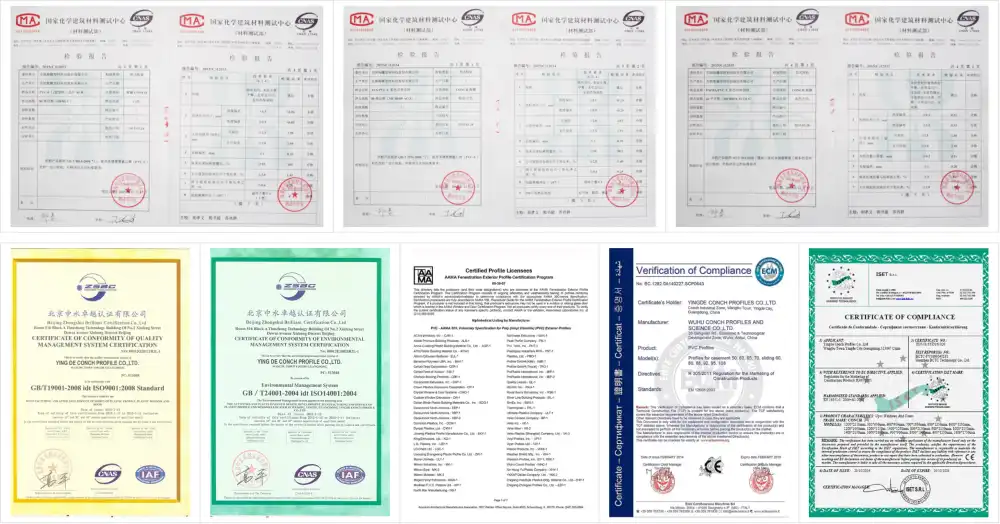
Partner with Haolv Building Materials Co., Ltd., a leading China UPVC Sliding Patio Doors manufacturer with eighteen years of specialized expertise. As a trusted China UPVC Sliding Patio Doors supplier and China UPVC Sliding Patio Doors factory, we offer wholesale UPVC Sliding Patio Doors solutions with competitive UPVC Sliding Patio Doors price options. Request your UPVC Sliding Patio Doors quotation today for Bulk UPVC Sliding Patio Doors orders or explore our Customized UPVC Sliding Patio Doors services tailored to your specifications. View our comprehensive UPVC Sliding Patio Doors Pricelist and discover why global customers choose our ISO-certified manufacturing excellence. Our advanced CNC machining centers, automatic welding systems, and rigorous quality control ensure every product meets international standards. Enjoy one-stop solutions from profile selection through professional installation support, backed by free technical consultation, sample shipping services, and dedicated project follow-up. Contact our expert team at kristin@haolvwindows.com for partnership opportunities.
References
1. "Energy Performance of Residential Windows and Doors" - National Fenestration Rating Council Research Division
2. "Thermal Bridge Effects in Modern Building Envelopes" - Building Science Corporation Technical Research
3. "UPVC Material Properties and Long-term Performance in Building Applications" - Construction Materials Research Journal
4. "Natural Light Benefits on Human Health and Building Energy Consumption" - International Association of Lighting Designers
5. "Acoustic Performance Standards for Residential Building Components" - Acoustical Society of America Technical Committee

USER EVALUATE
Here is the customer's evaluation of us