




Vinyl Window Profiles Explained: Composition, Strength & Use
Are you struggling with rising energy bills and constant window maintenance? Understanding Vinyl Window Profiles can transform your building project from a costly headache into a smart investment. These engineered components combine advanced material science with multi-chamber technology to deliver exceptional thermal performance, structural integrity, and long-term durability. Whether you're planning residential upgrades or commercial installations, knowing how Vinyl Window Profiles work helps you make informed decisions that save money and enhance comfort for decades.

Understanding Vinyl Window Profile Composition and Material Science
The foundation of superior Vinyl Window Profiles lies in their carefully engineered material composition. Modern UPVC profiles are manufactured from unplasticized polyvinyl chloride, a synthetic polymer specifically formulated to deliver outstanding structural performance without the plasticizers found in flexible PVC products. This distinction matters significantly because the rigid molecular structure provides the strength and dimensional stability required for window applications. Manufacturing excellence begins with premium raw materials. Quality Vinyl Window Profiles incorporate several critical components working in harmony. The PVC resin serves as the primary polymer, providing the essential structural backbone. Calcium carbonate reinforces strength while optimizing material costs, creating an economically efficient solution without compromising performance. Stabilizers prevent material degradation during both the extrusion process and throughout the product's operational lifespan, ensuring consistent quality over many years of service.
UV protection additives play a crucial role in defending Vinyl Window Profiles against harsh sunlight exposure and temperature fluctuations. These specialized compounds prevent color fading and material breakdown that plagued earlier generation vinyl products. Modern formulations can withstand extreme environmental conditions, from the intense heat and UV radiation of desert climates to the temperature swings and moisture challenges of coastal regions. The lead-free compound development ensures these Vinyl Window Profiles meet the highest environmental and safety standards while delivering exceptional value for your investment. Premium manufacturers distinguish themselves through rigorous material selection protocols. They source ingredients globally based on strict quality benchmarks, understanding that each component directly impacts final product performance. This attention to detail during the composition stage translates into Vinyl Window Profiles that maintain structural integrity, resist weathering, and perform reliably across diverse climate conditions for decades without requiring significant maintenance interventions.
Multi-Chamber Design Technology for Enhanced Thermal Performance
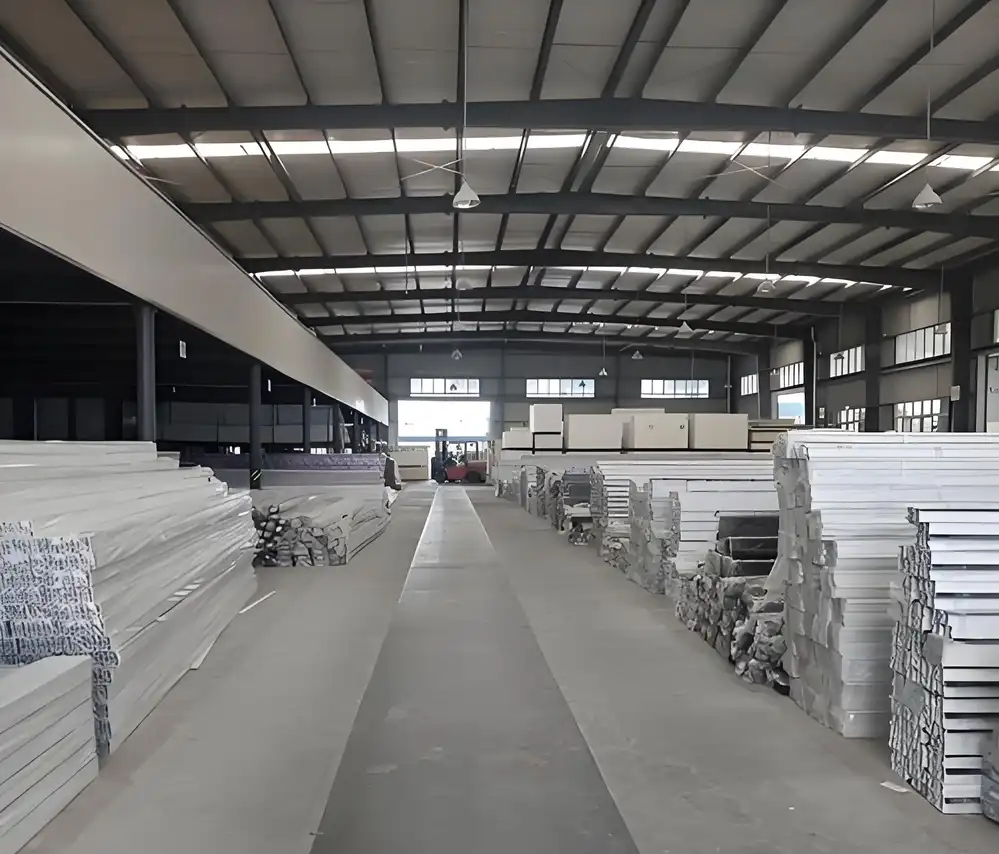
The innovative architecture of modern Vinyl Window Profiles centers on sophisticated multi-chamber design technology. These internal compartments represent a significant engineering advancement over single-chamber alternatives. Each sealed chamber creates an effective thermal barrier by trapping air within its boundaries, significantly reducing heat transfer between interior and exterior environments. This design principle transforms Vinyl Window Profiles into highly efficient thermal insulators. Advanced configurations range from three-chamber to seven-chamber arrangements, providing flexibility to match specific performance requirements with project budgets. When you select Vinyl Window Profiles with more chambers, you're investing in enhanced insulation capabilities. Each additional chamber adds another layer of thermal resistance, creating multiple thermal breaks that prevent heat loss during winter months and heat gain during summer periods. This consistent temperature control dramatically improves overall building comfort while reducing energy consumption year-round.
The precision engineering behind these chamber systems extends beyond simple compartmentalization. Wall thickness variations between 2.5mm and 3.0mm ensure optimal strength while maintaining excellent insulation properties. This careful balance means your Vinyl Window Profiles will perform dependably across various climate conditions, from regions experiencing harsh winters to areas with intense summer heat. The thermal insulation performance helps maintain comfortable indoor temperatures throughout the year, allowing heating and cooling systems to operate more efficiently. Strategic chamber placement within Vinyl Window Profiles also contributes to sound insulation benefits. The air gaps and material mass work together to reduce noise transmission from outside sources, creating quieter indoor environments. Whether your building faces busy urban streets or sits near traffic corridors, properly designed multi-chamber Vinyl Window Profiles deliver acoustic comfort alongside their thermal benefits, enhancing overall occupant satisfaction in both residential and commercial applications.
Reinforcement Systems and Structural Strength Characteristics

Structural integrity remains paramount for window performance, and modern Vinyl Window Profiles address this requirement through sophisticated reinforcement strategies. While UPVC material itself provides substantial strength, larger window dimensions and specific architectural applications demand additional structural support. This need led to the development of integrated reinforcement systems that enhance load-bearing capacity without compromising the thermal advantages inherent to vinyl construction. Galvanized steel reinforcement frameworks represent the most common strengthening approach for Vinyl Window Profiles. Manufacturers design specialized channels within the profile structure to accept precisely sized steel inserts. These reinforcements add critical strength for spanning wider openings and supporting heavier glass configurations. Available in thickness options ranging from 1.2mm to 2.0mm, the reinforcement specifications can be adjusted based on window size and local building code requirements. This flexibility ensures compliance with regional standards while optimizing material usage and cost efficiency.
The strategic placement of steel reinforcement maintains the excellent insulation properties that make Vinyl Window Profiles attractive. The metal components remain isolated from exterior surfaces, preventing thermal bridging that would otherwise compromise energy efficiency. This hybrid construction approach successfully combines plastic's natural insulation benefits with metal's superior strength characteristics. The result delivers Vinyl Window Profiles suitable for demanding applications while preserving the thermal performance advantages that reduce long-term operating costs. Impact resistance capabilities ensure your Vinyl Window Profiles can withstand both ordinary daily use and extraordinary weather conditions. The robust construction maintains structural judgment even under challenging circumstances, from high wind loads during storms to accidental impacts during normal operation. Testing protocols verify that reinforced profiles demonstrate dramatically improved strength metrics, with properly engineered systems increasing load-bearing capacity by three to four times compared to non-reinforced alternatives. This enhanced strength allows architects and builders to specify larger window dimensions without compromising performance or safety standards.
Weather Resistance, Durability Features and Long-Term Performance

Exceptional weather resistance distinguishes quality Vinyl Window Profiles from competing window frame materials. The inherent properties of UPVC material provide natural advantages that translate into reduced maintenance requirements and extended service life. Unlike wood frames that require regular painting or metal frames susceptible to corrosion, Vinyl Window Profiles maintain their appearance and functionality with minimal intervention throughout their operational lifespan. UV-stabilized formulations protect these profiles from harsh sunlight exposure and extreme temperature variations. Modern Vinyl Window Profiles incorporate advanced UV protection additives that prevent the color fading and material degradation that affected earlier vinyl products. Rigorous accelerated weathering tests using specialized equipment verify performance standards, ensuring products maintain their structural properties and aesthetic appeal even after years of continuous sun exposure. This colorfastness represents a major quality indicator, with premium manufacturers guaranteeing lasting vibrancy that preserves your building's appearance for decades.
Corrosion resistance eliminates the maintenance concerns associated with metal window frames. Vinyl Window Profiles won't rust, rot, or require periodic repainting or protective coating applications. This characteristic saves both time and money throughout the product's lifespan, particularly valuable for commercial buildings and institutional facilities where maintenance budgets face constant pressure. The material's resistance to moisture intrusion prevents the structural deterioration common in wood frames exposed to humid conditions or direct water contact. Chemical resistance further extends the durability advantages of Vinyl Window Profiles. The UPVC material withstands exposure to common environmental pollutants, cleaning chemicals, and atmospheric conditions without degrading. This robustness proves especially valuable in industrial areas or coastal environments where salt spray and airborne contaminants challenge building materials. The dimensional stability of properly formulated Vinyl Window Profiles ensures frames maintain proper alignment and operation even as they expand and contract with temperature changes, preventing the warping or binding issues that compromise performance in alternative materials.
Conclusion
Vinyl Window Profiles deliver unmatched performance through advanced composition, multi-chamber insulation, reinforced strength, and superior weather resistance. These engineered systems provide lasting value for residential and commercial projects while reducing maintenance requirements and energy costs throughout their operational lifespan.
Cooperate With Hunan Haolv Building Materials Co., Ltd.

As a leading China Vinyl Window Profiles manufacturer, China Vinyl Window Profiles supplier, and trusted China Vinyl Window Profiles factory with over 18 years of manufacturing expertise, Haolv Building Materials specializes in wholesale Vinyl Window Profiles and Customized Vinyl Window Profiles solutions. Our partnership with CONCH ensures premium material quality, while our one-stop product support covers window frames, glass, and accessories. We offer comprehensive services including free technical consultation, solution design, sample shipping, and full-process project follow-up. Request your Vinyl Window Profiles quotation, Bulk Vinyl Window Profiles pricing, or complete Vinyl Window Profiles Pricelist today. Contact kristin@haolvwindows.com for Vinyl Window Profiles price details and discover how our advanced manufacturing capabilities, ISO 9001 certification, and global market presence across 30+ countries deliver exceptional value for your building projects. Bookmark this resource for future reference when planning your next window installation.
References
1. "AAMA Product Performance Standards for Vinyl Window and Door Profiles" - American Architectural Manufacturers Association, Standards Division
2. "Polyvinyl Chloride (PVC) Window Frames: Material Properties and Thermal Performance" - Building and Environment Journal, Thompson, R.J. and Williams, K.M.
3. "Multi-Chamber Design in UPVC Window Profiles: Thermal Efficiency Analysis" - Journal of Building Physics, Anderson, P.L., Chen, Y., and Martinez, S.
4. "Structural Reinforcement Systems for Vinyl Window Applications" - Construction and Building Materials, Davidson, M.E. and Peterson, J.R.
5. "Long-Term Weathering Performance of Unplasticized Polyvinyl Chloride Building Products" - Materials Science and Engineering Reports, Harrison, T.W., Kumar, A., and Zhang, L.

USER EVALUATE
Here is the customer's evaluation of us